
Home

/

Dog Breeds

/

German Spitz

German Spitz

Origin

🇩🇪

Germany

Size

Medium Breed

Ideal Space

Apartment

Ideal Weather

15Âş-25ÂşC

Life Expectancy

13-15 years

Cost of buying

₹ 15,000 - ₹ 50,000

Top 5 Traits

Intelligent

Loyal

Fearless

Energetic

Playful

Avg Monthly Expenses

₹ 4,650 - ₹ 6,600

Smiling white fluffy German Spitz headshot outdoors with open mouth

Introduction to the German Spitz

These canines have thick, fluffy coats and expressive motions. They are excellent pets and watchdogs; their bravery and alertness define them.

German Spitz dogs appear like toys, although they are Nordic herding dogs. Particularly in Germany, they were renowned throughout Central Europe for their attentiveness and pleasure. These dogs pulled carts across the countryside and small towns.

They are intelligent, devoted, and friendly, and require homes where their energy and affection can be managed. German Spitz is perfect for a vibrant, chatty, easy-to-train-loving pet. If they get enough exercise, they prefer family life and stay indoors.

How Long Do German Spitz Live?

If German Spitz dogs eat well and have regular veterinarian treatment, they could live 13 to 16 years. Their lifetime makes them perfect long-term friends for couples and single people. Due in significant part to their robust pedigree and rare inherited diseases, these dogs live healthy and happy into old age if properly cared for.

German Spitz Temperament and Personality

German Spitz dogs are intelligent, perceptive, and naturally curious. They will bark if they see or hear something strange; they enjoy being with their people's families.

Although this dog is lovely, early training can be challenging, especially when teaching it to stop barking due to its loud barking.

Though not nasty, their suspicions of strangers make them perfect watchdogs. Once they know someone, they are friendly and intimate. Their families are close and enjoy housework.

German Spitz Exercise Needs

Though small, German Spitz dogs are energetic and require regular mental and physical exercise.

  1. Short walks: Two fast walks per day assist in controlling their energy level.
  2. Training games: Obedience or trick training sharpens them psychologically.
  3. Indoor play: Given appropriate stimulus, they flourish even in flats.

They could develop behavioral problems or bark too much without regular exercise.


Characteristics

Barking

Quiet

Loud

Temperament with Kids

Aggressive

Friendly

Playfulness

Silent

Very Playful

Friendliness

Not Friendly

Super Friendly

Compatibility with other dogs

Aggressive

Friendly

Need for attention

Independent

Very Needy

Monthly Expenses

about image

German Spitz Price Guide

Cost of buying

₹ 15,000 - ₹ 50,000

German Spitz puppies range in price from ₹15,000 to ₹50,000, depending on the breeder's reputation, the dog's pedigree, and the location.

Buy or Adopt a German Spitz: Make the Right Choice!

Adoption gives a dog in need a home; buying from reputable breeders assures moral behavior.

Your decision should be based on your ability to meet their grooming and social needs, as well as your availability for training and vehicle maintenance.

Similar Breeds to the German Spitz

  1. Pomeranian
  2. Keeshond
  3. Akita


Prerequisites to pet a German Spitz

Access to Veterinary

Financial Capability

Appropriate Climate

Lifestyle Compatibility

Space and Environment

Access to Groomer

Best Practices for Shopping or Adopting a German Spitz

  1. Look for a breeder or adoption center with open medical information.
  2. Verify early socializing and vaccination records.
  3. Consider temperament to fit your home setting.
  4. Maintaining regular visits to the veterinarian and a proper grooming routine helps.
  5. Provide a fascinating indoor environment with many play places.
  6. Keep their diet free from unhealthy products and in balance.
  7. Designed for lifetime treatment, improving their physical and mental state.


Nutrition Care for the German Spitz

Monthly Food Expenses

₹ 2,250 - ₹ 3,000

Calories per day

Puppies: 800 kcal

Adults: 600 kcal

Essential Nutrients

Protein

Fats

Carbohydrates

Vitamins

Minerals

Fibre

List of foods

Chicken

Dry Dog Food

Fresh Meat

Fresh Fish

Fruits

Home made meals

Vegetables

Thick coats and active bodies call for a varied diet. Little but active, they require food commensurate with their size and movement.

Active Spitz dogs require protein to keep their muscles healthy. Omega-3 and 6 help maintain hair and brain health. Phosphorus and calcium benefit bones and teeth. Antioxidants and vitamins strengthen immunity.

Given their tiny nature, avoid overfeeding them. They get heavier. Dry kibble, sporadic lean products, and vet-approved treats provide all the nutrients needed.


Feeding Guidelines for German Spitz

  1. Puppies (Up to 12 Months) - Provide three to four small meals daily using puppy-specific formulations high in development-oriented nutrients. Avoid feeding from the table to discourage finicky eating patterns.
  2. Adults (1–7 Years) - Two measured meals a day are best. Select food with a low-calorie count for small breeds. Always have fresh water available, especially in the warm months.
  3. Seniors (7+ Years) - Low-calorie, easily digested foods help aging joints and preserve good weight. Joint health requires supplements. Add foods high in fiber to aid digestion.

Breakdown of Macro-nutrients

Best Foods to Feed for German Spitz

  1. Premium diets support the vivid coat of the German Spitz and high energy levels.
  2. Royal Canin Mini Adult suits small, energetic dogs with good digestion and coat maintenance.
  3. Strong in protein and healthy fats to raise energy levels and coat condition, Orijen Small Breed Dry Food
  4. The Blue Buffalo Life Protection Formula is defined by natural ingredients that support immune system wellness, including vitamins and antioxidants.
  5. Foods heavy in omega-3s aid in reducing inflammation, maintaining skin hydration, and coat sheen.


Food items to avoid for the German Spitz

Avoid anything with these ingredients

Alcohol

Almonds

Avocados

Cherries

Cinnamon

Coffee / Tea

Dairy

Fruit seeds

Grapes

Garlic

Lemon

Milk Products

Mushrooms

Onions

Sugar

Salt

  1. Chocolate may be a treat for us, but it contains theobromine, which dogs can’t metabolize. Even a small piece can lead to serious health issues.
  2. Grapes and raisins are surprisingly toxic to dogs. They can cause sudden kidney failure, and there’s no known safe amount.
  3. Onions and garlic, in any form—raw, cooked, or powdered—can damage your dog’s red blood cells and lead to anemia over time.
  4. Xylitol, a common sugar substitute found in sugar-free gum, candies, and even some peanut butters, causes a rapid insulin release in dogs and can lead to liver failure. Always check the label before sharing snacks.
  5. Alcohol is extremely dangerous, even in small amounts. It can affect your dog’s liver, brain, and coordination much faster than it affects humans.

about image

Healthcare Tips for the German Spitz

Avg Monthly Expenses

₹ 1,200 - ₹ 1,800

Common Health Issues

Bloat

Canine distemper

Hip Dysplasia

Parasites

Heartworm

Leptospirosis

Kennel Cough

Parvovirus

Well being

Exercise

Bonding

Games

Socialization

Agility Training

Energy Level

Medium

Exercise routine

30 - 60 minutes

Recognising Stress

Changes in appetite

Excessive Barking

Pacing

Excessive Panting

Reluctance to move

Decreased play

Increased laziness

Common Health Problems of German Spitz:

German Spitz dogs can have several breed-specific issues, even if they are usually robust.


  1. Patellar luxation: A Common small-breed knee joint problem: patellar luxation. Early on, identification and weight control help control it.
  2. Dental problems: Tartar and gum disease are relatively common in small mouths. One must brush regularly.
  3. Progressive Retinal Atrophy (PRA): A degenerative eye condition. Regular eye visits help to identify early symptoms.
  4. Collapsing trachea: Where the windpipe narrows—requires harnesses rather than collars and cough monitors.

Preventive Healthcare Measures Suggested for German Spitz

Here’s the expert's recommendation to help your Spitz feel their best every day


  1. Schedule yearly vet visits. Don’t wait for something to feel off—an annual check-up can catch issues early, from dental concerns to heart or eye problems. If your Spitz is getting older, go twice a year. It’s a simple way to stay one step ahead.
  2. Brush their teeth regularly. Small breeds like the Spitz are prone to dental problems, so brush a few times a week and toss in a dental chew for good measure.
  3. Keep their minds busy: This breed is clever—they thrive on mental stimulation. Add training games, new tricks, or puzzle toys to your daily routine.
  4. Stay up to date on vaccines and deworming: Check in with your vet about the best schedule and don’t miss booster shots.
  5. Watch their weight: The German Spitz loves treats, but too many can lead to unwanted weight gain. Hence, balance their meals and make sure you’re giving them appropriate walks.


Vaccination details

Growth Stage

Core Vaccines

6-8 Weeks

Distemper, Parvovirus

10-12 Weeks

Distemper, Parvovirus

14-16 Weeks

Distemper, Parvovirus, Rabies

12-16 Months

Rabies, Distemper, Parvovirus

Anually

Rabies, Distemper, Parvovirus

Senior dog care for German Spitz

Providing the right nutrition, exercise, grooming, and medical care can help your aging companion live a longer, happier life. Here's everything you need to know to keep your senior German Spitz healthy and content in their golden years.


  1. Adjust Their Diet
  2. Gentle, Regular Exercise
  3. Keep Up With Grooming
  4. Monitor Behavior and Cognitive Health
  5. Give Extra Love and Comfort


German Spitz Grooming Routine

Avg Monthly Expenses

₹ 1,200 - ₹ 1,800

Shedding Level

Moderate Shedding

Hygienic Checklist

Brushing

Nail Trimming

Teeth Care

Bathing

Eye Care

Ear Cleaning

Benefits of Grooming

Cleanliness

Low Shedding

Odourless

Prevents infections

Quality of life

Prevents Bad Breath

Despite their abundant coats, they require a consistent but manageable grooming routine.


  1. Brushing: Brushing twice to three times weekly helps avoid matting and regulates shedding.
  2. Bathing: Once a month or as needed with mild dog shampoo
  3. Nail trimming: Trimming nails every three to four weeks
  4. Ear cleaning: Weekly, using a solution advised by a veterinarian
  5. Teeth brushing: Brushing your teeth two to three times a week helps preserve oral hygiene.


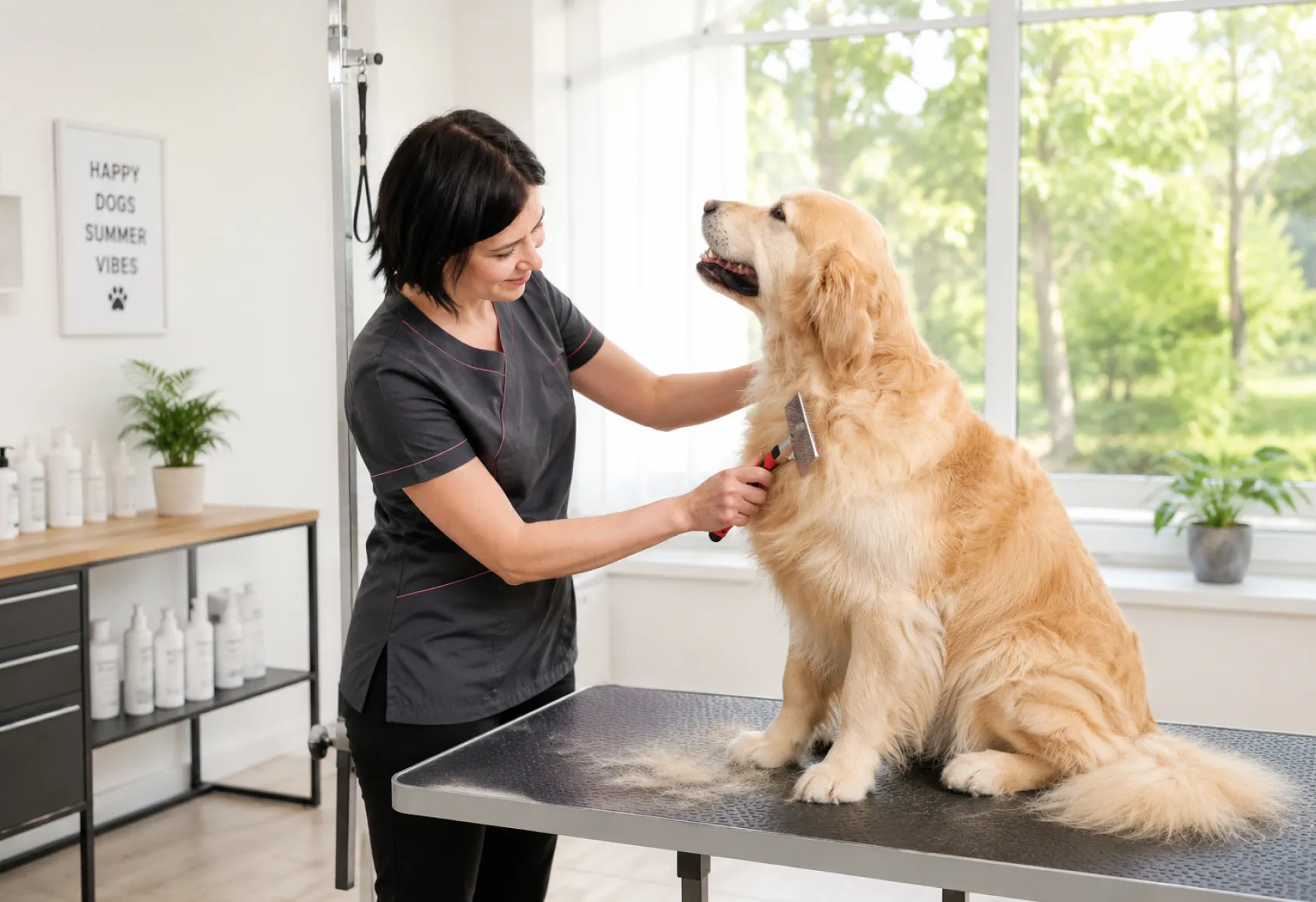
about image

Compare with similar breeds

Tan Indian Pariah Dog with erect ears and curled tail sits on a concrete path

Indian Pariah Dog

Compare
Siberian Husky with hetero chromatic eyes and pink tongue showing close up

Siberian Husky

Compare
Tan dog with a black muzzle and erect floppy ears wearing a chain collar

Kombai or Combai Dog

Compare
Close up of a tri color Basset Hound with long droopy ears looking up

Basset Hound

Compare

Frequently Asked Questions

1. Are German Spitz dogs good with children?

Though they are energetic and affectionate, considering their small stature, they should be supervised, particularly with very small children.

2. Does the German Spitz need special grooming?

Their thick double coats should be constantly combed to avoid matting and control shedding.

3. Are German Spitz loud barkers?

These dogs can be taught to stop pointless barking; they are renowned for their strong vocal and watchdog abilities.

4. Can German Spitz adapt to apartment living?

They flourish even in small areas, given appropriate mental and physical stimuli.
Media & Resources about Dogs

Lorem Article

If Your Life Is on Your Phone, Why Isn’t Your Pet’s? How Tracking Gave My Dog One More Year

24 Mar 2026

dog drinking water

Summer Health Risks for Dogs Every Pet Parent Should Know

20 Mar 2026

India Map and Golden Retriever Dog

Golden Retriever Price in India 2026: City-Wise Cost Guide

23 Feb 2026

View All