Home

/

Dog Breeds

/

Central Asian Shepherd Dog

Central Asian Shepherd Dog

Origin

Central Asia

Size

Giant Breed

Ideal Space

House with backyard

Ideal Weather

-10º-30ºC

Life Expectancy

12-15 years

Cost of buying

₹ 30,000 - ₹ 1,00,000

Top 5 Traits

Fearless

Intelligent

Protective

Loyal

Athletic

Avg Monthly Expenses

₹ 4,900 - ₹ 7,650
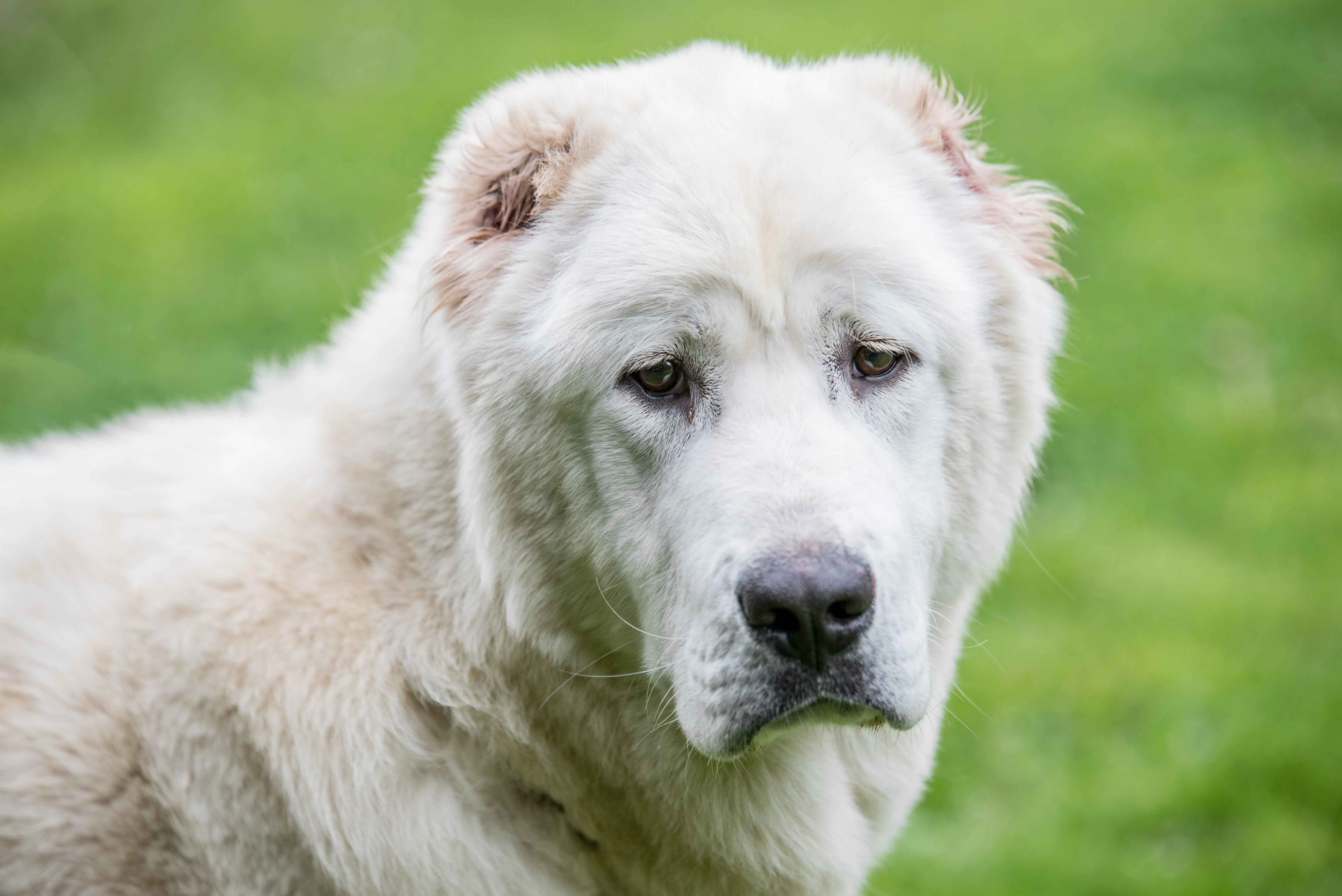
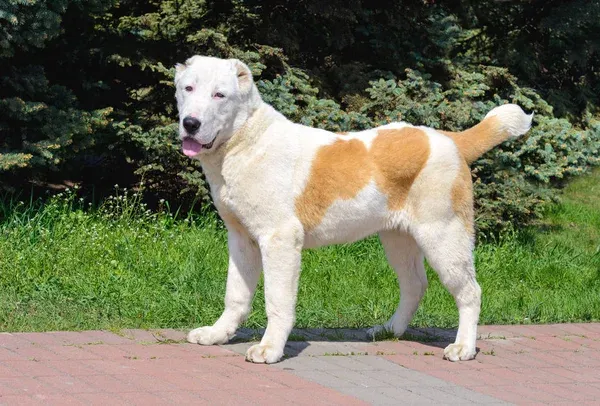
Close up of a large white Central Asian Shepherd Dog with cropped ears against a green background
written by image

by Happy Pet TeamUpdated on 16 May 2025

Introduction to the Central Asian Shepherd Dog

The Central Asian Shepherd Dog, or Alabai or Ovcharka, is one of the oldest natural breeds of dog. 


These powerful dogs have a history that dates back thousands of years, and were bred to protect livestock and property. They are known to be very resilient and independent dogs with outstanding guardian instincts.


It was originally bred in the regions of Russia, Turkmenistan, Kazakhstan, Uzbekistan, Mongolia, Afghanistan and Iraq. Somewhere on the Silk Road, they traveled with nomadic tribes, defending against predators such as wolves and bears. 


These ancient working dogs are strong, courageous, and self reliant.


How Long Do Central Asian Shepherd Dogs Live?

Central Asian Shepherd Dogs, when properly cared for, can live to an average of 12 to 15 years.


Central Asian Shepherd Dog Temperament and Personality

  • Central Asian Shepherd Dogs are extremely loyal, confident and protective.
  • They are naturally independent and need experienced, firm owners.
  • Their guarding instincts need to be managed from early socialization.
  • With family, they’re calm, but with strangers, they’re a bit wary.

Characteristics

Barking

Quiet

Loud

Temperament with Kids

Aggressive

Friendly

Playfulness

Silent

Very Playful

Friendliness

Not Friendly

Super Friendly

Compatibility with other dogs

Aggressive

Friendly

Need for attention

Independent

Very Needy

Monthly Expenses

about image

Central Asian Shepherd Dog’s Price

Cost of buying

₹ 30,000 - ₹ 1,00,000

Lineage and breeder reputation influence price in India, which generally ranges from ₹ 30,000.


Central Asian Shepherd Dog Exercise Needs

The Central Asian Shepherd Dog is an active working dog breed and needs to be exercised regularly.


  1. Daily Activity: They need at least 60–90 minutes a day of exercise.


  1. Best Activities:
  2. Daily walks in open spaces.
  3. Structured training sessions to keep them entertained.
  4. Some interactive play, like fetch to burn energy.


Mental Stimulation: Scent work and puzzle toys keep their mind sharp.

Prerequisites to pet a Central Asian Shepherd Dog

Access to Veterinary

Financial Capability

Space and Environment

Lifestyle Compatibility

Willingness to train

Time and Effort

Access to Groomer

Appropriate Climate

Shop or Adopt a Central Asian Shepherd: The choice is yours!

Adopting a Central Asian Shepherd gives a rescue dog a second chance at a loving home, whereas buying a Central Asian Shepherd from a responsible breeder ensures ethical breeding. Take into account their care requirements and your lifestyle.


Best Practices for Shopping or Adopting a Central Asian Shepherd

  1. Find a reputable source – Select a breeder or rescue that operates ethically and has a good reputation.
  2. Check health records – Check that vaccinations, deworming and screenings of any breed-specific conditions such as hip dysplasia are up to date.
  3. Visit in person – Check that the dog is well-socialized and has been raised in a clean, safe environment.
  4. Know their grooming needs – Their thick coat needs regular brushing, to prevent matting and shedding.
  5. Plan for exercise – Keeping them happy and healthy requires daily walks and mental stimulation.

Ensure vet care – For their lifetime health, routine checkups and preventive care are needed.

Nutrition Care for the Central Asian Shepherd Dog

Monthly Food Expenses

₹ 3,000 - ₹ 4,500

Calories per day

Puppies2000 kcal

Adults3000 kcal

Essential Nutrients

Protein

Carbohydrates

Fibre

Fats

Vitamins

Minerals

List of foods

Dry Dog Food

Fresh Meat

Chicken

Mutton

Vegetables

  1. Central Asian Shepherds need a well-balanced diet for a lean, athletic build.
  2. Carbohydrates, vitamins, and minerals, healthy fats, and high-quality protein are all essential for strength and stamina.
  3. Stay away from low-quality processed food that might cause digestive problems and result in poor health.
  4. The nutritional needs of puppies, adults, and seniors are all different and change as you age.
  5. Dry food is mixed with fresh meats, vegetables, and brown rice for balanced nutrition.


Feeding Guidelines for Central Asian Shepherd Dogs

  1. Puppy Stage: Give four small meals a day to fuel rapid growth. Feed high protein, easy to digest food with added calcium and phosphorus.
  2. Adult Stage: Feed two meals per day. Make sure your diet remains balanced to ensure energy and to support work activity. Dogs who are more active may require a slightly larger serving.
  3. Senior Stage: Feed two smaller meals per day. To prevent obesity and keep mobility, use lower calorie formulas with joint supporting nutrients such as glucosamine.

Breakdown of Macro-nutrients

Best Foods for Central Asian Shepherd Dogs

  1. High-Protein Formulas: Find supplements that list real meat (chicken, beef, or fish) as the first ingredient to aid in muscle mass. Without these proteins, their large bodies would weaken and quickly become too fat to be active.


  1. Energy-Rich Recipes: Foods with high starch and complex carbohydrates, such as brown rice, sweet potatoes, provide steady energy. In addition to digestion health, these ingredients ensure that the dog stays full for longer.


  1. Joint-Support Diets: Added glucosamine and chondroitin help shield joints, especially helpful for large, active dogs. Intake can help slow the onset of arthritis and aid in maintaining mobility while they age.


  1. Balanced Meals: Diet consists of high quality, dry kibble, mixed with lean meats and vegetables for complete nutrition.

Foods to Avoid for Central Asian Shepherd Dogs

Avoid anything with these ingredients

Alcohol

Avocados

Cherries

Cinnamon

Coffee / Tea

Dairy

Fruit seeds

Grapes

  1. Corn and Wheat Fillers: High glycemic foods can cause digestive problems and allergies. They have little nutritional value and may irritate the stomach or skin of a sensitive dog with bloating.


  1. Low-Quality Proteins: Stay away from byproducts and fillers that are depleted in essential nutrients. They can slowly compromise muscle development and energy levels.


  1. Artificial Additives: Preservatives, color and flavouring foods can cause long term health problems. It can also upset the dog’s stomach and make it dysfunctional.


  1. Excessive Fat: Too much fat can result in obesity and subsequent joint issues. The Central Asian Shepherd breed is susceptible to hip and elbow dysplasia and obesity.
about image

Health

Avg Monthly Expenses

₹ 1,200 - ₹ 1,950

Common Health Issues

Bloat

Hip Dysplasia

Parasites

Parvovirus

Heartworm

Leptospirosis

Kennel Cough

Rabies

Elbow dysplasia

Panosteitis

Ear Infections

Well being

Exercise

Socialization

Bonding

Agility Training

Games

Energy Level

High

Exercise routine

60 - 90 minutes

Recognising Stress

Changes in appetite

Excessive Barking

Reluctance to move

Increased laziness

Pacing

Excessive Panting

Healthcare for the Central Asian Shepherd Dog

Central Asian Shepherd Dogs are naturally hardy but can suffer from health problems common to large working breeds.

Common Health Problems


  1. Joint Issues: Hip and elbow dysplasia can occur, resulting in arthritis. It’s important to maintain a healthy weight and use joint supplements.
  2. Bloat (Gastric Dilatation-Volvulus): A life-threatening condition. Feed smaller, more frequent meals and avoid vigorous activity immediately after meals.
  3. Heart Conditions: Large breeds may develop cardiomyopathy. Early detection is important with regular vet check ups.
  4. Skin and Coat Problems: Skin infections or hot spots can be hidden by their thick coat. Grooming and check ups keep an early look at problems.


General Healthcare Tips

  1. Routine Vet Check-Ups: Schedule biannual visits to monitor health and spot problems early.
  2. Weight Management: To reduce stress on joints, keep your dog at a healthy weight.
  3. Parasite Prevention: Flea, tick, and heartworm preventatives should be used if the pet spends a lot of time outdoors.
  4. Vaccination: Protect against common diseases by following a regular vaccination schedule.
  5. Dental Care: Brush teeth daily to avoid accumulating plaque and gum disease.

Vaccination details

Growth Stage

Core Vaccines

6-8 Weeks

Core Vaccinations: Distemper, Parvovirus, Hepatitis, Parainfluenza

10-12 Weeks

Booster Vaccination for Distemper, Parvovirus, Hepatitis, Parainfluenza

14-16 Weeks

Rabies Vaccination

Annually

Booster Shots for all Core Vaccinations

Senior Central Asian Shepherd Dog Care

When Central Asian Shepherd Dogs reach a mature age, they need extra care.


  1. Joint Support: Include glucosamine and chondroitin as joint supplements to help maintain mobility. These nutrients will reduce stiffness and improve comfort in older dogs.
  2. More Frequent Vet Visits: Senior dogs need check ups more often to catch age related issues. Regular health monitoring helps pick up arthritis and such problems early.
  3. Soft Bedding: Orthopedic beds help relieve pressure on aging joints. A supportive bed helps with better sleep and also lessens discomfort after activity.


Mental Stimulation: Keep their minds active with puzzle toys and gentle play. Senior dogs find it mentally enriching, and it helps to keep them alert and slow the cognitive decline.

Grooming Tips for the Central Asian Shepherd Dog

Avg Monthly Expenses

₹ 700 - ₹ 1,200

Shedding Level

High Shedding

Hygienic Checklist

Bathing

Ear Cleaning

Nail Trimming

Eye Care

Brushing

Teeth Care

Benefits of Grooming

Cleanliness

Low Shedding

Odourless

Prevents Bad Breath

Prevents infections

Quality of life

Central Asian Shepherd Dogs have a long, dense double coat that requires moderate grooming.

Central Asian Shepherd Dog Grooming Routine

  1. Brushing: Brush with 1-2 brushings per week; more frequently if shedding is seasonal.
  2. Bathing: Bathe at intervals of 2 to 3 months or when required. Avoid skin irritation by using a gentle shampoo.
  3. Nail Trimming: It is advised to trim nails every 3-4 weeks to prevent overgrowth and discomfort.


Ear Cleaning: Ears should be checked regularly and cleaned with a vet-approved solution to prevent infections.


Similar Breeds to the Central Asian Shepherd Dog

Caucasian Shepherd | Tibetan Mastiff | Kangal Dog

about image
written by image

Written by

Happy Pet Team

Author

Team Happy Pet is a passionate collective of pet experts, enthusiasts, and advocates dedicated to sharing trusted and insightful content.

Our cont
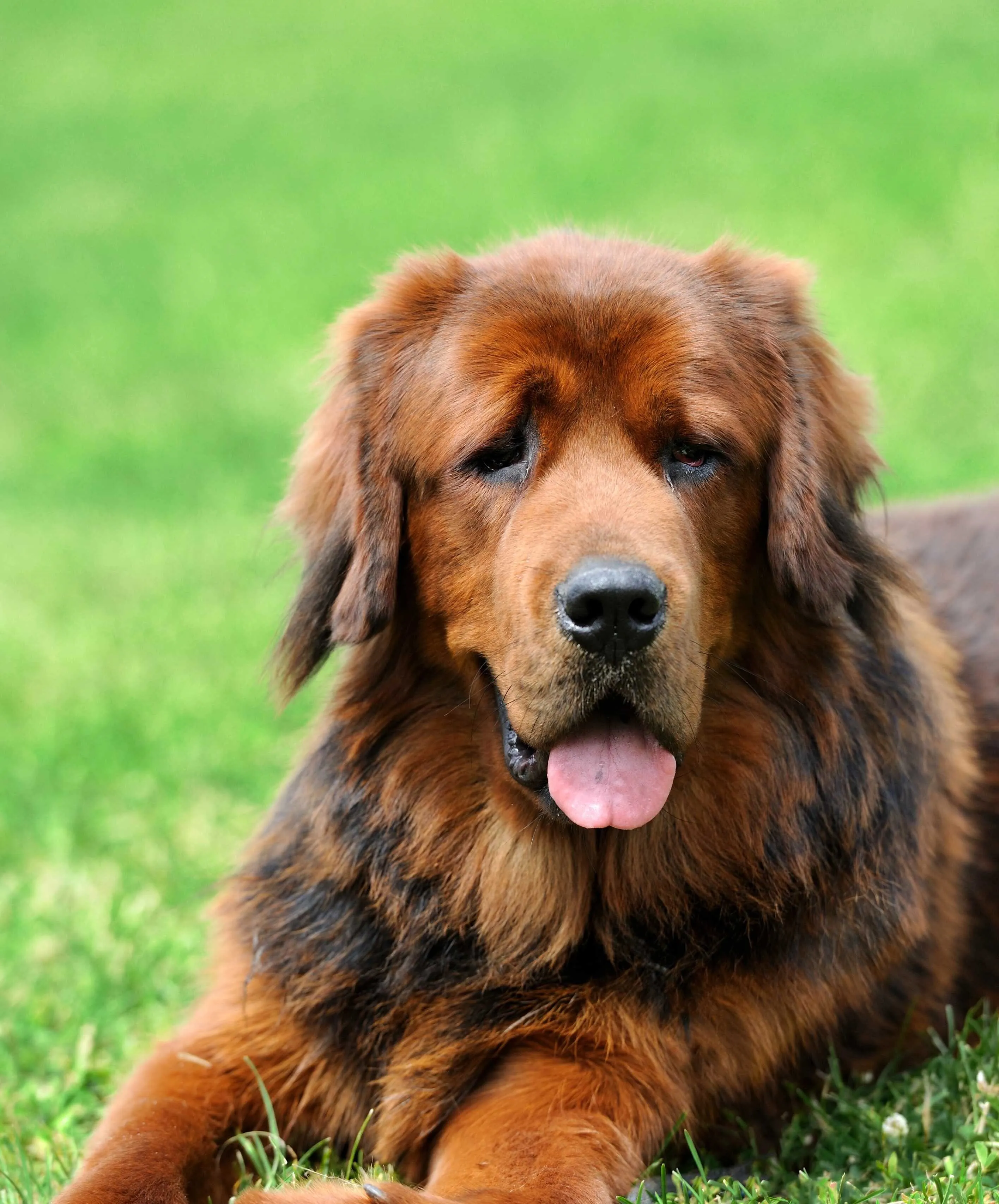
 

Compare with similar breeds

A large light colored Kangal Shepherd Dog with a black muzzle looks directly at the camera

Kangal Shepherd Dog

Compare
Close up of a large fluffy dog with black white and tan fur possibly a Caucasian Shepherd

Caucasian Shepherd Dog

Compare
Large white dog with corded fur obscuring its eyes and tongue sticking out

Komondor

Compare
Close up of a white dog with cropped ears and a studded collar

Dogo Argentino

Compare

Frequently Asked Questions

Are Central Asian Shepherd Dogs good for first-time owners?

No, they need owners who understand large, independent guardian breeds and are experienced.

How much space do they need?

Apartment living is not ideal because they thrive in environments with ample space.

Do they get along with other pets?

They are very protective, especially towards any unfamiliar animals.

Are they suitable as family dogs?

They are loyal and protective, they are best suited to experienced owners and homes with older children.

Media & Resources about Dogs

GSDprice ranges in India

German Shepherd Price in India 2026: What You'll Really Pay in Mumbai, Bengaluru and Delhi

05 May 2026

dog refusing food

Why Do Dogs Eat Less in Summer? Causes, Signs & Practical Tips

17 Apr 2026

a happy dog and its owners

Communication Gaps in Pet Co-Parenting: How It Impacts Your Pet’s Health

15 Apr 2026

View All