Home
/
Cat Breeds
/
Somali
Somali
Origin
United States
Size
Medium Breed
Ideal Space
Independent House
Ideal Weather
18º-26ºC
Life Expectancy
12-16 years
Cost of buying
₹ 70,000 - ₹ 1,50,000
Top 5 Traits
Playful
Curious
Friendly
Affectionate
Energetic
Avg Monthly Expenses
₹ 2,800 - ₹ 4,200
by Neha MridulUpdated on 3 Sept 2025
Know All About the Somali Cat: The Fox-Tailed Feline Friend
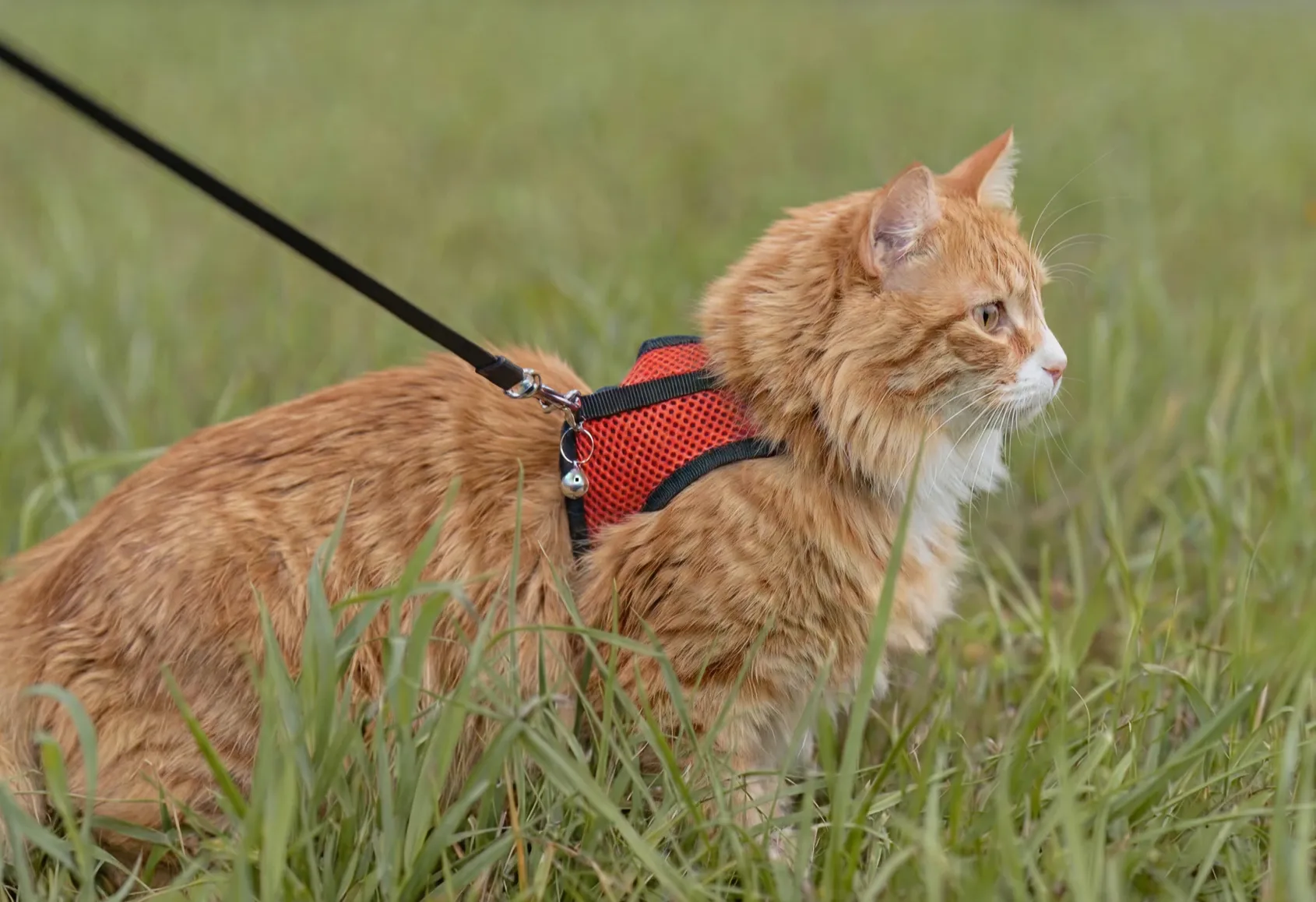
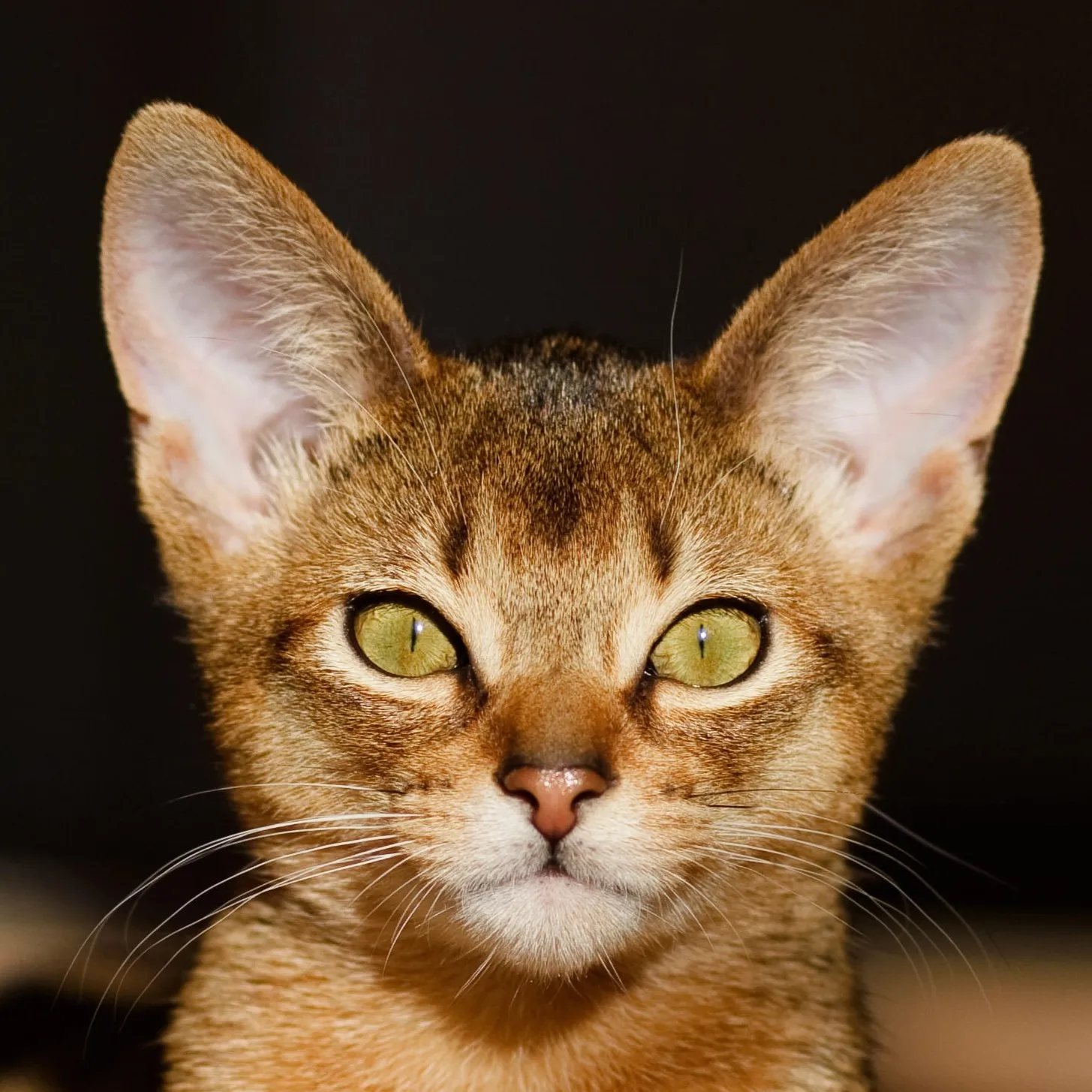
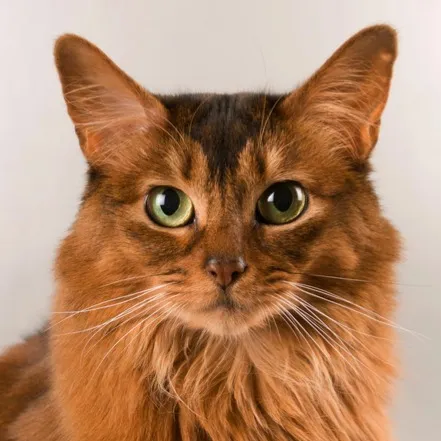
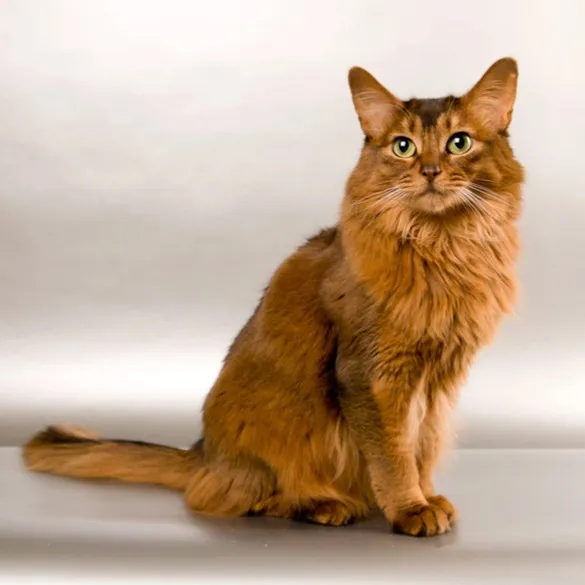
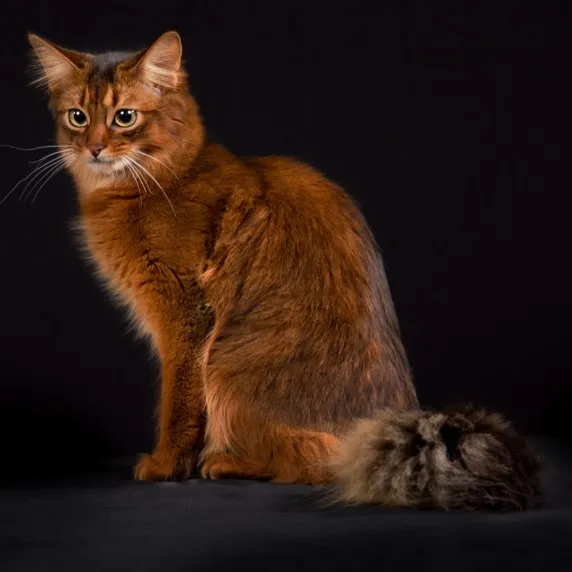
If the York Chocolate is a silky shadow, the Somali cat is the playful fox of the feline world. Recognized by The International Cat Association, the Somali is essentially a longhaired version of the Abyssinian, with its trademark bushy “fox tail,” almond-shaped eyes, and ticked coat. First appearing in the mid-20th century, the breed has since earned a reputation for being striking, intelligent, and endlessly active.
For Indian cat lovers, the Somali is a refreshing alternative to Persians or Maine Coons. Its coat is semi-long yet surprisingly manageable, meaning you won’t be fighting mats every week. That’s a blessing in humid cities like Mumbai or Chennai, where heavy-coated breeds often struggle with tangles and fungal issues.
Personality That’s Always in Motion
Somalis may look regal, but they’re bundles of energy. Vetstreet describes them as extroverts who thrive on interaction—perfect for Indian households where pets are part of the daily buzz. Expect them to climb shelves, perch on wardrobes, and inspect your grocery bags with full curiosity.
Unlike aloof breeds, Somalis love being in the thick of family life. They’ll join kids in play, chase feather toys across the living room, and then leap onto a window perch to watch the world outside. Their high energy is balanced with affection, making them ideal companions for urban Indian families who want both activity and cuddle time.
Lifespan of Somali Cat
With good care, Somalis live 12–15 years.
Characteristics
Temperament with Kids
Aggressive
Friendly
Playfulness
Silent
Very Playful
Friendliness
Not Friendly
Super Friendly
Shedding amount
Negligible
Frequent
Compatibility with other cats
Not Friendly
Super Friendly
Prey Drive
Low
High
Need for attention
Independent
Very Needy
Monthly Expenses
Coat Variants of Somali
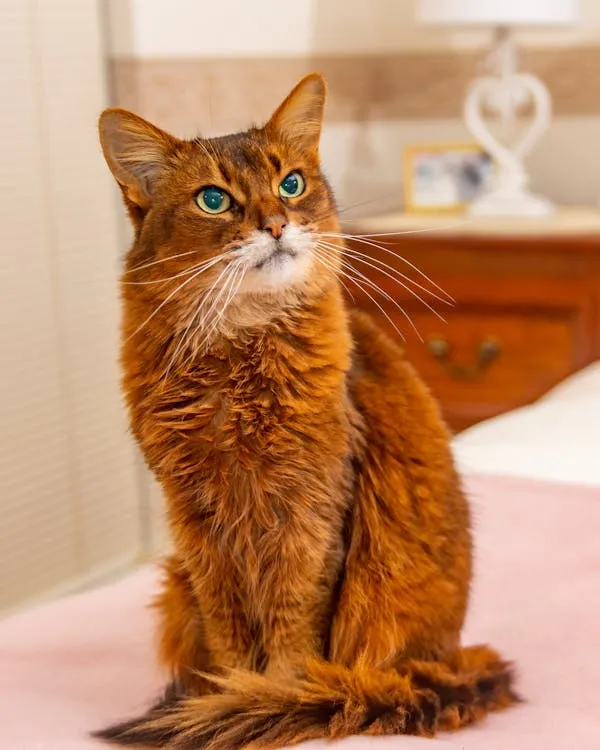
The coat of the Somali cat appears in a range of colors, such as fawn, ruddy, red, and blue. Each variant has a unique "ticked" pattern in which every hair is multicoloredly banded, giving the coat a shiny, colorful appearance.
Lifespan & Price of the Somali Cat in India
Cost of buying
₹ 70,000 - ₹ 1,50,000
Somalis are healthy cats with a lifespan of 12–15 years, provided they receive preventive care. Annual vet visits for heart, kidney, and dental screenings are strongly advised, as PetMD highlights for long-lived breeds.
Price in India: Extremely rare. Pet-quality kittens may start at ₹70,000–₹90,000.
- Imported/show quality: Can go up to ₹1,50,000 or more.
- Important: Always check for pedigree, vaccination history, and breeder credibility. Both the CFA and TICA stress that responsible breeders are crucial—avoid backyard sellers who may pass off mixes as purebred Somalis.
Exercise and Enrichment
Somalis are energetic, intelligent, and playful—traits that need daily outlets in Indian households where cats often live indoors.
- Playtime: Wand toys, tunnels, and laser games keep them active.
- Climbing: Tall cat trees and multiple scratching posts protect your furniture while meeting natural instincts.
- Mental stimulation: Puzzle feeders and clicker training help prevent boredom-driven mischief.
Climate tips for India:
- Summers: Ensure cool, well-ventilated spaces with fans or AC; hydration is key.
- Winters: Their coat offers insulation, but in northern states, a blanket-lined bed adds comfort.
As PetMD notes, a stress-free, climate-appropriate environment is essential for long-term health.
Similar Breeds to the Somali
Buying or Adopting a Somali in India
Somalis are very hard to find in India, with only a handful of breeders worldwide.
- Buying: Imports through CFA- or TICA-recognized breeders are the most reliable option.
- Adoption: Rare but not impossible—shelters in metro cities like Delhi or Bengaluru occasionally rescue long-haired Abyssinian-Somali mixes.
Best home setup in India:
- Mesh balconies and windows for safety.
- Multiple scratching posts and trees for enrichment.
- Proper cooling during intense summers.
Somalis thrive in interactive households. They dislike being left alone, so families with members home most of the day make the ideal match. With the right grooming, play, and climate-smart care, they become a lively and affectionate companion.
Nutrition Care for the Somali Cat
Monthly Food Expenses
₹ 1,500 - ₹ 2,000
Calories per day
Kittens: 250 kcal
Adults: 300 kcal
Essential Nutrients
Protein
Fats
Carbohydrates
Vitamins
Minerals
Amino Acids (Taurine, Arginine, etc.)
Fiber
Essential Fatty Acids
List of foods
Dry kibble
Wet canned food
Chicken (cooked or raw)
Turkey
Lamb
Salmon
Tuna
Cat-specific multivitamins
Omega-3 fatty acids
The Somali may look like a fox with its bushy tail and glowing coat, but when it comes to food, its needs are firmly feline: high-protein, carefully balanced meals that support its lean, muscular frame and boundless energy. With their playful, almost dog-like personality, Somalis burn more calories than laid-back breeds, making nutrition a key factor in keeping them healthy in Indian homes—whether that’s an air-conditioned flat in Bengaluru or a sunlit bungalow in Jaipur.
Protein
For the Somali, protein isn’t optional—it’s the foundation of health. As PetMD emphasizes, cats are obligate carnivores, meaning they rely on animal-based protein (especially taurine) for heart, muscle, and vision health. This is even more important for active breeds like the Somali, who are constantly climbing, jumping, and exploring.
In India, premium foods such as Farmina N&D, Royal Canin, or Orijen—easily available on Heads Up For Tails or Supertails—offer reliable protein quality. For pet parents who prefer fresh, lightly boiled chicken, turkey, or small portions of freshwater fish can be excellent add-ons, but these should always complement a vet-approved formulated diet to prevent nutrient gaps.
Fats
That glowing, ticked coat and plume-like tail demand healthy fats. International Cat Care explains that Omega-3 and Omega-6 fatty acids not only keep the skin supple and coat shiny but also reduce inflammation and support joint health—a must for an agile, high-energy breed.
In India’s varied climates, fats play a balancing role: in humid cities like Mumbai or Chennai, they help manage itchy or oily skin, while in colder northern regions, they prevent dryness and dullness. Salmon oil, sardine oil, or fish-oil supplements—given under veterinary guidance—work wonders for maintaining that foxy Somali shine.
Carbohydrates
Unlike the slower, lounge-loving York Chocolate, Somalis can burn off small amounts of digestible carbs thanks to their active nature. Still, as The Spruce Pets notes, cats don’t need carbs in large quantities, and too many fillers (corn, soy, wheat) can strain digestion and add empty calories. In Indian apartments, where cats may not get outdoor exercise, weight gain can sneak up quickly. Protein-forward, grain-light diets remain the safest bet.
Feeding Guidelines by Life Stage
- Kittens – Somali kittens grow fast and play even faster. Feed 3–4 small meals daily, mixing wet food for hydration with dry kibble to strengthen teeth. In India’s hot summers, wet food also helps prevent dehydration.
- Adults – Two measured meals a day keep energy balanced. Since Somalis are agile and curious, they need slightly higher protein than couch-loving breeds, but portion control is still vital to avoid creeping weight gain in smaller flats.
- Seniors (10+ years) – Joint and kidney health take priority. Senior-friendly diets with glucosamine, antioxidants, and lower phosphorus levels work best. Softer wet foods help older Somalis who may face dental sensitivity.
Breakdown of Macro-nutrients
Choosing the Right Food for Somali Cats
The Somali cat, often nicknamed the “fox cat” for its fluffy tail and radiant ruddy coat, needs food that fuels its boundless energy and keeps that trademark fur in top condition. Unlike the laid-back York Chocolate, the Somali is highly active—always leaping, climbing, and chasing shadows. That means Indian pet parents must focus on nutrient-dense, high-quality meals that balance energy, hydration, and coat health across varying climates, from Chennai’s humidity to Delhi’s dry winters.
Meat-First Diets
Somalis are obligate carnivores, and their energy-hungry metabolism makes protein absolutely non-negotiable. As PetMD explains, cats rely on animal protein not just for muscle strength but also for heart and eye health. For Indian homes, premium brands like Orijen, Farmina N&D, and Royal Canin (all available via Heads Up For Tails or Supertails) provide complete protein-first diets. Home-cooked meals—boiled chicken or turkey—can be a healthy addition, but they must be paired with vet-approved toppers to ensure essential micronutrients like taurine and B vitamins aren’t missed.
Skip the Fillers
Somalis burn more calories than sedentary breeds, but that doesn’t mean just any kibble will do. Carbohydrate-heavy fillers like corn, soy, and wheat—common in lower-cost Indian brands—don’t provide lasting energy. The Spruce Pets stresses that cats thrive best on clean, animal-based proteins. For an active Somali, excess fillers only lead to unhealthy weight gain without fueling their high-energy lifestyle.
Key Nutrients to Include
- Taurine – critical for eye and heart health, especially for high-energy breeds like the Somali.
- Omega-3 & 6 fatty acids – vital for maintaining that fox-like coat. International Cat Care highlights their role in reducing skin irritation in humid regions and combating dryness during Indian winters.
- Biotin & Vitamin E – to keep the Somali’s coat glossy and resilient through India’s shifting weather.
- Antioxidants & B vitamins – to support their high metabolism and immune system, keeping them active and playful even in summer heat.
Wet vs. Dry Food: Finding the Balance
Somalis are naturally prone to dehydration because of their constant activity. PetMD notes that wet food supports urinary and kidney health, making it especially valuable in hot Indian summers.
- Wet food – boosts hydration, prevents urinary issues, and ensures smoother digestion.
- Dry food – helps with dental care and portion control, but must be protein-rich and filler-free to match the Somali’s energy needs.
For many Indian households, a hybrid diet works best: wet food in the morning for hydration and energy, followed by a carefully measured portion of kibble at night. Small add-ons like boiled chicken or egg (with vet approval) can make meals more exciting without disrupting nutrition.
Never feed these foods to Somali Cats
Avoid anything with these ingredients
Onions and Garlic
Caffeine
Alcohol
Chocolate
Xylitol
Grapes and Raisins
Somali cats may look like mini foxes with their big tails and bright coats, but beneath the fluff they’re still obligate carnivores. That means not everything we enjoy at the dinner table is safe—or even digestible—for them. In India, where food sharing with pets is common, knowing what not to feed a Somali is just as important as choosing the right diet.

Chocolate, Coffee, and Caffeine
It may seem obvious, but even tiny amounts of chocolate or caffeine are toxic to cats. PetMD warns that these can cause vomiting, tremors, seizures, and even death. With chocolate sweets and tea/coffee being staples in Indian homes, pet parents need to be extra cautious.
Onions, Garlic, and Spices
Somalis often shadow their humans in the kitchen, but Indian curries and spice-heavy dishes are unsafe. ASPCA experts highlight that onions, garlic, and related ingredients damage red blood cells, leading to anemia. Even “small tastes” from a plate of biryani or sabzi can be harmful over time.
Dairy
While Bollywood may show cats lapping up milk, most Indian cats—including Somalis—are lactose intolerant. The Spruce Pets explains that dairy often causes stomach upset, diarrhea, and dehydration. Safer alternatives include fresh water or vet-approved cat milk.
Bones and Fish with Thorns
Though fish is common in Indian diets, raw bones or thorny fish (like mackerel) can cause choking, intestinal tears, or blockages. International Cat Care advises only cooked, boneless portions if fish is offered—and even then, only occasionally.
Processed or Oily Human Foods
Snacks like pakoras, chips, and fried treats may tempt your Somali with their aroma, but the oils, salt, and preservatives can lead to pancreatitis or obesity. With their naturally high energy levels, Somalis do best on clean, protein-focused diets—not leftovers from the dinner table.
Grapes and Raisins
- Though less common in Indian kitchens, raisins and grapes occasionally appear in sweets or dry-fruit mixes. PetMD notes that these are toxic for cats, damaging kidneys even in small amounts.

Health
Avg Monthly Expenses
₹ 500 - ₹ 700
Common Health Issues
Dental Problems
Obesity
Kidney Disease
Hyperthyroidism
Fleas and Ticks
Hairballs
Gastrointestinal Issues
Urinary Tract Infections (UTI)
Activities
Play with Toys
Exploring
Climbing
Interactive Playtime
Watching Birds
Energy Level
High
Exercise routine
60 - 90 minutes
Recognising Stress
Hiding
Increased vocalization
Overgrooming
Changes in litter box behavior
Decreased appetite
Medical Care for the Somali Cat
The Somali may be nicknamed the “fox cat” for its bushy tail and bright coat, but in India this playful, high-energy breed thrives best with preventive care tailored to our climate and household conditions. While Somalis aren’t weighed down by many hereditary diseases, their active nature and thick coat mean Indian pet parents need to watch out for dental problems, skin flare-ups, and weight management—issues that PetMD notes are common in companion cats.
Vaccinations & Parasite Protection
In India, where community dogs and cats share our streets, vaccines aren’t optional. The core set—rabies, feline panleukopenia, calicivirus, and rhinotracheitis—protects Somalis in both urban and semi-urban environments. For cats who enjoy garden or terrace playtime, vets often recommend the feline leukemia (FeLV) vaccine, guidance echoed by the Cornell Feline Health Center.
Parasite protection is equally important in India’s warm, humid climate. Fleas, ticks, and worms aren’t limited to outdoor cats; even indoor-only Somalis are at risk during monsoons, when infestations spike. International Cat Care stresses monthly flea/tick preventives and regular deworming, with closer monitoring in homes that also have dogs.
Health Quirks to Watch Out For
- Dental care: Like many cats, Somalis are prone to plaque buildup. Without care, this can progress to gum disease or tooth loss, something The Spruce Pets identifies as one of the most common feline health issues.
- Skin & coat health: Their semi-long coat is stunning but can trap moisture during India’s monsoons, raising the risk of fungal infections in coastal areas like Mumbai or Chennai.
- Weight balance: Somalis are naturally athletic, but in smaller city apartments without enough playtime, they can still pack on extra weight—a common problem in indoor cats across India.
- Climate sensitivity: Though hardy, Somalis benefit from ceiling fans or AC in the summer, while cooler northern states call for a warm bed or blanket in winter.
Day-to-Day Care at Home
Caring for a Somali in India is all about balance:
- Grooming: A brush twice a week prevents tangles and keeps the coat free of trapped moisture during humid months.
- Dental hygiene: Brushing a few times a week—or using vet-approved dental chews and diets—helps keep gums healthy, a practice supported by The Spruce Pets.
- Exercise: Laser toys, climbing shelves, and short daily play sessions keep this high-energy cat fit and entertained.
- Climate comfort: Cat fountains encourage hydration in hot weather, while cozy bedding supports comfort in chillier seasons.
Caring for Senior Somalis
As Somalis age, preventive care becomes even more vital. Vets usually suggest bi-annual checkups to monitor kidney, joint, and dental health closely. Diets enriched with taurine, omega-3s, and glucosamine support their heart, coat, and mobility, advice backed by The Spruce Pets. Low-rise climbing options or ramps make movement easier, while sunny, warm napping spots keep older Somalis comfortable through India’s winters.
With this kind of attentive, preventive care, Somali cats can thrive well into their late teens in Indian homes, rewarding their families with years of energy, affection, and that trademark fox-like charm.
Vaccination details
Growth Stage
Core Vaccines
6-8 weeks
Feline Panleukopenia Virus (FPV), Feline Viral Rhinotracheitis (FVR), Feline Calicivirus (FCV)
10-12 weeks
FPV, FVR, FCV (Booster), Rabies (if required by law)
14-16 weeks
FPV, FVR, FCV (Booster)
16-20 weeks
Rabies (if not given earlier)
Annual
FPV, FVR, FCV (Booster), Rabies (as required)
Grooming the Somali Cat
Avg Monthly Expenses
₹ 800 - ₹ 1,500
Shedding Level
Moderate Shedding
Hygienic Checklist
Litter Box
Grooming (for some breeds)
Nail Trimming
Health Observation
Ear cleaning
Teeth care
Benefits of Grooming
Cleanliness
Low Shedding
Odourless
Quality of life
The Somali’s fox-like appearance comes from its semi-long, ticked coat and fluffy tail. While beautiful, this coat needs regular care in India’s diverse climate.

- Brushing: Two to three times a week with a slicker brush or metal comb keeps tangles and mats away. This is extra important during humid monsoons in places like Mumbai or Kolkata, when damp fur can trigger fungal skin issues. International Cat Care points out that regular brushing also spreads natural oils for shine and reduces hairballs.
- Bathing: Not often required, but in hot Indian summers, an occasional rinse with a mild cat shampoo keeps the coat fresh. Always dry thoroughly—fans or AC help prevent dampness under the dense fur.
- Ears & Teeth: Pollution and dust in metro cities mean ear cleaning every few weeks is essential. For dental care, The Spruce Pets recommends combining brushing with dental treats to fight gum disease.
The good news? Somalis are affectionate and intelligent, so grooming often feels more like a bonding activity than a chore.


Written by
Neha MridulAuthor
With over 15 years of experience in pet parenting, dog rescue, and fostering, Neha has been deeply dedicated to the cause of animal welfare in India.
Compare with similar breeds
Frequently Asked Questions
Are Somali cats renowned for any distinct behaviors?
Somali cats are known for their active and playful personalities and frequently engage in games and activities.
How should I socialize my Somali cat?
Early socialization with a variety of people, pets, and places can help Somali cats adapt to their surroundings.
Can Somali cats adjust to different climates?
Somali cats can adapt to all climates; however, they may require special care during extreme weather conditions, such as staying indoors during humid summers.