Home
/
Cat Breeds
/
Balinese Cat
Balinese Cat
Origin
United States
Size
Medium Breed
Ideal Space
Apartment
Ideal Weather
20º-25ºC
Life Expectancy
12-18 years
Cost of buying
₹ 20,000 - ₹ 50,000
Top 5 Traits
Playful
Curious
Affectionate
Vocal
Independent
Avg Monthly Expenses
₹ 2,800 - ₹ 4,200

Getting to Know the Balinese Cat
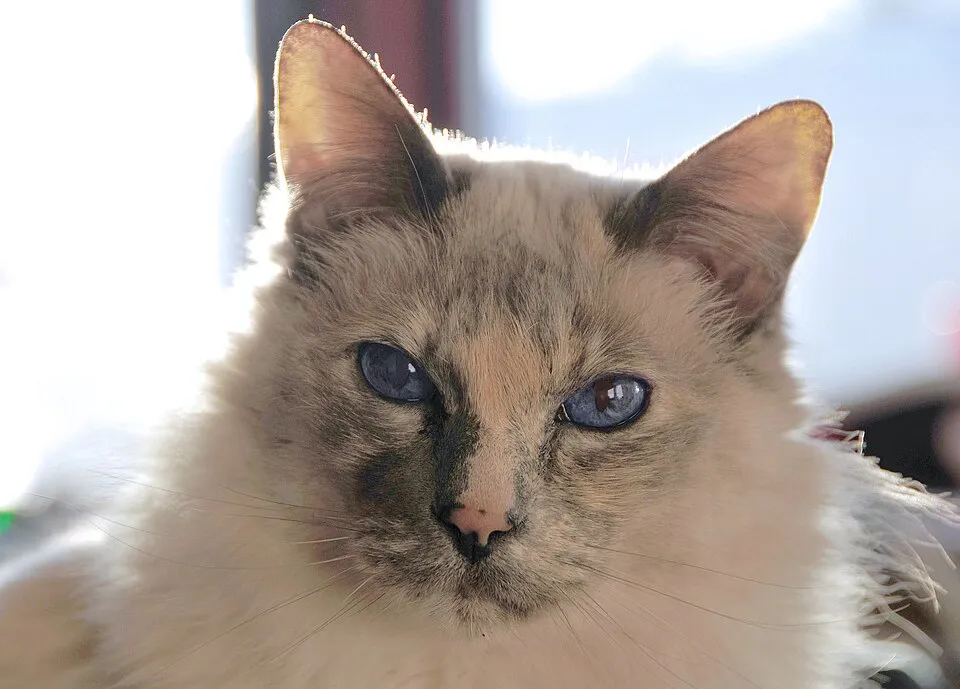
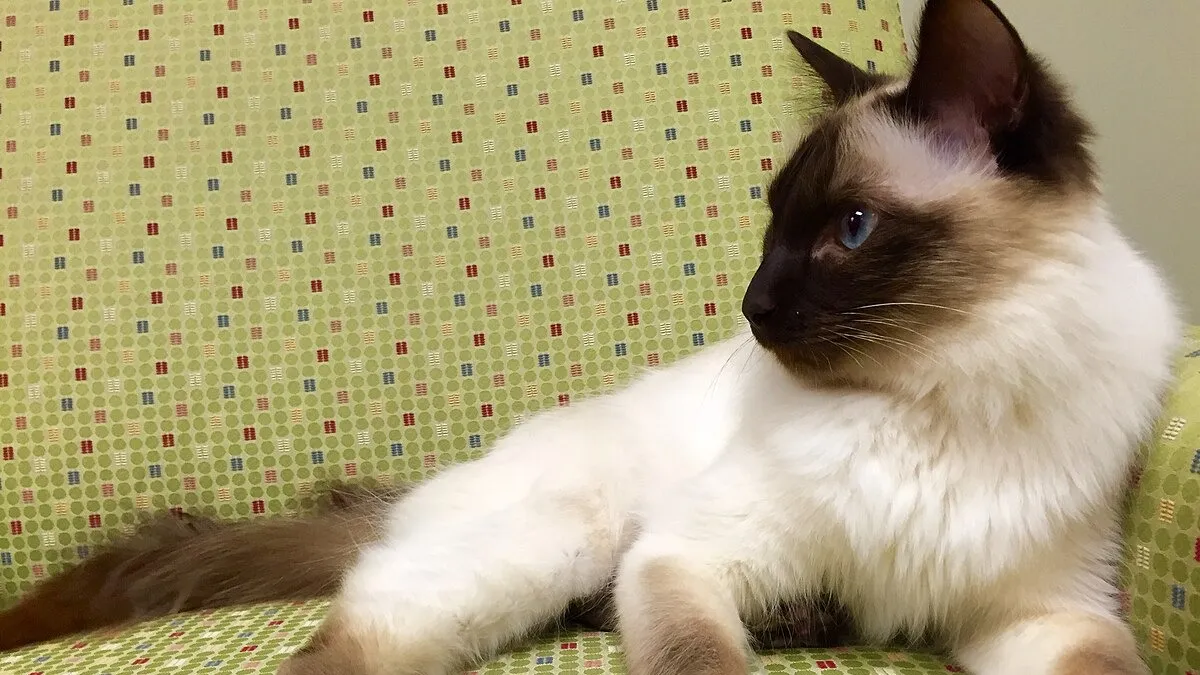
Balinese cats, a longhaired Siamese cat breed, are known for their gorgeous blue eyes and smooth fur. However, the species has long been a favorite family pet due to its playful nature and remarkable capacity to lift their owners' spirits when they're feeling low.
Characteristics
Temperament with Kids
Aggressive
Friendly
Playfulness
Silent
Very Playful
Friendliness
Not Friendly
Super Friendly
Shedding amount
Negligible
Frequent
Compatibility with other cats
Not Friendly
Super Friendly
Prey Drive
Low
High
Need for attention
Independent
Very Needy
Monthly Expenses


Cost of Buying a Balinese Cat
Cost of buying
₹ 20,000 - ₹ 50,000
If you are considering adding a Balinese Cat to your family, there are two ways: buying and adopting.
Final To-Dos Before Welcoming a Balinese Cat into Your Home
- Adopt: Consider adopting a Balinese Cat from a local rescue or shelter. This is a compassionate way of ensuring that you provide a loving home to a pet in need.
- Medical Check: Ensure that the cat has all of its vaccinations and health records (if buying) or ask about the pet's health history and vaccination status before adopting.
- Compatibility: Spend some time with the pet to understand its individual temperament and ensure that it aligns with the lifestyle of your home.
- Get Ready: The last and most important step is to stock up on essential supplies like litter, cat food, and a cat bed to provide a safe and comfortable space for your new family member.
Balinese Cat: Nutritional Overview
Monthly Food Expenses
₹ 1,500 - ₹ 2,000
Calories per day
Kittens: 250 kcal
Adults: 200 kcal
Essential Nutrients
Protein
Fats
Carbohydrates
Vitamins
Minerals
Fiber
List of foods
Dry kibble
Wet canned food
Chicken (cooked or raw)
Salmon
Cottage cheese
Eggs (cooked)
Sweet potatoes (cooked)
- Balinese cats are high in energy and require 2-3 small meals spread throughout the day.
- Adjust portion sizes based on their activity levels, age, and metabolism.
- Provide a diet rich in protein, amino acids, healthy fats, and vitamins and minerals.
- They thrive on routine and will thus benefit from a feeding schedule.
- PetMD recommends giving them feeding puzzles and snuffle mats to keep them occupied and provide them with stimulation during mealtime.
- Treats are a great way to show your Balinese cat love and appreciation. But, treats should be less than 10% of their daily caloric intake.
- When in doubt, ensure that their diet aligns with AAFCO guidelines
Breakdown of Macro-nutrients
Balinese Cat Diet Recommendations
- Protein - Protein helps them in building and maintaining muscle. Recommended sources are chicken, turkey, and fish.
- Wet Food - Wet food has more moisture and provides cats with hydration.
- Dry Food - It is easily available, and the crunchy texture aids in dental health by removing plaque and tartar from their teeth. However, it is dense in calories compared to wet food.
- Fatty Acids - Omega 3 and Omega 6 are vital for good skin and fur health.
- Measure - Accurately measuring your cat's food is also essential. To be sure you're not giving your cat too much or too little food, use a kitchen scale or measuring cup.
Unsafe Foods for Your Balinese Cat
Avoid anything with these ingredients
Onions and Garlic
Caffeine
Alcohol
Dairy (in some cases)
Raw Eggs
Bones
Grapes and Raisins
- While feeding your Balinese cat, stay away from foods that are toxic to pets like chocolate, raisins, grapes, etc.
- As per Four Paws, they should not be fed raw meat and egg, as they carry a risk of salmonella.


Health
Avg Monthly Expenses
₹ 500 - ₹ 700
Common Health Issues
Dental Problems
Obesity
Hyperthyroidism
Gastrointestinal Issues
Kidney Disease
Skin Allergies
Hairballs
Feline Immunodeficiency Virus (FIV)
Activities
Play with Toys
Climbing
Scratching
Napping
Social Interaction
Energy Level
Medium
Exercise routine
- - - -
Recognising Stress
Hiding
Increased vocalization
Decreased appetite
Changes in litter box behavior
Overgrooming
Medical Care
Balinese cats need careful medical attention to solve certain issues. Dental problems, obesity, and stress-related issues are notable considerations. Preventing dental problems requires regular dental care and veterinarian checkups. It's vital to keep a balanced diet in order to prevent obesity. Interactive play sessions & socialization reduces stress. Balinese cats typically have medium to high energy levels, thus they need 30 to 60 minutes of play time daily
Vaccination details
Growth Stage
Core Vaccines
6-8 Weeks
Feline Panleukopenia (FPV)
10-12
Feline Viral Rhinotracheitis (FVR)
14-16
Feline Calicivirus (FCV)
18-20
Rabies
Complete Grooming Guide for Balinese Cats
Avg Monthly Expenses
₹ 800 - ₹ 1,500
Shedding Level
Low Shedding
Hygienic Checklist
Feeding
Litter Box
Hydration
Play and Exercise
Grooming (for some breeds)
Benefits of Grooming
Cleanliness
Low Shedding
Odourless
Prevents infections
Prevents Bad Breath
- Skin: Balinese cats don't require frequent baths. Consult your veterinarian, though, if your cat is itching or if their skin is red or irritated.
- Even if your cat solely lives indoors, PetMD recommends keeping them up to date on flea preventatives throughout the year to prevent parasites from irritating their skin and creating other problems.
- Coat: The silky coat of a Balinese does not mat or tangle easily. Brushing them weekly is enough to keep their coat healthy.
- Ears: Although Balinese cats don't need specific ear care, it's always a good idea to check their ears frequently for dirt, redness, or odor. If these symptoms persist, take your cat to the veterinarian, as it could be a sign of an ear infection.


Compare with similar breeds


Frequently Asked Questions
How to differentiate between a Balinese and a Siamese cat?
The main difference between the two cat breeds is the length of the coat and the shape of the tail. The Balinese has a longer coat and a tail with a full plume.
Are Balinese Cats hypoallergenic?
As per PetMD, no cat breed is hypoallergenic. But the Balinese sheds less than other breeds.
Are Balinese good pets for a family?
Yes, their gentle and playful nature makes them a great fit for families.