Home
/
Cat Breeds
/
Abyssinian
Abyssinian
Origin
Ethiopia
Size
Medium Breed
Ideal Space
Apartment
Ideal Weather
18º-30ºC
Life Expectancy
12-15 years
Cost of buying
₹ 15,000 - ₹ 50,000
Top 5 Traits
Playful
Curious
Friendly
Independent
Affectionate
Avg Monthly Expenses
₹ 2,800 - ₹ 4,200

by Happy Pet TeamUpdated on 18 Jun 2025
Introduction to the Abyssinian
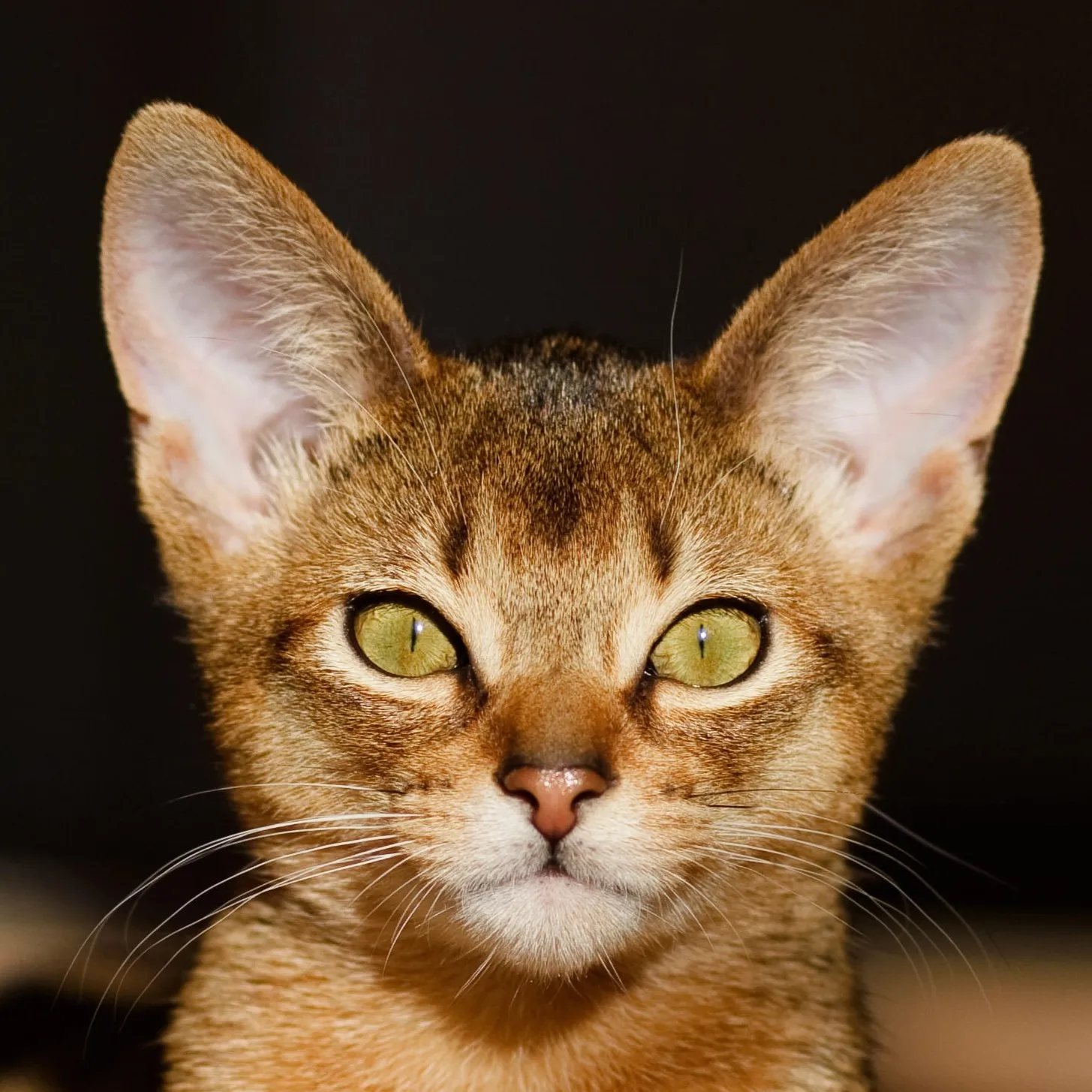
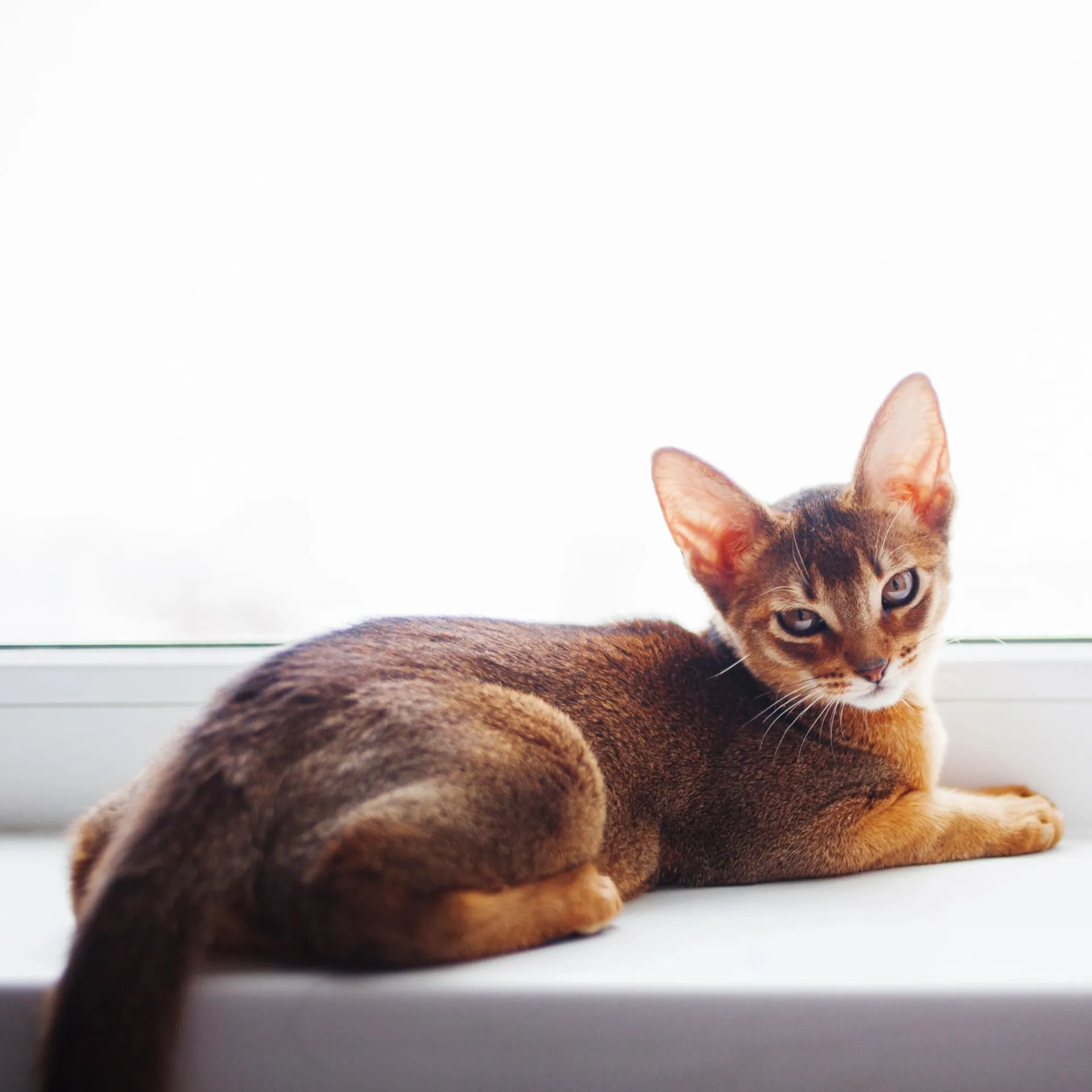
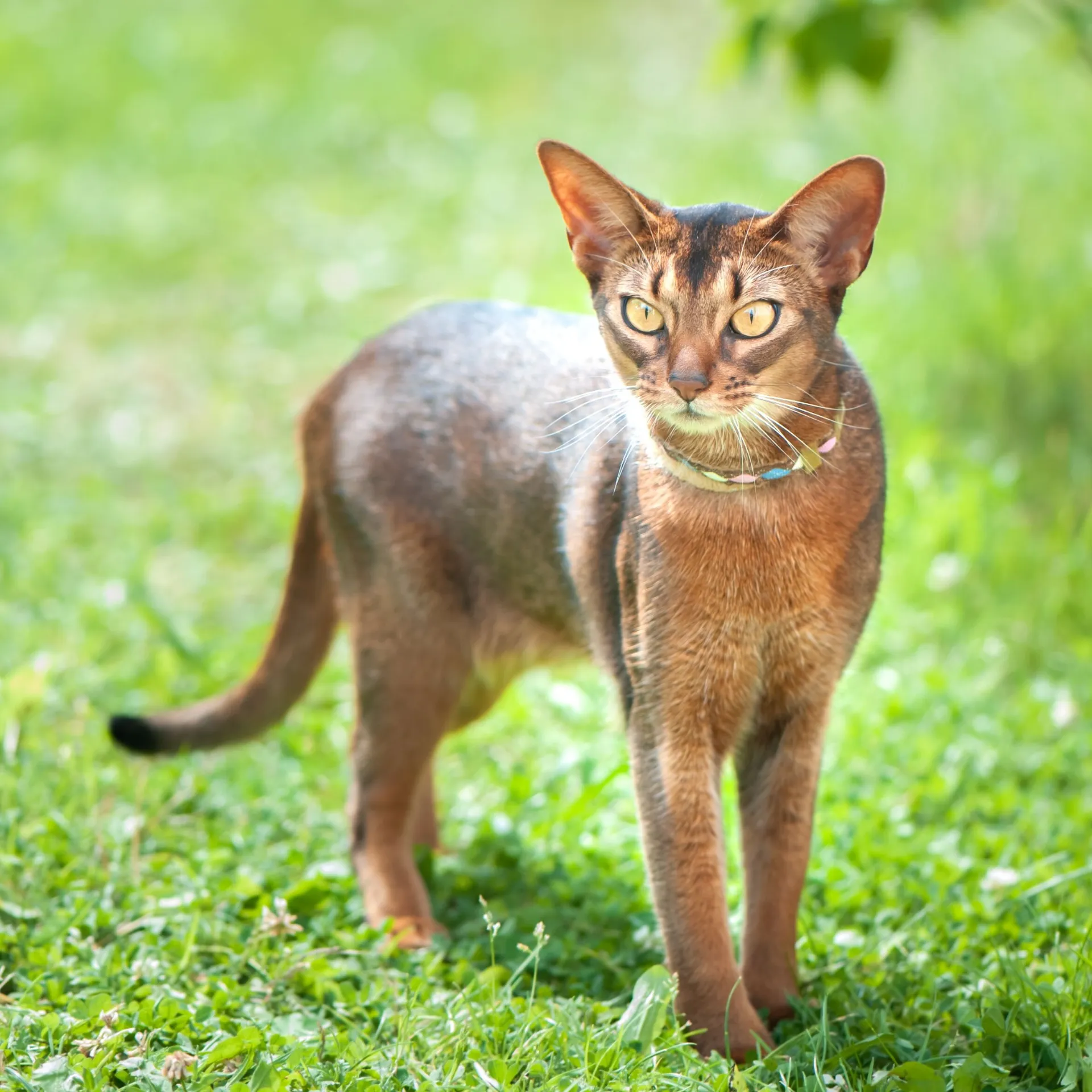
The Abyssinian cat is one of the oldest and exotic looking domestic cats in the world. This breed is known to have sprung from the Indian Ocean and Southeast Asia with wildcat like appearance and energetic spirit.
The modern Abyssinian, despite its name, is not of Abyssinian origin; it was bred in England and refined in the late 1800s. They are also often admired for their resemblance to a cat found in ancient Egyptian art and the ticked coat that shimmers in the light.
Abyssinians are social, highly active and very intelligent and always looking for interactive play time. People who like an energetic and engaging companion will find them perfect.
How Long Do Abyssinians Live?
Abyssinians live anywhere between 12 to 15 years, depending on proper care and a healthy lifestyle.
Abyssinian Temperament and Personality
- Abyssinians are very outgoing, lively and very adventurous.
- At times, they are curious climbers and love to explore high places.
- They are not lap cats, but they like being close to their people.
- Their dog-like loyalty makes them a warm and interesting companion.
Characteristics
Temperament with Kids
Aggressive
Friendly
Playfulness
Silent
Very Playful
Friendliness
Not Friendly
Super Friendly
Shedding amount
Negligible
Frequent
Compatibility with other cats
Not Friendly
Super Friendly
Prey Drive
Low
High
Need for attention
Independent
Very Needy
Monthly Expenses


Abyssinian’s Lifespan and Price
Cost of buying
₹ 15,000 - ₹ 50,000
The price for an Abyssinian kitten in India will vary from ₹ 15,000 - ₹ 50,000 based on the breeder, location and pedigree. It's lifespan as anything between 9-15 years.
Abyssinian Exercise Needs
Abyssinians are among the most active domestic cat breeds and need daily stimulation.
- Interactive toys – Wand toys, laser pointers, and puzzle feeders
- Cat trees and climbing posts – They love vertical exploration
- Short daily play sessions – Helps burn off energy and prevents boredom
- Window perches – Provide mental enrichment through bird-watching
Without activity, they may become bored or anxious.
Shop or Adopt an Abyssinian: Make the Right Choice!
Responsible shopping will make sure that ethical breeding is taking place while adopting an Abyssinian will give a loving home to a cat that needs it. Pick based on your ability to keep up with their gentle temperament, grooming needs, and lifespan.
Best Practices for Shopping or Adopting an Abyssinian
- Select a good breeder or adoption centre.
- Get health screenings for heart disease and dental problems.
- Observe temperament and socialization levels.
- Vaccination, deworming and medical history should be checked.
- Offer a quiet, reasonably comfortable indoor environment.
- Prevent obesity by maintaining a balanced diet.
- They need to be groomed regularly to manage their dense coat.
- Always ensure you keep routine vet visits as a commitment to lifelong care.
Nutrition Care for the Abyssinian
Monthly Food Expenses
₹ 1,500 - ₹ 2,000
Calories per day
Kittens: 300 kcal
Adults: 350 kcal
Essential Nutrients
Protein
Fats
Carbohydrates
Vitamins
Minerals
Amino Acids (Taurine, Arginine, etc.)
Essential Fatty Acids
Fiber
List of foods
Dry kibble
Chicken (cooked or raw)
Lamb
Salmon
Sardines (in moderation)
Sweet potatoes (cooked)
- They require high-quality protein for the maintenance of muscle.
- Healthy fats support energy levels and a shiny coat.
- Immunity and joint health are strengthened with the help of essential nutrients.
- Taurine is important for heart and vision health.
- Wet food helps in hydration and urinary tract health.
- It is best to avoid low-quality foods to prevent obesity and digestive problems.
- A balanced diet of wet food, lean meats and supplements are vital for overall well-being.
Feeding Guidelines for Abyssinians
Kittens (Up to 12 Months)
Feed 4–5 small meals a day. Select food containing protein and calories specifically for kittens only.
Adults (1–7 Years)
Offer two meals daily. To support their active lifestyle without over feeding, portion control is necessary.
Seniors (7+ Years)
Offer senior cat food that's easy to digest with fewer calories but enough protein to maintain muscle mass. Glucosamine and other such joint supporting nutrients are beneficial.
Breakdown of Macro-nutrients
Best Foods for Abyssinians
Top quality foods help keep the Abyssinian’s lean body and glossy coat.
- Hill’s Science Diet Adult Cat Food – Well-balanced for muscle support. It also contains antioxidants to maintain a healthy immune system.
- Royal Canin Breed Nutrition – Tailored nutrients for active breeds. Created to suit your body type, energy needs, and coat care.
- Grain-free formulas – For cats with sensitivities or allergies. They cut down the risk of upset stomachs and skin irritation.
- Foods enriched with omega-3 and 6 – It helps to keep skin moisturised and coat shiny. In addition, they reduce inflammation and support heart and joint function.
- Mixing wet and dry food offers variety and hydration. It aids picky eaters and aids urinary tract health.
Foods to Avoid for Abyssinians
Avoid anything with these ingredients
Onions and Garlic
Caffeine
Bones
Raw Eggs
Grapes and Raisins
Xylitol
Artificial Sweeteners
To keep your Abyssinian healthy, you should avoid:

- Raw fish – It can lead to thiamine deficiency and neurological problems. Plus, it can also contain parasites that are harmful to cats.
- Onions and garlic – It is poisonous and can harm red blood cells. It can lead to anemia or gastrointestinal upset, even with small amounts.
- Dairy products – Most cats are lactose intolerant. Milk or cheese can also cause bloating, gas and diarrhea.
- Low-quality fillers – Sensitivities can be triggered by grains like corn or wheat. They have no nutritional value and can cause skin or digestive problems.
- Artificial additives – May irritate stomach and dull coat. Support long term health with the use of natural, preservative free foods.

Healthcare for the Abyssinian
Avg Monthly Expenses
₹ 500 - ₹ 700
Common Health Issues
Dental Problems
Obesity
Diabetes
Kidney Disease
Hyperthyroidism
Fleas and Ticks
Hairballs
Upper Respiratory Infections
Activities
Play with Toys
Chasing Objects
Exploring
Climbing
Scratching
Energy Level
Medium
Exercise routine
30 - 45 minutes
Recognising Stress
Hiding
Increased vocalization
Decreased appetite
Overgrooming
Changes in litter box behavior
Common Health Problems of Abyssinians
Abyssinians are generally healthy pets with some breed specific risks.
- Periodontal disease – Regular dental care is essential. Brushing and dental treats will help to prevent plaque and gum infection.
- Renal amyloidosis – A genetic disorder that can affect the kidneys. Blood and urine tests are an effective way to detect early signs.
- Progressive Retinal Atrophy (PRA) – Blindness due to genetic eye disease. It cannot be cured, but symptoms may be managed with regular eye exams.
General Healthcare Tips for Abyssinians
- Annual vet check-ups – Essential for early disease detection. Kidney, eye, and heart related issues can be caught during routine screening before things progress.
- Regular dental hygiene – Offer dental chews or cat safe toothpaste. Good oral care helps to avoid periodontic disease.
- Stay active – Playing daily helps keep weight and mobility. Mental stimulation and emotional well being are also supported by interactive toys.
- Vaccinations and deworming – Keep their immune system protected. Prevention helps prevent parasitic and infectious diseases.
Senior Abyssinian Cat Care
While Abyssinians have less energy as they mature, they still crave attention and engagement.
- Provide joint supplements – Glucosamine and chondroitin help with arthritis. They reduce stiffness but also support mobility in aging cats.
- Soft bedding – Joint health is supported by comfortable sleeping spots. Orthopedic beds can reduce pressure and ensure the overall rest quality.
- Twice-yearly vet visits – To check on kidney and eye health. Early detection helps avoid late treatment and helps in the better management of chronic problems.
- Easy-access litter box and bowls – For comfort and mobility. Raised feeders and low-sided boxes help to reduce the strain on joints.
Vaccination details
Growth Stage
Core Vaccines
8 Weeks
Feline Herpesvirus, Calicivirus, Panleukopenia
12 Weeks
Feline Herpesvirus, Calicivirus, Panleukopenia
16 Weeks
Rabies
1 Year
Feline Herpesvirus, Calicivirus, Panleukopenia, Rabies
2 Years
Booster shots for core vaccinations as recommended by the vet
Abyssinian Grooming Routine
Avg Monthly Expenses
₹ 800 - ₹ 1,500
Shedding Level
Low Shedding
Hygienic Checklist
Litter Box
Nail Trimming
Fur trimming
Ear cleaning
Teeth care
Eye care
Benefits of Grooming
Cleanliness
Low Shedding
Odourless
Prevents Bad Breath
Prevents infections
Despite their sleek coat, Abyssinians still benefit from consistent grooming.

- Brushing – Once a week to keep the coat healthy and shiny
- Bathing – Rarely needed, only when necessary
- Nail trimming – Every 2–3 weeks
- Ear cleaning – Use a soft, damp cloth or vet-approved solution weekly
- Teeth brushing – 2–3 times a week to prevent dental issues
Similar Breeds to the Abyssinian


Written by
Happy Pet TeamAuthor
Team Happy Pet is a passionate collective of pet experts, enthusiasts, and advocates dedicated to sharing trusted and insightful content.
Our cont
Compare with similar breeds
Frequently Asked Questions
Are Abyssinians good with children?
Yes, they are playful and social, but they want homes that suit their active lifestyle.
Do Abyssinians require special care?
They aren’t overly needy, but they do require regular vet care and lots of mental and physical stimulation.
Do Abyssinians shed a lot?
No, their shedding is minimal. Their coat is kept in good shape through weekly brushing.
Are Abyssinians lap cats?
Not usually. They are affectionate but would rather be on the move than tucked in for the night.