Home
/
Cat Breeds
/
Scottish fold
Scottish fold
Origin
Scotland
Size
Medium Breed
Ideal Space
Apartment
Ideal Weather
18º-24ºC
Life Expectancy
11-15 years
Cost of buying
₹ 70,000 - ₹ 2,00,000
Top 5 Traits
Playful
Energetic
Curious
Affectionate
Friendly
Avg Monthly Expenses
₹ 2,800 - ₹ 4,200

by Happy Pet TeamUpdated on 3 Sept 2025
Learn All About The Scottish Fold Cat Breed
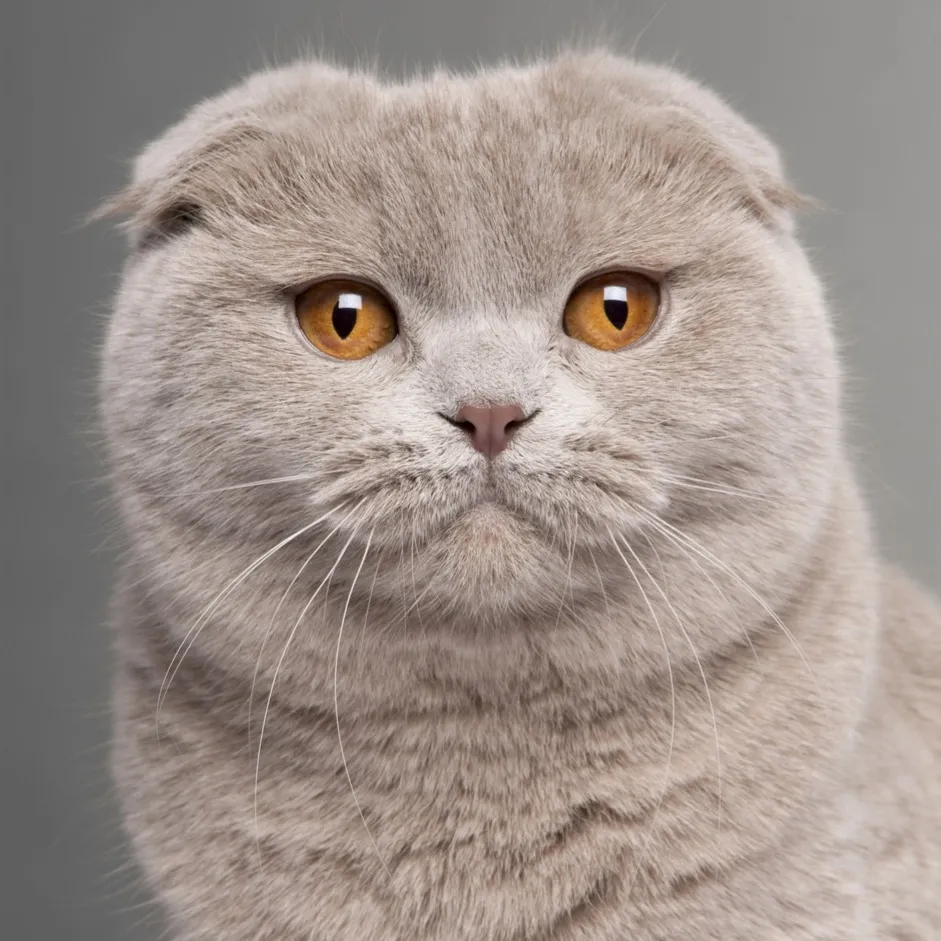
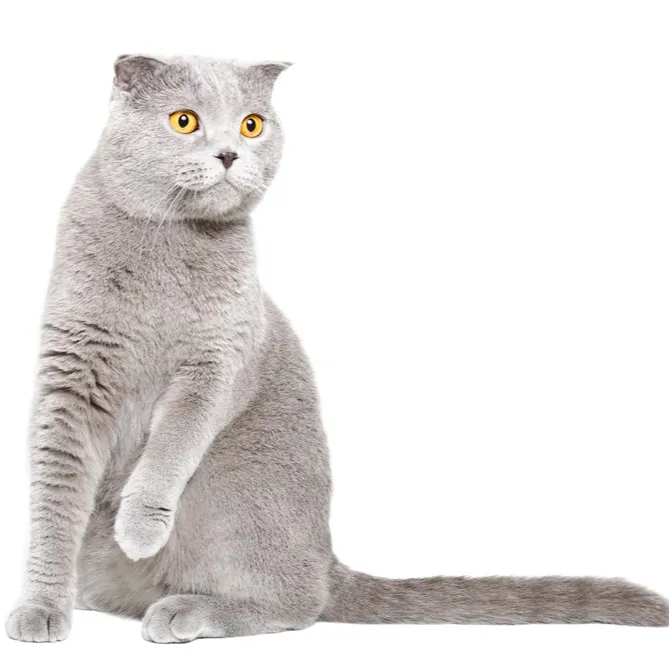
The Scottish Fold is a medium-sized cat best known for its folded ears, caused by a natural genetic mutation. The first Fold, a white barn cat named Susie, was discovered in Scotland in 1961, according to the Cat Fanciers’ Association (CFA). Her kittens carried the same trait, and the breed soon developed. The ears fold forward in one to three folds, giving the cat its signature “owl-like” look.
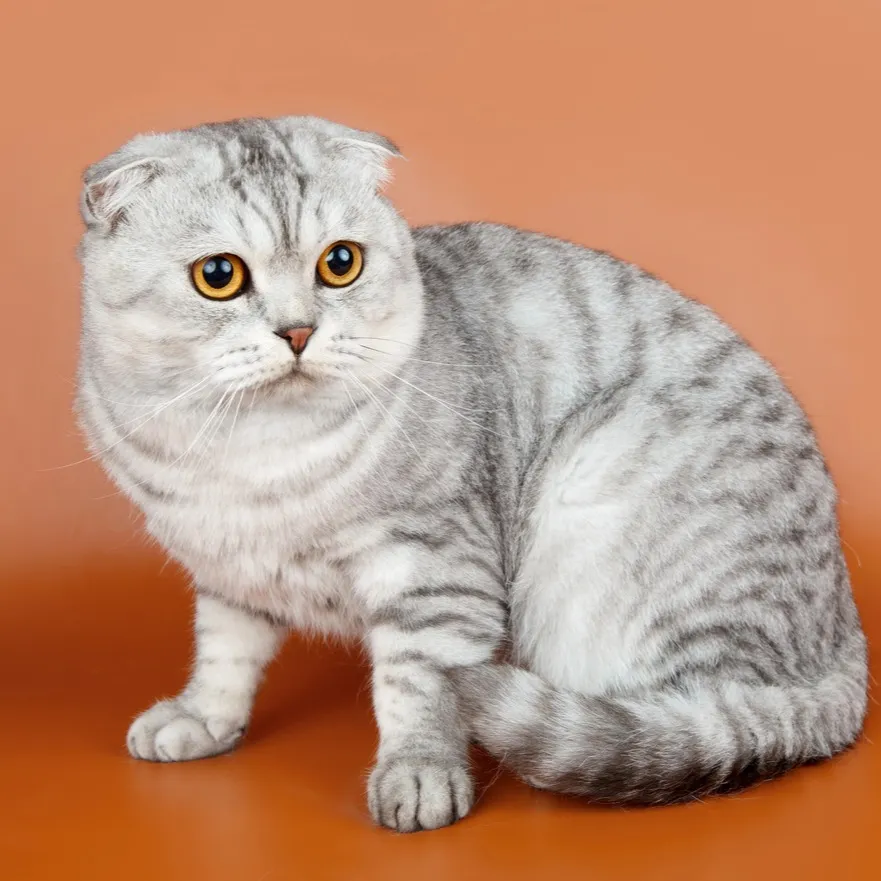
As the International Cat Association (TICA) notes, the breed gained recognition in the 1970s and quickly became popular worldwide. Rounded bodies, large round eyes, and sweet expressions make them especially appealing. They come in both shorthaired and longhaired coats (the Highland Fold), with colors and patterns of nearly every type, as Purina highlights.
Temperament and Personality
Scottish Folds are affectionate, calm, and people-oriented. They bond closely with families and love being part of daily routines. According to The Spruce Pets, they are playful but not demanding, adapting well to most homes.
These cats enjoy puzzle toys, feather wands, and even clicker training, notes Wisdom Panel. They are friendly with children and other pets if handled gently. Though laid-back, they need daily play and enrichment to stay happy.
Exercise and Enrichment
The Scottish Fold is playful yet laid-back, thriving on both activity and companionship.
- Playtime: Needs at least 15 minutes of daily play, ideally with feather wands or balls, to stay active.
- Climbing: Enjoys cat trees and window perches for observing surroundings.
- Training: Intelligent and responsive; PetMD notes they can be clicker-trained and even taught simple tricks.
- Enrichment: Puzzle toys, rotating play items, and scratching posts keep them engaged and prevent boredom.
Characteristics
Temperament with Kids
Aggressive
Friendly
Playfulness
Silent
Very Playful
Friendliness
Not Friendly
Super Friendly
Shedding amount
Negligible
Frequent
Compatibility with other cats
Not Friendly
Super Friendly
Prey Drive
Low
High
Need for attention
Independent
Very Needy
Monthly Expenses


Lifespan & Price of the Scottish Fold in India
Cost of buying
₹ 70,000 - ₹ 2,00,000
Lifespan: Scottish Folds generally live 11–15 years, though some reach their late teens with proper care.
Price: In India, Scottish Folds typically cost ₹70,000–₹2,00,000, depending on pedigree, coat length, and breeder reputation.
Similar Breeds to the Scottish Fold
Buying or Adopting a Scottish Fold
When buying or adopting a Scottish Fold, choose a responsible breeder who provides health certificates, especially for cartilage-related issues. Adoption should always be considered first, though rare in India, some may be found through breed-specific rescues or shelters. Early socialization with people, sounds, and gentle handling helps kittens grow into well-adjusted cats. At home, provide scratching posts, climbing shelves, and cozy resting spots. With a balanced diet, regular vet visits, and daily playtime, your Fold will stay affectionate, healthy, and happy.
Nutrition Care for the Scottish Fold Cat
Monthly Food Expenses
₹ 1,500 - ₹ 2,000
Calories per day
Kittens: 250 kcal
Adults: 300 kcal
Essential Nutrients
Protein
Fats
Carbohydrates
Vitamins
Minerals
Fiber
List of foods
Dry kibble
Wet canned food
Chicken (cooked or raw)
Turkey
Salmon
Mackerel
Eggs (cooked)
The Scottish Fold is a round-faced, gentle cat known for its signature folded ears and affectionate temperament. While the breed doesn’t have unusual nutritional requirements, its tendency toward joint issues and cartilage sensitivity makes a balanced, nutrient-rich diet essential. Proper feeding helps maintain muscle tone, joint mobility, and long-term health.
High-Quality Animal Protein
Protein should be the core of the Scottish Fold’s diet. Animal-based proteins—like chicken, turkey, rabbit, and fish—supply essential amino acids such as taurine, which supports vision, heart health, and reproduction. According to the Cornell Feline Health Center, cats cannot produce taurine naturally, making meat-based diets critical. A mix of wet and dry food helps with hydration and muscle maintenance while keeping the Fold active and lean.
Healthy Fats and Omega Fatty Acids
Healthy fats provide concentrated energy for this moderately active breed. Omega-3 and omega-6 fatty acids, found in salmon oil, sardines, mackerel, and flaxseed, keep the Scottish Fold’s plush coat soft while supporting joint and cartilage health. The American Animal Hospital Association highlights the importance of fatty acids in feline diets, particularly for breeds prone to arthritis or cartilage weakness.
Vitamins and Minerals
Scottish Folds need a balance of vitamins and minerals to protect bone strength, immune defense, and nervous system function. Vitamins A, D, E, and B-complex, along with minerals like calcium, phosphorus, and magnesium, are key. As PetMD notes, deficiencies can weaken bones and immunity, making complete and balanced commercial cat foods or carefully formulated homemade diets a necessity.
Low-Carbohydrate Diets
Like all cats, Scottish Folds thrive on protein-rich, low-carb diets. High-carb fillers such as corn, soy, or wheat offer little nutritional value and may cause obesity or digestive upset. The American Association of Feline Practitioners (AAFP) recommends low-starch diets to support metabolism and prevent weight gain—important for Folds, who can be less active compared to other breeds.
Feeding Guidelines
Kittens (8–16 Weeks):
Scottish Fold kittens grow quickly and need 35–40% protein from a kitten-specific formula, split into 3–4 meals daily. The AVMA suggests multiple small meals to aid nutrient absorption and healthy bone growth.
Adults:
Adult Folds do best on diets with at least 30% protein, fed twice daily. Incorporating wet food alongside kibble boosts hydration, while lean meats like chicken or turkey can be offered as treats. The National Research Council recommends at least 30% of calories come from protein to maintain muscle health.
Seniors:
Older Scottish Folds often slow down, needing lower-calorie, easily digestible food to prevent weight gain. Senior diets enriched with glucosamine and chondroitin support joint health, while kidney-friendly formulas help aging cats. The AAHA stresses the role of tailored senior diets in managing arthritis, kidney health, and metabolism.
Hydration
Scottish Folds, like many cats, don’t naturally drink enough water. International Cat Care explains that cats rely heavily on food moisture for hydration, making wet food vital. Feeding at least one wet meal a day supports urinary tract and kidney health. The Pet Nutrition Alliance also recommends water fountains to encourage drinking and prevent bladder issues.
Breakdown of Macro-nutrients
Selecting Good Quality Food for the Scottish Fold
Scottish Folds need diets centered on real meat—like chicken, salmon, or rabbit—as the first ingredient. Animal proteins supply taurine, which is essential for vision and heart health. Cornell Feline Health Center notes taurine deficiency can lead to heart and eye problems, making meat-based foods vital.
Avoid Fillers and Artificial Additives
This breed can gain weight easily, stressing their joints. Foods with fillers like corn, soy, or wheat add empty calories without nutrition. PetMD advises avoiding artificial preservatives such as BHA, BHT, and ethoxyquin, which can cause long-term digestive or allergy issues.
Coat and Skin Health Nutrients
The Scottish Fold has a dense, soft coat that benefits from nutrients like:
- Omega-3 & 6 fatty acids – for skin elasticity and coat shine
- Vitamin E & Biotin – to reduce shedding and dryness
- Zinc & Copper – to maintain pigment and strengthen hair follicles
International Cat Care emphasizes the need for these nutrients in thick-coated breeds to prevent hidden skin irritation.
Importance of Wet Food
Wet food mimics a cat’s natural prey diet (70–80% water). For Scottish Folds, it helps prevent urinary crystals and kidney strain. The AAFP recommends at least one wet meal daily to ensure hydration, especially for indoor cats.
Dry Food and Variety in Diet
Dry food can be included but should be high in protein (30–35%) and grain-free. Rotating brands prevents nutrient gaps and food boredom. For joint support, look for formulas enriched with glucosamine and chondroitin. Freeze-dried raw toppers can also be added, though the AVMA warns raw diets should be handled with care due to bacterial risks.
Never feed these foods to Scottish fold
Avoid anything with these ingredients
Onions and Garlic
Caffeine
Chocolate
Alcohol
Grapes and Raisins
Xylitol
Dairy (in some cases)
Certain foods can be harmful, especially since Folds are curious eaters:

- Toxic: onions, garlic, grapes, raisins, chocolate, caffeine, alcohol
- Raw fish: contains thiaminase, which destroys Vitamin B1
- Bones: cooked bones can splinter and injure the gut
- Dairy: many Folds are lactose intolerant, leading to digestive upset
The ASPCA stresses that even small amounts of these foods can be dangerous. Keeping toxic items out of reach is essential for this affectionate breed.

Health
Avg Monthly Expenses
₹ 500 - ₹ 700
Common Health Issues
Dental Problems
Obesity
Heartworm Disease
Gastrointestinal Issues
Urinary Tract Infections (UTI)
Skin Allergies
Hypertrophic Cardiomyopathy (HCM)
Polycystic Kidney Disease
Activities
Play with Toys
Chasing Objects
Exploring
Hunting Games
Climbing
Social Interaction
Energy Level
Medium
Exercise routine
30 - 60 minutes
Recognising Stress
Hiding
Changes in litter box behavior
Changes in appetite
Overgrooming
Lethargy
Changes in vocalization patterns
Medical Care
Scottish Folds need attentive veterinary care due to their unique folded ear structure and genetic predispositions. Annual exams should cover weight, heart, joints, and ear health. As they age, biannual checkups help catch arthritis, kidney disease, or thyroid issues early, according to Cornell Feline Health Center.
Vaccinations remain vital. Core vaccines—panleukopenia, calicivirus, rhinotracheitis, and rabies—are essential for all cats. Depending on lifestyle, vets may suggest the FeLV vaccine, notes the American Veterinary Medical Association.
Parasite prevention is crucial. Year-round protection against fleas, ticks, and worms prevents discomfort and long-term illness, advises PetMD.
Ear and dental care deserve special focus. Their folded ears trap wax and debris, raising infection risks. Routine cleaning and vet checks are a must. Like most cats, Folds are prone to periodontal disease, so brushing with cat-safe toothpaste and professional cleanings every 6–12 months are recommended by VCA Animal Hospitals.
Common Health Concerns
Scottish Folds often face breed-specific health risks tied to the cartilage mutation that causes folded ears:
- Osteochondrodysplasia: A painful bone and cartilage disorder affecting joints, common in all Folds, explains International Cat Care. This can lead to stiffness, lameness, and arthritis at an early age.
- Arthritis: Even without severe deformities, many develop degenerative joint disease.
- Ear Infections: Their folded ears make them more prone to chronic wax buildup and infection.
- Obesity: Indoor lifestyles make weight management essential, since excess pounds strain already sensitive joints.
- Dental Disease: Gingivitis and periodontal problems appear if oral care is neglected.
Early monitoring helps manage these issues and improves quality of life.
General Healthcare Tips
Caring for a Scottish Fold requires proactive, tailored care:
- Grooming: Weekly brushing keeps their dense coat clean and reduces shedding.
- Ear Care: Regular checks and gentle cleaning help prevent infections.
- Play & Exercise: Moderate activity maintains joint mobility and prevents weight gain.
- Parasite Control & Vaccination: Maintain updated vaccines and year-round protection.
- Adoption Note: CFA advises avoiding breeders who mate two folded-ear cats, as this worsens genetic joint issues.
Senior Scottish Fold Care
Older Folds need more specialized support:
- Vet Visits: Biannual exams with bloodwork and mobility checks are key for early detection of arthritis and organ disease, per ASPCA Pet Health Insurance.
- Diet: Senior diets with lean protein and omega-3s support joint and heart health. Weight control is critical.
- Mobility Aids: Ramps, low-entry litter boxes, and orthopedic bedding reduce strain on stiff joints.
- Hydration: Wet food and fountains help prevent urinary and kidney issues.
- Warmth: Thin-coated seniors may need heated or draft-free spots for comfort.
With preventive care and joint support, many Scottish Folds remain affectionate companions well into old age.
Vaccination details
Growth Stage
Core Vaccines
8-10 Weeks
FVRCP
12-14 Weeks
FVRCP
16-18 Weeks
FVRCP, Rabbies
Grooming
Avg Monthly Expenses
₹ 800 - ₹ 1,500
Shedding Level
Low Shedding
Hygienic Checklist
Feeding
Litter Box
Grooming (for some breeds)
Hydration
Play and Exercise
Benefits of Grooming
Cleanliness
Low Shedding
Odourless
Prevents Bad Breath
Quality of life
The Scottish Fold’s plush coat—short or long (Highland Fold)—needs regular upkeep to stay clean and comfortable. Grooming should cover coat, ears, nails, teeth, and overall hygiene.

Brushing:
- Short-haired: Brush once weekly with a soft-bristle brush to remove loose hair and distribute oils.
- Long-haired (Highland Fold): Brush 2–3 times weekly, focusing on belly, ruff, and legs where mats form. A wide-tooth comb plus slicker brush works best.
- As Petfinder notes, regular brushing also reduces hairballs and shedding.
Bathing:
Baths are seldom needed. Use a mild, cat-safe shampoo only when necessary. Too-frequent bathing strips natural oils.
Ear Care:
Because of their folded ears, weekly checks are vital. Look for wax or debris, and clean gently with a vet-approved solution. The Spruce Pets highlights that folds can trap moisture, so extra care prevents infections.
Nail Trimming:
Trim nails every 2–3 weeks. Scratching posts or pads help maintain claws naturally.
Dental Care:
Brush teeth several times a week with feline toothpaste. Professional cleanings once or twice yearly are recommended by VCA Animal Hospitals to prevent gum disease.
Eye Care:
Wipe minor discharge with a soft, damp cloth—use a fresh one for each eye.
Seasonal Grooming:
Expect heavier shedding in spring and fall. Brush more often during these periods and use a deshedding tool to manage the undercoat.
Overall Grooming Tips:
- Start grooming early to build trust.
- Always check skin, coat, and especially ears for redness or parasites.
- Keep sessions short and gentle, especially with folds, to avoid ear stress.


Written by
Happy Pet TeamAuthor
Team Happy Pet is a passionate collective of pet experts, enthusiasts, and advocates dedicated to sharing trusted and insightful content.
Our cont
Compare with similar breeds
Frequently Asked Questions
Do Scottish Folds require special care?
While Scottish Folds do not require any special care beyond what is typical for most cats, owners should pay extra attention to their ear hygiene due to their folded ear structure. Regular ear cleaning and monitoring for any signs of discomfort or infection are essential. For their general wellbeing, it's also critical to provide a balanced food, frequent veterinary checks, and mental and physical stimulation through play and exercise.
Do Scottish Folds shed a lot?
Scottish Folds have a moderate shedding level. While they do shed, regular grooming can help minimize loose hair and reduce the risk of matting, especially for long-haired Scottish Folds. Regular brushing will assist maintain the health of their coat and minimize the amount of hair that ends up in the house.
Are Scottish Folds suitable for families?
Yes, Scottish Folds are generally well-suited for families. They are affectionate and sociable cats that often form strong bonds with their human family members. However, it's important for families to understand and respect their cat's need for personal space and quiet time, as with any pet.