Home
/
Cat Breeds
/
American Curl
American Curl
Origin
United States
Size
Medium Breed
Ideal Space
Apartment
Ideal Weather
18º-24ºC
Life Expectancy
12-16 years
Cost of buying
₹ 75,000 - ₹ 2,00,000
Top 5 Traits
Playful
Curious
Friendly
Affectionate
Gentle
Avg Monthly Expenses
₹ 2,800 - ₹ 4,200

by Happy Pet TeamUpdated on 16 Aug 2025
American Curl Cats: The Unique Breed with Curled Ears
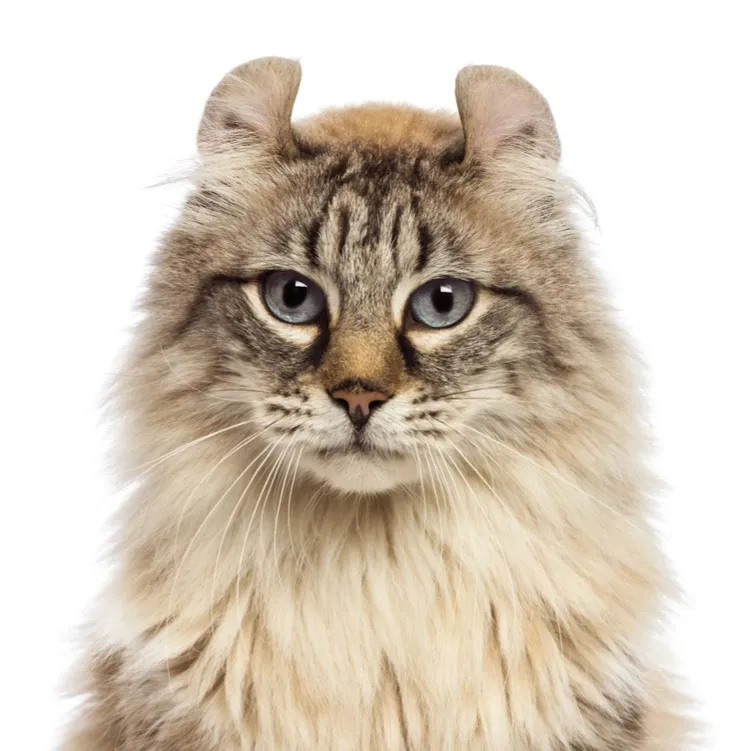
The American Curl is a medium-sized, muscular cat breed that originated in Lakewood, California, in 1981 when a stray cat named Shulamith with unusual curled-back ears wandered into the home of Joe and Grace Ruga. Her kittens carried the same trait, and through selective breeding, the American Curl was officially recognized by The International Cat Association (TICA) and the Cat Fanciers’ Association (CFA) by the early 1990s, according to CFA and TICA.
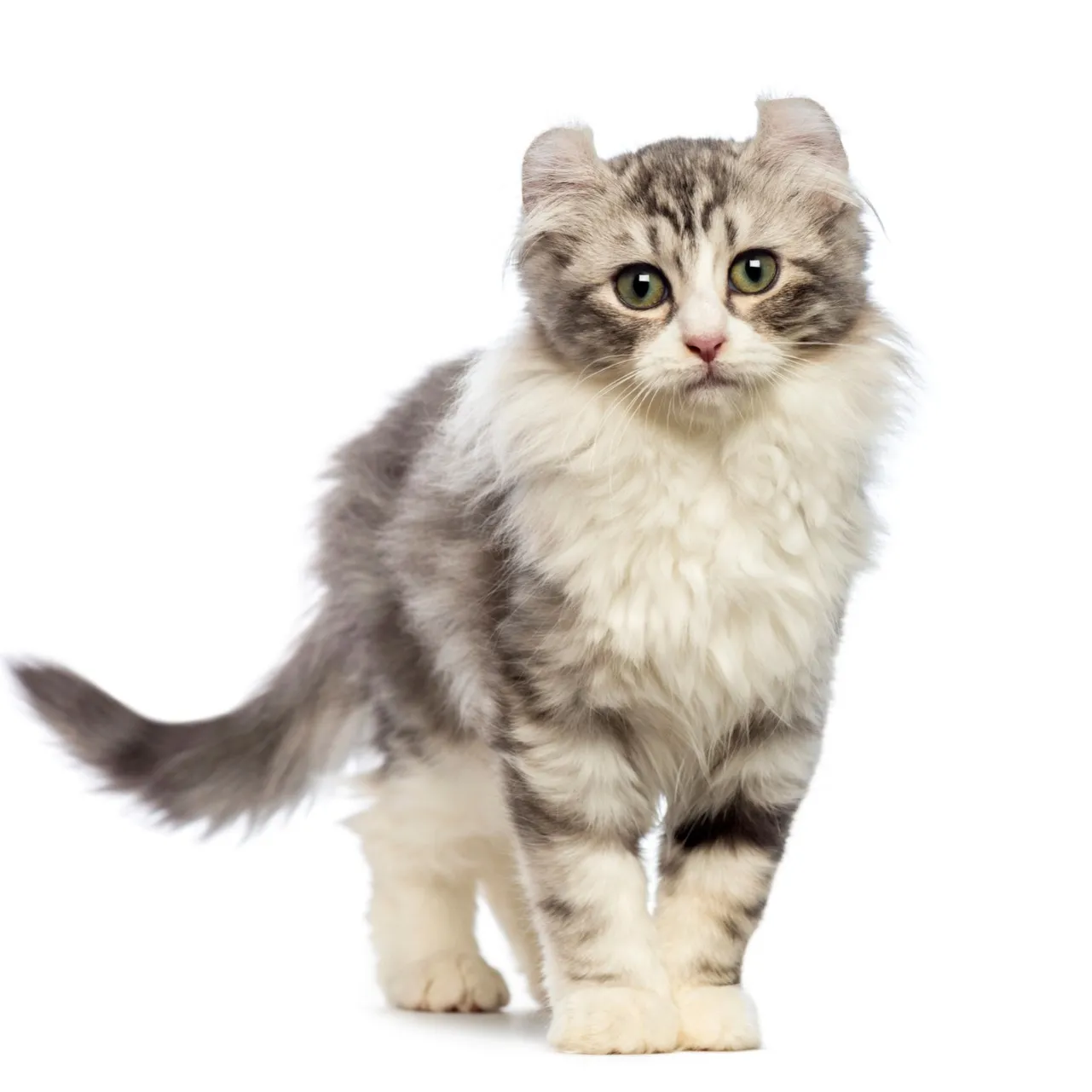
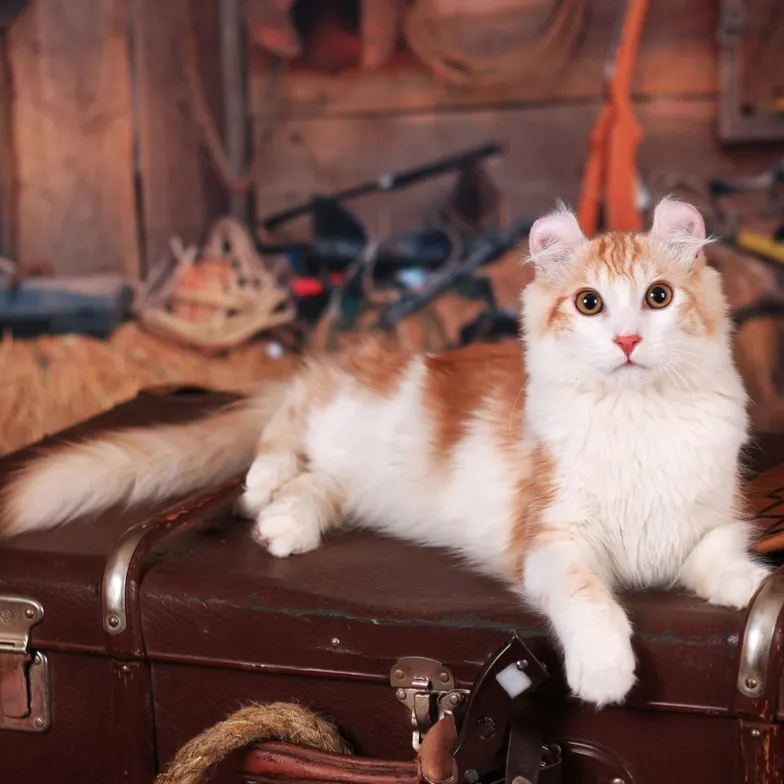
What makes this breed stand out are its distinctive backward-curled ears, caused by a natural genetic mutation. Their silky coats, which can be either short or semi-long, appear in nearly every color and pattern, from classic tabby to solid shades, as described by Purina. Along with their expressive eyes and elegant body, the curled ears give them a unique look that cat lovers worldwide adore, notes The Spruce Pets.
Temperament and Personality
American Curls are often described as social, affectionate, and intelligent companions. They tend to follow their families from room to room, a behavior that has earned them the reputation of being “dog-like,” explains The Spruce Pets. Their playful curiosity makes them wonderful for households with children or other pets, and they thrive on interactive play sessions. According to Wisdom Panel, these cats enjoy being a part of family activities and often stay kitten-like in their energy and behavior well into adulthood.
Lifespan
With the right care, American Curls live on average 13 to 18 years. Their diverse gene pool contributes to their generally strong health, though some cats may be prone to hereditary issues such as progressive retinal atrophy, a condition that can affect vision, according to Petco and WebMD Pets. Maintaining regular vet checkups, a balanced diet, and plenty of enrichment helps ensure these affectionate cats live long, happy lives.
Characteristics
Temperament with Kids
Aggressive
Friendly
Playfulness
Silent
Very Playful
Friendliness
Not Friendly
Super Friendly
Shedding amount
Negligible
Frequent
Compatibility with other cats
Not Friendly
Super Friendly
Prey Drive
Low
High
Need for attention
Independent
Very Needy
Monthly Expenses


Lifespan & Price of the American Curl in India
Cost of buying
₹ 75,000 - ₹ 2,00,000
Lifespan: American Curl cats are known for their hardiness and longevity, with a typical lifespan ranging between 12–16 years when provided with proper nutrition, veterinary care, and a safe environment.
Price: In India, the American Curl is considered a rare and premium breed due to its unique curled ears and relatively limited availability. Prices usually fall between ₹75,000 and ₹2,00,000, depending on factors like the breeder’s reputation, pedigree quality, coat type (longhair or shorthair), and location. Imported show-quality Curls or those from championship lines can command even higher costs.
Exercise and Enrichment
The American Curl is a playful, affectionate, and curious breed that thrives in an interactive household. They are moderately active but highly intelligent, needing both physical activity and mental stimulation to stay happy.
- Daily Interactive Play: These cats enjoy feather wands, soft balls, and puzzle feeders. Engaging them in 15–20 minutes of active play twice a day not only fulfills their exercise needs but also strengthens bonds with their humans.
- Climbing Structures and Scratching Posts: As natural climbers and jumpers, American Curls benefit from multi-level cat trees, wall shelves, and horizontal and vertical scratching options to keep claws healthy and instincts satisfied.
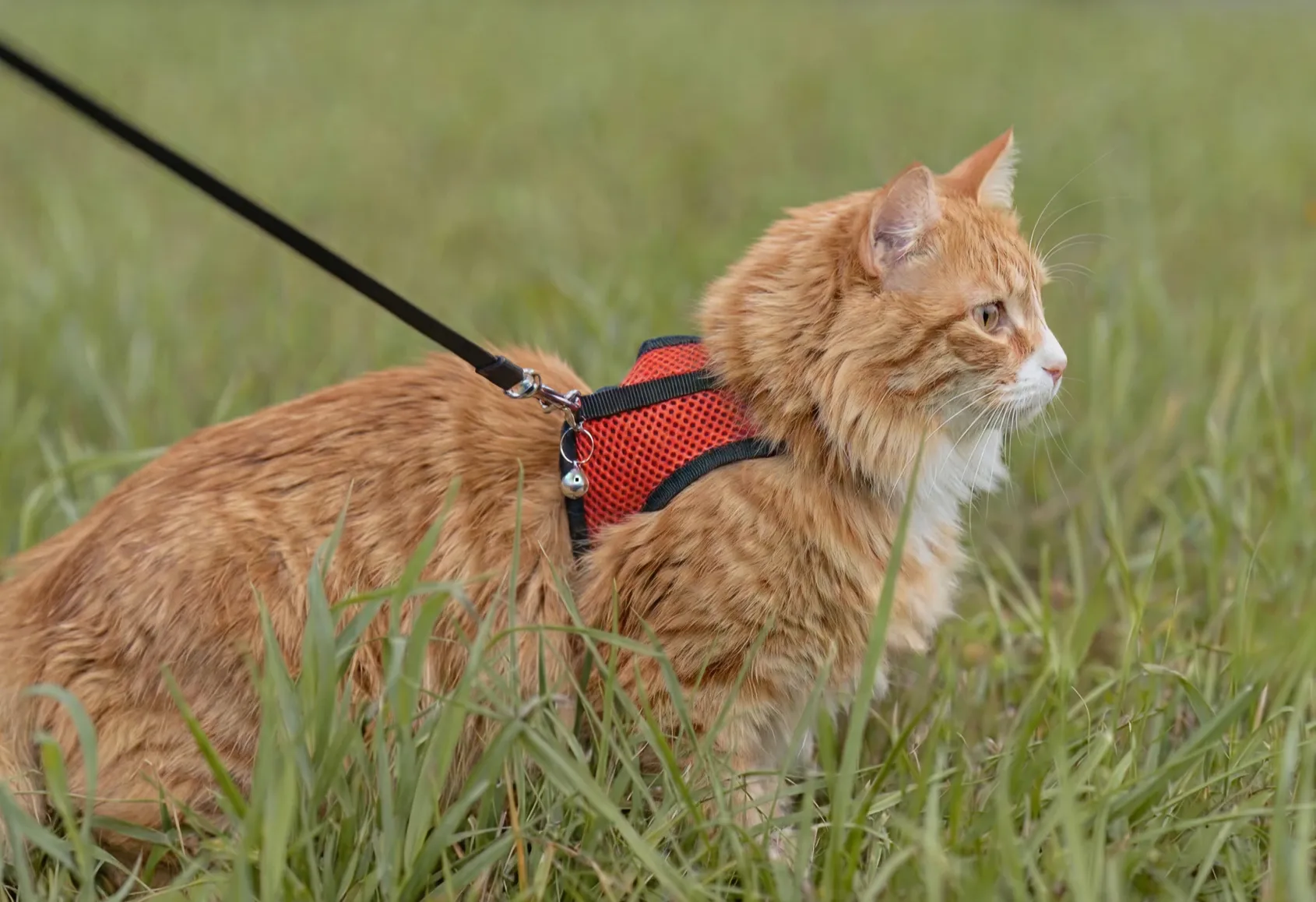
- Training Opportunities: With their people-focused temperament and quick learning ability, American Curls respond well to clicker training and can master tricks, agility activities, or even leash training for outdoor walks.
- Environmental Enrichment: Rotate toys to keep them engaged, set up window perches for bird-watching, and use food puzzles to mimic hunting instincts. Because they are highly social, leaving them alone for long hours can lead to boredom; interactive play sessions and companion pets can help.
As noted by The Cat Fanciers’ Association (CFA), their playful yet adaptable nature makes them suitable for families with children and other pets, provided their need for enrichment is consistently met.
Buying or Adopting an American Curl: What's The Best Call For You?
Bringing an American Curl home is exciting, but it’s important to prepare thoughtfully. Here’s what to keep in mind:
- Choose a Responsible Breeder: A reputable breeder should provide health certificates and proof of genetic screening, especially for conditions like cartilage issues or ear infections that can sometimes affect Curls. Kittens should be raised in clean, social environments to ensure well-adjusted temperaments.
- Adoption First: While rare, some American Curls are available for adoption through breed-specific rescues or shelters. Spend time with the cat to ensure their playful, affectionate nature fits with your home environment.
- Early Socialization: Exposing kittens to varied experiences, sounds, and gentle handling during their first months helps shape confident and friendly adult Curls. They are naturally outgoing but early socialization makes them even more adaptable.
- Prepare a Stimulating Home: Stock up on scratching posts, cozy beds, vertical spaces, and interactive toys. American Curls love to climb, observe, and participate in family life, so keeping their environment enriched prevents boredom.
- Daily Care Counts: Feed a balanced, protein-rich diet, maintain regular vet visits, and dedicate daily time to play. With consistent care, American Curls grow into affectionate companions who remain kitten-like in spirit well into adulthood.
Nutrition Care for the American Curl
Monthly Food Expenses
₹ 1,500 - ₹ 2,000
Calories per day
Kittens: 300 kcal
Adults: 250 kcal
Essential Nutrients
Protein
Fats
Carbohydrates
Vitamins
Minerals
Amino Acids (Taurine, Arginine, etc.)
Essential Fatty Acids
Fiber
List of foods
Dry kibble
Sardines (in moderation)
Eggs (cooked)
Wet canned food
Chicken (cooked or raw)
Turkey
Tuna
Cat-specific multivitamins
The American Curl is an active and playful breed that requires a well-balanced diet to fuel its high energy levels, maintain lean muscle, and support long-term health. Although there are no breed-specific dietary needs, ensuring a nutrient-dense, high-quality diet is key to keeping them thriving.
High-Quality Animal Protein
Protein is the cornerstone of the American Curl’s diet, supporting muscle strength, metabolism, and immune health. High-quality animal-based proteins such as chicken, turkey, salmon, and beef provide essential amino acids like taurine, which is vital for heart health, vision, and reproductive function. The Cat Fanciers’ Association (CFA) highlights taurine as one of the most important nutrients in feline diets since cats cannot synthesize it on their own. Including both wet and dry protein-rich foods helps maintain hydration and lean body mass in this active breed.
Healthy Fats and Omega Fatty Acids
Fats provide concentrated energy, which is particularly beneficial for the American Curl’s playful and athletic nature. Omega-3 and omega-6 fatty acids from sources such as salmon oil, sardines, and flaxseed not only promote skin elasticity and coat shine but also support cognitive function and joint mobility. According to the American Animal Hospital Association (AAHA), diets rich in essential fatty acids are crucial for maintaining overall feline wellness, especially skin and coat health.
Vitamins and Minerals
A comprehensive balance of vitamins and minerals underpins immune strength, bone health, and daily maintenance. Key vitamins for the American Curl include A, D, E, and B-complex, while vital minerals such as calcium, magnesium, and phosphorus help maintain skeletal and muscular health. PetMD notes that deficiencies or imbalances in these nutrients can lead to weakened immunity, bone problems, and developmental issues, making a complete and balanced commercial cat food or properly formulated homemade diet essential.
Low-Carbohydrate Diets
As obligate carnivores, American Curls thrive on diets that are high in animal protein and low in carbohydrates. Excessive carbs from fillers like corn or wheat can lead to obesity, digestive upset, and decreased muscle tone. The American Association of Feline Practitioners (AAFP) advises feeding cats low-carbohydrate, protein-rich diets to support healthy weight management and metabolic function. For American Curls, especially those prone to indoor lifestyles, minimizing empty calories is key to preventing weight gain.
Feeding Guidelines
Kittens (8–16 Weeks): American Curl kittens should be fed a high-protein kitten formula (35–40% protein) divided into 3–4 meals daily to fuel rapid growth and development. The American Veterinary Medical Association (AVMA) recommends multiple small meals for kittens to ensure proper nutrient absorption and steady energy.
Adults: Adult American Curls require a diet containing at least 30% animal protein, ideally split into two meals per day. Including high-quality wet food or lean, cooked meats ensures variety, hydration, and nutritional balance. The National Research Council (NRC) advises that adult cats receive at least 30% of their calories from protein to maintain health.
Seniors: Senior American Curls benefit from slightly lower-calorie diets tailored to reduced activity levels, along with easily digestible proteins to support muscle preservation. Joint-supportive nutrients like glucosamine and chondroitin can help maintain mobility, and the AAHA emphasizes the importance of senior-specific diets for aging cats to manage conditions such as arthritis and reduced kidney function.
Hydration
Adequate hydration is vital for American Curls, as it supports kidney and urinary tract health. International Cat Care stresses that cats often have a low thirst drive, making it important to encourage fluid intake. Feeding at least one wet food meal daily is an effective way to increase water consumption while supporting urinary tract health, especially for indoor cats or those living in warmer climates. The Pet Nutrition Alliance further notes that wet food diets can help reduce the risk of urinary crystals and bladder issues, which are common concerns in domestic cats.
Breakdown of Macro-nutrients
Selecting Good Quality Food
Choose Premium Cat Food with Real Meat
The American Curl thrives on premium cat food where real meat—such as chicken, turkey, salmon, or lamb—is listed as the first ingredient. Because cats are obligate carnivores, animal-based proteins provide the essential amino acids needed for growth, muscle tone, and energy. Animal Elysium advises selecting foods that highlight high-quality animal proteins instead of plant fillers, ensuring your Curl receives the most biologically appropriate nutrition.
Avoid Fillers and Artificial Additives
Carbohydrate-heavy fillers such as corn, wheat, and soy offer little to no nutritional value for cats and can contribute to digestive upset and unnecessary weight gain. Similarly, artificial colors, flavors, and preservatives like BHA/BHT are best avoided, as long-term consumption may cause allergic reactions or health concerns. Petchef emphasizes that cat owners should choose natural, additive-free foods to protect their pet’s health over time.
Coat and Skin Health Nutrients
The American Curl’s silky, medium-length coat benefits from nutrients that promote shine, elasticity, and skin barrier function. Diets enriched with omega-3 and omega-6 fatty acids, biotin, and vitamin E help keep the coat glossy and reduce dryness or brittleness. Meow Cat HQ notes that these nutrients play an essential role in supporting coat health, especially for breeds prone to dryness in drier climates or during seasonal changes.
Importance of Wet Food
High-protein wet food is particularly beneficial for American Curls, as it closely mimics the natural moisture content of prey while supporting hydration. Increased water intake through wet food helps lower the risk of urinary tract issues such as crystals or blockages. The Dearborn Animal Clinic highlights that wet diets not only improve hydration but also encourage healthy kidney and bladder function, making it an excellent choice for this playful, active breed.
Dry Food and Variety in Diet
Dry food can be included for convenience and to help with dental health, but the best options are grain-free or high-meat kibbles with at least 30% protein. To avoid nutrient imbalances, rotating between trusted brands is recommended. Some American Curl owners also incorporate freeze-dried or rehydrated raw toppers to increase protein diversity and flavor. However, as PetMD cautions, raw foods should always be handled with strict food safety practices to prevent bacterial contamination while providing the benefits of a more natural feline diet.
Recommended Cat Food Brands for American Curl Cats
- Royal Canin Feline Breed Nutrition & Health Line – Well-known for its research-backed formulas tailored to cats’ age, activity, and lifestyle. The Royal Canin Indoor Adult is a good fit for apartment-dwelling Curls, while Royal Canin Hair & Skin Care helps maintain their silky coat.
- Hill’s Science Diet – Focuses on clinically tested nutrition with balanced proteins, vitamins, and minerals. Their Adult Optimal Care formula provides controlled calories and high-quality proteins to maintain lean muscle mass in active breeds.
- Orijen Cat & Kitten – A biologically appropriate, grain-free food with 85–90% animal ingredients (free-run chicken, turkey, wild-caught fish). This brand mirrors a natural feline diet and is particularly good for keeping Curls muscular and energetic.
- Acana Regionals – Similar to Orijen but slightly less rich; great for owners looking for premium, protein-forward kibble with fewer carbs and no fillers.
- Farmina N&D (Natural & Delicious) – A popular premium option in India and globally. Their Low-Grain Chicken & Pomegranate and Ocean Codfish & Orange formulas offer high-quality protein sources with added antioxidants.
- Wellness CORE Grain-Free – Focuses on high-protein, meat-first recipes with balanced omega fatty acids for skin and coat health, making it suitable for American Curls’ glossy coats.
- Blue Buffalo Wilderness – Grain-free with deboned chicken, fish, or turkey as the first ingredient. It also contains LifeSource Bits, a blend of antioxidants, vitamins, and minerals for immune support.
- Tiki Cat – Excellent wet food brand with whole shredded meats and fish in nutrient-rich broths. Its high moisture content makes it perfect for urinary health and hydration.
- Applaws Cat Food – Known for limited-ingredient, natural recipes with high meat content and no artificial additives. Often used as a topper to boost protein variety in a Curl’s diet.
Never feed these foods to American Curl Cats
Avoid anything with these ingredients
Onions and Garlic
Chocolate
Alcohol
Grapes and Raisins
Xylitol
Artificial Additives
Dairy (in some cases)
Raw Eggs
Although American Curl cats are hardy and adaptable, certain foods can pose serious risks to their health and must be avoided. Onions, garlic, chives, and leeks contain compounds that break down red blood cells, leading to dangerous anemia. Chocolate, coffee, and tea have methylxanthines that can cause hyperactivity, vomiting, tremors, seizures, and even fatal heart complications.

Alcohol and raw yeast dough are especially dangerous—alcohol can rapidly lower blood pressure, blood sugar, and body temperature, while yeast dough can expand in the stomach and cause life-threatening bloating. Grapes and raisins remain a concern since they are linked to sudden kidney failure in cats, even in small amounts.
American Curls are curious and playful, making them more likely to nibble on unsafe foods or table scraps. Owners should also avoid giving bones and raw fish—cooked bones splinter and may cause internal injuries, while raw fish can contain thiaminase, which breaks down vitamin B1 and can trigger neurological problems. Finally, since many adult American Curls—like most cats—are lactose intolerant, dairy products often lead to digestive upset such as bloating, gas, and diarrhea.
Steering clear of these harmful foods will help keep your American Curl healthy, active, and safe throughout its life.

Health
Avg Monthly Expenses
₹ 500 - ₹ 700
Common Health Issues
Urinary Tract Infections (UTI)
Hairballs
Hypertrophic Cardiomyopathy (HCM)
Dental Problems
Obesity
Skin Allergies
Arthritis
Otitis Externa (Ear Inflammation)
Activities
Chasing Objects
Climbing
Hide and Seek
Exploring
Interactive Playtime
Energy Level
Medium
Exercise routine
30 - 60 minutes
Recognising Stress
Changes in litter box behavior
Decreased appetite
Hiding
Increased vocalization
Overgrooming
Medical Care
The American Curl is considered a generally healthy and hardy breed, but consistent veterinary care is key to supporting their long-term well-being. Annual wellness exams are recommended for adults, which include monitoring weight, checking heart and lung health, and conducting dental evaluations. Senior Curls benefit from biannual check-ups to detect age-related conditions such as kidney disease, arthritis, and thyroid disorders early, according to PetMD.
Vaccinations form a cornerstone of preventive care. Core vaccines—including those for feline panleukopenia, calicivirus, rhinotracheitis, and rabies—remain essential throughout life. Depending on your American Curl’s lifestyle and outdoor exposure, your veterinarian may also recommend the feline leukemia virus (FeLV) vaccine, as highlighted by the American Veterinary Medical Association (AVMA).
Parasite prevention is equally important. Year-round protection against fleas, ticks, ear mites, and intestinal worms helps prevent complications such as skin irritation, anemia, or intestinal blockages. Outdoor or multi-cat households especially benefit from consistent parasite control, as recommended by Cornell University’s Feline Health Center.
Dental health should not be overlooked. Like all cats, American Curls are prone to tartar buildup and periodontal disease. Daily brushing with feline-safe toothpaste, combined with professional cleanings every 6–12 months, can help preserve oral health and prevent secondary complications, as noted by VCA Hospitals.
Common Health Concerns
While the American Curl is robust compared to many pedigreed cats, there are breed-specific concerns worth noting. Their most distinctive feature—the curled ears—requires regular monitoring. Improper cleaning or neglect may lead to ear infections, wax buildup, or inflammation, so gentle weekly checks are essential. The CFA (Cat Fanciers’ Association) emphasizes that improper handling of the ears can even damage cartilage.
Like many indoor cats, American Curls can be susceptible to obesity and diabetes if overfed or under-exercised. A balanced diet with portion control, paired with regular play, helps reduce these risks. Dental issues such as gingivitis and periodontal disease may develop silently, underscoring the importance of consistent dental care.
Some American Curls may also be prone to hypertrophic cardiomyopathy (HCM)—the most common heart disease in cats—though it is not strongly linked to the breed. Additionally, urinary tract problems such as infections or crystals can occur, particularly if water intake is inadequate. Providing moisture-rich wet food and multiple sources of clean water helps reduce these risks.
General Healthcare Tips
Maintaining an American Curl’s health goes beyond the basics of diet and veterinary care. Their short-to-medium coat is low-maintenance, requiring only weekly brushing to remove loose hair and distribute natural oils for a shiny finish. Their unique ears, however, demand special care—owners should avoid over-handling them and use only a soft cloth or vet-recommended solution for cleaning.
American Curls are known for their playful, kitten-like energy well into adulthood. Providing interactive toys, scratching posts, and climbing trees helps keep them mentally and physically stimulated. Puzzle feeders or treat-dispensing toys can also encourage natural hunting behaviors and prevent boredom.
Preventive healthcare should also include regular parasite protection, updated vaccinations, and annual wellness bloodwork. If adopting from a breeder, ensure they screen for hereditary issues such as HCM and maintain ear health in breeding lines, as recommended by the International Cat Association (TICA).
Senior American Curl Care
As American Curls age, they benefit from tailored care to maintain comfort and quality of life. Twice-yearly veterinary visits allow early detection of chronic issues such as kidney disease, arthritis, or thyroid disorders. Routine bloodwork and urinalysis are particularly important in seniors, as recommended by ASPCA Pet Health Insurance.
Dietary adjustments for older Curls should focus on easily digestible, high-quality protein to support lean muscle while reducing excess calories to prevent obesity. Supplements such as omega-3 fatty acids for joint and skin health or glucosamine for mobility may also be beneficial under veterinary guidance.
Mobility support becomes increasingly important with age. Providing low-entry litter boxes, orthopedic bedding, and ramps or steps to favorite resting places helps ease daily life. Hydration is crucial for senior American Curls, as kidney and urinary issues become more common—water fountains and moisture-rich diets can encourage better fluid intake.
Finally, older American Curls with shorter coats may be more sensitive to temperature changes. Ensuring warm, cozy resting areas reduces stress and supports overall well-being as they age.
Vaccination details
Growth Stage
Core Vaccines
6-8 Weeks
Feline Rhinotracheitis, Calicivirus, Panleukopenia (FVRCP).
10-12 Weeks
FVRCP (Booster), Feline Leukemia Virus (FeLV).
14-16 Weeks
FVRCP (Final Booster), Rabies.
Annual
FVRCP (Booster), Rabies, FeLV.
Annual
Rabies, FVRCP.
Grooming
Avg Monthly Expenses
₹ 800 - ₹ 1,500
Shedding Level
Moderate Shedding
Hygienic Checklist
Grooming (for some breeds)
Nail Trimming
Ear cleaning
Eye care
Teeth care
Litter Box
Health Observation
Benefits of Grooming
Cleanliness
Low Shedding
Odourless
Prevents Bad Breath
Prevents infections
Quality of life
American Curls have smooth, silky coats that can be either short-haired or long-haired, both of which are relatively easy to care for compared to denser-coated breeds. However, their grooming needs go beyond just coat care, attention to their distinctive ears, teeth, nails, and overall hygiene is essential to keep them in top health.

Brushing:
- Short-haired Curls: A once-weekly brushing with a soft-bristle brush or grooming glove removes loose hair, reduces shedding, and stimulates healthy skin oils.
- Long-haired Curls: These cats need brushing two to three times a week, especially around the chest, belly, and hindquarters where mats are most likely to form. Using a wide-tooth comb followed by a slicker brush helps prevent tangles without pulling on their silky fur.
- Regular brushing also reduces hairballs, which can be a concern in long-haired Curls since they self-groom frequently.
Bathing:
Their coat has a natural texture that repels dirt, so American Curls rarely need baths. When a bath is required (e.g., for show cats or if they get into something sticky), use a mild, cat-safe shampoo and lukewarm water. Avoid over-bathing, as it can dry out their skin and dull the shine of their fur.
Ear Care:
The breed’s signature curled ears require gentle but consistent care. According to Daily Paws, owners should check the ears weekly for wax buildup, debris, or signs of infection. Because the cartilage is delicate, never forcefully pull or flatten the ears—clean them with a vet-approved solution and soft cotton pads.
Nail Trimming:
Trim nails every two to three weeks to prevent overgrowth and snagging. American Curls are active and playful, so providing scratching posts in addition to trims helps keep claws healthy and reduces furniture damage.
Dental Care:
Dental hygiene is a key part of the Curl’s grooming routine. Daily brushing with feline toothpaste is ideal, but brushing several times a week still significantly reduces the risk of gingivitis and periodontal disease. Professional dental cleanings at the vet every 6–12 months help maintain oral health.
Eye Care:
American Curls may develop small tear stains at the corners of their eyes. Wiping gently with a damp, soft cloth prevents staining and infection. Always use a separate cloth for each eye to avoid spreading bacteria.
Seasonal Grooming:
Shedding is generally moderate but increases during spring and fall. During these times, more frequent brushing helps control loose hair and keeps the coat glossy. A deshedding tool can be helpful for long-haired Curls.
Overall Grooming Tips:
- Make grooming a positive experience by starting early and rewarding your cat with treats or play afterward.
- Inspect the skin during brushing for lumps, parasites, or irritation.
- Handle the ears with extra care, as rough handling can damage their cartilage.
- Use grooming as bonding time, Curls are affectionate and enjoy the attention.
Similar Breeds to the American Curl
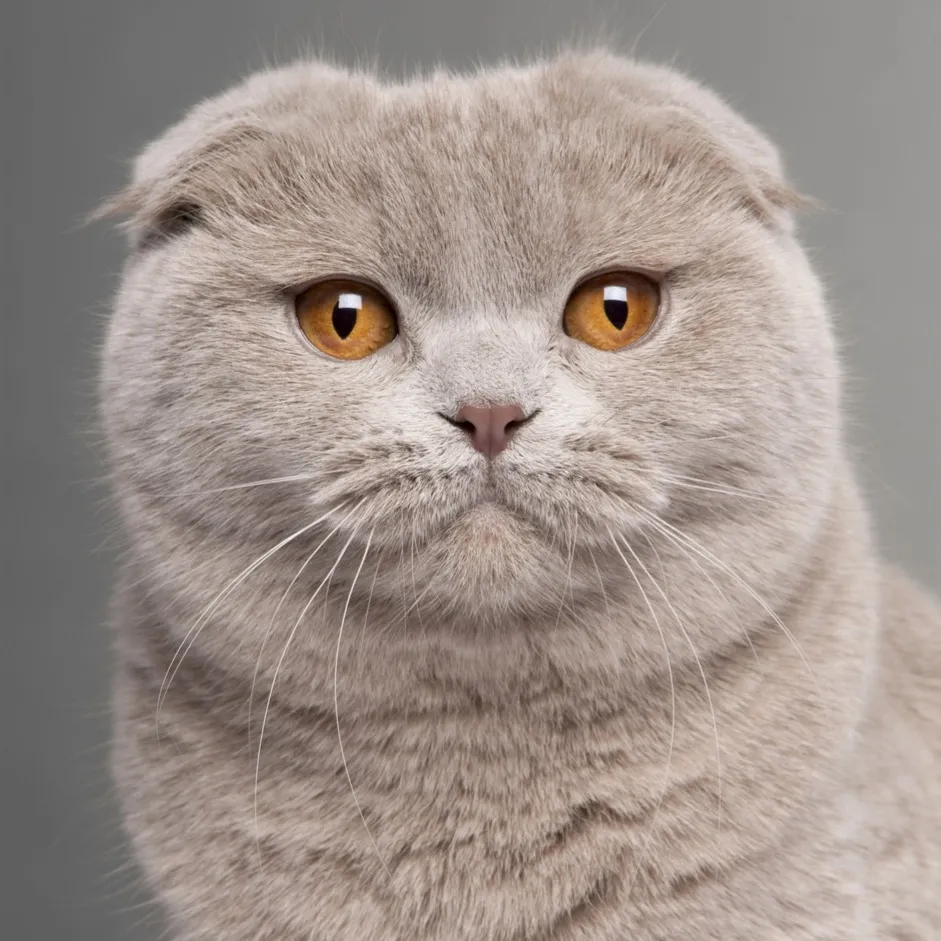
Scottish Fold | Oriental Shorthair | Devon Rex


Written by
Happy Pet TeamAuthor
Team Happy Pet is a passionate collective of pet experts, enthusiasts, and advocates dedicated to sharing trusted and insightful content.
Our cont
Compare with similar breeds
Frequently Asked Questions
Is it difficult to train an American Curl?
American Curl cats are intelligent and relatively easy to train. They can learn basic commands and are known for their playful and engaging nature, which can make training an enjoyable experience.
What kind of personality do American Curl cats have?
American Curl cats are playful, curious, and affectionate. They enjoy interacting with their human family members and are known to be quite adaptable and social.
What makes the American Curl cat's ears unique?
The American Curl is known for its distinctive curled-back ears, a genetic trait that sets them apart from other breeds. This curl begins to develop when kittens are a few days old and is fully set by four months of age.