Home
/
Cat Breeds
/
Exotic Shorthair
Exotic Shorthair
Origin
United States
Size
Medium Breed
Ideal Space
Apartment
Ideal Weather
15º-30ºC
Life Expectancy
10-15 years
Cost of buying
₹ 20,000 - ₹ 50,000
Top 5 Traits
Playful
Laid-back
Affectionate
Friendly
Curious
Avg Monthly Expenses
₹ 3,200 - ₹ 4,200

by Happy Pet TeamUpdated on 10 Jun 2025
Introduction to the Exotic Shorthair
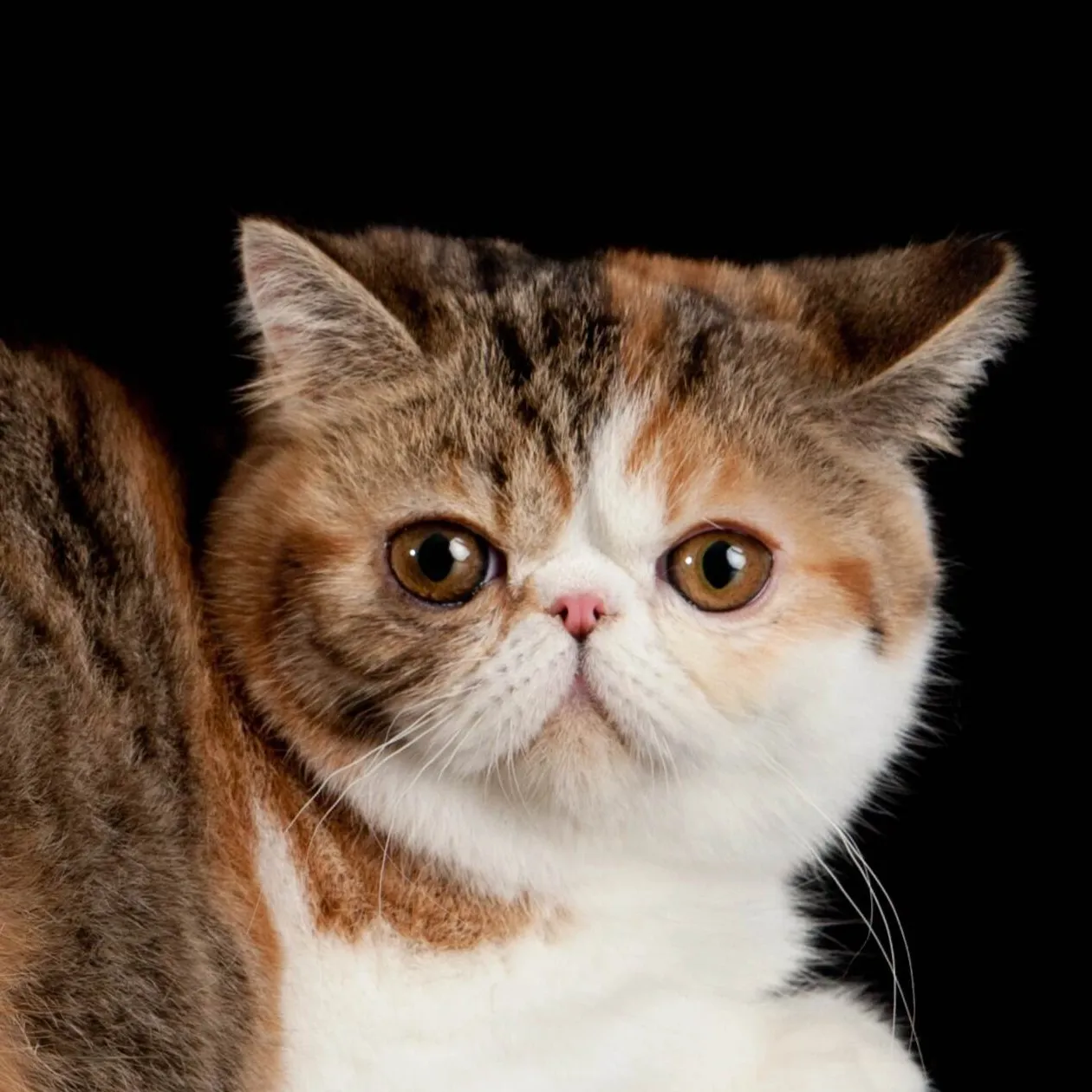
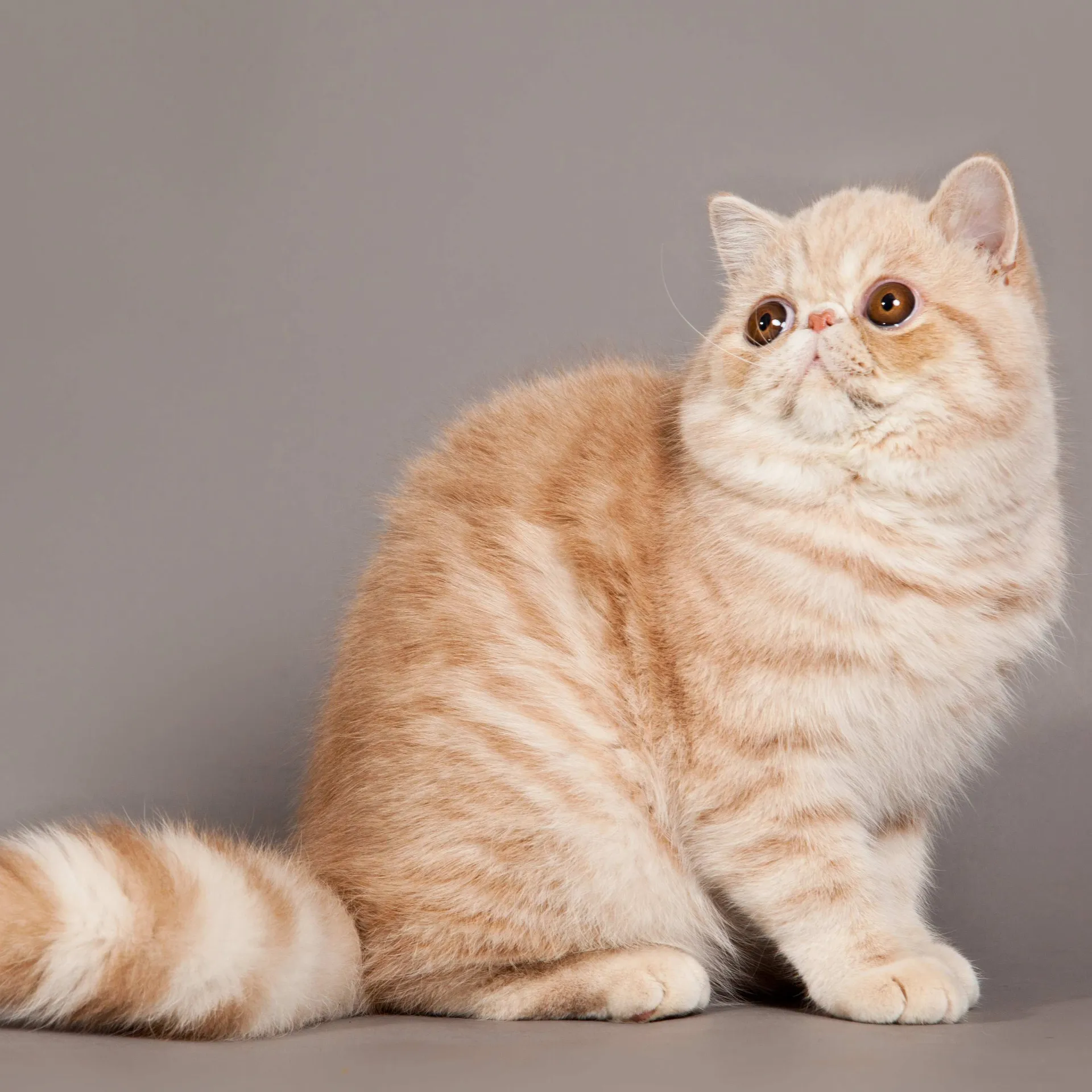
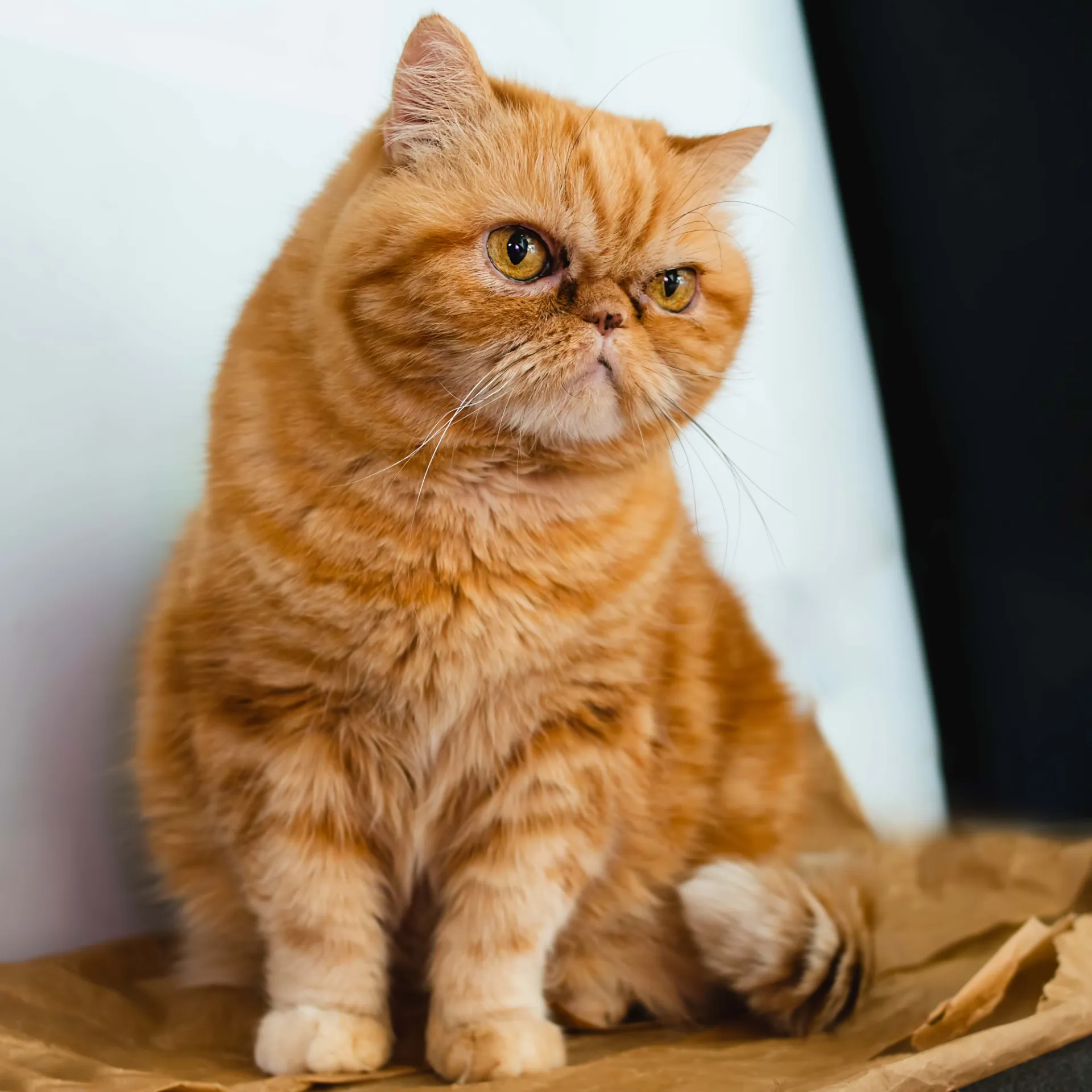
The Exotic Shorthair is commonly called the “lazy man’s Persian” because it lives up to that name. They have the sweet teddy bear look of Persians, but their short, plush coat is much simpler to take care of.
Characteristics
Temperament with Kids
Aggressive
Friendly
Playfulness
Silent
Very Playful
Friendliness
Not Friendly
Super Friendly
Shedding amount
Negligible
Frequent
Compatibility with other cats
Not Friendly
Super Friendly
Prey Drive
Low
High
Need for attention
Independent
Very Needy
Monthly Expenses


Exotic Shorthair Cat Price
Cost of buying
₹ 20,000 - ₹ 50,000
Depending on the breeder, colour, and show quality, expect the price to be anywhere around ₹80,000 – ₹2,00,000 in India.
Shop or Adopt an Exotic Shorthair: Make the Right Choice!
Responsible shopping will make sure that ethical breeding is taking place, while adopting an Exotic Shorthair will give a loving home to a cat that needs it. Pick based on your ability to keep up with their gentle temperament, grooming needs, and lifespan.
Nutrition Care for the Exotic Shorthair
Monthly Food Expenses
₹ 1,500 - ₹ 2,000
Calories per day
Kittens: 250 kcal
Adults: 200 kcal
Essential Nutrients
Protein
Fats
Carbohydrates
Vitamins
Minerals
Fiber
List of foods
Dry kibble
Wet canned food
Chicken (cooked or raw)
Salmon
Tuna
Carrots (cooked)
Pumpkin
Cottage cheese
- They require high quality protein for the maintenance of muscle.
- Healthy fats support energy levels and a shiny coat.
- Immunity and joint health are strengthened with the help of essential nutrients.
- Taurine is important for heart and vision health.
- Wet food helps in hydration and urinary tract health.
- It is best to avoid low quality foods to prevent obesity and digestion problems.
- A balanced diet of wet food, lean meats and supplements is vital for overall well being.
Breakdown of Macro-nutrients
Best Foods for Exotic Shorthairs
- Royal Canin Persian/Exotic Shorthair formulas. They are created to meet the needs of flat-faced pets, providing the right shape and coat care.
- Hill’s Science Diet Urinary Hairball Control. Helps cats avoid urinary problems and reduces the number of hairballs they have.
- Wellness CORE Grain-Free Wet Food. Protein and moisture are high in this food to help hydrate and build muscle.
- Purina Pro Plan Urinary Tract Health. Made to keep the urine at a healthy pH and stop crystals from forming.
- Ensure real animal protein is the first ingredient. This helps the body get the necessary amino acids for growth and energy.
Foods to Avoid for Exotic Shorthairs
Avoid anything with these ingredients
Onions and Garlic
Caffeine
Chocolate
Alcohol
Raw Eggs
Dairy (in some cases)
Grapes and Raisins
- High-mineral diets – May cause the development of kidney stones. Pick foods that have controlled amounts of phosphorus and magnesium.
- Low-quality dry kibble – May cause weight gain. Make sure to pick brands that are recommended by vets and have real meat as their main ingredient.
- Artificial additives – May cause an allergic reaction or stomach problems. Foods that are natural and free from preservatives are better for their health.
- Dairy products – They frequently result in stomach trouble. Milk and cheese are not suitable for most cats because they are lactose intolerant.
- Table scraps or human snacks – Contains a lot of fat and salt. They can upset your cat’s normal diet and can cause health problems.
- Choose cat food that has been made for flat-faced breeds. Diets designed for brachycephalic cats help their digestion and dental health.


Healthcare for Exotic Shorthairs
Avg Monthly Expenses
₹ 500 - ₹ 700
Common Health Issues
Dental Problems
Obesity
Kidney Disease
Hyperthyroidism
Fleas and Ticks
Gastrointestinal Issues
Urinary Tract Infections (UTI)
Skin & coat disorders
Activities
Play with Toys
Exploring
Climbing
Grooming
Napping
Energy Level
Medium
Exercise routine
30 - 60 minutes
Recognising Stress
Hiding
Changes in litter box behavior
Increased vocalization
Aggression
Overgrooming
Compulsive behaviors (e.g., excessive grooming, licking, or chewing)
Common Health Problems of Exotic Shorthair
- Polycystic Kidney Disease (PKD): Genetic, use a DNA test for screening. Spotting kidney problems early allows for better management using diet and routine visits.
- Brachycephalic Airway Syndrome: Leads to noisy breathing and makes the animal intolerant to heat. Let them rest and keep them cool when the weather is hot.
- Eye issues: Easily suffer from tearing and infections. Regularly cleaning the area around the eyes helps avoid staining and irritation.
- Calcium Oxalate Stones: Watch for any discomfort in the urinary system. A diet that is easy on the urinary tract and drinking plenty of water can stop stones from forming.
- Obesity: Because they do not move around much. Eating the right amounts and playing regularly help keep your pet healthy.
Vaccination details
Growth Stage
Core Vaccines
8 Weeks
Panleukopenia (Feline Distemper), Feline Calicivirus, Feline Herpesvirus-1 (Rhinotracheitis)
12 Weeks
Panleukopenia (Feline Distemper), Feline Calicivirus, Feline Herpesvirus-1 (Rhinotracheitis)
16 Weeks
Rabies
Anually
Rabies
Exotic Shorthair Grooming Routine
Avg Monthly Expenses
₹ 1,200 - ₹ 1,500
Shedding Level
Low Shedding
Hygienic Checklist
Worming (if needed)
Nail Trimming
Anal Gland Expression
Fur trimming
Grooming (for some breeds)
Ear cleaning
Benefits of Grooming
Cleanliness
Odourless
Low Shedding
Prevents Bad Breath
Prevents infections
Even though they’re short-haired, grooming helps them stay healthy and neat.


Written by
Happy Pet TeamAuthor
Team Happy Pet is a passionate collective of pet experts, enthusiasts, and advocates dedicated to sharing trusted and insightful content.
Our cont
Compare with similar breeds
Frequently Asked Questions
Why are Exotic Shorthairs called “lazy man’s Persian”?
Because they offer all the beauty of a Persian without the high-maintenance grooming routine.
Do they have breathing issues?
Yes. Their flat face can cause breathing difficulties, especially in hot or humid weather.
Are Exotic Shorthairs affectionate?
Extremely. They love cuddling, being nearby, and are loyal but not overly demanding.
How often should I groom them?
Once a week is usually enough, but increase during shedding seasons.