Home
/
Compare Bird Species
/
Palm Cockatoo vs Hyacinth macaw
Palm Cockatoo vs Hyacinth Macaw
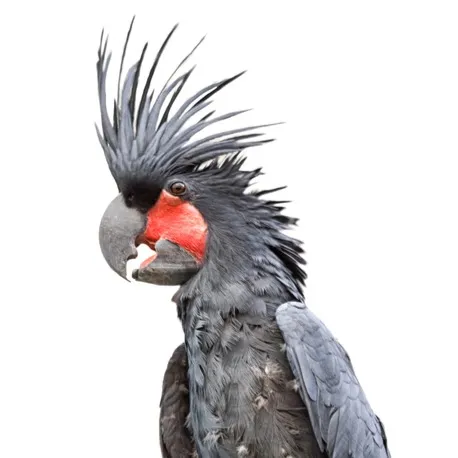
Palm Cockatoo
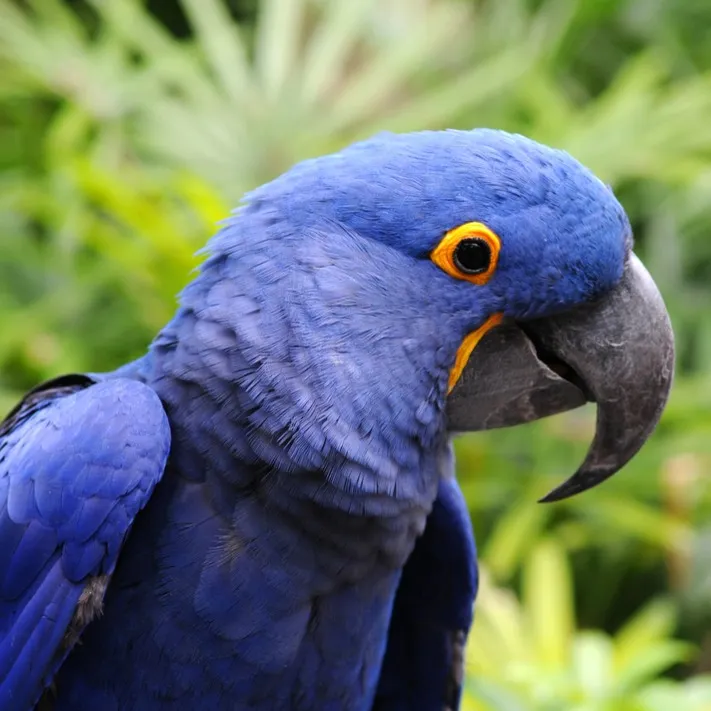
Hyacinth macaw
Characteristics
Affection
Not Friendly
Super Friendly
Vocalization
Silent
Vocal
Intelligence
Low
High
Social Behavior
Prefer Isolation
Very Social
Affection
Not Friendly
Super Friendly
Vocalization
Silent
Vocal
Intelligence
Low
High
Social Behavior
Prefer Isolation
Very Social
Basic Information
Avg Monthly Expenses
₹2,000
Basic
₹3,000
Premium
Classification
Psittaciformes
Life Expectancy
50 - 60 years
Ideal Weather
21º - 29º celsius
Maintenance
High
Size
Large
Avg Monthly Expenses
₹2,000
Basic
₹3,000
Premium
Classification
Psittaciformes
Life Expectancy
50 - 60 years
Ideal Weather
18º - 30º celsius
Maintenance
High
Size
Large
Overall Summary
Overall Summary
Frequently Asked Questions
Are Palm Cockatoos good pets?
Palm Cockatoos make good pets. They are incredibly intelligent; however, they are not known to be affectionate.
What is the life span of the Palm Cockatoo?
The average lifespan of the Palm Cockatoo varies from 50 to 60 years.
Is the Palm Cockatoo a rare bird?
Yes, Palm Cockatoos are considered a rare bird species and are listed as a Near Threatened bird species.