
Home
/
Bird species
/
Palm Cockatoo
Palm Cockatoo
Origin
Australia
New Guinea
Aru Islands
Cape York Peninsula
Queensland
Size
Large Breed
Ideal Weather
21º-29ºC
Avg Monthly Expenses
₹2,000
Basic Lifestyle
₹3,000
Premium Lifestyle
Top 5 Traits
Intelligent
Curious
Independent
Affectionate
Quiet

by Happy Pet TeamUpdated on 16 Jul 2025
Introduction to the Palm Cockatoo
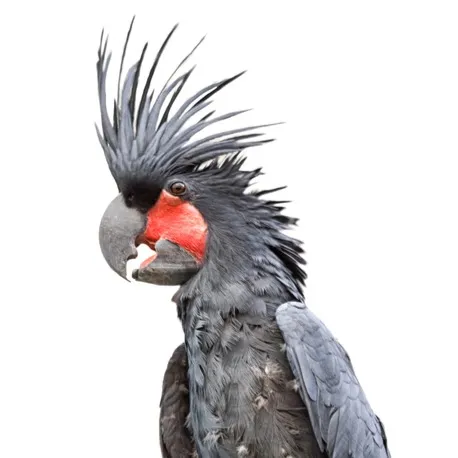
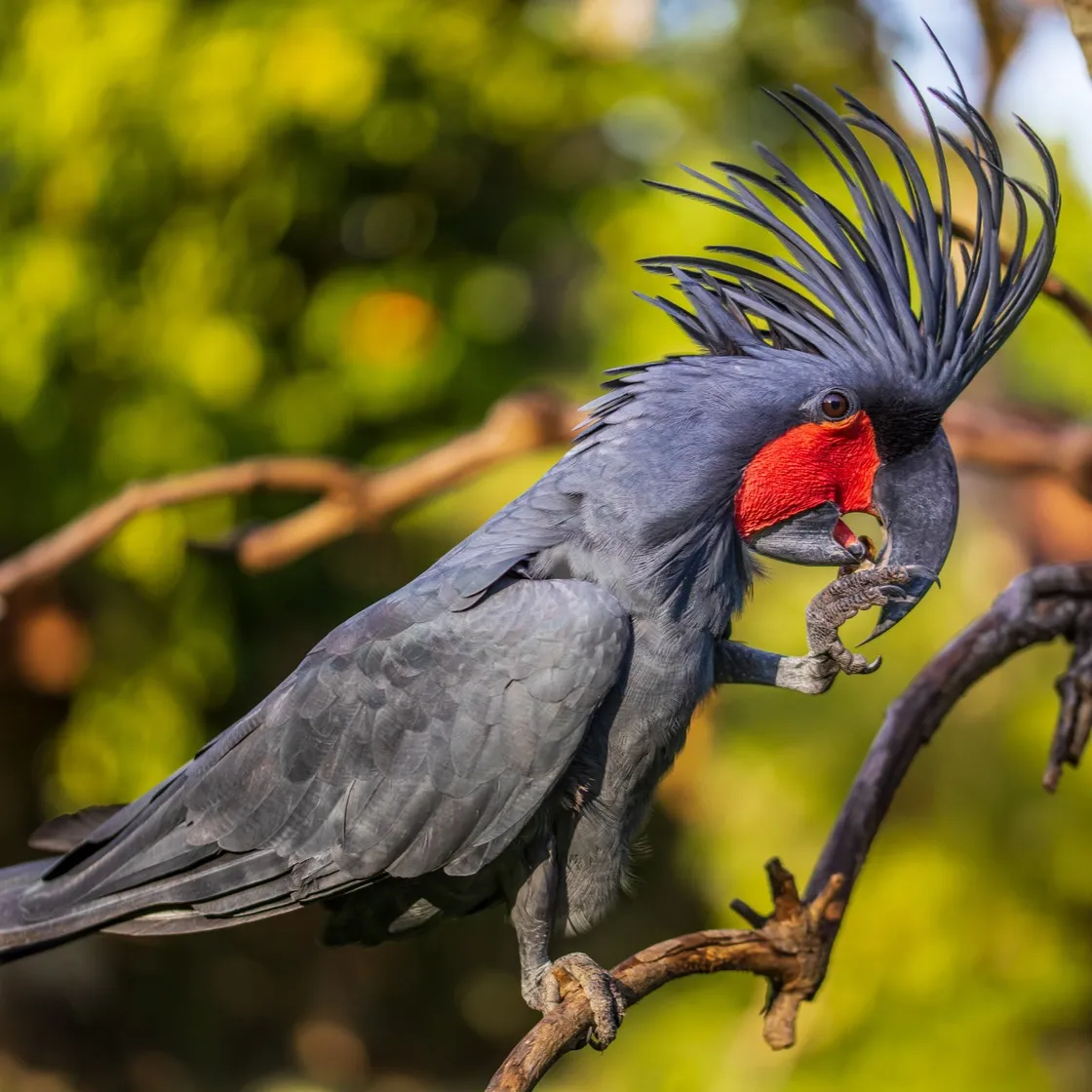
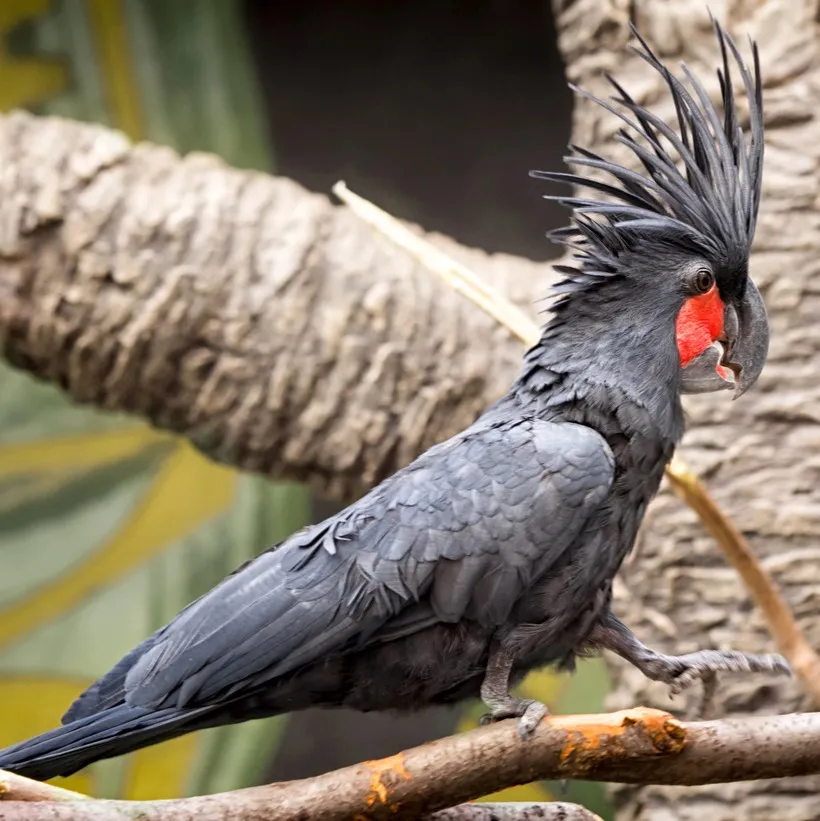
Palm Cockatoos, also known as Goliath Cockatoos, are originally from Australia. Black palm cockatoos aren’t the naturally affectionate type, but with early hand-feeding and consistent training, they can become wonderful, tame companions. They love social time and thrive when they’re part of your daily routine. Because of their large size, strong beak, and unpredictable moods, they’re a better match for experienced bird owners who understand their unique needs.
Characteristics
Affection
Not Friendly
Super Friendly
Vocalization
Silent
Vocal
Intelligence
Low
High
Social Behavior
Prefer Isolation
Very Social


Nutrition Guidelines for Palm Cockatoo
Monthly Food Expenses
₹1,500 - ₹ 2,000
Ideal weight
900 - 1100 grams
Essential Nutrients
Protein
Carbohydrates
Fats
Vitamins
Minerals
List of foods
Nuts
Fruits
Vegetables
Pellets
Cooked eggs
Legumes
Whole grain breads
Palm Cockatoos require a balanced diet that contains proteins, vitamins, minerals, and fats. Here is what you should focus on while designing a diet for your bird.
Foods that are harmful to the Palm Cockatoo
Avoid anything with these ingredients
Chocolate
Caffeine
Alcohol
Avocado
High-fat foods
Dairy products
Mushrooms
Just like how you got an idea of what all the food items should be fed to your pet bird. It is also essential to know what food items can cause harm to your pet. Here is a list of those food items that should be avoided-


Healthcare Guide for Palm Cockatoo
Avg Monthly Expenses
₹500 - ₹1,000
Recognising Stress
Feather Plucking
Excessive Vocalization
Aggression
Loss of Appetite
Changes in Droppings
Fluffed Up Feathers
Weight Loss
Common Health Issues
Psittacosis
Respiratory Infections
Fatty liver disease
Chlamydiosis
Feather cysts
Gastrointestinal tract yeast infections
Polyomavirus
Energy Level
High
Preventative measure
Physical checkup every 6-12 months
Environmental Enrichment
Annual Fecal Exam
Beak Assessment
Nail Trimming
Mental Stimulation
Physical Stimulation
Common health issues found in the Goliath Cockatoo
- Obesity: Despite their size, black palm cockatoos are light birds and can easily become overweight in captivity without enough exercise.
- Kidney Problems: They’re prone to kidney issues, so a balanced diet and regular vet checks are important.
- Bacterial Infections: Like many parrots, they can catch bacterial infections if hygiene and cage conditions aren’t maintained.
- Psittacine Beak and Feather Disease (PBFD): A serious viral disease that affects the feathers and beak; regular check-ups help with early detection.
- Behavioral Issues: Without enough mental stimulation, they may resort to feather plucking or loud, repetitive screaming.
Prerequisites to pet a Palm Cockatoo
Time commitment.
Living space.
Company.
Sunlight.
Ideal habitat for Palm Cockatoo
Initial Setup Cost
₹2,500 - ₹ 3,000
Monthly Expenses
₹1,500 - ₹ 2,000
Essential Equipment
Perches
Food/ water dishes
Toys and Enrichment
Bird Cage
Cage Liner Paper
Bird Bath
Compatible mates
Other Palm Cockatoos.
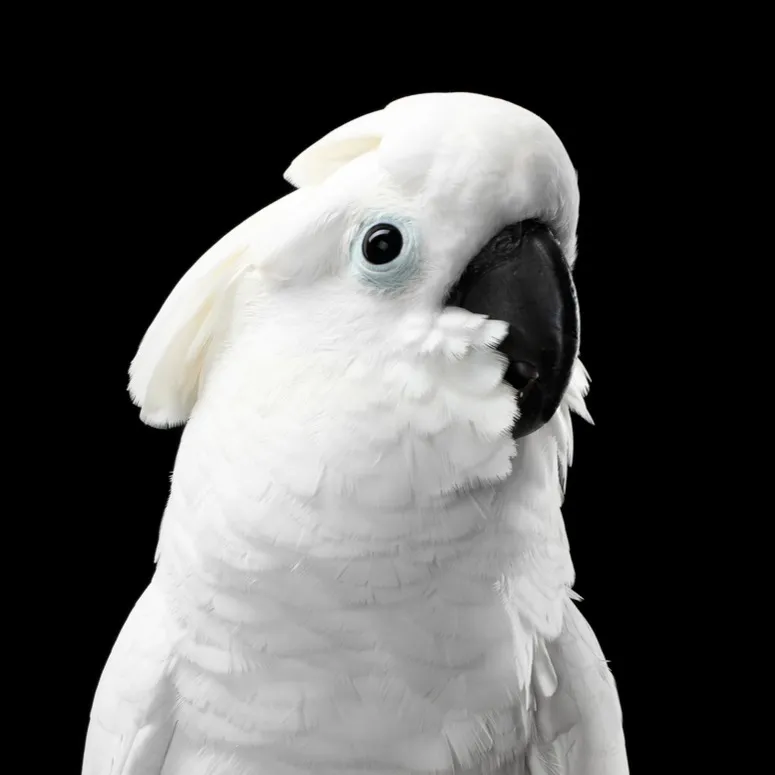
Umbrella Cockatoo.
Goffin's Cockatoo.
- Palm cockatoos need a large indoor aviary, not just a regular cage.
- The space should be at least 10 feet long, 6 feet wide, and 6 feet high.
- Room to fly is important for their physical and mental health.
- Use strong, durable materials to keep the aviary safe and secure.
- Add perches, toys, and foraging spots to keep them active and entertained.
Written by
Happy Pet TeamAuthor
Team Happy Pet is a passionate collective of pet experts, enthusiasts, and advocates dedicated to sharing trusted and insightful content.
Our cont
Compare with similar breeds
Frequently Asked Questions
Are Palm Cockatoos good pets?
Palm Cockatoos make good pets. They are incredibly intelligent; however, they are not known to be affectionate.
What is the life span of the Palm Cockatoo?
The average lifespan of the Palm Cockatoo varies from 50 to 60 years.
Is the Palm Cockatoo a rare bird?
Yes, Palm Cockatoos are considered a rare bird species and are listed as a Near Threatened bird species.