
Home
/
Bird species
/
Hyacinth macaw
Hyacinth macaw
Origin
South America
Size
Large Breed
Ideal Weather
18º-30ºC
Avg Monthly Expenses
₹2,000
Basic Lifestyle
₹3,000
Premium Lifestyle
Top 5 Traits
Social
Intelligent
Affectionate
Curious
Gentle
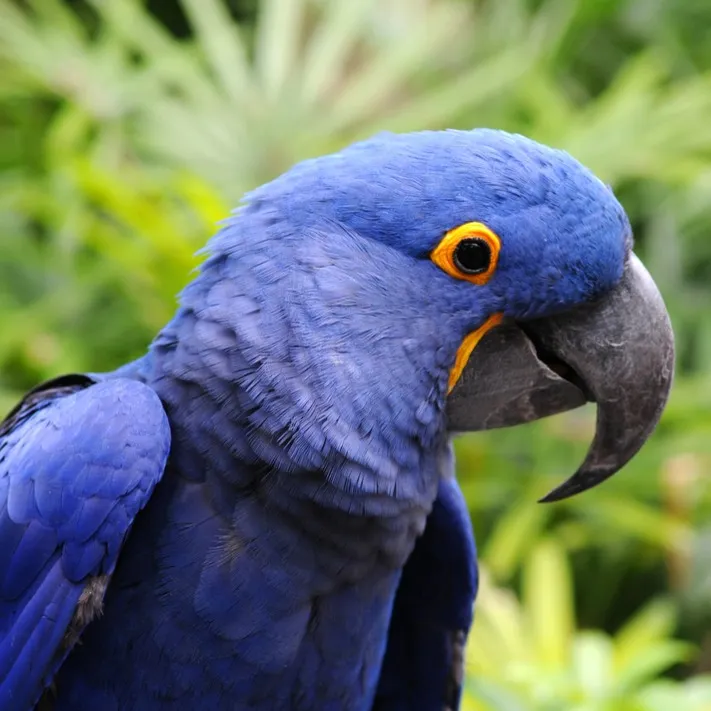
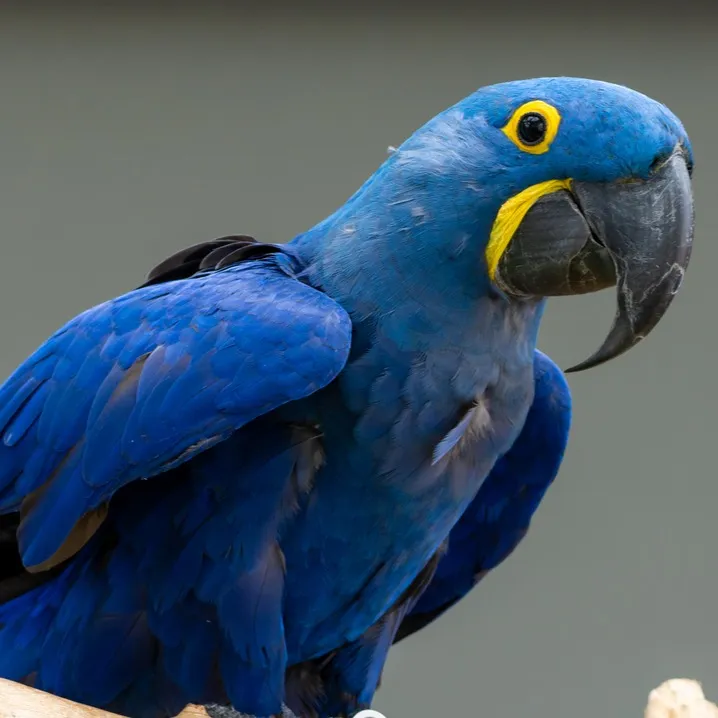
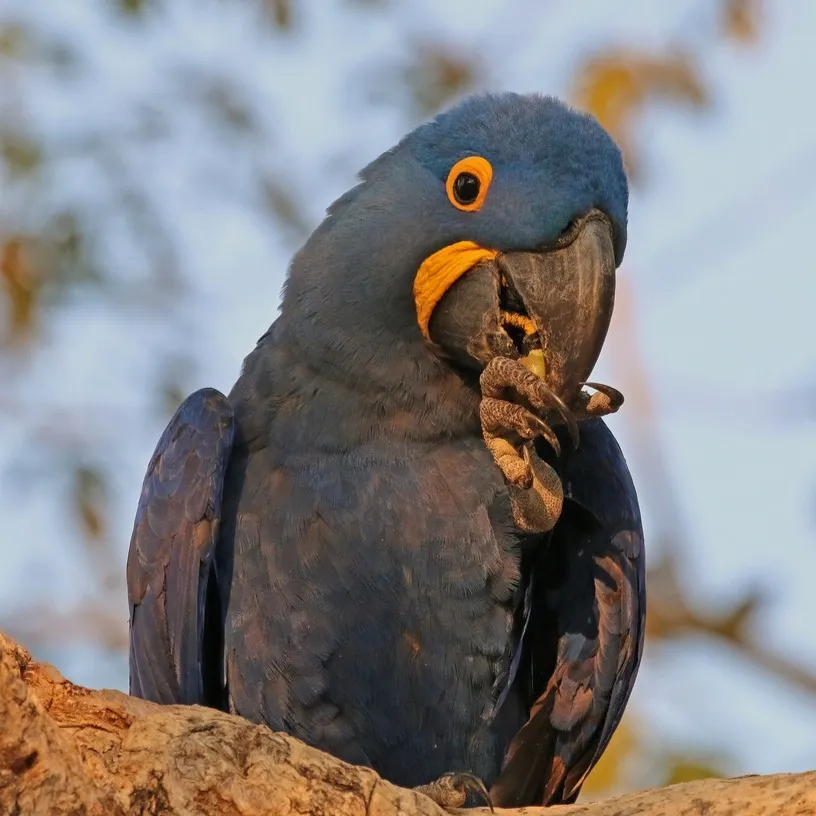
Hyacinth Macaw: Learn All About The Largest Parrot
The largest of all parrots, the lovely cobalt-blue hyacinth macaw is a rare and endangered species that should only be owned by a very committed owner who can meet the needs as big as the bird itself. They are known for their big beaks that make them look like they are always smiling.
Characteristics
Affection
Not Friendly
Super Friendly
Vocalization
Silent
Vocal
Intelligence
Low
High
Social Behavior
Prefer Isolation
Very Social


Hyacinth Macaw: Nutrition Guide
Monthly Food Expenses
₹1,000 - ₹ 1,500
Ideal weight
1200 - 1700 grams
Essential Nutrients
Protein
Carbohydrates
Fats
Vitamins
Minerals
List of foods
Nuts
Seeds
Fruits
Vegetables
Leafy Greens
Cooked eggs
Pellets
Hyacinth Macaws are large and active birds that require a balanced and nutrient-rich diet to support their energy levels.
Foods That Are Toxic To Hyacinth Macaws
Avoid anything with these ingredients
Dairy products
High-fat foods
Mushrooms
Onions
Garlic
Salty snacks
Avocado
- Chocolate and caffeine - They are considered highly toxic to birds and can cause health issues like vomiting, diarrhea, and seizures.
- Alcohol - stay away from alcohol, as even extremely small amounts can lead to poisoning.
- Onions and garlic contain sulphur and allicin, which can cause anemia and damage red blood cells.
- Fruit seeds - They contain cyanide, which is toxic.
- Snacks high in salt and sugar can lead to kidney issues, obesity, and heart problems.


Hyacinth Macaw Health Guide
Avg Monthly Expenses
₹1,000 - ₹1,500
Recognising Stress
Feather Plucking
Excessive Vocalization
Withdrawal or Hiding
Loss of Appetite
Changes in Sleep Patterns
Stress Bars on Feathers
Panting or Open-Mouth Breathing
Common Health Issues
Psittacosis
Respiratory Infections
Chlamydiosis
Feather cysts
Aspergillosis
Nutritional Deficiencies (e.g., Vitamin A deficiency)
Heavy Metal Toxicity (Lead and Zinc Poisoning)
Energy Level
High
Preventative measure
Physical checkup every 6-12 months
Annual Blood Work
Annual Fecal Exam
Beak Assessment
Nail Trimming
Feather Assessment
Mental Stimulation
Physical Stimulation
Common Health Issues in Hyacinth Macaws
- Proventricular dilation disease (PDD) - In birds with proventricular dilatation illness, the stomach's nerves are impacted. It can be acquired through contact with the droppings of an infected bird or through exposure to a polluted environment. It happens when the stomach loses its capacity to contract normally as it extends. The following are the symptoms of PDD:
- Sudden increase in hunger, which is followed by drastic weight loss.
- The droppings contain undigested food (i.e., complete seeds are passed out).
Prerequisites to pet a Hyacinth macaw
Time Commitment.
Noise Tolerance.
Living Space.
Enrichment .Activities
Hyacinth Macaw Natural Habitat
Initial Setup Cost
₹2,500 - ₹ 3,090
Monthly Expenses
₹1,000 - ₹ 1,500
Essential Equipment
Bird Cage
Perches
Food/ water dishes
Toys and Enrichment
Cage Liner Paper
Shower Perch
Compatible mates
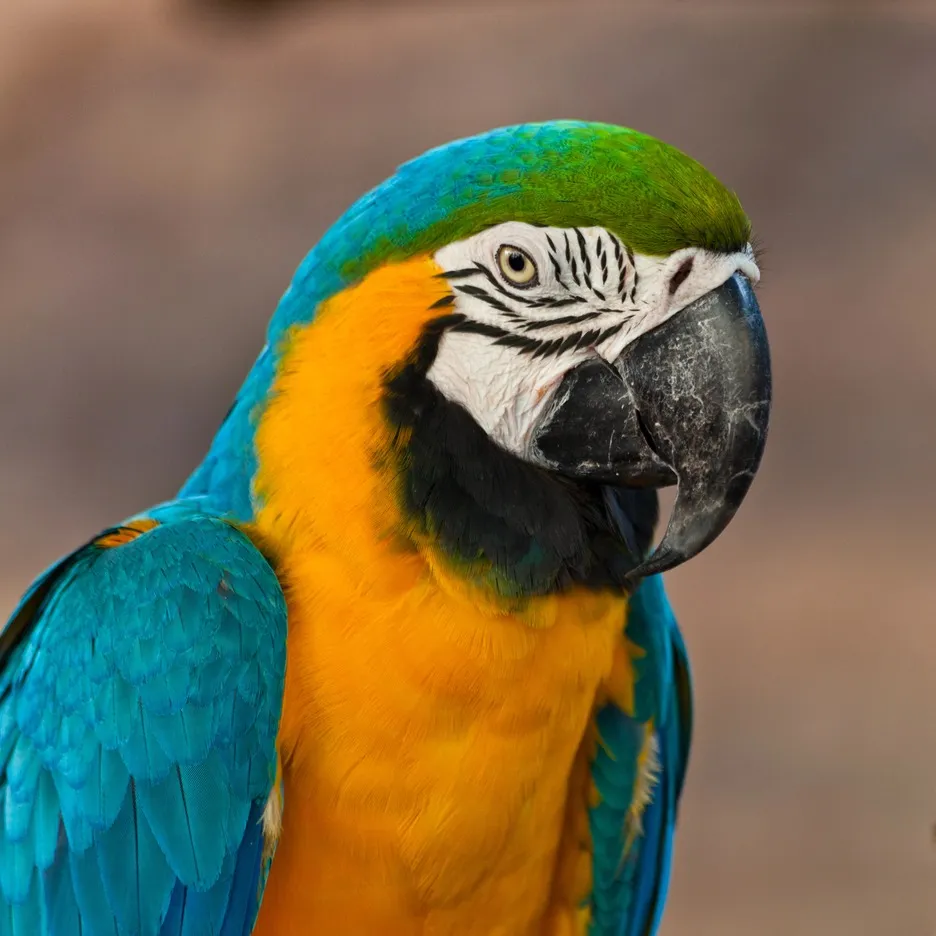
Blue-and-Gold Macaw.
Green-Winged Macaw.
Scarlet Macaw.
Military Macaw.
According to WebMD, the inland regions of South America, namely Brazil, eastern Bolivia, and northeastern Paraguay, are home to hyacinth macaws. Hyacinth macaws are typically found in less forested environments, such as palm swamps and flooded grasslands, whereas the majority of parrot species prefer to dwell in dense tropical rainforests. The Pantanal region of Brazil, the biggest tropical wetland in the world, is home to the majority of the hyacinth macaw population.
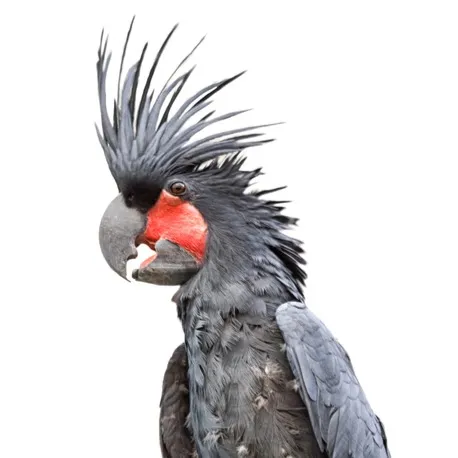
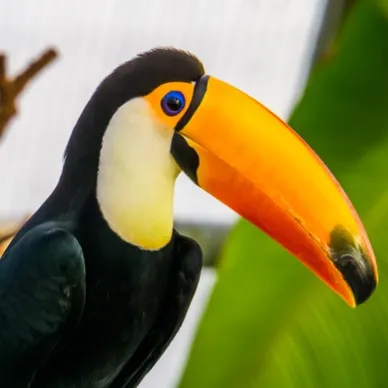
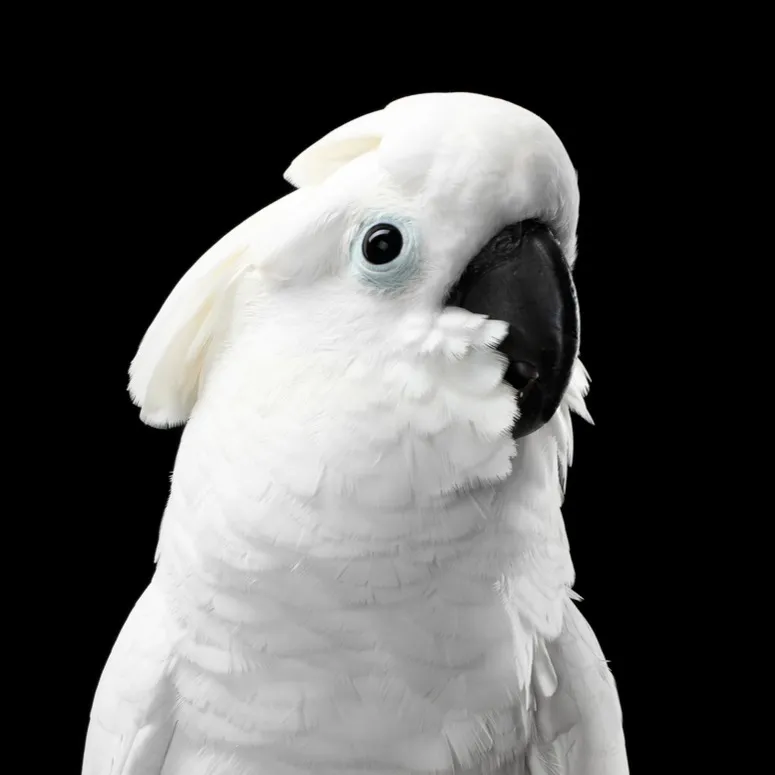
Compare with similar breeds
Frequently Asked Questions
Is the Hyacinth Macaw the largest parrot breed?
Yes, they are the largest parrot breed with a height of 3 feet and wingspan of up to 5 feet.
Is a Hyacinth macaw a good pet?
Yes, but they are recommended only for experienced bird owners who can dedicate a lot of time and space for the bird.
Is the Hyacinth Macaw Endangered?
The species is listed in the vulnerable category due to the pet trade, agriculture, and hunting.
Is it legal to own a Hyacinth Macaw in India?
No, it is not legal to own a Hyacinth Macaw in India without the necessary documentation and permits.
Are Hyacinth Macaws aggressive?
No, they are considered gentle birds. But if left alone for extended periods of time, they could turn aggressive.