Home
/
Compare Bird Species
/
Lovebird vs Pigeon
Lovebird vs Pigeon
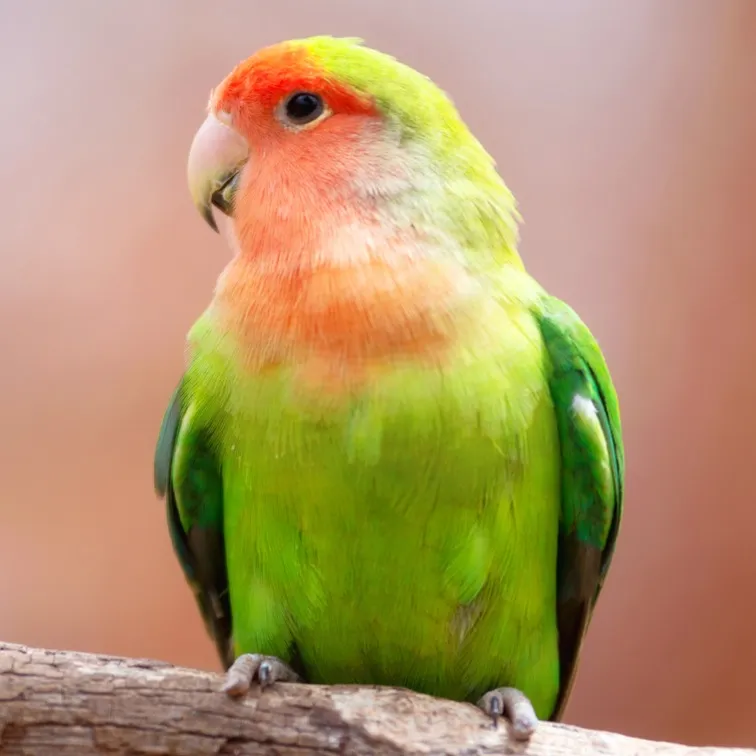
Lovebird
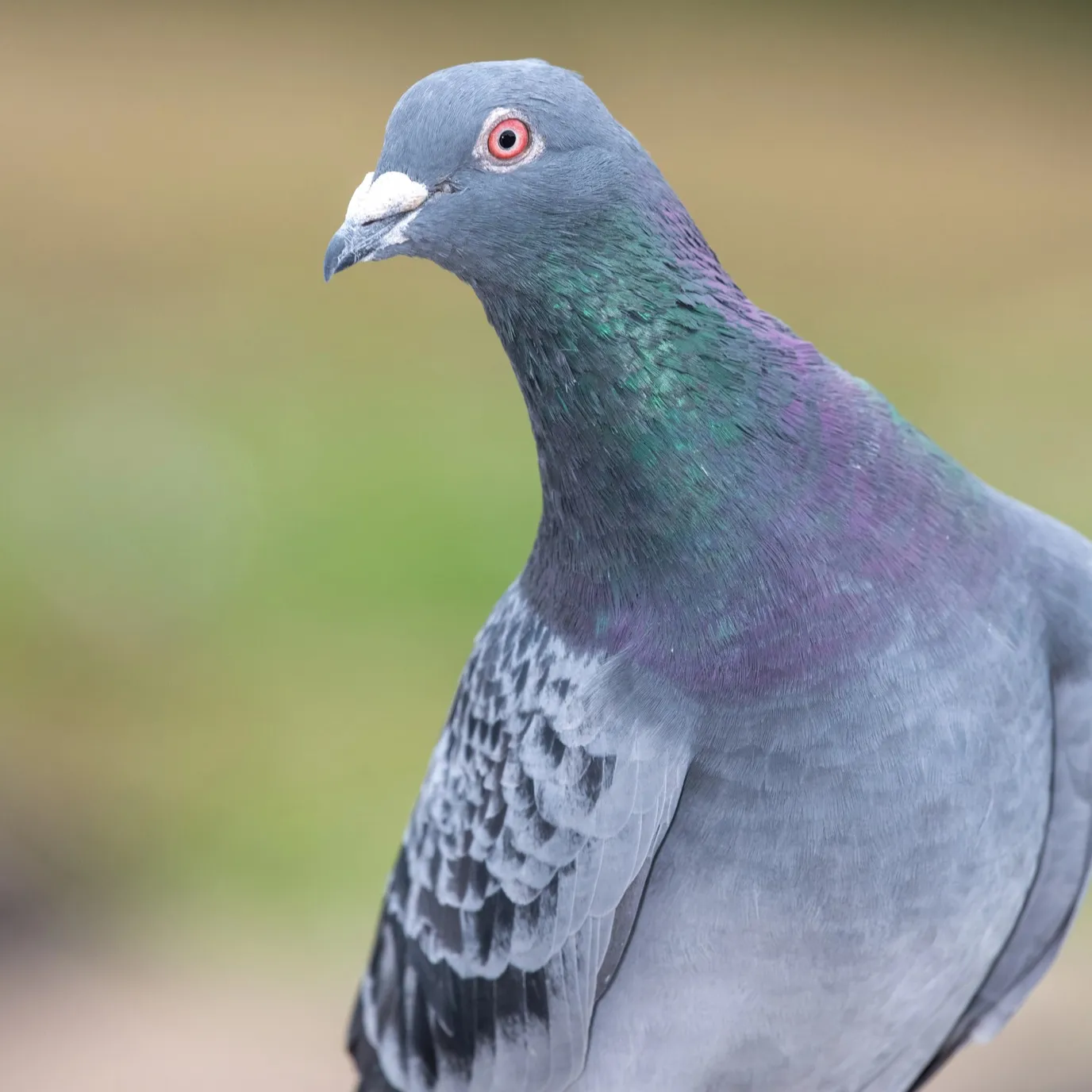
Pigeon
Characteristics
Affection
Not Friendly
Super Friendly
Vocalization
Silent
Vocal
Intelligence
Low
High
Social Behavior
Prefer Isolation
Very Social
Affection
Not Friendly
Super Friendly
Vocalization
Silent
Vocal
Intelligence
Low
High
Social Behavior
Prefer Isolation
Very Social
Basic Information
Avg Monthly Expenses
₹1,500
Basic
₹2,999
Premium
Classification
Psittaciformes
Life Expectancy
10 - 15 years
Ideal Weather
18º - 30º celsius
Maintenance
Moderate
Size
Small
Avg Monthly Expenses
₹2,500
Basic
₹3,500
Premium
Classification
Columbiformes
Life Expectancy
10 - 15 years
Ideal Weather
10º - 25º celsius
Maintenance
Moderate
Size
Small
Overall Summary
Overall Summary
Frequently Asked Questions
How long do lovebirds live?
Lovebirds typically live between 10 and 15 years with proper care. Some even thrive up to 20–25 years.
Are lovebirds easy to look after?
Yes! They’re great for beginners who can give time and attention. These birds need a safe cage, a balanced diet, toys, and at least 1 hour of daily interaction and open flying time in a secure environment.
What should lovebirds eat?
A pellet-based diet should form 60 to 70% of their diet. Adding to that, 20 to 30% should be fresh fruits & veggies. Use small seeds as treats. Always provide fresh clean drinking and bathing water.
Do lovebirds talk or whistle?
They’re natural chatterers. They whistle, mimic simple sounds, and chirp happily. Rarely, some may learn a few words, but their speech is usually high-pitched and limited.
How much space do lovebirds need?
At a bare minimum, a cage of at least 18″×18″×18″ per bird, with perches, ladders, and toys is a must. They also need 1–2 hours of safe out-of-cage time daily for exercise and mental stimulation.
How do I know if my lovebird is sick?
Watch for signs like fluffed feathers, lack of appetite, sneezing, odd droppings, lethargy, or mood changes.