Home

/

Bird species

/

Pigeon

Pigeon

Origin

South Asia

Europe

Size

Small Breed

Ideal Weather

10º-25ºC

Avg Monthly Expenses

₹2,500

Basic Lifestyle

₹3,500

Premium Lifestyle

Top 5 Traits

Curious

Social

Gentle

Affectionate

Intelligent
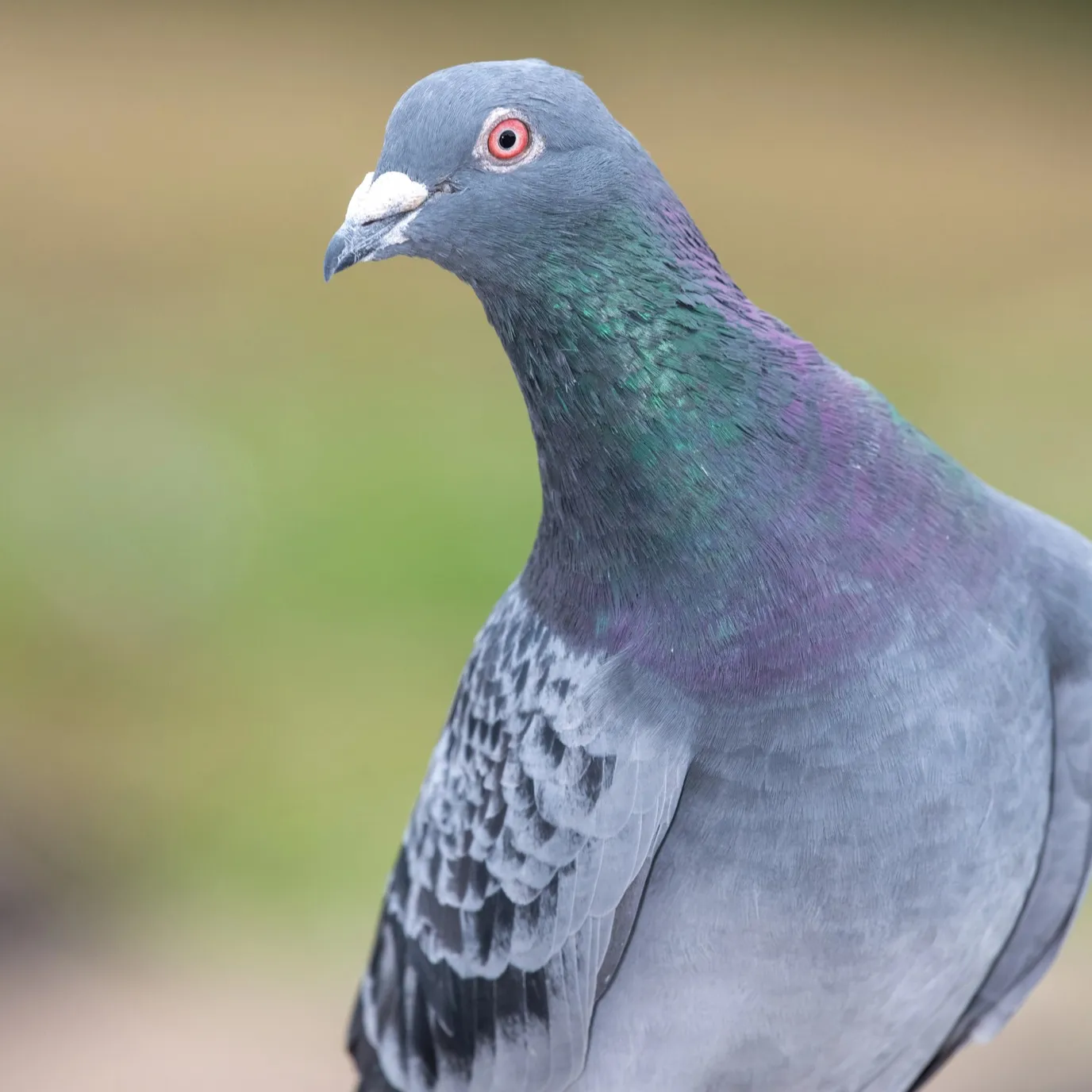
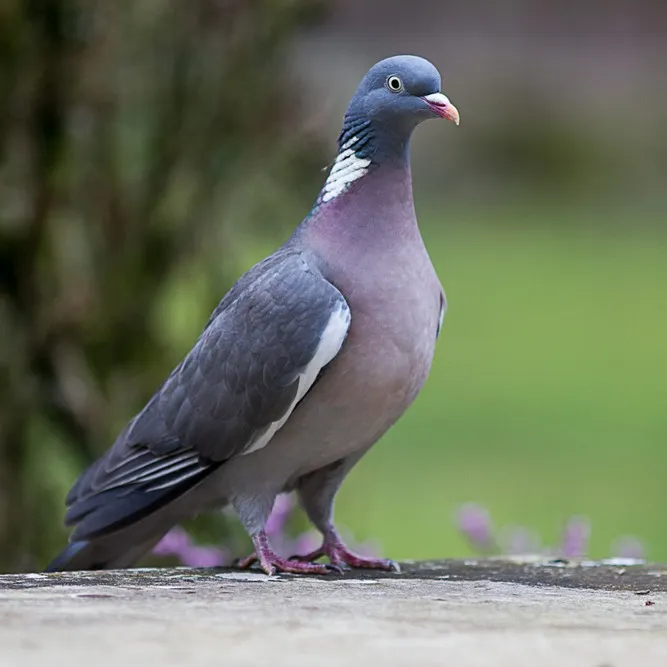
A close up of a gray pigeon with a white beak and iridescent green and purple neck feathers
written by image

by Happy Pet TeamUpdated on 17 Jun 2025

Introduction to Pigeons

Pigeons are also known as Columbidae. They are gentle, social birds that have lived alongside humans for centuries. They come from wild rock pigeons and have become beloved companions around the world. Known for their soft cooing and graceful flight, they often form lifelong bonds. Their intelligence and adaptability help them thrive in both cities and rural areas. With a clean space and balanced diet, pigeons make calm and loyal pets. Want to know more about these birds? Let’s explore in further sections.

Lifespan of Pigeons

Pigeons generally have a life expectancy of 10 to 15 years. With good care, proper nutrition and medical care, they can live longer.

Physical characteristics of the Pigeons

  1. Pigeons can grow from 25 to 35 CM in height.
  2. Generally males are bigger than females.

Temperament of the Pigeon

  1. Some doves may grow to enjoy gentle handling, but many prefer not to be touched.
  2. They’re peaceful companions you’ll love to watch and listen to.
  3. Their soft cooing adds a calming vibe to any space.
  4. Doves are best for those who enjoy quiet observation over hands-on interaction.
  5. They aren’t the right fit for kids who want to cuddle or hold their bird.

Characteristics

Affection

Not Friendly

Super Friendly

Vocalization

Silent

Vocal

Intelligence

Low

High

Social Behavior

Prefer Isolation

Very Social

about image

Nutrition Guidelines for Pigeons

Monthly Food Expenses

₹1,500 - ₹ 2,000

Ideal weight

238 - 380 grams

Essential Nutrients

Protein

Carbohydrates

Fats

Vitamins

Minerals

List of foods

Seeds

Vegetables

Fruits

Legumes

Cooked eggs

Pellets

Nuts

Pigeons require a balanced diet that contains proteins, vitamins, minerals, and fats. Here is what you should focus on while designing a diet for your bird.

  1. Protein-rich food helps in muscle development and growth.
  2. Fats are used in a balanced fashion that helps in providing energy and lustrous feathers.
  3. Nutrients that support immunity, bone development and joint health.

Best food to feed your Pigeons

Here are some of the best food items that you can feed your Columbidae birds-

  1. Include seeds and pellets as the base food.
  2. Include vegetables like bell peppers, carrots and leafy greens in their diet.
  3. You can also feed them fruits like apples, strawberries, papaya, mangoes and cherries.
  4. Keeping them hydrated is equally important. Provide clean water in adequate amounts.

Foods that are harmful to Pigeons

Avoid anything with these ingredients

High-fat foods

Salty snacks

Chocolate

Avocado

Alcohol

Onions

Garlic

Just like how you got an idea of what all the food items should be fed to your pet bird. It is also essential to know what food items can cause harm to your pet. Here is a list of those food items that should be avoided-


  1. Avoid food items that have a high amount of fat, which leads to obesity.
  2. You should not feed them foods like chocolates, avocado, alcohol, caffeine, onion and garlic that can cause serious issues to their digestive system.
  3. Do not feed them food that contains high amounts of salt. This can cause serious damage to their kidneys and cause dehydration.
  4. Meat can have bacteria and can cause infections in birds.
  5. Dairy products should be avoided as birds do not have the enzymes that can digest lactose.
  6. Avoid Xylitol, which is a sugar substitute, as this is toxic for birds.
about image

Healthcare Guide for Pigeons

Avg Monthly Expenses

₹1,000 - ₹1,500

Recognising Stress

Feather Plucking

Loss of Appetite

Decreased Social Interaction

Changes in Droppings

Aggression

Common Health Issues

Respiratory Infections

Nutritional Deficiencies (e.g., Vitamin A deficiency)

Pigeon Paramyxovirus (PPMV)

Pigeon Fungal Infections

Pigeon Malaria

Wing and Leg Injuries

Energy Level

Medium

Preventative measure

Physical checkup every 6-12 months

Annual Blood Work

Beak Assessment

Nail Trimming

Feather Assessment

Environmental Enrichment

Use Cage Covers

Common health issues found in Pigeons

Here are some of the common health issues found in pigeons-

  1. Salmonellosis (Paratyphoid): Causes joint swelling, blindness, or even death.
  2. Colibacillosis: Affects mostly young pigeons and is caused by E. coli.
  3. Ornithosis: A respiratory infection with symptoms like nasal discharge and swollen eyes.
  4. Coccidiosis: A parasitic gut disease causing weight loss and diarrhea.
  5. Worms: Lead to poor digestion, weight loss, and breeding issues.
  6. Trichomoniasis (Canker): Causes cheesy sores in the mouth and throat.
  7. Pigeon Adenovirus: May cause vomiting, diarrhea, and weight loss.
  8. Paramyxovirus-1: Triggers neurological symptoms like head twisting and poor balance.
  9. Pigeon Circovirus: Seen mostly in young birds, causing fatigue and breathing trouble.
  10. Pigeon Pox: Causes skin sores and spreads through insects or dirty food/water.

General health care guide for Pigeons

  1. Regular vet visits are a must: Schedule check-ups every 6–12 months to catch any health issues early and keep your Pigeon in top shape.
  2. Keep an eye on the basics: Routine fecal checks, blood tests, and evaluations of their beak, nails, and feathers help maintain overall health.
  3. Mental wellness matters too: Toys, puzzles, and daily interaction keep their minds active and spirits high.
  4. Consistency is key: Avoid sudden changes in their diet and use cage covers at night to help them feel secure.
  5. Know the warning signs: Watch for stress signals like feather plucking, aggression, or loss of appetite. Early action can make a big difference.
  6. A clean living space and a balanced, nutritious diet go a long way in keeping your parrot happy and healthy.

Prerequisites to pet a Pigeon

Time Commitment.

Noise Tolerance.

Living Space.

Enrichment Activities.

Ideal habitat for Pigeon

Initial Setup Cost

₹2,500 - ₹ 3,000

Monthly Expenses

₹1,000 - ₹ 1,500

Essential Equipment

Bird Cage

Perches

Food/ water dishes

Toys and Enrichment

Cage Liner Paper

Bird Cage Bedding

Cuttle Bone

Compatible mates

Mourning Dove.

Ringneck Dove.

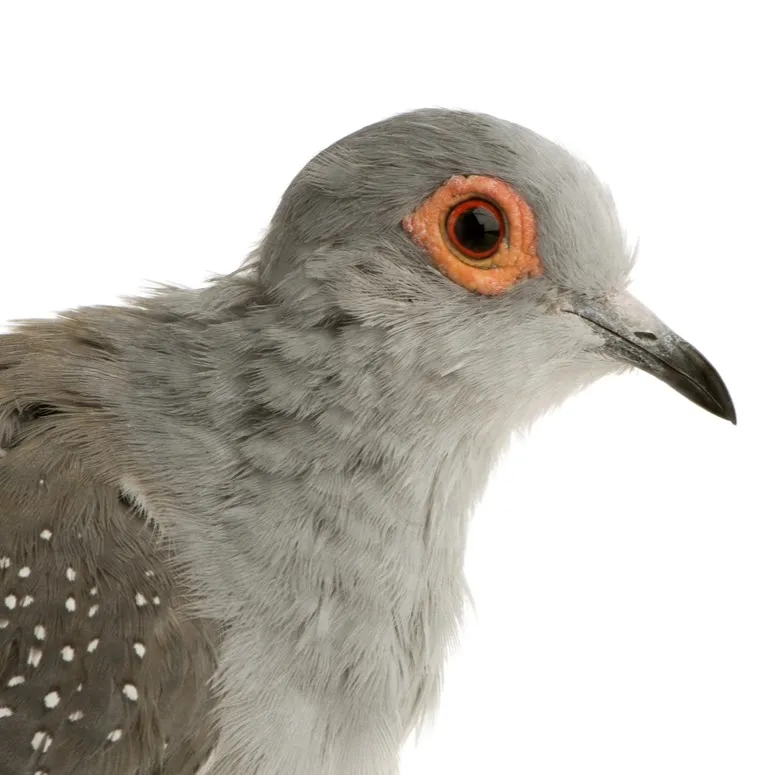
Diamond Dove.

Victoria Crowned Pigeon.

  1. Choose a sturdy, spacious cage or loft for your pigeons.
  2. Make sure they have access to fresh air but are protected from sun, wind, and predators.
  3. Provide a flat, sheltered spot for nesting.
  4. Give them enough room to fly and move around freely.
  5. Keep the space dry and well-ventilated to avoid dampness.
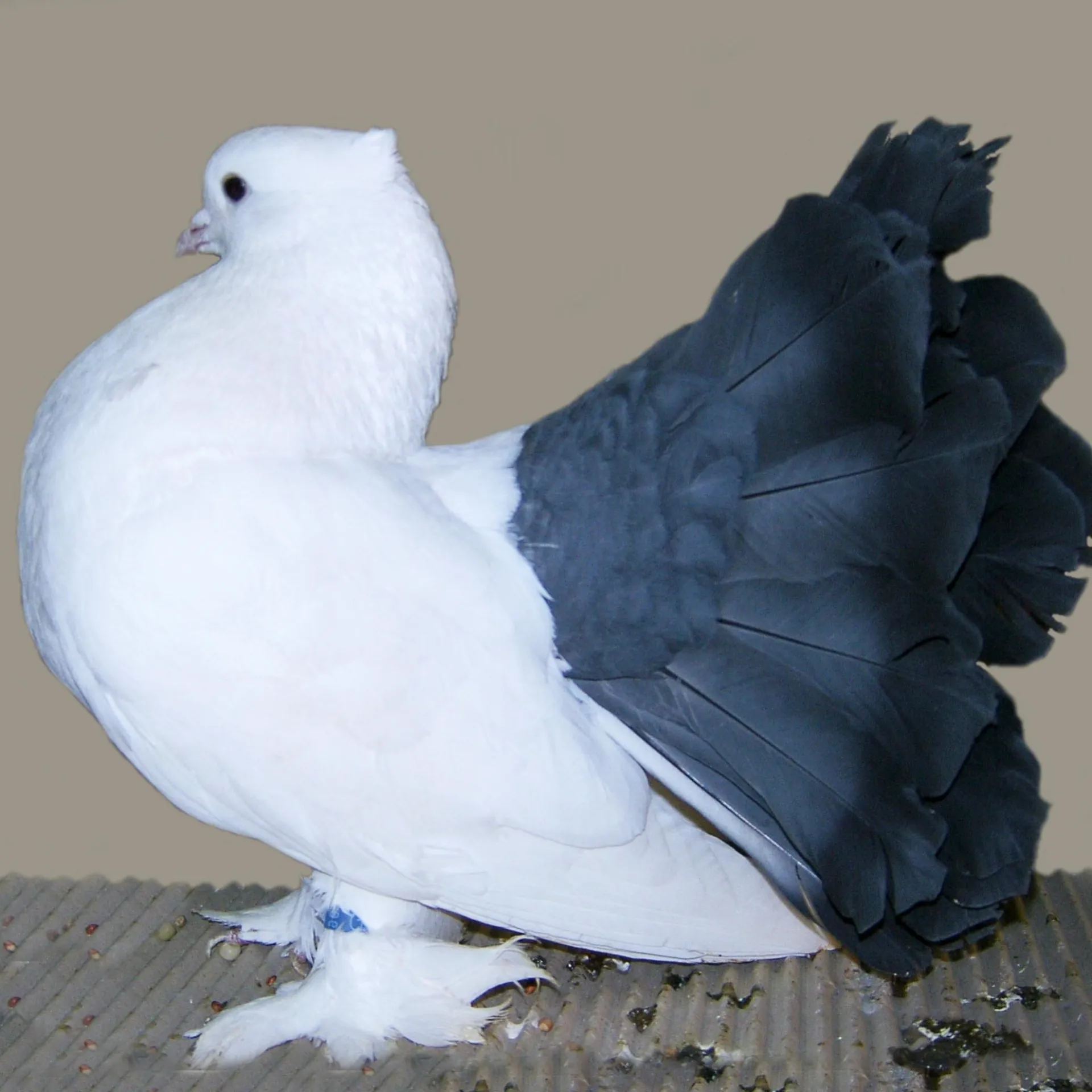
Coat Variants of Pigeon

Fantail Pigeon

Fantail Pigeon

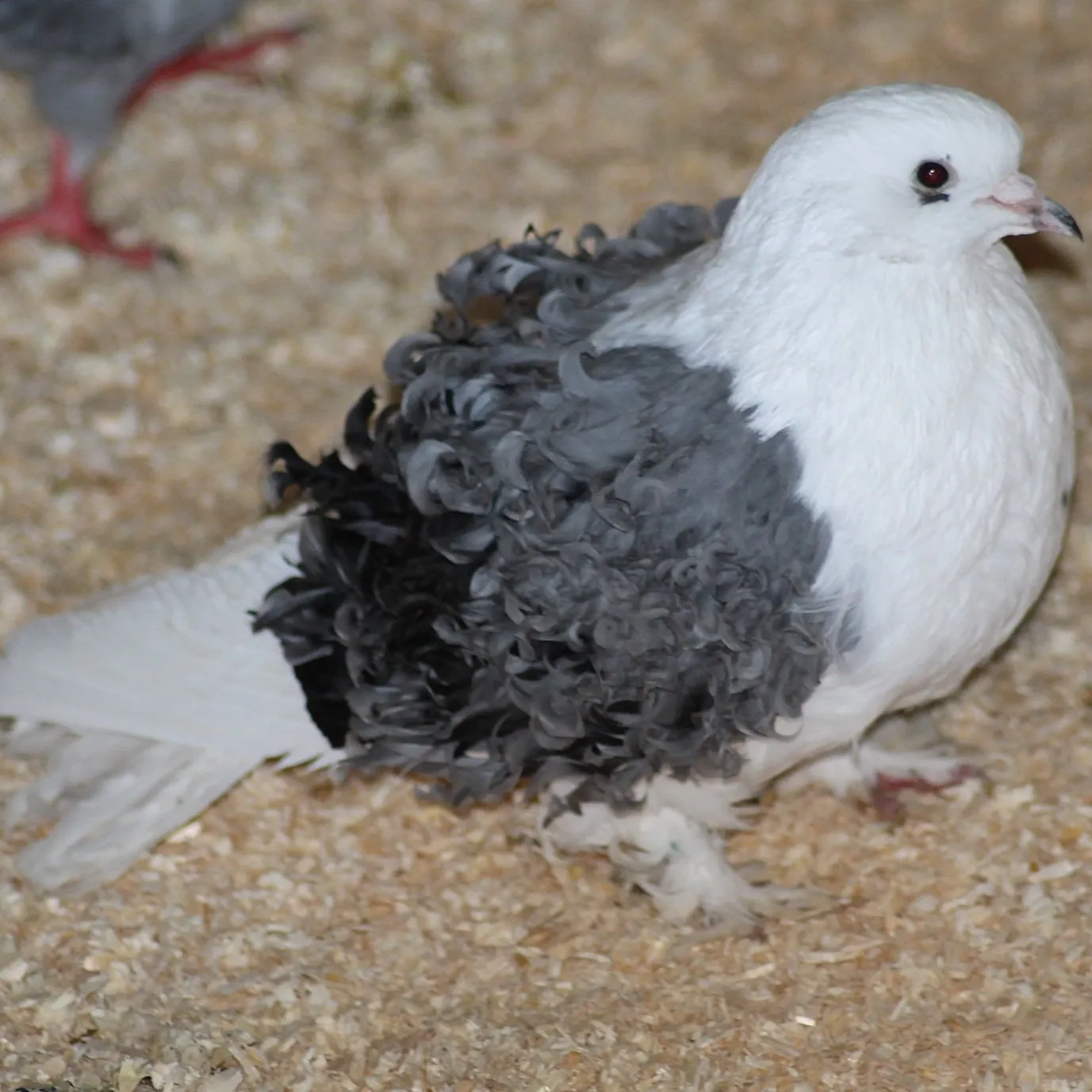
Frillback Pigeon

Frillback Pigeon

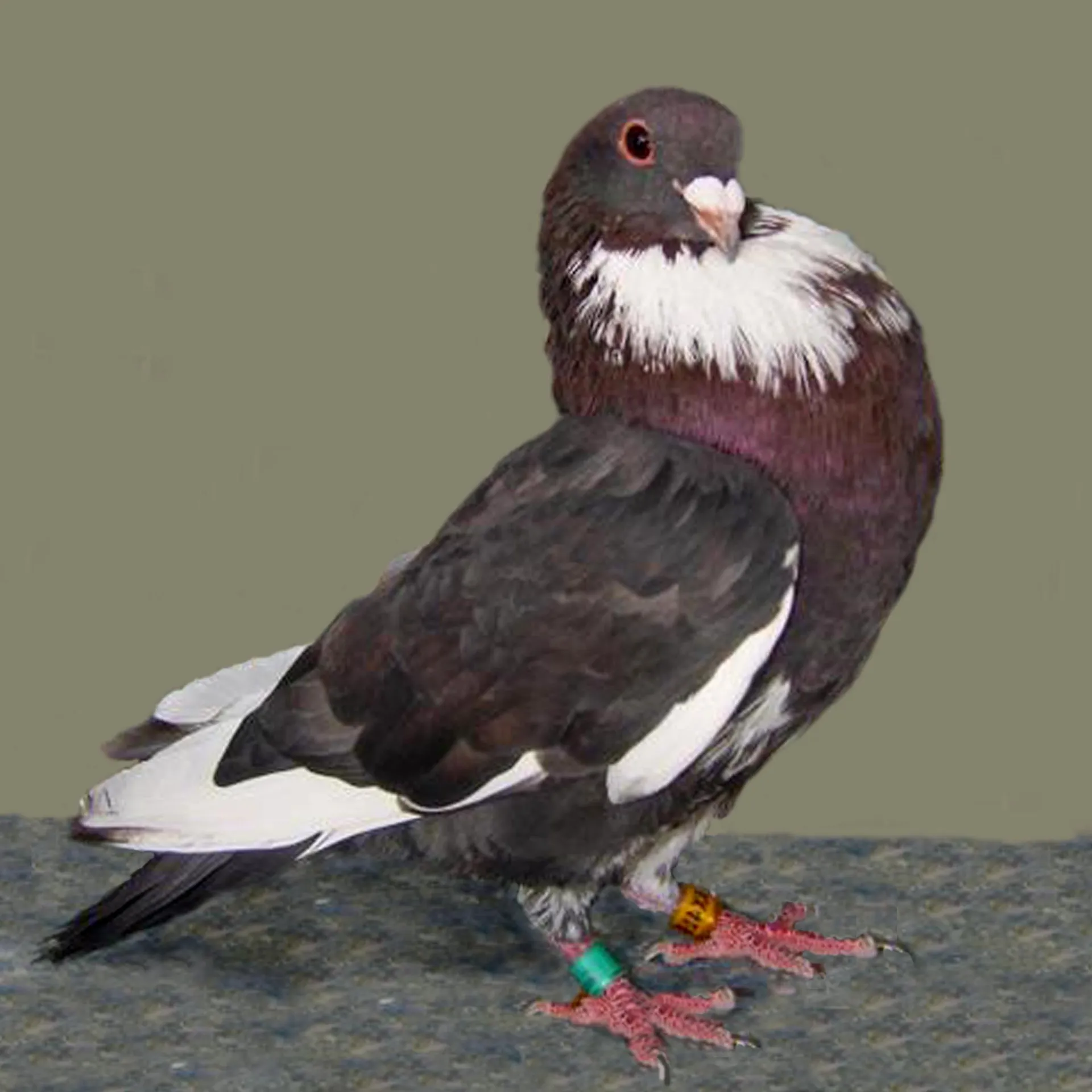
Pouter Pigeon

Pouter Pigeon

written by image

Written by

Happy Pet Team

Author

Team Happy Pet is a passionate collective of pet experts, enthusiasts, and advocates dedicated to sharing trusted and insightful content.

Our cont
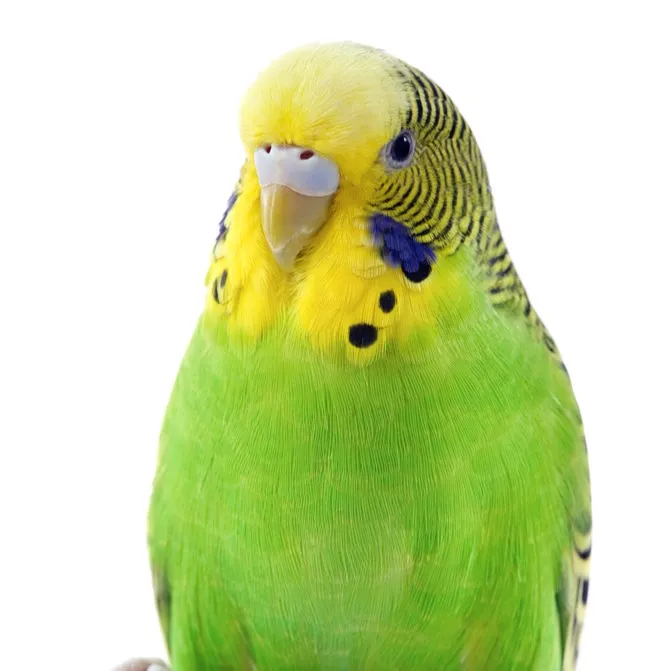
 

Compare with similar breeds

Green and yellow budgerigar with blue cheek patches against a white background

Budgerigar

Compare
Green lovebird with orange and yellow on its head perched on a branch

Lovebird

Compare
Gray and yellow Cockatiel with orange cheek patches and a crest

Cockatiel

Compare
A green Hahns macaw with a blue crown and red wing patches perches on a branch

Hahn’s Macaw

Compare

Frequently Asked Questions

What is the lifespan of pigeons?

Pigeons generally have a lifespan of 10 to 15 years.

Is pigeon bird good for home?

Pigeons can be great pets for home, they are affectionate and friendly. However, keep in mind that they have some health issues associated which can affect humans.

What food do pigeons eat?

Pigeons eat seeds, fruits, vegetables, insects and small vertebrates.

What are the most common diseases in pigeons?

Common pigeon diseases include salmonellosis (paratyphoid), pigeon herpesvirus, and coccidiosis. All serious infections that require prompt care.