
Home
/
Bird species
/
Lovebird
Lovebird
Origin
South Africa
Size
Small Breed
Ideal Weather
18º-30ºC
Avg Monthly Expenses
₹1,500
Basic Lifestyle
₹2,999
Premium Lifestyle
Top 5 Traits
Affectionate
Playful
Energetic
Social
Curious

by Happy Pet TeamUpdated on 20 Jun 2025
Important Information about Lovebirds
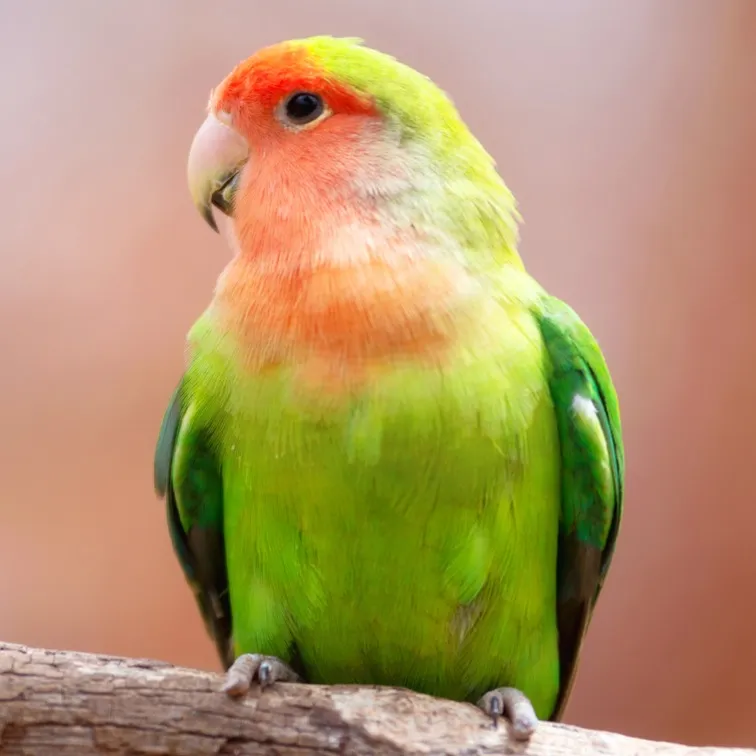
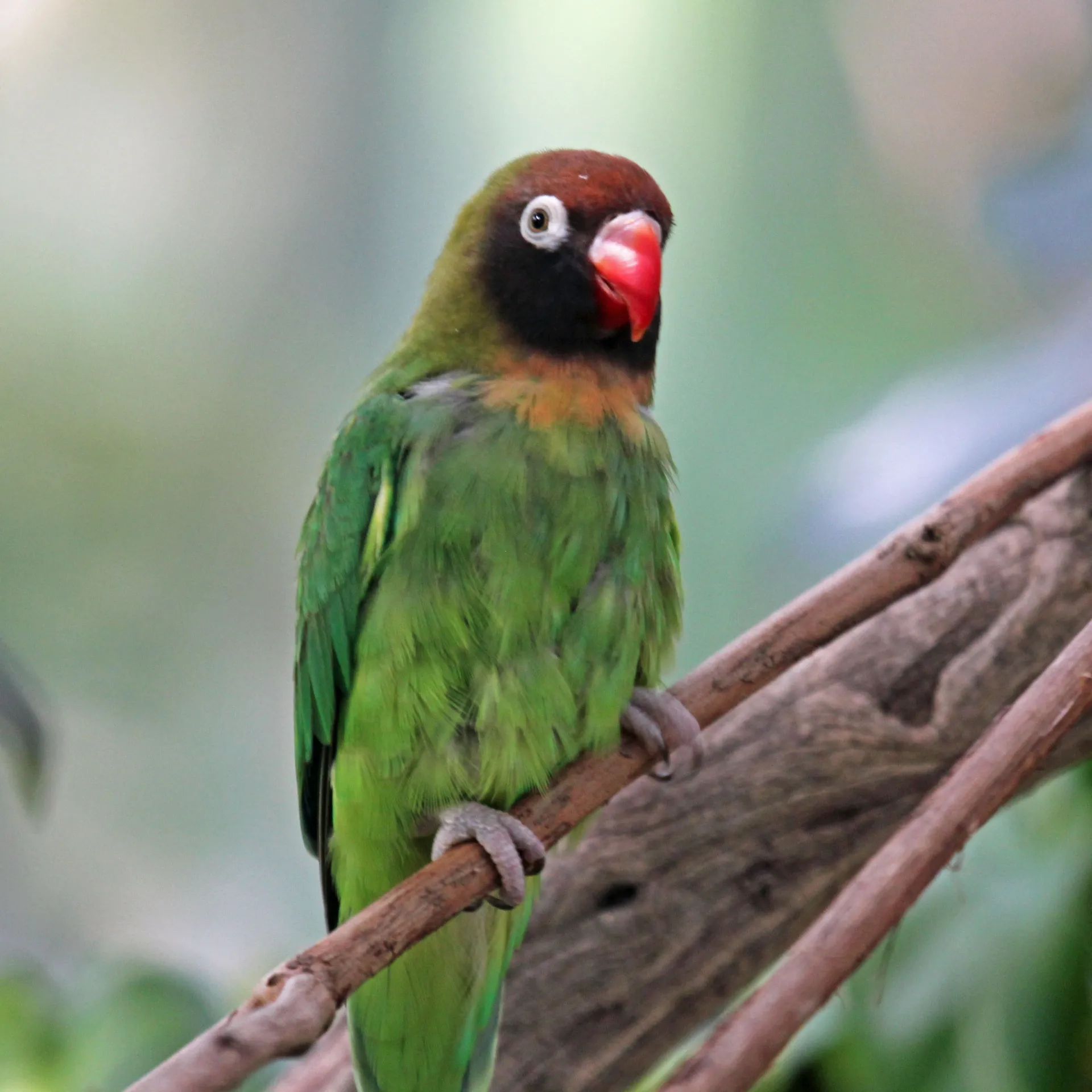
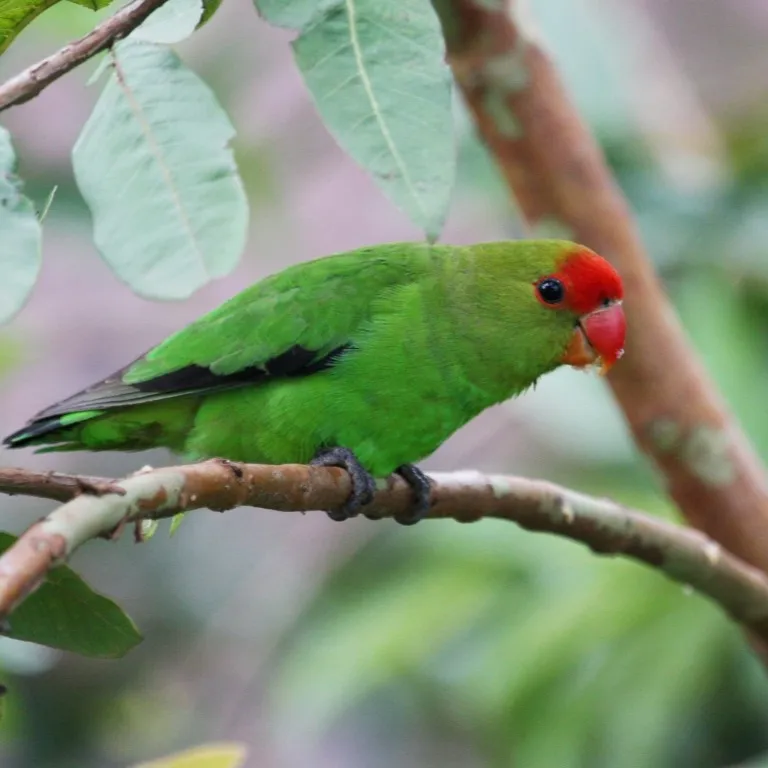
Lovebirds are probably the most famous of the small parrots. They are essentially small, stocky parrots. Native to Africa, their plumage is often brilliantly colored. Their friendly, curious nature and affectionate pair bonds make them beloved pets. They are one of the most popular pet birds for beginners in India.
Characteristics
Affection
Not Friendly
Super Friendly
Vocalization
Silent
Vocal
Intelligence
Low
High
Social Behavior
Prefer Isolation
Very Social


What Kind of Food is Best for Lovebirds?
Monthly Food Expenses
₹1,000 - ₹ 1,500
Ideal weight
40 - 60 grams
Essential Nutrients
Protein
Carbohydrates
Fats
Vitamins
Minerals
List of foods
Seeds
Fruits
Vegetables
Herbs
Cooked eggs
Leafy Greens
Pellets
Wild Diet
Which Foods to Avoid for a Lovebird?
Avoid anything with these ingredients
Chocolate
Alcohol
Avocado
Caffeine
Onions
Garlic
Mushrooms
Lovebirds should never eat certain foods and substances because they can harm or even kill them. Below is a list of those foods to avoid.


Health
Avg Monthly Expenses
₹500 - ₹1,499
Recognising Stress
Feather Plucking
Tail Bobbing
Excessive Vocalization
Withdrawal or Hiding
Aggression
Changes in Droppings
Weight Loss
Common Health Issues
Psittacosis
Respiratory Infections
Fatty liver disease
Feather Plucking
Aspergillosis
Egg Binding
Polyomavirus
Energy Level
High
Preventative measure
Physical checkup every 6-12 months
Annual Blood Work
Environmental Enrichment
Avoid Sudden Diet Changes
Mental Stimulation
Medical Care
Here are a few tips to ensure your Lovebird leads a healthy and happy life with you.
Prerequisites to pet a Lovebird
Time Commitment.
Noise Tolerance.
Living Space.
Regular Cage Cleaning.
Which is the Best Habitat For a Lovebird?
Initial Setup Cost
₹2,000 - ₹ 2,500
Monthly Expenses
₹500 - ₹ 750
Essential Equipment
Bird Cage
Perches
Food/ water dishes
Toys and Enrichment
Cage Liner Paper
Cuttle Bone
Mineral Block
Compatible mates
Cockatiels.
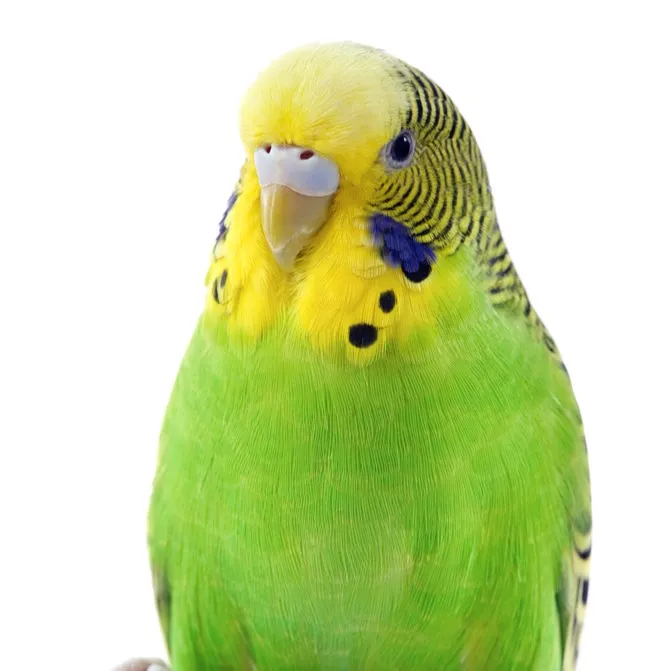
Budgerigars.
Canaries.
Wild Habitat
Written by
Happy Pet TeamAuthor
Team Happy Pet is a passionate collective of pet experts, enthusiasts, and advocates dedicated to sharing trusted and insightful content.
Our cont
Frequently Asked Questions
How long do lovebirds live?
Lovebirds typically live between 10 and 15 years with proper care. Some even thrive up to 20–25 years.
Are lovebirds easy to look after?
Yes! They’re great for beginners who can give time and attention. These birds need a safe cage, a balanced diet, toys, and at least 1 hour of daily interaction and open flying time in a secure environment.
What should lovebirds eat?
A pellet-based diet should form 60 to 70% of their diet. Adding to that, 20 to 30% should be fresh fruits & veggies. Use small seeds as treats. Always provide fresh clean drinking and bathing water.
Do lovebirds talk or whistle?
They’re natural chatterers. They whistle, mimic simple sounds, and chirp happily. Rarely, some may learn a few words, but their speech is usually high-pitched and limited.
How much space do lovebirds need?
At a bare minimum, a cage of at least 18″×18″×18″ per bird, with perches, ladders, and toys is a must. They also need 1–2 hours of safe out-of-cage time daily for exercise and mental stimulation.
How do I know if my lovebird is sick?
Watch for signs like fluffed feathers, lack of appetite, sneezing, odd droppings, lethargy, or mood changes.