German Shepherd Food Guide | What to Feed?
Discover the best food choices, feeding tips, and health considerations to keep your German Shepherd healthy, energetic, and thriving throughout their life.

5 Min Read
24 Sept, 2025
Social share
Or copy link
https://www.happypet.care/media/blogs/parenting/german-shepherd-nutrition-guide
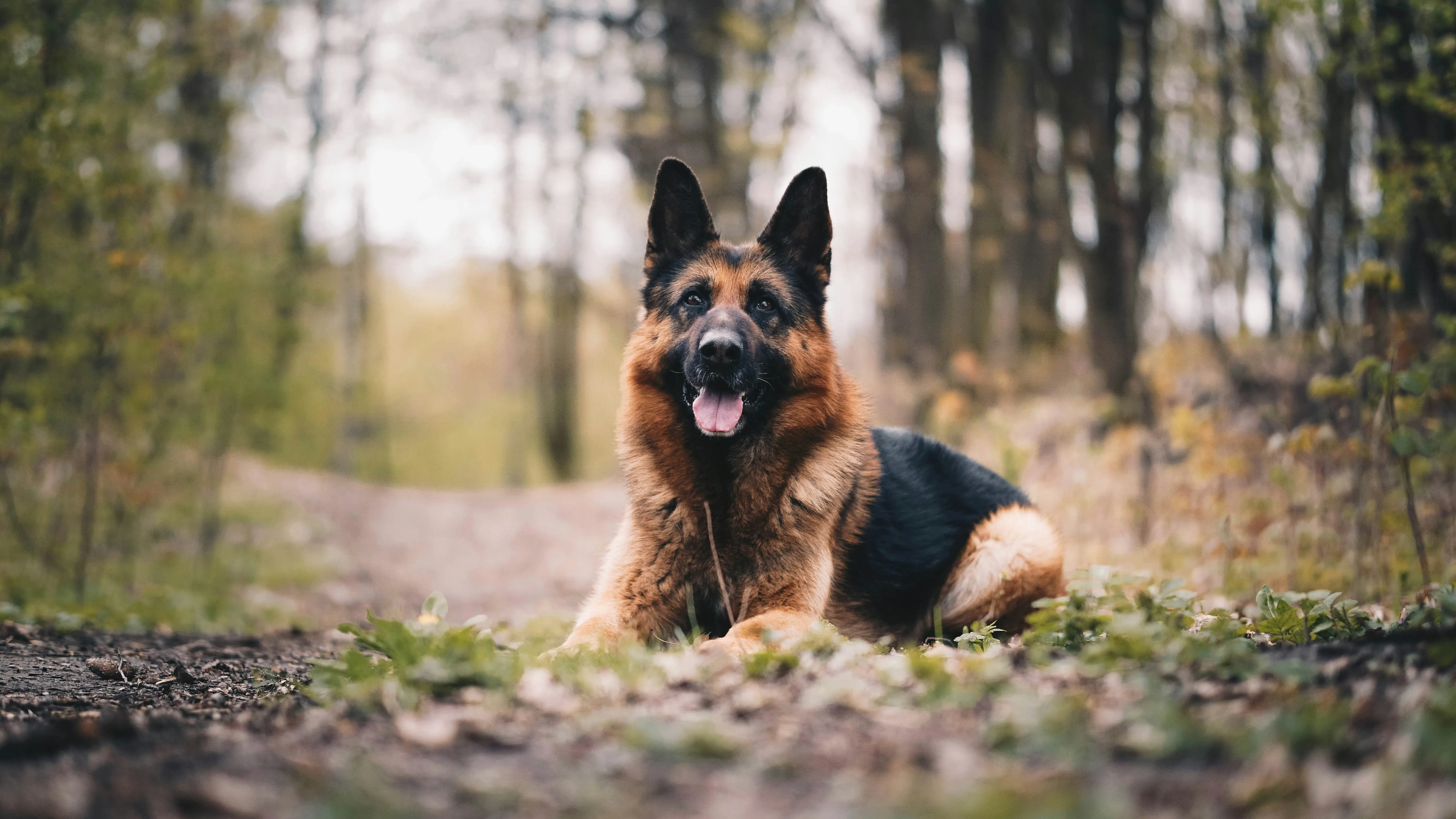
As pet parents we admire our canine company above all, more than any syllables or words can comprehend. But we all are often tied with the same thread of plight when it comes to deciding on what to feed our little pups? German Shepherds are among the most intelligent and energetic breeds of dogs and their well being depends on how incredibly you structure their lifestyle and diet. Whether they serve as police dogs, guide dogs for the disabled, or just as good family companions, these animals need to be fed a diet that meets their energy and healthcare requirements. Let's walk through the basics of the German Shepherd food guide, from puppyhood to old age, and even delve into typical health issues.
Understanding German Shepherd Nutritional Needs
Before we get into the German Shepherd food chart, let's talk facts on why the GSD's nutritional needs differ from, for example, a miniature Chihuahua or even a medium Lab. German Shepherd dogs are big, muscular breeds that need more than just run-of-the-mill nutrition. To completely fulfill their nutritional needs, they must be fed a bowl mix of protein, fat, and carbohydrates to maintain their active way of life and their joint health.
Why size and growth matter
Did you realize that too much growth in a German shepherd puppy can result in joint issues later on in life? German Shepherd dogs, being especially prone to joint issues, are susceptible to hip and elbow dysplasia if they get too much growth in their early stages. That's why baby German shepherd food should be different from what we feed an adult pal. These types of foods manage growth and make sure that the German shepherd’s bones and joints mature at the proper rate.
Consider it- your German shepherd dog is developing into a powerhouse, and you want to prepare them for a life of healthy activity. This process is similar to selecting the correct foundation for a house, placing correct and strong bricks initially will give way to a stronger building ahead, preventing much hassle later.
Protein and Energy Needs
Now, let's discuss fuel, as your German Shepherd puppy, as a big, energetic breed, needs protein to uphold muscle mass and energy. Consider how sports players require good food in order to perform, so do German shepherd dogs! Their food must comprise 20-30% protein, dry preferably, obtained from top notch sources such as chicken, beef, or lamb. These proteins assist them to be strong, active, and prepared for any escapade.
And let's not make the mistake of overlooking the strength of fats while preparing your German shepherd food chart, as they help provide the added energy burst for your pup which further maintains their shiny coat, and fuel brain function. Healthy fats such as omega-3 fatty acids in fish oil are also beneficial to joint health, which is important as your dog gets older.
German Shepherd Food Guide: The Foundation of Health
Puppyhood is a period of peak vulnerability, and a proper diet will lay the foundation for your German shepherd dog's long-term health. As much as we enjoy seeing our puppies get bigger, it is important that they do so at a healthy pace, a massively escalating growth can cause developmental problems such as hip dysplasia.
Large-Breed Puppy Diets: Controlled Growth
Consider your German shepherd puppy a small athlete in the making. They require a food that fosters consistent growth without overfeeding their developing joints with too much nutrition. Big-breed puppy foods are formulated to accomplish this. They provide the proper amount of calcium, phosphorus, and calories to support the development of bones and joints.
The trick here is moderation, you don't want your German shepherd puppy to grow too fast, for controlled growth diets can prevent the type of rapid weight gain that might cause issues like hip dysplasia down the road. It's like slowing yourself up for a race, you don't want to run too fast too soon, swelling the risk of losing eventually.
Meal Frequency: A Key to Healthy German Shepherd Food Chart
A little birdy should tell you that German shepherd dogs or Puppies in general should not be fed in one big meal! German Shepherd puppy need 3-4 meals a day for the first 6 months, post which, you can switch to 2 meals a day. While designing the German shepherd food list, including small meals help keep blood sugar levels steady and avoid bloating which is apparently a big issue in large breeds like German shepherd dog.
Keeping an eye on growth: Weight isn't everything
When dealing with puppies, it's not simply about the number on the scale, more than that it's about the overall condition of their body and health parameters. You want to be able to feel your German shepherd puppy's ribs but not to see them, and they need to have a visible waistline. If you catch them gaining weight too quickly or getting chubby, you may need to make changes in their diet. It's highly recommended to keep a close observation on their development, and ensure that they're keeping lean and healthy.
German Shepherd Food guide for Adult dogs
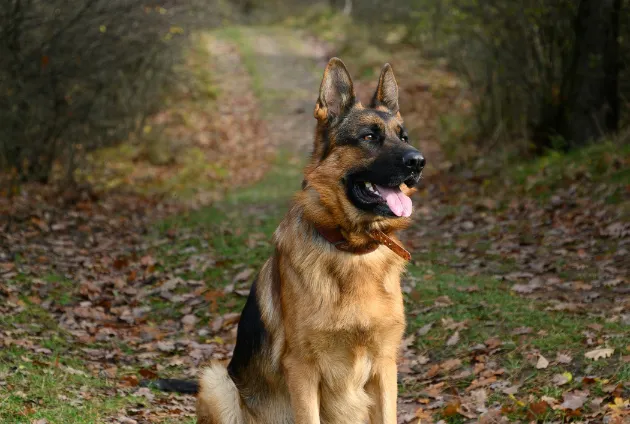
Once your German Shepherd dog becomes an adult that is between 18–24 months, their metabolism regulates which also calls for a change in their nutritional requirements. However do not fall into the trap of swapping your German Shepherd food list to whatever is cheapest at the pet store. Adult GSDs require a well thought food chart that caters to their energy levels and keeps their muscle tissues intact.
Calculating Caloric Needs for Adults
Let's discuss some German Shepherd dog math, worry not, will keep it simple as day. To calculate how many calories your adult German Shepherd requires, there is a term called the Resting Energy Requirement (RER) which is used to arrive at the numbers which is a calculation based on their weight and activity level. This is how it works:
RER = 70 × (body weight in kg)^0.75
Suppose your adult GSD weighs 30 kg (approximately 66 lbs):
RER = 70 × (30^0.75) ≈ 897 kcal/day
Now, we multiply that by an activity factor (around 1.6 for neutered adults with average activity):
MER = 897 kcal × 1.6 = 1,435 kcal/day
Above mentioned numbers, that is, 1,435 kcal is how many calories should be included in your german shepherd food in India in order to maintain their right weight. The figure can be tweaked based on the activity level of your dogs, for working dogs or highly active german shepherd puppy will require more calories.
Choosing the right food with quality ingredients
The dog foods aren’t one size fits all so when choosing the best german shepherd food, look for options with high-quality animal protein such as chicken or lambas, as the primary ingredient. It is advisable to avoid fillers like corn or soy as they have little to no nutritional value. Instead, focus on foods that offer essential nutrients like vitamins, minerals, and omega-3 fatty acids. More importantly, don't forget the golden norm that 2 meals a day is optimum which significantly helps in avoiding bloating, which is a critical issue for deep-chested breeds such as German shepherds.
Feeding Older German Shepherd Dog

As your German shepherd puppy descends into their senior years which is about 7 years or more, their metabolism and energy level shifts. Now, your german shepherd food list must be altered to address joint health, weight control, and brain function.
Cut Calories but Maintain Protein
Senior German Shepherd dogs are generally less active, so their caloric needs should be lowered to prevent obesity, however don't cut down on the protein part. They still require a liberal amount of protein, i.e. around 25% to preserve muscle mass and overall health. Most senior diets are lower in fat and calories but rich in nutrients that promote joint health and mobility.
Joint Support and Cognitive Function
As in their human counterparts, older dogs also experience joint pain and loss of mental acuity, which is why they should be supplemented with glucosamine, chondroitin, and omega-3 fatty acids to alleviate joint pain. Fish oil, especially, is great at reducing inflammation as well as improving healthy skin, joints, and even mental function.
If your older German shepherd dog begins to experience signs of cognitive decline such as confusion or sleep disturbances, then it's time to add antioxidants and certain nutrients such as DHA in your German shepherd food list which can reduce the rate of decline.
German Shepherd Food Guide
While deciding on the best German Shepherd food in India, you are presented with several choices of kibble, canned food, raw food, or homemade fare. Let's summarize the advantages and disadvantages of each.
Commercial Kibble and Wet Food: Convenience and Balance
The majority of pet owners opt for kibble due to its convenience, price, and nutritional completeness. Good-quality kibble is designed to provide everything your German Shepherd dog needs, including protein and fats as well as vitamins and minerals. If you are eager to introduce variety or your German Shepherd dog has a finicky palate, you can sprinkle some wet food for flavor and moisture as wet food is also kinder to older dogs with dental issues. However it is useful to note that wet food might be more costly, and once opened, it does not have as long a shelf life as kibble.
Raw Diets (BARF) - Can it be included in the German shepherd food list?
The raw diet, also referred to as the Biologically Appropriate Raw Food or BARF diet has gained popularity among pet owners who think that it is more in line with the natural diet of a dog. But be aware that raw food can carry certain risks such as, bacterial contamination, imbalance of nutrients, and the requirement for judicious planning. If you do plan to include a raw diet to your canine friend’s eating regime, be very cautious of getting it formulated by a veterinary nutritionist, else you may run the risk of doing more harm than good to your German Shepherd puppy.
Common health concerns and how diet can help
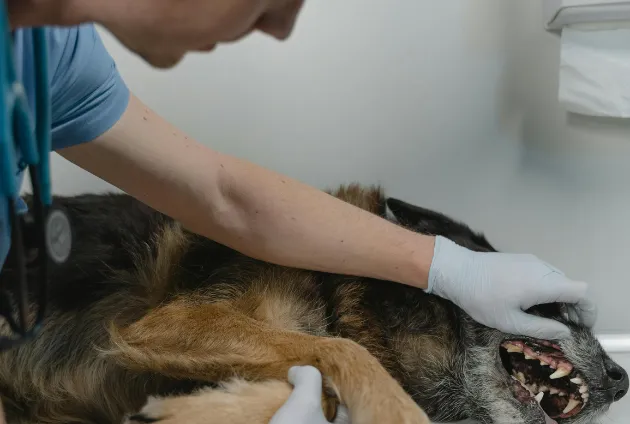
German Shepherds are susceptible to some medical issues, but with appropriate German Shepherd diet, these health concerns can be avoided or kept under check.
Exocrine Pancreatic Insufficiency (EPI)
EPI is a pancreatic disorder that causes the pancreas to fail to produce enough enzymes to properly digest food. German shepherd dogs with EPI require a highly digestible diet and enzyme supplements to digest their food and absorb nutrients efficiently.
Food Sensitivities and Allergies
German Shepherd puppies are also prone to food allergies and the common symptoms of these include skin irritations, ear infections, and gastrointestinal upset. If your German shepherd dog is showing signs of allergies, try an elimination diet with novel proteins like duck or venison, to figure out what’s causing the reaction.
Bloat (GDV)
Bloat is a fatal disease that can strike large-breed dogs such as German Shepherds and it happens when the stomach swells with gas and rotates, shutting off blood supply. You should avoid feeding one large meal a day to your dog to keep the risk of bloating at bay, rather divide their meal into 2-3 meals, and do not allow them to exercise immediately after meals.
Conclusion
Preparing a german shepherd food guide is not merely placing food into their stomachs, it's about giving them the appropriate food to sustain their energy, keep them healthy, and help them live a long and healthy life. And remember, no matter which method you use, the trick is consistency and balance.
written by
Happy Pet TeamAuthor