Home
/
Dog Breeds
/
Working Kelpie
Working Kelpie
Origin
Australia
Size
Medium Breed
Ideal Space
House with backyard
Ideal Weather
10º-25ºC
Life Expectancy
12-15 years
Cost of buying
₹ 20,000 - ₹ 50,000
Top 5 Traits
Athletic
Intelligent
Energetic
Loyal
Disciplined
Avg Monthly Expenses
₹ 3,550 - ₹ 5,400


by Happy Pet TeamUpdated on 2 Oct 2025
Introduction to Working Kelpie
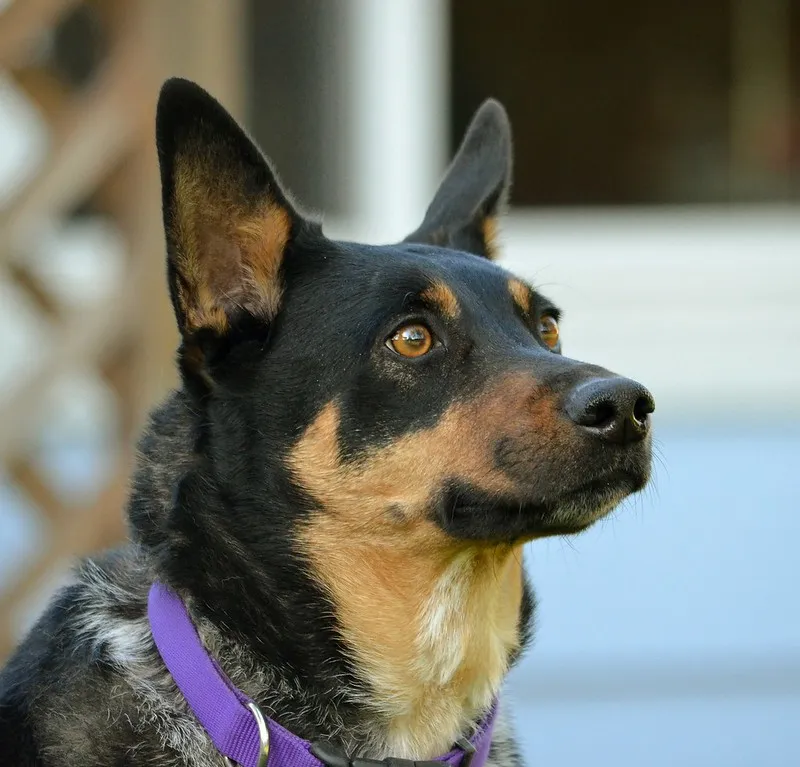
With their Australian sheep country origins, the Working Kelpie has been an essential working partner for sheep and stockmen for years. They were initially bred and brought up for endurance, intelligence, and tenacity which makes the Working Kelpie pups naturally energetic, intelligent, and devoted. Working Kelpie dogs are widely known for their relentless herding instinct and problem-solving capacity. All hail to their enthusiasm for work, ease of training, and strong bond with their people, Australian Working Kelpies can also thrive as family companions in active homes that cater to their need for daily physical and mental stimulation.
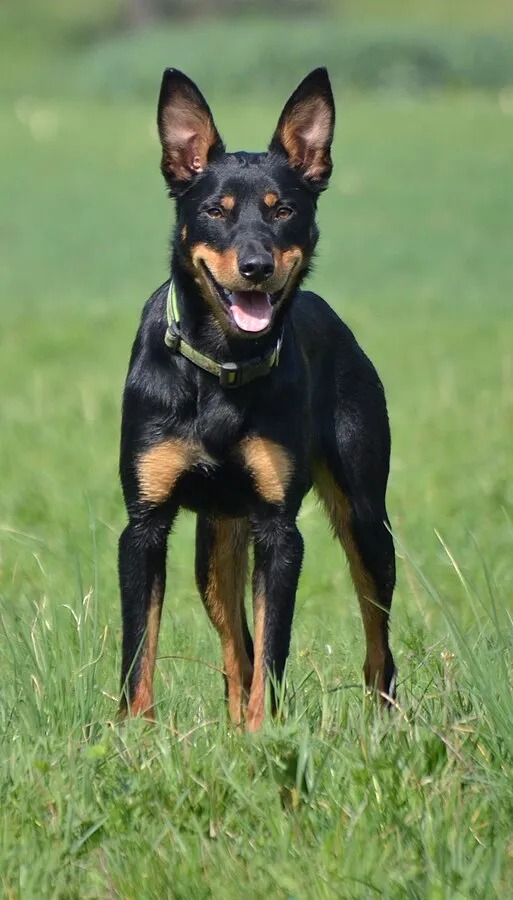
The loving Working Kelpie pups are medium in size, athletic, and boasts a weatherproof double coat in a variety of earthy shades. Energetic and naturally charming, they easily pick up training, given that the caregivers are firm and provide them with thinking and movement ambiance. Without a "job," they'll create one, so there must be organized activity to keep a Kelpie content and avoid nuisance.
Origin & History of Working Kelpie
The ancestry of Working Kelpies traces back to the late 1800s in the bushy paddocks of Australia. Early settlers brought with them hard-worked Scottish working collies (not today's show collies) and bred them selectively for the extreme conditions of heat, dust, and long distances. What they created was a stock dog of phenomenal ability that could drive sheep and cattle over rough country with little direction that came to be adorably called Working Kelpie dogs.
A black-and-tan dam called Kelpie,after whom the breed was named, became renowned for her innate ability. By selective breeding for temperament, endurance, trainability, and cattle instinct (not in particular looks), the Working Kelpie developed. The later establishment of the Working Kelpie Council (WKC) gave rise to a registry based on performance. While there are show-bred Australian Kelpies, "Working Kelpie" specifically denotes the performance line. Presently, their popularity is loud and proud throughout Australia's pastoral communities and among herding communities around the globe, but rarer as exclusively urban pets beyond rural society however their prowess is celebrated worldwide.
Lifespan of Working Kelpie
Australia Working Kelpie puppy lifespan typically extends from 12–15 years, and they're a resilient, healthy breed as a whole. If taken care of properly, through a balanced, energy-suited diet, regular exercise that actually exhausts them, complemented with regular vet visits, Australian Working Kelpie dogs often remain spry well into old age.
Physical Characteristics and Working Kelpie Dog Traits
- Weight: The average adult Working Kelpie male weighs around 14–21 kg, while females have a typical weight of 12–18 kg.
- Height: The Working Kelpie dogs are medium in height and reach approximately 43–51 cm at the shoulder, with females taking the lower value of the range.
- Coat: These able workers shine in a double coat that is weather-resistant, a close dense undercoat and a straight close-lying outer coat. Black, black & tan, red, red & tan, chocolate, fawn, and sometimes blue are common colors of coat they can be spotted in, with little or no white markings.
- Tail: Working Kelpies have a natural tail that measures approximately to the hock; when relaxed, it hangs slightly curved and picks up when attentive, counterbalancing their flexible movement.
Temperament of Working Kelpies
Working Kelpie puppies stride into the scene with a cheery, lively, and enthusiastic aura that can easily capture your heart, particularly if you enjoy a dog with a "let's do this" personality. They are loving towards family and love working in a partnership but respond best to structure and stability.
- Social: Australian Working Kelpie dogs are person-oriented with their own packs and thrive in active, outdoor households. They usually get on well with well-socialized dogs and can be brilliant around children who respect gentle handling of dogs. Socialization is necessary early on to avoid shyness or over-stimulation.
- Herding Instincts: Many decades of breeding for stock, can sometimes make them try to collect children or smaller animals. It is generally harmless, but redirection in training is required to channel nipping at heels, circling, or over-barking into desirable behavior.
- Stranger Fear: While not generally unfriendly, Australian Working Kelpie temperament, like most working breeds, are often reserved or guarded around strangers. Positive exposures from an early age help develop polite, assertive interactions, as well as evade any weird interaction with strangers.
Characteristics
Barking
Quiet
Loud
Temperament with Kids
Aggressive
Friendly
Playfulness
Silent
Very Playful
Friendliness
Not Friendly
Super Friendly
Compatibility with other dogs
Aggressive
Friendly
Need for attention
Independent
Very Needy
Monthly Expenses


How Much Does a Working Kelpie Dog Cost?
Cost of buying
₹ 20,000 - ₹ 50,000
The price of Working Kelpie pups may differ based on a number of factors including lineage, demonstrated working capability, health testing, and the reputation of the breeder. As an Indian resident considering taking home a Working Kelpie, a breed still quite rare as a pure family pet throughout urban India, the payment range could be around approximately ₹20,000 - ₹60,000 for a well-bred puppy, with considerably higher prices feasible for imported, trained, or trial-proven working dogs.
There are some aspects that may impact or vary the price of the puppy including—
- Breeder's Reputation: Temperament, working ability, and health-tested breeders who have invested tend to charge more but it's the only initial cost that is heavy as investing in good selection up front tends to save on future veterinarian and behavior bills.
- Lineage and Health: Australian Working Kelpie pups with hip/eye clearances in parents and as clearly demonstrated working ability are typically more expensive. Adolescents or adults that are trained with trial success or experience on farms can demand a premium.
Get a Working Kelpie through adoption
Taking home a dog is unquestionably one of the happiest acts of humankind toward these big-eyed bubs. To bring home a Working Kelpie, seek working-breed rescues, country shelters, or breed-specific organizations; Kelpies sometimes find themselves in rescue when exercise requirements outstrip an owner's way of life. Adoption charges will generally include immunizations, spaying/neutering, and primary medical attention. Adoption provides a deserving dog with a second chance, and provides you with a partner eager to learn and love.
If you are looking for a dog for real stock work, be honest with rescues or breeders about what you want; drive and temperament matching will put you and the Australian Working Kelpie dogs on the right track.
Breeds Similar to Working Kelpie
If Working Kelpie puppies swept you off your feet (as they often do) and you'd like to consider similar breeds, take a look at:
- Australian Cattle Dog – Feisty, high-energy herder designed for rough country.
- Border Collie – Extremely trainable, strong work ethic, suited for sports and stock work.
- Australian Shepherd – General-purpose herder with excellent biddability (more typical as a sport/companion animal).
- New Zealand Huntaway – Strong voice-controlled herder for larger flocks and long-distance work.
All three of these breeds have a lot in common with Australian Working Kelpie puppy which is a herding instinct, athletic ability, and a desire to have significant daily work.
Prerequisites to pet a Working Kelpie
Access to Groomer
Access to Veterinary
Appropriate Climate
Lifestyle Compatibility
Financial Capability
Now that you have an understanding of what is necessary to raise a Working Kelpie, are you ready to move forward with bringing one home?
- Research: Investigate the breed, including requirements, health problems, temperament, characteristics, and livability in your lifestyle. Working Kelpies are very energetic, clever, and require loads of physical and mental stimulation. Ensure that you are willing and able to provide them with regular work or exercise and put up with their independent and occasionally obstinate attitudes.
- Find reputable sources: When looking for a Working Kelpie puppy, find a responsible and ethical breeder who focuses on the breed's health, working ability, and temperament. If you’re considering adopting, check out local rescues or shelters, as many Kelpies end up needing homes.
- Visit breed/adoption facilities: Plan a visit to the breeder or adoption facility in person prior to making a decision. It is important to assess the environment in which the puppies are brought up, see the parents' behavior, and obtain information regarding their health, vaccinations, and heritage.
- Request papers: Always ask for health certification, vaccination history, and other supporting documents from the breeder prior to buying. For adopters, ask for the dog's behavior, history, as well as previous or existing health conditions. This way, you'll know the complete history of the dog.
- Prepare your house: Working Kelpies are high-energy dogs that require a lot of space to run, work, and exercise. Ensure you have the right environment that will keep them busy and stimulated before bringing one home. Have the proper supplies in place like a comfortable bed, proper feeding bowls, mental stimulation toys, and grooming equipment. Prepare yourself for the time, effort, and dedication required to ensure a happy and healthy Working Kelpie.
An Elaborate Nutrition Guide for Australian Working Kelpie Dogs
Monthly Food Expenses
₹ 2,250 - ₹ 3,000
Calories per day
Puppies: 1800 kcal
Adults: 1600 kcal
Essential Nutrients
Protein
Fats
Carbohydrates
Fibre
Vitamins
Minerals
List of foods
Chicken
Dry Dog Food
Fresh Meat
Fresh Fish
Fruits
Mutton
Home made meals
Vegetables
Working Kelpie life expectancy and everyday performance are directly related to nutrition that enhances their natural athleticism. Their diet must complement sustained energy expenditure, lean muscle maintenance, and joint integrity. Provided below is a list of nutrients and considerations to take note of while doing meal planning for your Australian Working Kelpie puppy:
- Protein: Active Working Kelpies are muscular, which is why it's suggested to prioritize high-quality animal protein sources like chicken, turkey, lamb, beef, or fish to support muscle maintenance and repair. Performance dogs usually do well on 25–35% protein (kibble basis), variably adjusted to workload.
- Carbohydrates: Good complex carbs are great for sustained energy, so make sure to select whole grains such as brown rice, oats, barley, or grain-free complex sources like sweet potatoes and legumes for your Working Kelpie. Balance carb consumption with activity with the principle of, giving more for work days, less for resting days.
- Vitamins and Minerals: Immune health and recovery are supported by antioxidant-dense fruits and vegetables, blueberries, apples (seedless), carrots, spinach, pumpkin, while ensuring sufficient calcium, phosphorus, and trace minerals; lines of performance may also appreciate electrolyte balance in hot weather work for your Australian Working Kelpies.
- Hydration: Hydration is what makes or breaks performance so it's always better to offer fresh water; and during high-intensity work, consider rehydration strategies approved by vets and allow cool-down times to avoid heat stress.
Note: These are general guidelines. Consult a veterinarian to determine the specific dietary needs of your dog.
Breakdown of Macro-nutrients
Guide to Select the right food for your Working Kelpie
The muscle development, energetic attitude, and general well-being of your Working Kelpie puppies and adults have to be sustained by high-quality ingredients and portioning consistent with workload. The diet has to be a balanced composition of protein, fat (for stamina), complex carbohydrates, and necessary micronutrients.
Premium Dry Kibble
- It is recommended to choose performance-formulated meals with high animal-protein content (approximately 28–35%) and moderate to higher fat (15–22%) for Working Kelpie dogs with high activity. Make sure that whole-protein sources (chicken meal, fish meal) head up the ingredient list. Complex carbohydrates (oats, brown rice, sweet potato) should be a necessary addition for gradual energy release. Inclusion of Omega-3 and Omega-6 fatty acids is crucial to nourish skin, coat, cognition, and joints. Glucosamine and chondroitin can be a bonus for joint health for high-mileage Australian Working Kelpie puppy.
- Be careful not to overuse fillers and watch for any food sensitivities.
Home-cooked Meals
If you would rather prepare your dog's food at the comfort of your homely abode, work with a veterinary nutritionist to guarantee completeness. As a starting point:
- Begin with lean meats (chicken, turkey, beef, lamb, fish) as the main source of protein.
- Supplement with vegetables such as carrots, spinach, green beans, peas, pumpkin for fiber and micronutrients.
- Add complex carbs like brown rice, barley, quinoa, sweet potatoes for steady energy.
- Include balanced supplementation as per the vet advice like calcium, fish oil (EPA/DHA), and a balanced vitamin–mineral premix.
- Portion sizes will have to adjust with workload, as working days can require 10–40% more calories.
Food Items That May Be Harmful to Your Working Kelpie
Avoid anything with these ingredients
Almonds
Avocados
Alcohol
Cherries
Cinnamon
Coffee / Tea
Dairy
Fruit seeds
Garlic
Grapes
Lemon
Milk Products
Mushrooms
Onions
Salt
Sugar
In preparing meals for your Working Kelpie pups, it is just as crucial to cross out the food items that need to be excluded:

- Chocolate, grapes, raisins: These contain substances that are toxic and could result in kidney failure.
- Onions, garlic, leeks, chives: These have high chances of leading to hemolytic anemia and stomach upset in your Working Kelpie dogs.
- Alcohol and caffeine: Both are poisonous to dogs and can induce life-threatening reactions; immediately seek veterinary assistance if consumed.
- Xylitol (sweetener): These artificial sweeteners tend to give way to a life-threatening hypoglycemia and liver damage, skip sugarless gum, some peanut butters, and diet candies.
- Macadamia nuts and fatty scraps: These can potentially welcome neurologic symptoms (nuts) or pancreatitis (fatty scraps).
- Dairy (for lactose intolerant dogs): Milk products can lead to digestive disturbances, as dogs are mostly lactose intolerant so introduce dairy to your Australian Working Kelpie puppy with caution if at all.

Healthcare Guide for Your Working Kelpie
Avg Monthly Expenses
₹ 600 - ₹ 1,200
Common Health Issues
Heartworm
Hip Dysplasia
Bloat
Canine distemper
Parvovirus
Rabies
Leptospirosis
Lyme disease
Well being
Exercise
Agility Training
Bonding
Games
Socialization
Hiking
Energy Level
High
Exercise routine
60 - 120 minutes
Recognising Stress
Changes in appetite
Excessive Barking
Pacing
Excessive Panting
Reluctance to move
Increased laziness
Decreased play
Common health issues found in Working Kelpie
Working Kelpie pups are typically robust, with good structure and good hearts. However, as with all breeds, they can be susceptible to some activity-related or genetic conditions:
- Hip Dysplasia: As many medium-to-large working dog breeds, Australian Working Kelpie puppies may get hip dysplasia, a growing problem in which the hip joint doesn't fit properly, possibly resulting in arthritis or lameness. It can show as periodic lameness, stiffness upon rising, unwillingness to jump, or bunny-hopping. Keep the weight of your Working Kelpie lean, follow an exercise regime properly, and talk about screening over with your breeder and veterinarian.
- Progressive Retinal Atrophy (PRA): A series of inherited conditions leading to progressive retinal degeneration and blindness in dogs and even Australian Working Kelpie dogs. In early cases, night blindness and hesitation in dim light can be taken as symptoms. Early detection and control can be achieved through responsible breeding and routine veterinary ophthalmology examination.
- Epilepsy: Certain Australian Working Kelpie pups can suffer from seizures. Symptoms vary from short, mild spasms to whole-body seizures. If you see any of these signs,it's highly recommended to take your dog for evaluation by a veterinarian immediately; most cases can be treated with medication and some changes in the way they live.
Some other health conditions that you can be wary of in your Working Kelpie includes patellar luxation, Collie Eye Anomaly (CEA) in certain lines, heat stress hazards in hot weather when working hard. Consulting a vet is a necessary element but do always remember that conditioning, rest periods, shade, and water are not optional.
Vaccination details
Growth Stage
Core Vaccines
6-8 Weeks
DHPP (Distemper, Hepatitis, Parvovirus, Parainfluenza)
10-12 Weeks
DHPP Booster, Rabies
14-16 Weeks
DHPP Booster, Leptospirosis
1 Year
DHPP Booster, Rabies
Every 1-3 years
DHPP, Rabies
How to Take Care of Senior Working Kelpie Dogs?
As in humans, dogs need extra care as they proceed to senior age. Your Working Kelpie will benefit from thoughtful adjustments as mileage accumulates:
- Diet: Older working Kelpies could tolerate high-quality, highly digestible protein, limited calories to avoid weight gain, and joint support supplements (e.g., glucosamine, chondroitin, omega-3s). Consider dental kibble sizes or canned food if dental erosion is evident.
- Exercise: Even lifetime athletes require movement, but smarter work goes a long way than hard work. Use shorter, more-frequent walks, easy hill work, and low-impact conditioning (such as controlled fetch, scent games). Warm up and cool down is necessary to safeguard creaky joints.
- Vet Care: If you take your Working Kelpie pups to wellness checks , twice-a-year, it can help catch arthritis early as well as vision or hearing loss, dental disease, hypothyroidism, or changes within the organs early. Consider baseline senior lab work and pain management or physiotherapy discussion if activity diminishes.
Important Note: This information is for general guidance only. Always consult a qualified veterinarian for personalized advice.
Tips for Caring for Your Working Kelpie Dogs
Avg Monthly Expenses
₹ 700 - ₹ 1,200
Shedding Level
Moderate Shedding
Hygienic Checklist
Brushing
Bathing
Ear Cleaning
Nail Trimming
Eye Care
Teeth Care
Benefits of Grooming
Cleanliness
Low Shedding
Odourless
Prevents infections
Quality of life
Prevents Bad Breath
A matted or under-stimulated dog becomes a magnet for behavior issues. Ongoing care maintains your Working Kelpie dogs body and mind in peak condition:

- Brushing: Brush two times weekly to shed loose hair and prevent matting in your Australian Working Kelpie puppy. During shedding seasons, brush more often to handle undercoat blowouts.
- Bathing: To help maintain natural oil in the coat of your Working Kelpie dogs, bathe only when absolutely necessary with a mild, dog-specific shampoo. Make sure you rinse carefully to avoid residue that may irritate skin.
- Ear Cleaning: Weekly inspection for ear is fundamental followed with cleaning as necessary with a solution approved by the veterinarian to avoid buildup of wax and infection, particularly after a swim or dusty workday.
- Nail Trimming: Long and untrimmed nails can become a home for all kinds of infections and germs. Trim 2–4 weeks depending on terrain and activity. Overgrown nails may decrease traction and change gait, putting pressure on joints.
Beyond grooming, it is also imperative that you feed your Australian Working Kelpie pups with measured portions, provide chew enrichment for teething, and prioritize early socialization and positive reinforcement training. Short, fun sessions beat marathons at this age.


Written by
Happy Pet TeamAuthor
Team Happy Pet is a passionate collective of pet experts, enthusiasts, and advocates dedicated to sharing trusted and insightful content.
Our cont
Compare with similar breeds
Frequently Asked Questions
How can I avoid common health problems like hip dysplasia and PRA in my Working Kelpie dogs?
Select a good breeder who places importance on hip scoring and eye clearances for breeding stock. Keep your Kelpie lean, increase fitness level gradually, and prevent repetitive high-impact jumping during puppyhood. Regular check-ups with your vet and early detection of eye problems catch them before they become severe.
What foods are my Working Kelpie pups not allowed to eat?
Avoid chocolate, grapes, raisins, onions, garlic, leeks, xylitol, alcohol, and caffeine, as well as extremely high-fat scraps. They may produce toxic reactions, anemia, gastrointestinal problems, kidney failure, or pancreatitis. Keep human foods out of reach and use only vet-approved diets and treats.
Is a Working Kelpie able to survive on a raw food (BARF) diet?
Yes, a few Kelpies thrive on well-formulated raw diets—but sound planning is essential. A BARF diet usually consists of raw meat, meaty bones, organs, and some produce. Have a veterinarian or board-certified animal nutritionist advise on complete and balanced dietary needs for your dog's life stage and workload.
What amount of exercise does a Working Kelpie require each day?
Expect 1.5–3 hours total physical and mental stimulation daily, adjusted to age and fitness. Cycle the organized runs, herding-type games, obedience, agility, scent work, and puzzle activities. Lacking sufficient outlets, boredom can result in digging, chewing, and high-energy naughtiness.