Home

/

Dog Breeds

/

Welsh Terrier

Welsh Terrier

Origin

Wales

Size

Medium Breed

Ideal Space

Independent House

Ideal Weather

10º-24ºC

Life Expectancy

12-15 years

Cost of buying

₹ 30,000 - ₹ 70,000

Top 5 Traits

Energetic

Fearless

Intelligent

Playful

Loyal

Avg Monthly Expenses

₹ 4,650 - ₹ 6,600

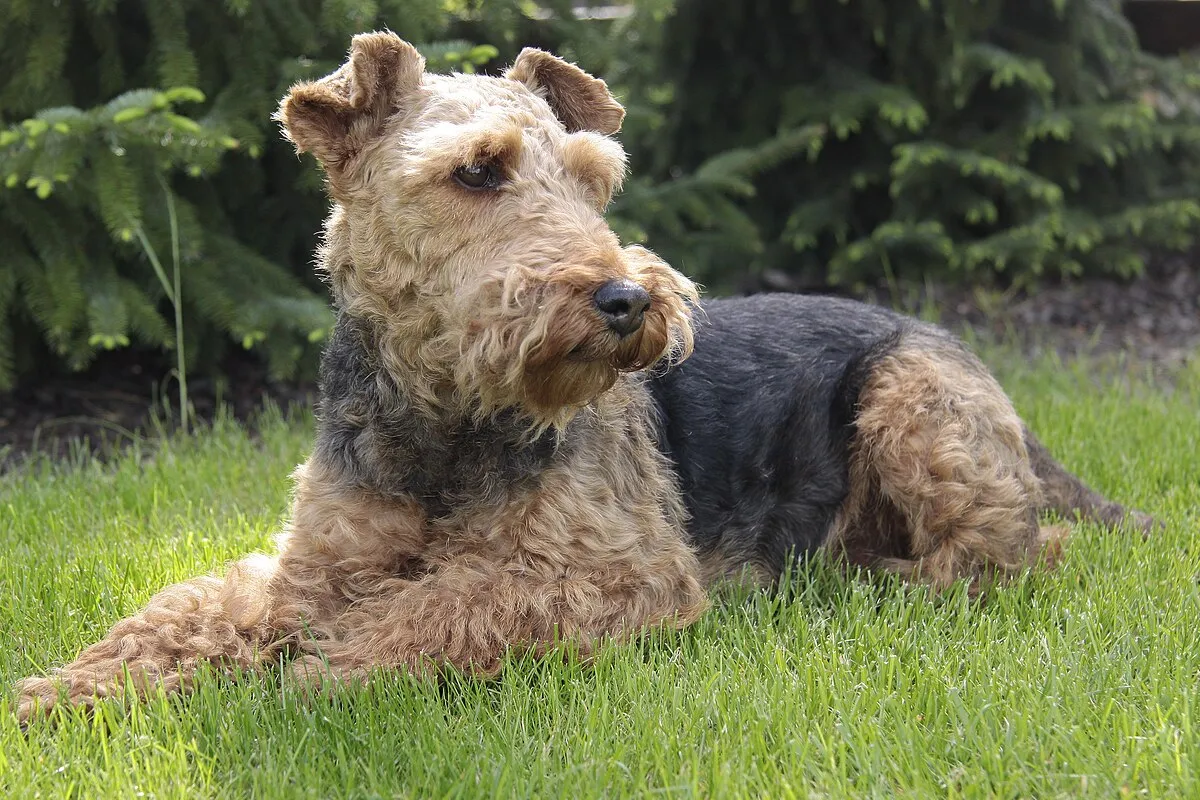
A close up of a curly haired tan and black Welsh Terrier with a thoughtful expression
written by image

by Happy Pet TeamUpdated on 16 May 2025

Overview of the Welsh Terrier breed

This medium-sized dog with a wiry coat, expressive eyes, and sturdy build is both energetic and intelligent — Welsh Terrier. A powerful dog, this playful, fearless, highly independent dog can be a loyal companion to active families. 

With their alert disposition and inquisitive nature, they enjoy finding ways to exercise and keep themselves in excellent health.

Origin & History of Welsh Terrier

Used to hunt foxes, rodents, and badgers, the Welsh Terrier is one of the oldest breeds of terriers bred in Wales. Its industrious heritage and spirited character speak of a tradition of perseverance and tenacity.

Characteristics

Barking

Quiet

Loud

Temperament with Kids

Aggressive

Friendly

Playfulness

Silent

Very Playful

Friendliness

Not Friendly

Super Friendly

Compatibility with other dogs

Aggressive

Friendly

Need for attention

Independent

Very Needy

Monthly Expenses

about image

Adopt/Shop of Welsh Terrier Breed

Cost of buying

₹ 30,000 - ₹ 70,000

If you should adopt or get one from a breeder, it would depend on your lifestyle, finances, and whether or not the breed. Both options come with their advantages and understanding them is essential in making an educated decision.


Adopting the Breed

Welsh Terrier; the new member of your family. Next, selecting adoption means that you are providing a deserving animal with another opportunity to have a loving home.


Here are some things to think about:


  1. Rescue Groups: Other Welsh Terriers can be mined within pure-breed rescue organizations, which have a variety of adoption-ready pets.
  2. Economical: Adoption fees are typically cheaper than buying from a breeder, and they often come with vaccinations, spaying/neutering and initial medical treatment.
  3. Social History: When you adopt a dog, you usually get a sense of their history and what they may need and how they are temperamentally.
  4. Post-Adoption Guidance: No training can prepare you for every situation an adopted pet may face in a new environment, but many adoption centers offer post-adoption support and advice, easing the transition for both your family and your new furry friend.


Shopping for the Breed

Whether you buy or adopt, keep these best practices in mind:


Research Thoroughly:

Do your homework on either breeders or rescue groups. Look for reviews, testimonials and health guarantees.


Visit in Person:

Required Reading: Always check out the facility or the home dogs live in.


Ask Questions:

Inquire about the dog’s health history, vaccinations, and any special needs it might have. Ask for documentation around lineage and medical records.


Get a Vet Check:

If you decide to adopt, get a thorough veterinary exam within the first week or so of the adoption.


Trust Your Instincts:

A good seller or adoption agency will be open and help with the process.

Prerequisites to pet a Welsh Terrier

Access to Groomer

Access to Veterinary

Lifestyle Compatibility

Financial Capability

Willingness to train

Is the Welsh Terrier suitable for your family?

Now that you understand what makes a Welsh Terrier tick, are you prepared to move on to the next step to pet one? Whether you plan to adopt or buy, as long as you provide a loving and informed environment, your new companion will flourish.

So, do your due diligence, prepare your home, and then commit to providing the day-in and day-out work that will unlock every ounce of potential in your Welshie.

Nutrition Guide for the Welsh Terrier

Monthly Food Expenses

₹ 2,250 - ₹ 3,000

Calories per day

Puppies900 kcal

Adults700 kcal

Essential Nutrients

Protein

Fats

Carbohydrates

Fibre

Vitamins

Minerals

List of foods

Chicken

Dry Dog Food

Fresh Fish

Fresh Meat

Fruits

Mutton

Home made meals

Vegetables

Nutrition is an important part of a healthy Welsh Terrier. A healthy diet will give your pet the energy to train, play, and discover while also keeping their body in balance. An average adult Welsh Terrier weighs around 9 to 10 kg (20–22 lbs) and typically requires 600 to 900 calories per day, depending on how active they are. Puppies, working dogs, or very playful adults may need a bit more.


Note: These are general guidelines. Consult a veterinarian to determine the specific dietary needs of your dog.

Breakdown of Macro-nutrients

Best Foods for Welsh Terrier

Here's a list of the best foods for a Welsh Terrier. These include both high-quality dry foods (kibble) and fresh/homemade options.

  1. Lean chicken
  2. Turkey
  3. Beef
  4. Lamb
  5. Salmon (boneless, cooked)
  6. EggsCarrots (cooked or raw)
  7. Green beans
  8. Peas
  9. Spinach
  10. Pumpkin
  11. Zucchini

Never Feed These Foods To Welsh Terrier

Avoid anything with these ingredients

Alcohol

Almonds

Avocados

Cherries

Cinnamon

Coffee / Tea

Dairy

Fruit seeds

Garlic

Grapes

Lemon

Milk Products

Mushrooms

Onions

Salt

Sugar

Welsh Terriers are not allowed to eat potentially harmful foods. Here is a list of some items traded being avoided along with a brief of why:


  1. Alcohol: Extremely poisonous to dogs; even small quantities can lead to serious health problems.
  2. Almonds: May cause gastrointestinal upset and, in some cases, more serious complications.
  3. Avocados: Contain persin, which can be toxic in high volumes.
  4. Cherries: When pitted, the pit and stem can cause intestinal blockage or poisoning.
  5. Cinnamon: Not toxic to your dog in very small quantities, but excessive amounts can irritate.
  6. Coffee/Tea: Caffeine is dangerous for dogs.
  7. Dairy: Most dogs are lactose intolerant and can experience digestive problems.
  8. Fruit Pits: Some seeds (such as apple seeds) contain cyanogenic substances.
  9. Garlic: The oily fruit, like toxic foods, is toxic in large volumes, which can lead to anemia.
  10. Grapes: Can cause kidney failure in dogs.
  11. Lemon: High acidity can upset your dog’s stomach.
  12. Mushrooms: Certain wild mushrooms can be toxic.
  13. Onions: Have similar compounds that can break down red blood cells.
  14. Salt and Sugar: The excess of these can cause obesity, heart-related problems, and other metabolic syndrome.
about image

Health Guide for Welsh Terrier Breeds

Avg Monthly Expenses

₹ 1,200 - ₹ 1,800

Common Health Issues

Hip Dysplasia

Kennel Cough

Lyme disease

Parasites

Rabies

Canine distemper

Canine Influenza

Leptospirosis

Well being

Exercise

Agility Training

Bonding

Socialization

Games

Energy Level

High

Exercise routine

45 - 90 minutes

Recognising Stress

Changes in appetite

Excessive Barking

Pacing

Excessive Panting

Reluctance to move

Health Issues of Welsh Terriers Breed

Welsh Terriers are typically a healthy, hardy breed, however, like all breeds, they're prone to certain health conditions. Vigilant veterinary care, nutritional balance, and regular exercise can eliminate most threats.


  1. Hip Dysplasia: A hereditary disease that limits joint movement. Weight management and treatment as early as possible can help manage symptoms.
  2. Kennel Cough: An extremely contagious bacteria that causes coughing and nasal discharge.
  3. Lyme Disease: Affects: fever, joint pain, and lethargy; spread through tick bites.
  4. Parasites: Fleas, ticks, and worms pose multiple infection risks without treatment.
  5. Rabies: It is fatal if not vaccinated against it before being exposed.
  6. Canine Distemper: A virus that can be fatal and highly contagious; vaccination is vital.
  7. Canine Influenza: An illness that attacks the respiratory system, easily transmitted between dogs.

Vaccination details

Growth Stage

Core Vaccines

6-8 weeks

Distemper, Parvovirus

10-12 Weeks

Distemper, Parvovirus, Leptospirosis

14-16 Weeks

Distemper, Parvovirus, Rabies

12-16 Months

Booster shots for all core vaccines

Annually

Rabies, Distemper, Parvovirus, Leptospirosis

Senior Dog Care Information

Older Welsh Terriers can also need special care as they get older. Here are some tips for senior care:


  1. Joint Health: If you have concerns about joint health, glucosamine supplements may help keep joints functioning well and alleviate arthritis pain because they support joint repair.
  2. Controlled Exercise: Avoid straining the joints by limiting activity — short, moderate walks are best.
  3. Diet Changes: Meal replacement with a low-calorie, energy-density diet to avoid getting fat.
  4. Dental Health: Brushing teeth regularly and visiting a dentist to avoid periodontal disease.
  5. Regular Vet Visits: More visits to the vet allow early detection and resolution of age-related health issues.


Important Note: This information is for general guidance only. Always consult a qualified veterinarian for personalized advice.

Grooming Guidelines for Welsh Terrier

Avg Monthly Expenses

₹ 1,200 - ₹ 1,800

Shedding Level

Low Shedding

Hygienic Checklist

Bathing

Brushing

Ear Cleaning

Nail Trimming

Eye Care

Teeth Care

Benefits of Grooming

Cleanliness

Low Shedding

Prevents infections

Odourless

Quality of life

Prevents Bad Breath

Grooming is an essential part of the Welsh Terrier breed. Their distinctive wiry coat needs occasional grooming to remain healthy and good-looking.


Essential Grooming Practices

  1. Grooming: Weekly brushing will remove any loose hairs and prevent matting, helping the coat to stay in top condition.
  2. Hand-Stripping: Done every few months, hand-stripping stimulates new hair growth and keeps the coat’s natural texture.
  3. Ear Cleaning: Regular cleaning to prevent ear infections, particularly in males and in active dogs that spend time outdoors.
  4. Nails Trimming: If your nails are too long, it can cause discomfort and a lack of proper posture.
  5. Dog Teeth Brushing: This helps in avoiding tartar buildup, bad breath, and promotes overall health in dogs.

Regular grooming sessions not only keep your pet looking its best, but they're also a great opportunity to bond with your pet and build trust, as well as to catch skin or coat issues early.

about image
written by image

Written by

Happy Pet Team

Author

Team Happy Pet is a passionate collective of pet experts, enthusiasts, and advocates dedicated to sharing trusted and insightful content.

Our cont

 

Compare with similar breeds

Tan Carolina Dog with erect ears and open mouth on a white background

Carolina Dog

Compare
A small fluffy brown dog with curly fur and a harness sits looking forward with its tongue out

Barbet

Compare
Siberian Husky with hetero chromatic eyes and pink tongue showing close up

Siberian Husky

Compare
Brown dog with one erect and one folded ear stands on concrete

Pandikona

Compare

Frequently Asked Questions

What is the exercise requirement for the dog every day?

30 - 60 minutes of structured exercise per day.

Are they family dogs?

Yes, the breed makes a great family and child’s pet with the appropriate socialization and training.

Media & Resources about Dogs

dog refusing food

Why Do Dogs Eat Less in Summer? Causes, Signs & Practical Tips

17 Apr 2026

a happy dog and its owners

Communication Gaps in Pet Co-Parenting: How It Impacts Your Pet’s Health

15 Apr 2026

dog travelling in a train

Don’t Let the Heat Harm Your Pet: Smart Summer Travel Tips

14 Apr 2026

View All