
Home
/
Dog Breeds
/
Welsh Springer Spaniel
Welsh Springer Spaniel
Origin
Wales
Size
Medium Breed
Ideal Space
House with backyard
Ideal Weather
15º-24ºC
Life Expectancy
12-15 years
Cost of buying
₹ 30,000 - ₹ 60,000
Top 5 Traits
Energetic
Intelligent
Loyal
Playful
Protective
Avg Monthly Expenses
₹ 3,550 - ₹ 5,400


Introduction to the Welsh Springer Spaniel
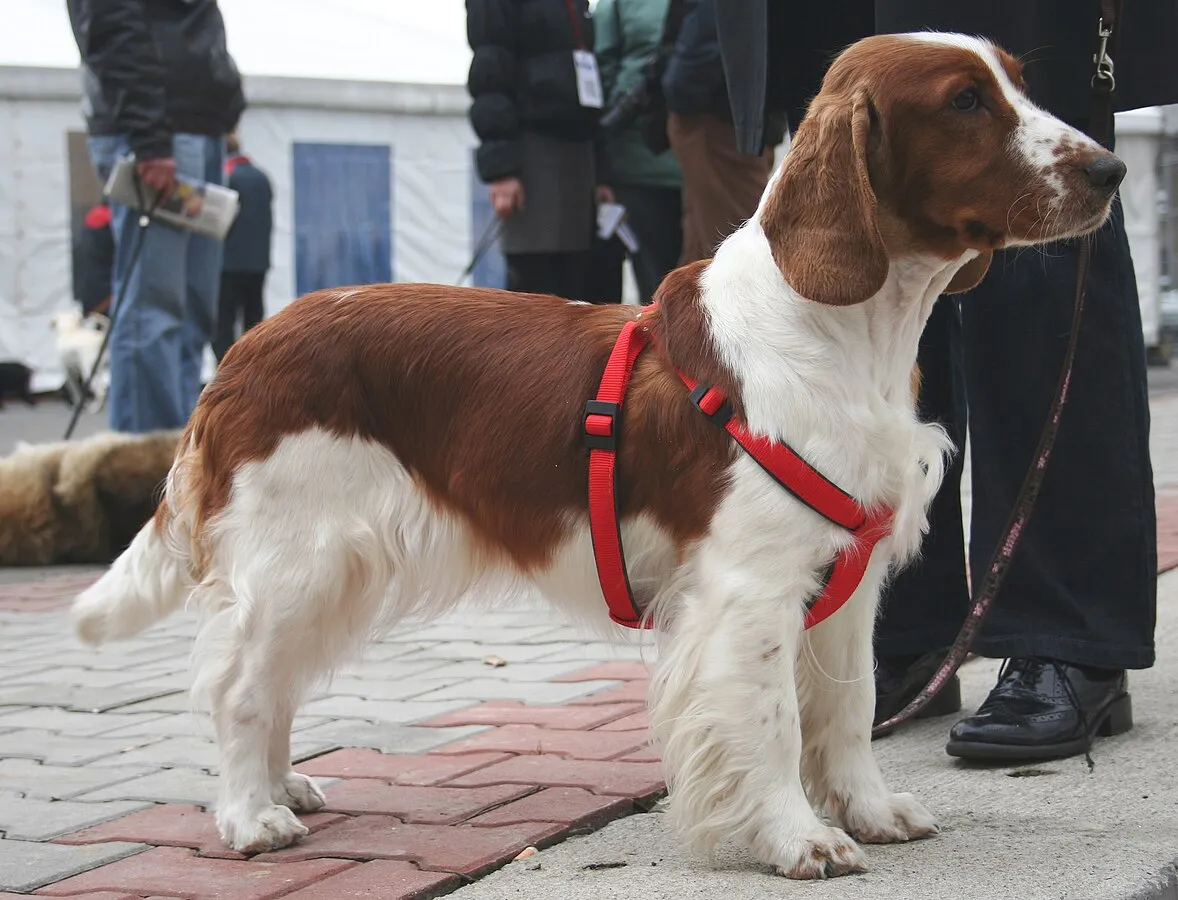
Welsh Springer Spaniel is a medium-sized red and white bird dog that is characterised by stamina, loyalty, and a cheerful character. The breed dates back to ancient times, about 7000 BC; it was once used as a hunting companion in Wales. It received the official recognition of The Kennel Club (UK) in 1902 and the American Kennel Club in 1906.
Characteristics
Barking
Quiet
Loud
Temperament with Kids
Aggressive
Friendly
Playfulness
Silent
Very Playful
Friendliness
Not Friendly
Super Friendly
Compatibility with other dogs
Aggressive
Friendly
Need for attention
Independent
Very Needy
Monthly Expenses


Shop or Adopt a Welsh Springer Spaniel: Make the Right Choice!
Cost of buying
₹ 30,000 - ₹ 60,000
Welsh Springer Spaniel is a charming, affectionate and devoted companion, distinguished by its unique appearance. When you adopt a Welsh Springer Spaniel, you provide a loving home to a dog in need and bring a devoted friend into your life. Adoption helps support animal welfare and deters unethical breeding practices.
Prerequisites to pet a Welsh Springer Spaniel
Access to Veterinary
Appropriate Climate
Lifestyle Compatibility
Financial Capability
Space and Environment
Access to Groomer
Willingness to train
Best Practices to Follow While Shopping or Adopting a Welsh Springer Spaniel
- Try shelters or breed-specific rescues like the Welsh Springer Spaniel Rescue Network.
- Select breeders that provide health clearances and proper care.
- Their breathing issues make regular vet visits important.
- Their thick coat requires constant brushing and care.
- Moderate activity helps prevent obesity.
- Stubbornness is curbed by early training and builds confidence.
- Ideal for apartments but sensitive to extreme temperatures.
- Handle with care, best for families with older children.
Nutrition Care for the Welsh Springer Spaniel
Monthly Food Expenses
₹ 2,250 - ₹ 3,000
Calories per day
Puppies: 1200 kcal
Adults: 1300 kcal
Essential Nutrients
Protein
Fats
Carbohydrates
Fibre
Vitamins
List of foods
Chicken
Dry Dog Food
Fresh Meat
Fresh Fish
Home made meals
Vegetables
- Welsh Springer Spaniels need a balanced diet to support their size and coat.
- Include protein, healthy fats, carbs, vitamins, and minerals for strength and coat health.
- Avoid low-quality food to prevent deficiencies and weight gain.
- Adjust feeding based on age and activity level.
- Mix dry food with lean meats and vegetables for balanced nutrition.
Breakdown of Macro-nutrients
Best Foods for Welsh Springer Spaniels
- Royal Canin Medium Joint Care –Helps hip and elbow joints. Works perfectly with breeds that experience mobility problems and joint stress.
- Wellness Complete Health Large Breed – With added glucosamine and chondroitin. Supports the strength and mobility of the joints.
- Orijen Regional Red – The food is grain free and also rich in protein. It’s best for dogs who need high meat content and energy.
- Hill’s Science Diet Active Adult. Aids healthy immunity and lean muscle in sporting dogs.
- Acana Heritage Meats – Excellent for metabolism. It is made to meet the high energy demands of fast and athletic breeds.
Foods to Avoid for Welsh Springer Spaniels
Avoid anything with these ingredients
Alcohol
Almonds
Avocados
Cherries
Cinnamon
Coffee / Tea
Dairy
Fruit seeds
Garlic
Grapes
Lemon
Milk Products
Mushrooms
Onions
Salt
Sugar
- Chocolate: It contains theobromine, which is toxic and can result in vomiting, seizures, or even result in fatal poisoning.
- Grapes/Raisins: It can cause kidney failure, which may result in lethargy, vomiting, and loss of appetite, among many other problems.
- High-Fat Foods: This may lead to pancreatitis, which causes severe abdominal pain, diarrhoea, and long term health complications.
- Rawhide: An increased risk of intestinal blockage with choking, digestive problems, or even emergency surgery.


Healthcare for the Welsh Springer Spaniel
Avg Monthly Expenses
₹ 600 - ₹ 1,200
Common Health Issues
Bloat
Hip Dysplasia
Heartworm
Kennel Cough
Leptospirosis
Parasites
Lyme disease
Canine distemper
Well being
Exercise
Bonding
Games
Socialization
Agility Training
Hiking
Energy Level
High
Exercise routine
60 - 90 minutes
Recognising Stress
Changes in appetite
Excessive Barking
Reluctance to move
Excessive Panting
Decreased play
Pacing
Increased laziness
Common Health Problems of Welsh Springer Spaniels
- Hip dysplasia – influences mobility later in life. Symptoms can be controlled through regular exercise and joint supplements.
- Elbow dysplasia – Less usual, but possible. A timely diagnosis can be used to avoid future damage to joints.
- Progressive Retinal Atrophy (PRA) – may cause blindness. It can be detected at an early stage with regular eye checkups.
- Epilepsy – usually occurs between the ages of 3 and 5. Induces seizures, which must be treated throughout life
Vaccination details
Growth Stage
Core Vaccines
6-8 Weeks
Distemper, Parvovirus, Hepatitis, Parainfluenza
10-12 Weeks
Distemper, Parvovirus, Hepatitis, Parainfluenza
14-16 Weeks
Distemper, Parvovirus, Hepatitis, Parainfluenza
Annually
Booster shots for core vaccinations
Senior Welsh Springer Spaniel Care
- Orthopaedic beds: Cushioning of joints. They provide relief and help older dogs sleep better.
- Joint supplements: Glucosamine & chondroitin. Promote mobility and help fight stiffness.
- Regular, short walks: Keep them on the move. Light physical activity helps to avoid losing muscle and stiffening the joints.
- Vet visits every 6 months: Track age problems. Assists in the early detection of arthritis, changes in weight, or eyesight.
Welsh Springer Spaniel Grooming Routine
Avg Monthly Expenses
₹ 700 - ₹ 1,200
Shedding Level
Moderate Shedding
Hygienic Checklist
Bathing
Brushing
Nail Trimming
Ear Cleaning
Eye Care
Teeth Care
Benefits of Grooming
Cleanliness
Low Shedding
Odourless
Prevents Bad Breath
Prevents infections
Quality of life
Their coat needs moderate maintenance.





Frequently Asked Questions
Are Welsh Springer Spaniels good for families?
Yes, they are generally loving, faithful and soft with children
Do they bark a lot?
They are not excessive barkers but would notify you when visitors come round.
How much grooming do they need?
Weekly brushing 2−3 times, regular ear cleaning, and monthly nail trims.
Are they good for apartment living?
They prefer homes that have access to the outdoors since they require a lot of activity.