
Home
/
Dog Breeds
/
Welsh Corgi
Welsh Corgi
Origin
Wales
Size
Small Breed
Ideal Space
Apartment
Ideal Weather
15º-25ºC
Life Expectancy
12-15 years
Cost of buying
₹ 90,000 - ₹ 1,80,000
Top 5 Traits
Playful
Protective
Energetic
Intelligent
Loyal
Avg Monthly Expenses
₹ 2,200 - ₹ 3,750



by Happy Pet TeamUpdated on 7 Oct 2025
Brief Introduction to Welsh Corgi Breed
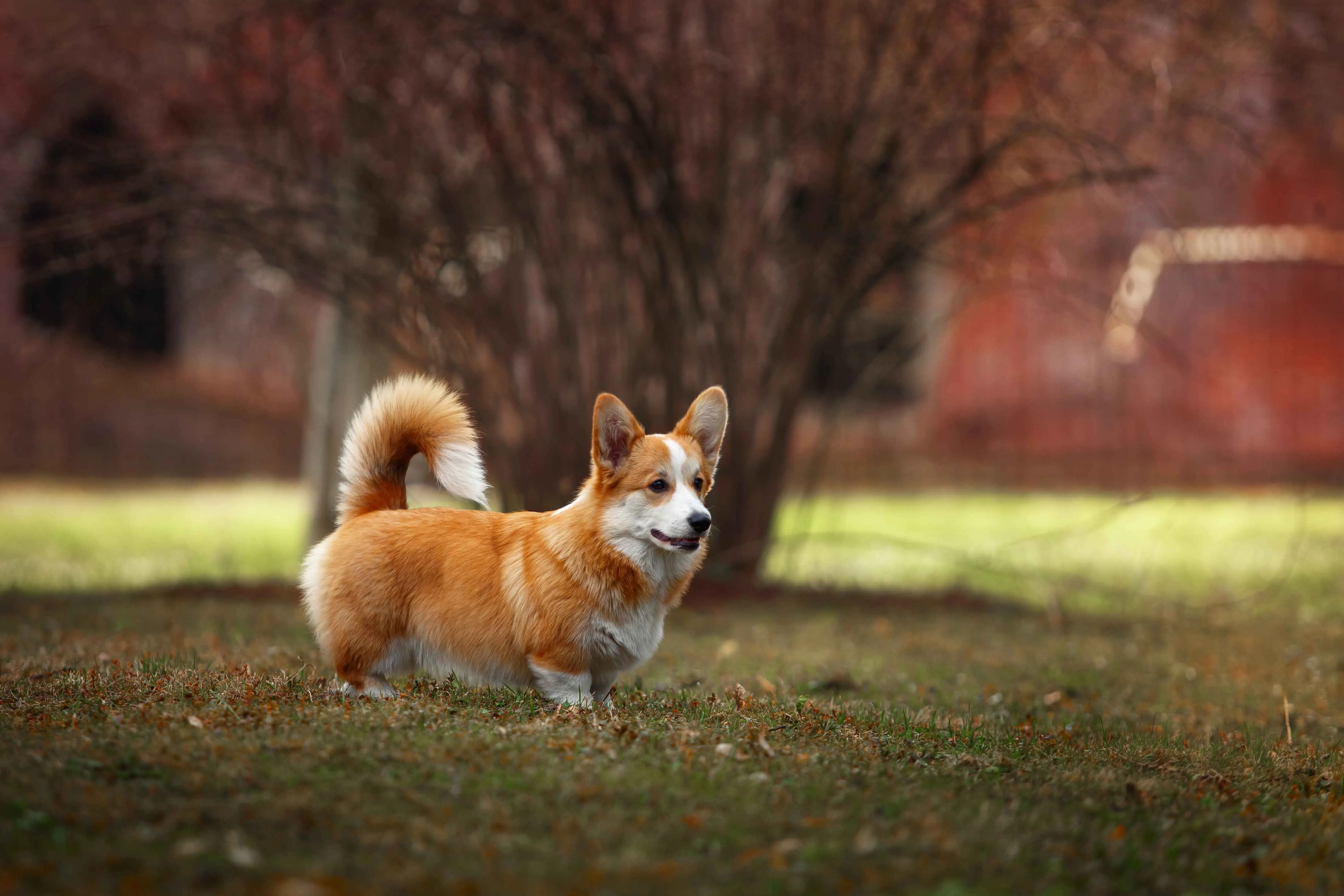
The Welsh Corgi is easily one of the most recognizable of the breeds. Short legs, a lengthy body, and a happy, alert face all combine to make this breed impossible to miss. Hatched in Wales as herding cattle, Corgis have turned into loving family pets. Clever, energetic, and loving, Corgis are a pleasure to have around. But with responsibility comes taking care of a Corgi, and understanding their needs will yield a healthy, happy companion.
History of the Welsh Corgi
There exist two distinct types of Welsh Corgis: the Pembroke Welsh Corgi and the Cardigan Welsh Corgi. Both share a herding history. Welsh farmers used them to herd cattle and protect property. Pembrokes are a tad shorter and docked or naturally short in tail, whereas Cardigans carry a long tail and heavier build. In spite of this, both share exactly the same playful nature and working disposition. They have evolved over time from farmhands to beloved household pets, but never lost their vigilance and energy.
Welsh Corgi Appearance
- Build: Stocky in build but short in height.
- Weight: Generally around 22–30 pounds.
- Ears & Eyes: Active and alert look with erect ears and expressive eyes.
- Coat: Weather-resistant, medium-length coat that responds well to fluctuating climates.
- Colors: Red, sable, fawn, black, and tan are common coat colors with white patches.
- Body Shape: Short-legged with a long body, which forms their characteristic outline.
- Personality: They are assured, intelligent, and charming despite their small size.
- Family Pet: Their warm and lively nature makes them popular family pets.
Temperament and Personality of Welsh Corgi
- Friendly and affectionate: Superb family pets and companions for children.
- Guarding instincts: Their history as herders makes them vigilant.
- Talkative: Will bark at anything new in their surroundings.
- Extremely smart: Intelligent and easy to train as they enjoy pleasing you.
- Active requirements: Need regular exercise and play to remain healthy and stimulated.
- Behavior problems if not stimulated: Lacking stimulation, they can learn vices such as barking or chewing.
- Personality blend: Caring but at times slightly obstinate, so lively friends.
Training Tips for Welsh Corgi
- Train Welsh Corgis with commands, as they tend to obey well.
- Handle their intelligence and stubbornness with patience.
- Use short, multiple training sessions for the best results.
- Apply positive reinforcement with praise and rewards to speed learning.
- Start early socialization to reduce barking and over-herding.
- Keep them engaged with tasks like tricks or agility training.
- Use obedience training to direct their energy and strengthen their bond with owners.
Exercise Requirements for Welsh Corgi
- Exercise Welsh Corgis daily to keep them fit and avoid obesity.
- Provide them with long walks, playtime, and mentally stimulating games.
- Mentally challenge them with problem toys or advanced obedience training.
- Limit excess jumping to avoid putting strain on their backs because of short legs.
- Use a combination of physical exercise and mental stimulation to balance each other out.
- Avoid boredom through exercise since bored Corgis become destructive or noisy.
Characteristics
Barking
Quiet
Loud
Temperament with Kids
Aggressive
Friendly
Playfulness
Silent
Very Playful
Friendliness
Not Friendly
Super Friendly
Compatibility with other dogs
Aggressive
Friendly
Need for attention
Independent
Very Needy
Monthly Expenses


Price Guide of Welsh Corgi
Cost of buying
₹ 90,000 - ₹ 1,80,000
The cost of Welsh Corgi in India can differ depending on location, breeder, and bloodline. On average, ₹90,000 – ₹1,80,000 can be allocated for a healthy puppy of Welsh Corgi.
Factors Affecting the Cost of Welsh Corgis
- Breeder Reputation: Better, certified breeders charge more but give healthier puppies.
- Lineage & Pedigree: Puppies with champion pedigree or even imported parents are costly.
- Location: Metro city availability and demand in cities such as Bangalore, Mumbai, and Delhi increase prices.
- Age of the Dog: Puppies are costlier than adult or older Corgis.
- Health Screening & Vaccinations: Only popular breeders provide health certificates, which affect cost.
- Coat Color & Markings: Unusual coat color or perfect white markings are more costly.
Always purchase a healthy puppy from a trustworthy source instead of going for the cheapest price.
Adopt or Shop – Welsh Corgi
The decision between shop and adoption for a Welsh Corgi is a big one. Both have a responsibility attached, but adoption usually gives shelter to a needy dog.
Breeds Like Welsh Corgi
If you like the Welsh Corgi temperament and look, you can also like these breeds like Welsh Corgi:
- Pembroke Welsh Corgi:
- Cardigan Welsh Corgi:
- Shetland Sheepdog:
- Miniature American Shepherd
- Dachshund
Prerequisites to pet a Welsh Corgi
Access to Groomer
Access to Veterinary
Appropriate Climate
Financial Capability
Best Practices for Shopping or Adopting
- Research the Source: Buy only from a reputable breeder registered under kennel clubs to avoid puppy mills.
- Visit the Breeder or Shelter: Inspect the living conditions prior to making a decision.
- Ask for Health Records: Verify recent vaccinations, deworming, and medical checks.
- Check for Socialization: Puppies should be highly socialized, active, and responsive.
- Adoption Option: Try local shelters or breed-specific rescue groups. Adopting could be less expensive and fulfilling.
- Don't Pay Online Scammers: Never pay upfront without verification.
- However you choose to go, always have the puppy be from a healthy, responsible, and safe origin.
Nutrition Management of Welsh Corgis
Monthly Food Expenses
₹ 1,200 - ₹ 1,800
Calories per day
Puppies: 1000 kcal
Adults: 800 kcal
Essential Nutrients
Carbohydrates
Fats
Protein
Minerals
Vitamins
Fibre
List of foods
Chicken
Dry Dog Food
Fresh Meat
Fresh Fish
Home made meals
Vegetables
Supplementing a Welsh Corgi with proper food is essential to keep them healthy, active, and at their ideal weight. Corgis are susceptible to obesity because they are short-statured but have a tremendous appetite, and thus owners have to ensure strict control over the portion size, the quality of meals, and the eating regimen. Proper nutrition provides optimal growth in puppies, joint and heart care in adults, and comfort in aged life. Water should always be fresh and in supply, but only treats should be used occasionally for training.
Feeding Guidelines for Welsh Corgi
1. Puppies (Less than 12 Months)
- Use high-quality puppy-formulated food that will support growth, bone development, and brain development.
- Provide 3-4 small meal portions per day to prevent overeating and ease digestion.
- Provide high-protein, calcium, and DHA food for robust muscles, bones, and brain development.
- Avoid human feeding and table scraps to avoid a food habit and gastrointestinal disorders.
2. Adults (1–7 Years)
- Provide two balanced daily meals rather than free-feeding to manage weight.
- Emphasize foods high in lean protein, omega fatty acids, and vitamins to ensure healthy muscles and glossy coats.
- Use formulas that promote joint health, considering Corgis' short legs and long backs and propensity for strain.
- Portion out based on activity level; more energetic Corgis can require more calories than less energetic ones.
3. Seniors (7+ Years)
- Transition to lower-calorie but more joint-supplemented (glucosamine, chondroitin) and antioxidant older dog food.
- Use digestible foods for slower metabolisms and sensitive stomachs.
- Use high-fiber food to support digestion and prevent weight gain.
- Track mobility, weight, and overall health through regular visits to the vet to make dietary changes as necessary.
Note: These are general guidelines. Consult a veterinarian to determine the specific dietary needs of your dog.
Breakdown of Macro-nutrients
Best Foods for Welsh Corgis
- Dry Kibble (Luxury Brands): Keeps teeth and balanced diet in check.
- Wet Food (Only In Moderation): Provides added hydration and can be used to mix with kibble to entice finicky eaters.
- Protein Sources: Chicken, turkey, fish, and lamb keep lean muscle in check.
- Whole Grains & Vegetables: Brown rice, oats, carrots, peas, and sweet potatoes supply fiber and energy.
- Healthy Fats: Fish oil or flaxseed provides Omega-3 and Omega-6 fatty acids to maintain healthy joints and a shiny coat.
- Supplements (vet-recommended): Glucosamine, probiotics, and multivitamins for overall health.
Foods That Are Bad for Welsh Corgis
Avoid anything with these ingredients
Alcohol
Almonds
Avocados
Cherries
Cinnamon
Coffee / Tea
- Chocolate, caffeine, and alcohol – poisonous and fatal.
- Onions, garlic, and chives – can damage red blood cells.
- Grapes and raisins – harmful to the kidneys.
- Too much salt and fat foods – obesity and heart disease.
- Bones of cooked meat – risk of choking and splintering.
- Sweets and fast foods – lead to dental issues and obesity.


Healthcare Guide for Welsh Corgis
Avg Monthly Expenses
₹ 300 - ₹ 750
Common Health Issues
Bloat
Hip Dysplasia
Parasites
Panosteitis
Heartworm
Canine distemper
Parvovirus
Kennel Cough
Well being
Exercise
Agility Training
Bonding
Games
Socialization
Energy Level
Medium
Exercise routine
30 - 60 minutes
Recognising Stress
Reluctance to move
Excessive Panting
Pacing
Excessive Barking
Changes in appetite
Common Health Problems in Welsh Corgis
Welsh Corgis are usually healthy and active dogs, yet they share all breeds' weaknesses with specific health issues. Their owners should keep an eye on their weight, spine, and joints, as these are usual problem spots considering their specific body type. In the case of proper care, regular vet checkups, and preventive health measures, Corgis are likely to enjoy a long, joyful life of 12–15 years. Here are some of the health issues found in Welsh Corgis:
- Hip Dysplasia – A genetic issue in which the hip joint does not fit properly, resulting in pain and arthritis.
- Intervertebral Disc Disease (IVDD): Their long spine predisposes them to slipped discs, which may result in pain or even loss of mobility.
- Degenerative Myelopathy: An autoimmune, progressive spinal cord disease that impacts mobility in older Corgis.
- Obesity: Perhaps the most significant health threat for Corgis, as excess weight puts their back and joints under strain.
- Eye Issues: Progressive retinal atrophy (PRA) and cataracts can occur in some dogs.
- Dental Disorders: Small breeds such as Corgis tend to develop plaque buildup and gum disease.
Early Detection and Prevention are important in order to treat these health issues.
General Healthcare Tips for Welsh Corgis
- Schedule Regular Check-Ups with the Vet: Annual check-ups will pick up on problems before they are major issues.
- Keep Your Corgi at a Healthy Weight: Watch portions and do not overfeed to keep them from getting obese.
- Shield the Spine: Prevent excessive jumping and climbing stairs.
- Exercise Every Day: Engage them in regular walks, play sessions, and intellectual stimulation.
- Dental Hygiene: Brush their teeth on a daily basis or give dental chews to avoid oral disease.
- Parasite Prevention & Vaccination: Maintain regular vaccination and protect them against fleas, ticks, and worms.
- Grooming Schedule: A regular brushing maintains healthy skin and catches any skin problem early on.
Vaccination details
Growth Stage
Core Vaccines
6-8 Weeks
Distemper, Parvovirus, Adenovirus, Parainfluenza
10-12 Weeks
Distemper, Parvovirus, Adenovirus, Parainfluenza
14-16 Weeks
Distemper, Parvovirus, Adenovirus, Parainfluenza
18-20 Weeks
Rabies
Senior Welsh Corgis Care
As Welsh Corgis get older, their health needs evolve. Older Corgis (7+) need special care to ensure mobility and comfort.
- Senior-Specific Diet: Provide low-calorie, joint-friendly dog food to prevent weight gain.
- Joint Care: Supplement with glucosamine and chondroitin for joint maintenance.
- Mobility Support: Take the ramp to get up and down instead of climbing stairs and refrain from jumping.
- Regular Vet Screenings: Have regular checkups every 6 months to keep an eye on heart, kidney, and joint health.
- Gentle Exercise: Take them on shorter but more frequent walks to keep them active without stressing their joints.
- Comfort at Home: Offer orthopedic beds to accommodate their spine and hips.
Senior Welsh Corgis stay joyful, comfortable, and full of love well into their golden years with the proper care.
Grooming Needs for Welsh Corgi
Avg Monthly Expenses
₹ 700 - ₹ 1,200
Shedding Level
Moderate Shedding
Hygienic Checklist
Bathing
Brushing
Ear Cleaning
Eye Care
Nail Trimming
Teeth Care
Benefits of Grooming
Cleanliness
Low Shedding
Odourless
Prevents Bad Breath
Prevents infections
Quality of life
- Coat type: Welsh Corgis have a double coat that sheds throughout the year.
- Brushing: Every 3 days to control shedding and maintain coat shape. Daily during spring and autumn when shedding increases.
- Bathing: Once every 1–2 months, or as needed if they get dirty outdoors.
- Other grooming needs: Regular nail clipping, routine ear cleaning, and teeth brushing
- Health check: Daily grooming helps spot skin issues, ticks, or infections early.


Written by
Happy Pet TeamAuthor
Team Happy Pet is a passionate collective of pet experts, enthusiasts, and advocates dedicated to sharing trusted and insightful content.
Our cont

Compare with similar breeds
Frequently Asked Questions
Are Welsh Corgis good family dogs?
Yes, Welsh Corgis are loving, friendly, and great with children, so they are excellent family pets.
Do Welsh Corgis bark too much?
Corgis will bark if they sense something unusual because they have the herding instinct, but too much barking can be regulated through training.
How much exercise does a Welsh Corgi have every day?
A Corgi requires at least 45–60 minutes of exercise daily in the form of walk, play, and mental stimulation.
Are Welsh Corgis suitable for apartment life?
They are apartment-friendly if given regular exercise and mental stimulation.
How long does a Welsh Corgi live?
They live up to 12–15 years with proper care.