Home
/
Dog Breeds
/
Tornjak
Tornjak
Origin
Croatia
Size
Large Breed
Ideal Space
House with Farm Area
Ideal Weather
10º-30ºC
Life Expectancy
12-14 years
Cost of buying
₹ 30,000 - ₹ 80,000
Top 5 Traits
Loyal
Protective
Fearless
Intelligent
Disciplined
Avg Monthly Expenses
₹ 5,700 - ₹ 8,550
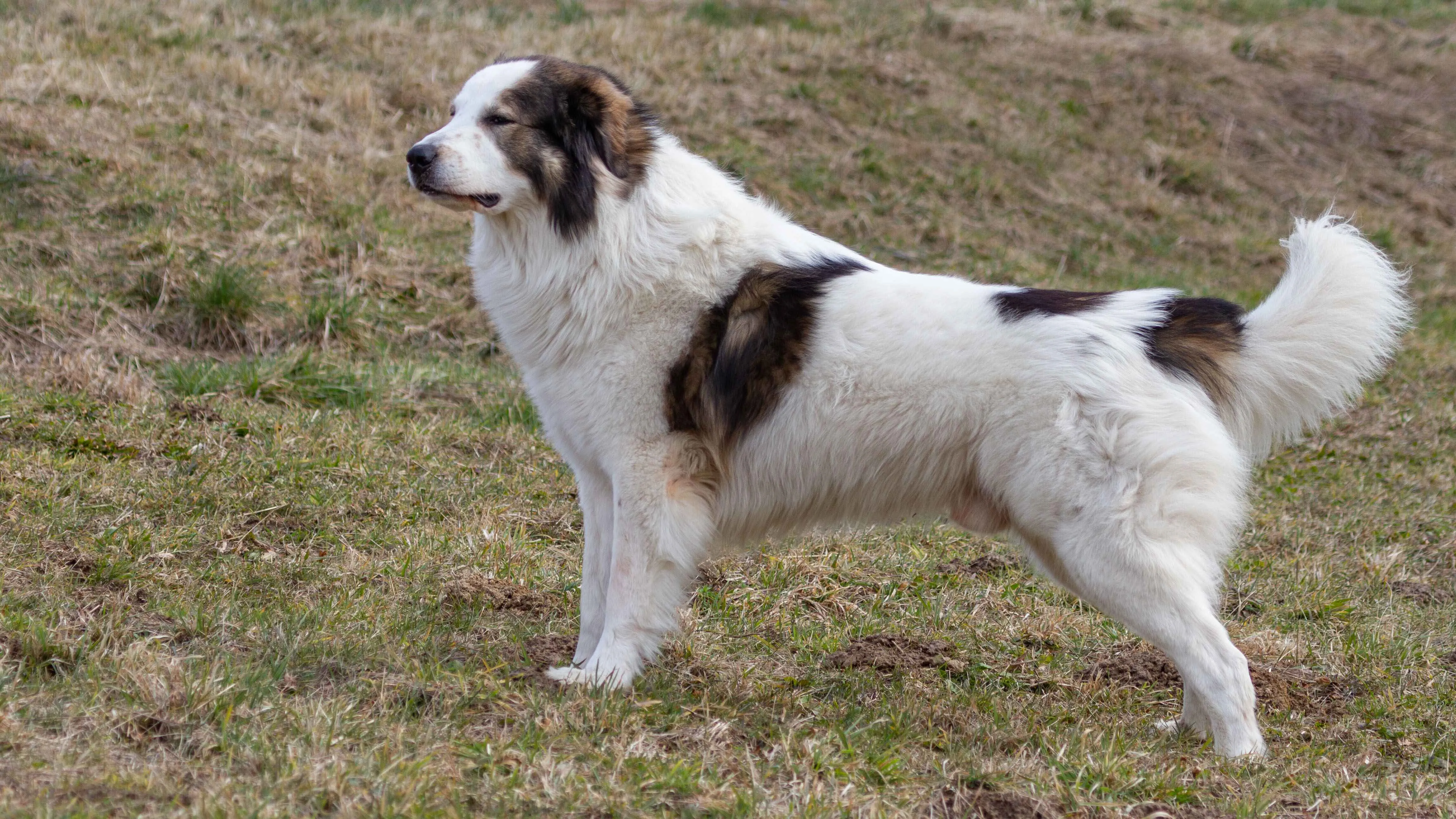
Introduction to the Tornjak
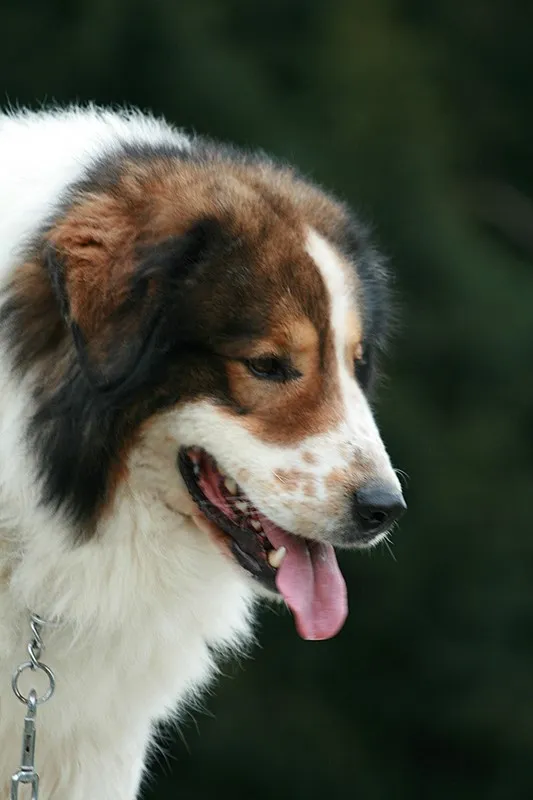
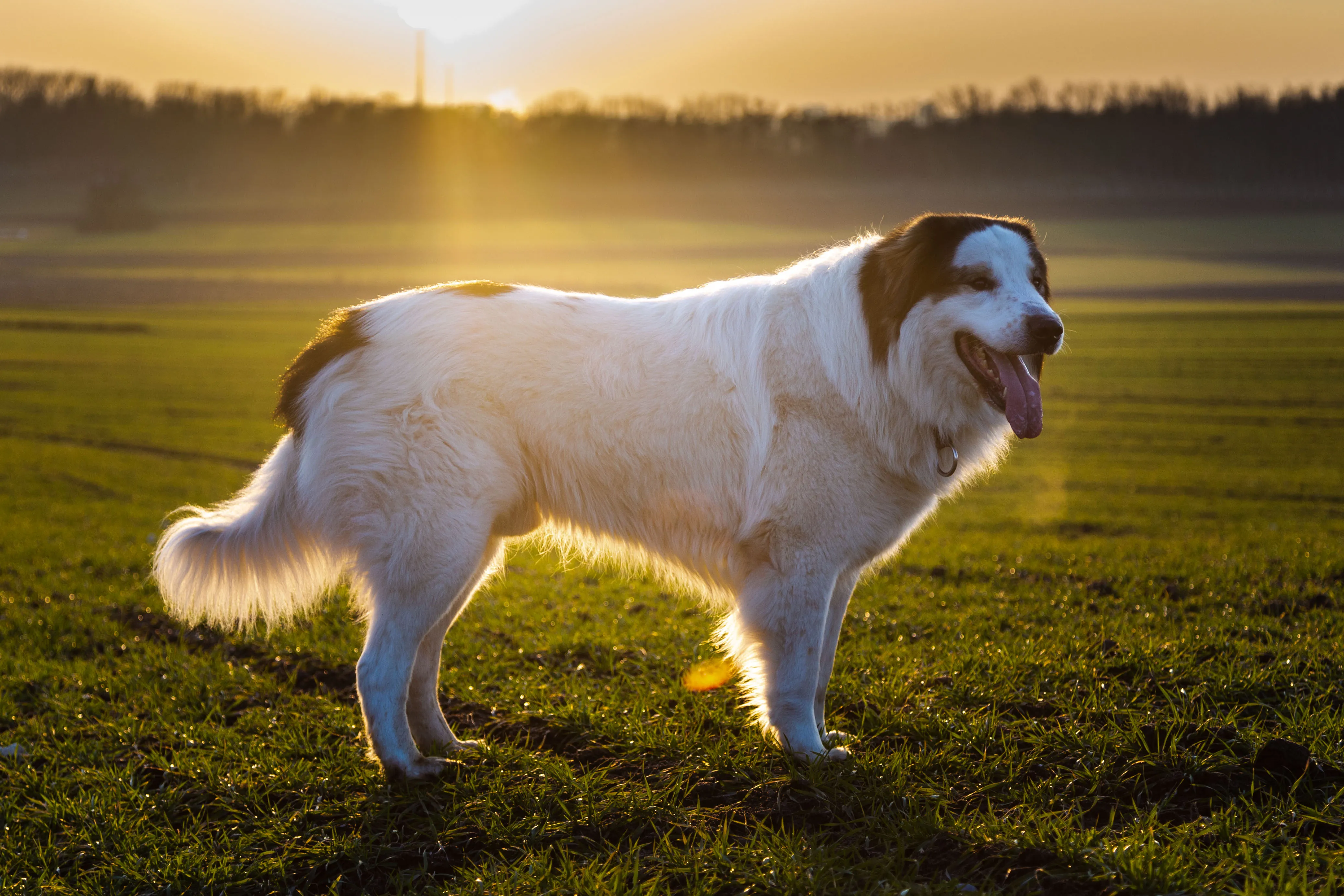
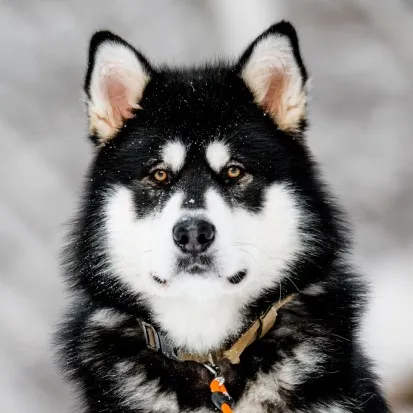
The Tornjak or also called Bosnian-Herzegovinian and Croatian Shepherd Dog, is a very old sheep dog that has been bred as a guardian dog of livestock in the mountains of Bosnia and Herzegovina and Croatia. Tornjak is named after tor, which is the sheep pen.
Characteristics
Barking
Quiet
Loud
Temperament with Kids
Aggressive
Friendly
Playfulness
Silent
Very Playful
Friendliness
Not Friendly
Super Friendly
Compatibility with other dogs
Aggressive
Friendly
Need for attention
Independent
Very Needy
Monthly Expenses


Adopt or Shop: The choice is yours!
Cost of buying
₹ 30,000 - ₹ 80,000
Buying or adopting are the two main possibilities if you're thinking about getting a Tornjak for your house.
Prerequisites to pet a Tornjak
Access to Veterinary
Space and Environment
Willingness to train
Time and Effort
Financial Capability
Lifestyle Compatibility
Now that you know what it takes to raise a Tornjak, are you ready to take the next step to pet one?
Research: Do a thorough review of the traits, requirements, and possible health problems of the breed. Ensure that the Tornjak breed is a good fit for your lifestyle.
Nutrition Care for the Tornjak
Monthly Food Expenses
₹ 3,000 - ₹ 4,500
Calories per day
Puppies: 1800 kcal
Adults: 2250 kcal
Essential Nutrients
Protein
Fats
Carbohydrates
Fibre
Vitamins
Minerals
List of foods
Dry Dog Food
Fresh Meat
Fresh Fish
Fruits
Vegetables
Home made meals
Chicken
- Tornjak need a balanced diet to support their size and coat.
- Include protein, healthy fats, carbs, vitamins, and minerals for strength and coat health.
- Avoid low-quality food to prevent deficiencies and weight gain.
- Adjust feeding based on age and activity level.
- Mix dry food with lean meats and vegetables for balanced nutrition
Breakdown of Macro-nutrients
Best Foods for Tornjaks
- Royal Canin Large Breed Adult – Appropriate for large dogs. Helps with bone, joint and digestive health.
- Orijen Large Breed Puppy – Rich in protein and free of grain. Stimulates healthy muscles and consistent growth.
- Hill’s Science Diet Adult 7+ Large Breed – Especially suitable for seniors with joint issues. Assists in the mobility of older dogs.
- Taste of the Wild Prairie – Grain free, and high-protein formula. Full of novel proteins and antioxidants.
Foods to Avoid for Tornjaks
Avoid anything with these ingredients
Alcohol
Avocados
Cherries
Coffee / Tea
Dairy
Xylitol
Mushrooms
Onions
Milk Products
- Chocolate – Includes theobromine, which is deadly to dogs. Even minute quantities may cause seizures or death.
- Grapes & Raisins – Can cause kidney failure. Toxicity is variable but tends to be intense and capricious.
- Onions, Garlic – Weaken red blood cells. Causes weakness and anaemia in the long run.
- Xylitol – Leads to a quick insulin spike and liver failure. It is present in sugar-free gum, candy, and baked goods
- Cooked Bones – Is able to splinter and destroy the digestive tract. Can lead to choking, internal bleeding or obstructions.


Healthcare for the Tornjak
Avg Monthly Expenses
₹ 1,500 - ₹ 2,250
Common Health Issues
Bloat
Hip Dysplasia
Parasites
Heartworm
Leptospirosis
Lyme disease
Parvovirus
Rabies
Elbow dysplasia
Canine distemper
Von Willebrand's Disease
Well being
Exercise
Bonding
Games
Socialization
Hiking
Energy Level
High
Exercise routine
60 - 90 minutes
Recognising Stress
Changes in appetite
Excessive Barking
Excessive Panting
Reluctance to move
Pacing
Increased laziness
Common Health Problems of Tornjaks
- Hip & Elbow Dysplasia – These can usually be screened during breeding. May cause mobility problems when not addressed in time.
- Bloat (GDV) – Introduce smaller portions of food and no exercise after feeding. An emergency condition that requires critical care.
- Heart Problems – Not that common, but early screening works. Routine vet visits allow catching silent symptoms.
- Arthritis – Particularly during old age. Discomfort is alleviated with the help of joint supplements and light exercise.
Vaccination details
Growth Stage
Core Vaccines
6-8 weeks
Distemper, Parvovirus,Hepatitis, Parainfluenza
10-12 weeks
DHPP Booster
14-16 weeks
Rabies
Annually
DHPP Booster, Rabies
Senior Tornjak Care
As Tornjaks age, they benefit from a few changes:
Tornjak Grooming Routine
Avg Monthly Expenses
₹ 1,200 - ₹ 1,800
Shedding Level
Moderate Shedding
Hygienic Checklist
Bathing
Brushing
Ear Cleaning
Eye Care
Nail Trimming
Teeth Care
Benefits of Grooming
Cleanliness
Low Shedding
Odourless
Prevents Bad Breath
Prevents infections
Quality of life
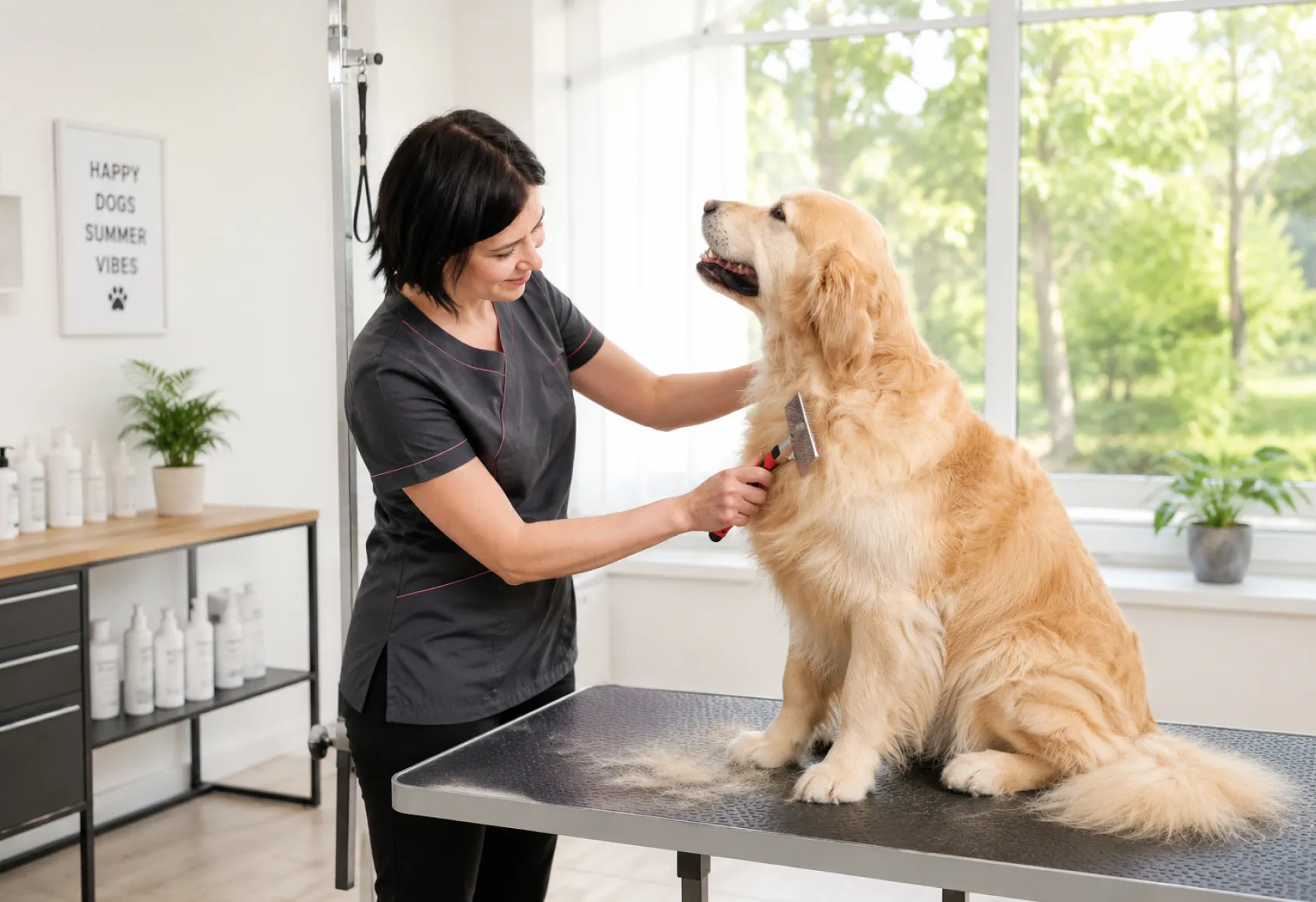
Their coat needs moderate grooming, especially in spring/fall.


Compare with similar breeds
Frequently Asked Questions
Are Tornjaks aggressive?
No, they are not aggressive; they are protective. They are soft and faithful to family.
Are Tornjaks good with other pets?
Yes, when they are early socialised. Their protective instincts are powerful, and introductions are helpful.
2. Can Tornjaks live in hot climates?
Not ideal. They are adapted to cold conditions. Offer shade, water, and restrict midday activity.
How much space does a Tornjak need?
They require a huge, secure yard. Living in an apartment is not preferable.