Home
/
Dog Breeds
/
Sloughi
Sloughi
Origin
North Africa
Size
Large Breed
Ideal Space
House with backyard
Ideal Weather
20º-30ºC
Life Expectancy
12-14 years
Cost of buying
₹ 3,00,000 - ₹ 5,00,000
Top 5 Traits
Athletic
Intelligent
Loyal
Energetic
Fearless
Avg Monthly Expenses
₹ 4,900 - ₹ 7,650

by Happy Pet TeamUpdated on 28 Aug 2025
Meet the Sloughi: The Desert Sighthound with Grace and Loyalty
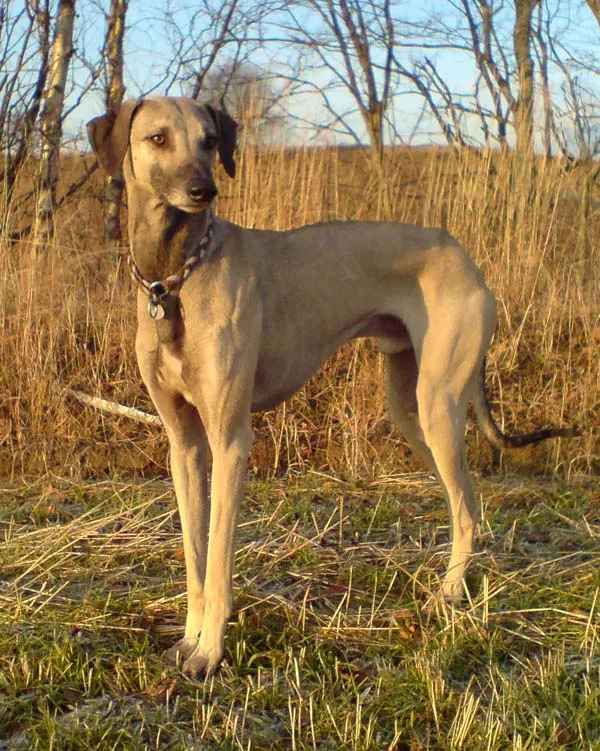
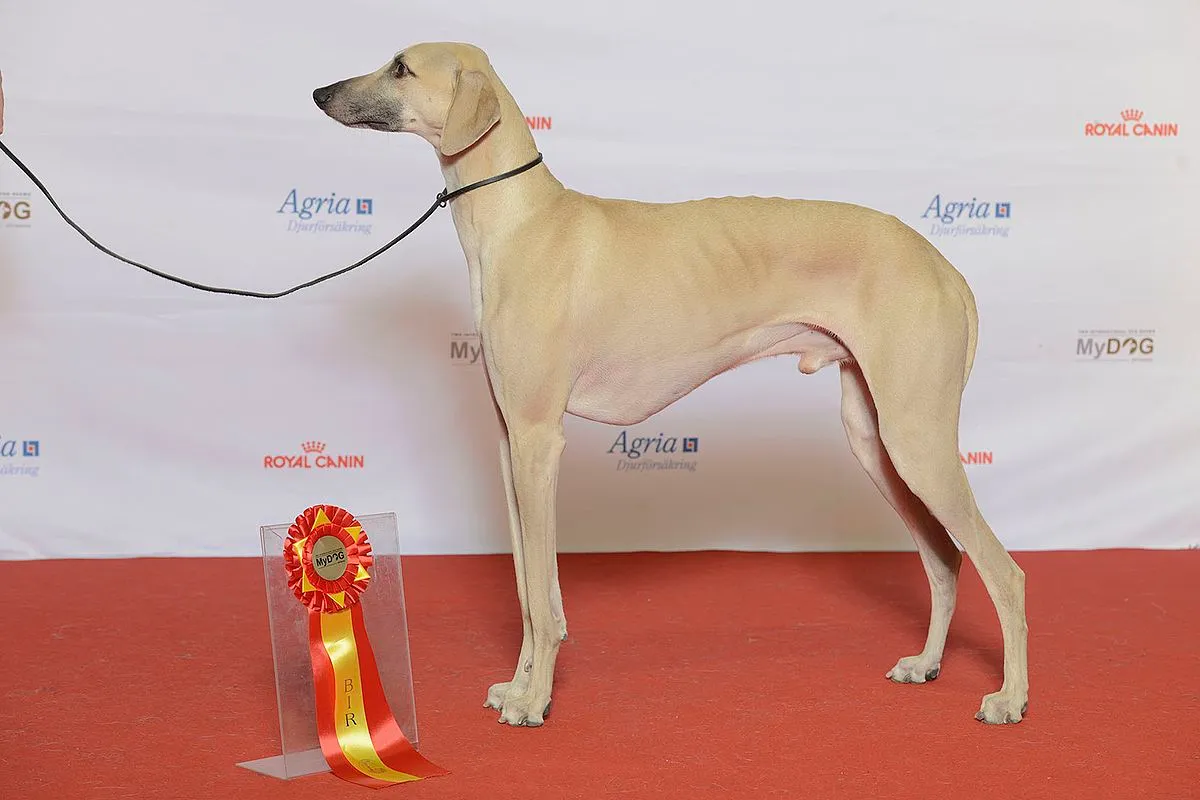
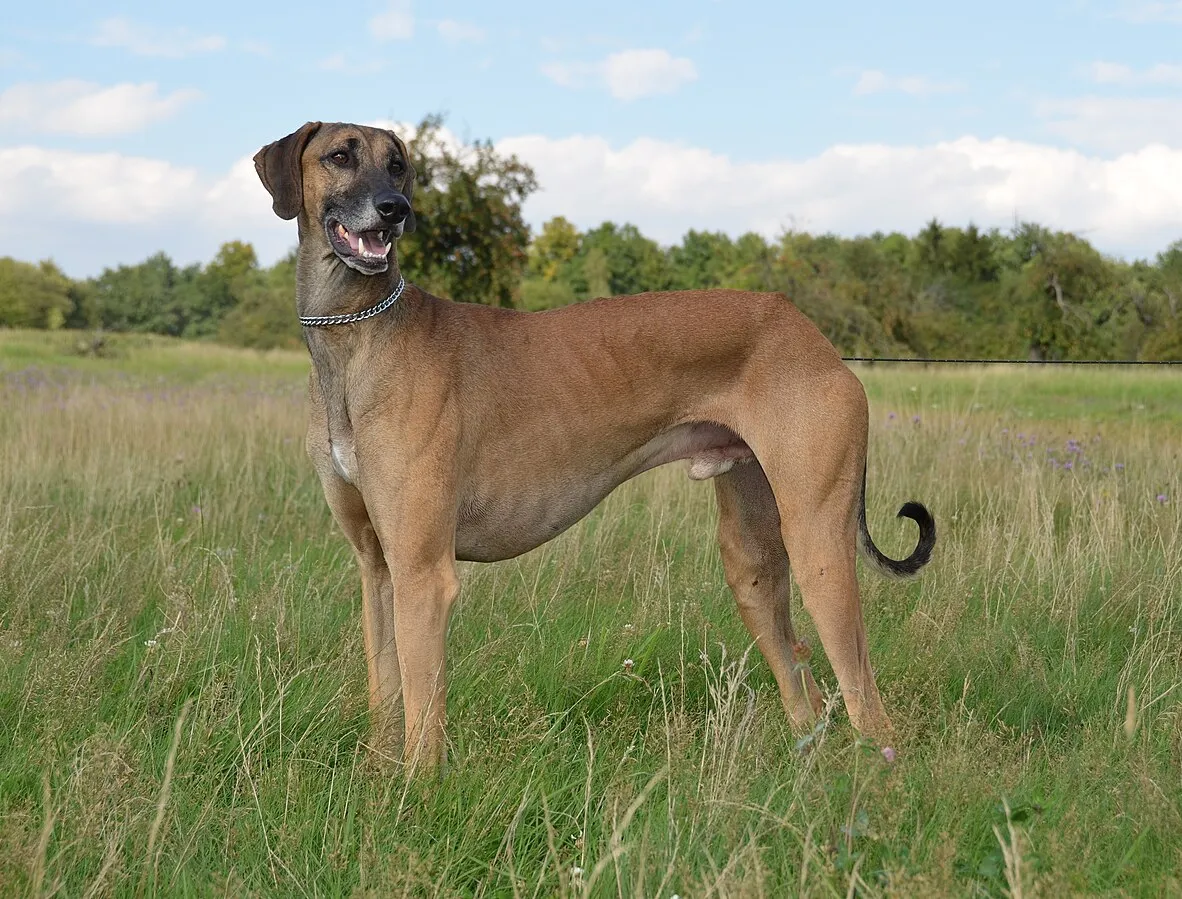
If you’re drawn to dogs that are both elegant and athletic, the Sloughi might capture your heart. Originating in North Africa, particularly Morocco, the Sloughi—often called the “Arabian Greyhound”—was bred to chase gazelles and hares across open desert landscapes. According to the American Kennel Club, this breed is admired for its speed, endurance, and quiet but loyal nature.
In India, the Sloughi is extremely rare, but active pet parents—especially those who love jogging, trekking, or countryside living—may find them a great fit. Still, this isn’t a breed for low-activity households, as their energy and prey drive demand both time and commitment.
How Long Do Sloughis Live?
The Sloughi’s average lifespan is 12–14 years, making it one of the longer-living large breeds. With good preventive care, some even reach 15 years. As PetMD explains, joint health, parasite prevention, and lean nutrition are vital to maintaining their athletic build.
For Indian homes, climate adjustment is key. While they tolerate dry heat well, they can struggle in humid cities like Chennai or Mumbai. To keep them comfortable, schedule walks in the early mornings or evenings, carry clean water during outings, and ensure your home has cool resting spots during the summer months.
Temperament & Personality
Though bred for hunting, Sloughis are surprisingly gentle, sensitive, and family-oriented.
- Family dogs: They bond strongly with their owners, often forming a deep attachment to one person. In Indian households, they’ll typically shadow their primary caregiver.
- Kid-friendly: Calm and affectionate, though they’re better suited to families with older children who respect their space.
- Social behavior: Their prey drive is strong, so homes with smaller pets like cats, rabbits, or free-roaming birds should be cautious. Early training helps, but instinct can’t be fully erased.
- Guarding instinct: They are naturally alert and watchful, making them good watchdogs. However, unlike mastiff breeds, they are not aggressive defenders, they prefer to warn rather than confront.
Apartment vs. Farmhouse Life
The Sloughi’s build is made for running, not lounging, which means space is a must.
- Apartments: Possible in Indian metros like Delhi, Bengaluru, or Pune, but only if pet parents commit to multiple long walks, daily play sessions, and weekend outings to open spaces. Indoor enrichment like obedience games or treadmill training can help meet their exercise needs.
- Farmhouses or larger homes: Ideal, since Sloughis love to sprint and roam freely in secure spaces. If you live on the outskirts or own a farmhouse, a fenced yard is essential—their chase instinct kicks in quickly when they spot birds or stray animals.
These sensitive dogs also thrive when kept indoors with their family rather than isolated outdoors, making them better suited for Indian families who value companionship.
Characteristics
Barking
Quiet
Loud
Temperament with Kids
Aggressive
Friendly
Playfulness
Silent
Very Playful
Friendliness
Not Friendly
Super Friendly
Compatibility with other dogs
Aggressive
Friendly
Need for attention
Independent
Very Needy
Monthly Expenses


Lifespan of the Sloughi and Price in India
Cost of buying
₹ 3,00,000 - ₹ 5,00,000
Sloughis are considered a hardy and long-lived sighthound. With proper care, they generally live 12–15 years, as highlighted by Sloughi International. To reach the higher end of that range, Indian pet parents should prioritize regular vet visits that cover eyes, joints, thyroid, and heart health.
In India, Sloughis are extremely rare. Puppies are usually imported or sourced from niche breeders, which pushes prices into the ₹3–5 lakh range depending on lineage and health clearances.
Exercise Needs
The Sloughi is bred for stamina and speed. PetMD notes that these hounds are highly active and require daily physical outlets. Expect to commit at least 90 minutes of exercise daily.
In India, early morning and late evening are the best times to walk or run with your Sloughi—afternoons in Delhi, Jaipur, or Hyderabad can be dangerously hot. On days when long walks aren’t possible, keep them mentally stimulated with puzzle feeders, nose-work games, or tug-of-war indoors. If you have access to a farmhouse or secure open space, Sloughis will be happiest sprinting in bursts of speed, but they can adapt to apartments provided they get enough daily exercise. Without it, they may become restless, anxious, or vocal.
Prerequisites to pet a Sloughi
Access to Groomer
Access to Veterinary
Lifestyle Compatibility
Financial Capability
Appropriate Climate
Shop or Adopt a Sloughi: Making the Right Choice
Adoption is difficult in India, but not impossible—sometimes rare hounds are surrendered to rescues or breed-specific groups. Checking with NGOs in Delhi, Bengaluru, or Goa may yield results.
Because imports are common, buyers should be cautious of backyard breeders selling poorly socialized or unhealthy pups at lower rates.
Always check for PRA DNA testing, vaccination records, and certificates of origin before committing.
If you’re buying, make sure your breeder:
- Shares health clearances (hips, thyroid, eyes).
- Provides PRA DNA test results.
- Offers vaccination and deworming records.
- Raises pups in family environments, not isolated kennels.
Because Sloughis are sensitive, independent, and deeply loyal, they do best with experienced dog parents who understand sighthounds. They’re not the easiest breed for first-time owners. But for active Indian families who love outdoor activities, the Sloughi becomes a gentle, affectionate, and graceful companion.
Nutrition Care for Sloughis
Monthly Food Expenses
₹ 3,000 - ₹ 4,500
Calories per day
Puppies: 1500 kcal
Adults: 2000 kcal
Essential Nutrients
Protein
Fats
Carbohydrates
Vitamins
Minerals
List of foods
Chicken
Dry Dog Food
Fresh Meat
Fresh Fish
Fruits
Mutton
Home made meals
Vegetables
The Sloughi, also known as the “Arabian Greyhound,” is a lean and elegant sighthound that needs a diet as clean and balanced as its build. According to the American Kennel Club, this breed stays at its healthiest when fed high-quality meals—whether that’s premium kibble or carefully prepared home food. Their slim bodies burn energy fast, so every bite counts.
Protein: Building Lean Muscle
Being natural sprinters, Sloughis thrive on lean meats. Sources like chicken, lamb, turkey, fish, and eggs help them maintain stamina and muscle tone. As highlighted in Dogster’s breed overview, fresh protein without fillers is key for keeping their bodies strong and athletic. For Indian homes, this could mean boiled chicken breast, goat meat with the fat trimmed, lightly cooked eggs, or fish such as rohu and mackerel that are readily available in local markets.
Healthy Fats: Energy & Coat Care
Good fats are essential to fuel those bursts of energy Sloughis are known for. Options like sardines, salmon, or even a small drizzle of coconut oil support both energy reserves and coat shine. Many Indian pet parents also add homemade fish oil to meals once or twice a week for a natural boost.
Carbs: Smart Energy Release
Unlike laid-back breeds, Sloughis quickly burn through carbohydrates. Instead of heavy wheat or refined grains, focus on light and complex carbs that release energy slowly. Foods such as sweet potatoes, oats, and Indian staples like ragi (finger millet) or bajra (pearl millet) work well. Complex carbs are particularly useful for active dogs like sighthounds, giving them steady energy throughout the day.
Vitamins & Minerals: Immune & Eye Health
Sloughis are prized for their sharp eyesight, which means nutrients like beta-carotene are especially important. Adding pumpkin, carrots, spinach, and beans, all easily found in Indian kitchens, provides natural sources of vitamins and minerals to support vision and overall immunity.
Feeding Guidelines for Sloughis
- Puppies (2–12 months): 3–4 small meals daily; mix high-quality puppy kibble with chicken or eggs; include vet-approved calcium for growing bones.
- Adults (1–8 years): 2 meals per day; rotate premium kibble with home-cooked food; try a light grain breakfast and a protein-rich dinner to suit the Indian climate.
- Seniors (8+ years): Cut calories by 15–20% to prevent weight gain; choose low-fat meats; add supplements like glucosamine; break meals into smaller portions for easier digestion.
Breakdown of Macro-nutrients
Best Foods for Sloughis in India
- Premium Kibble: Orijen Originals, Farmina N&D Low Grain, Royal Canin Medium Active (available via Indian retailers like Heads Up For Tails or Supertails).
- Home-Cooked Meals: Chicken + pumpkin + rice + spinach; fish (mackerel/sardine) + sweet potato + beans; egg + oats + carrots.
- Supplements: Omega-3 capsules for joint and coat care; glucosamine for bone health (always under vet advice).
Raising a Sloughi in India means being mindful of the heat and food choices. Stick to boiled meats, fresh vegetables, and locally available grains like ragi or rice. Always provide clean water and shaded rest areas so they stay cool after walks or play. With the right balance, your Sloughi’s legendary speed and elegance can truly shine in an Indian home.
Never feed these foods to Sloughi
Avoid anything with these ingredients
Alcohol
Garlic
Almonds
Grapes
Avocados
Lemon
Cherries
Milk Products
Cinnamon
Mushrooms
Coffee / Tea
Onions
Dairy
Salt
Fruit seeds
Sugar
Because Sloughis have sensitive stomachs, avoid foods that cause harm or indigestion:

- Onions, garlic, grapes, raisins, chocolate, and artificial sweeteners like xylitol.
- Indian street foods—pakoras, fried snacks, and spicy gravies are especially harsh on their digestive system.
- Poor-quality kibble with fillers like corn and soy.
Rawhides and brittle bones, which can splinter and injure their gut.

Health
Avg Monthly Expenses
₹ 1,200 - ₹ 1,950
Common Health Issues
Hip Dysplasia
Bloat
Heartworm
Skin Allergies
Ear Infections
Progressive Retinal Atrophy (PRA)
Parasites
Epilepsy
Well being
Exercise
Agility Training
Bonding
Games
Socialization
Energy Level
High
Exercise routine
60 - 90 minutes
Recognising Stress
Changes in appetite
Excessive Barking
Pacing
Excessive Panting
Reluctance to move
Increased laziness
Healthcare for the Sloughi
The Sloughi, also called the Arabian Greyhound, is known for being a hardy and long-lived sighthound. According to the American Kennel Club, most Sloughis live 12 to 15 years when given proper care and regular checkups. Breed experts, such as the Sloughi International group, emphasize that early health screening is important since these dogs are rare outside their native regions and often imported into India.
At around 12–18 months, Indian pet parents should arrange eye exams and request PRA DNA testing to rule out progressive retinal atrophy, a condition known to affect sighthounds. Regular vet visits in metro cities like Delhi or Bengaluru should include thyroid checks, heart monitoring, and joint assessments. Because India’s summers can be especially harsh, Sloughis need shaded rest areas, plenty of water, and sometimes even cooling mats or A/C rooms to stay safe.
Common Health Issues in Sloughis
While the breed is considered robust, there are some health challenges to watch for. Progressive Retinal Atrophy is one of the most significant risks, though responsible breeders typically screen for it. Autoimmune issues such as Addison’s disease or lupus have also been reported in some cases, according to Sloughi breed health resources.
Like many sighthounds, Sloughis may also be unusually sensitive to anesthesia and certain medications. PetMD’s Sloughi guide advises that vets introduce treatments cautiously, one at a time. Allergies and skin irritations can be common in Indian cities where dust, pollen, and insect bites are prevalent. Finally, dental problems such as tartar buildup and gum disease may occur without a routine brushing schedule or dental chews.
General Healthcare Tips for Indian Homes
- Annual Vet Visits: Include checks for eyes, thyroid, heart, and joints.
- Dental Hygiene: Weekly brushing or vet-approved dental chews (widely available in Indian pet stores) prevent gum disease.
- Lean Diet: Sloughis are naturally slim athletes, so avoid overfeeding.
- Supplements: Glucosamine and fish oil, both easy to source from Indian pharmacies, help keep joints flexible and coats shiny.
- Mental Stimulation: Sighthounds need enrichment—gentle tug games, nose work, or short agility sessions can keep them engaged indoors.
Vaccination details
Growth Stage
Core Vaccines
6-8 Weeks
Distemper, Parvovirus, Adenovirus
10-12 Weeks
Bordetella (Kennel Cough), Leptospirosis
14-16 Weeks
Booster for Distemper, Parvovirus, Adenovirus
6-12 Months
Rabies (if not already administered)
Annually
Booster for Distemper, Parvovirus, Adenovirus
Recommendations to care for senior Sloughi dogs
As Sloughis age, they benefit from bi-annual vet visits that include full blood panels for liver, kidney, and thyroid function. In hot Indian climates, shorter but more frequent walks combined with cooling mats or fans can help older dogs stay comfortable.
Diet should shift toward lower-calorie, joint-supportive meals. Many Indian pet parents also add a pinch of turmeric under veterinary guidance, since it has anti-inflammatory benefits. Orthopedic bedding on soft surfaces reduces strain on aging joints, while gentle massages in winter ease stiffness. Just as important, senior Sloughis thrive on routine—regular mealtimes, walks, and family interaction reduce anxiety.
Similar Breeds
Grooming Routine of the Sloughi
Avg Monthly Expenses
₹ 700 - ₹ 1,200
Shedding Level
Low Shedding
Hygienic Checklist
Brushing
Ear Cleaning
Eye Care
Nail Trimming
Bathing
Teeth Care
Benefits of Grooming
Cleanliness
Low Shedding
Odourless
Prevents infections
Quality of life
Prevents Bad Breath
The Sloughi, also called the Arabian Greyhound, is a naturally clean and low-maintenance breed. With its short, fine coat, you won’t be spending hours grooming. A quick brush with a soft bristle brush or grooming mitt twice a week is enough to remove loose hair and keep that sleek coat shiny. In Indian homes—where dust and pollution build up easily—this light brushing also helps reduce shedding indoors.

Bathing is rarely needed. According to the American Kennel Club, once every 6–8 weeks works well. But if you live in hot, humid cities like Mumbai or Chennai, a monthly bath with a mild, vet-approved shampoo can prevent skin irritation. For rural families or farmhouses where Sloughis love sprinting on open grounds, a quick rinse after muddy runs will keep them fresh.
Their ears and teeth need a little more attention. Sloughis have drop ears that can trap moisture, especially in India’s monsoons. Weekly ear cleaning with a vet-approved solution prevents infections. For dental care, brushing teeth three times a week or giving dental chews will keep tartar and gum disease at bay.


Written by
Happy Pet TeamAuthor
Team Happy Pet is a passionate collective of pet experts, enthusiasts, and advocates dedicated to sharing trusted and insightful content.
Our cont
Compare with similar breeds
Frequently Asked Questions
What is the lifespan of a Sloughi?
They generally live 12–15 years. With balanced nutrition, eye and joint checks, and climate care in India, many Sloughis thrive well into their senior years.
How much does a Sloughi cost in India?
Prices range between ₹3–5 lakhs, depending on pedigree and breeder reputation. Always verify health certificates and testing.
Are Sloughis suitable for Indian homes and climate?
Yes, but they need protection from heat. Sloughis do well in India if exercised during cooler hours and given shaded or air-cooled resting areas.
What should I feed my Sloughi in India?
A mix of premium kibble or fresh-cooked meals (boiled chicken, rice, pumpkin, spinach, eggs). Adding omega-3 oils and joint supplements helps active hounds.
How much exercise does a Sloughi need daily?
At least 90 minutes of activity, including runs and brain games. Without this, they may become anxious or destructive.