Home
/
Dog Breeds
/
Scottish Terrier
Scottish Terrier
Origin
Scotland
Size
Small Breed
Ideal Space
Apartment
Ideal Weather
10Āŗ-20ĀŗC
Life Expectancy
11-13Ā years
Cost of buying
ā¹ 50,000 - ā¹ 1,00,000
Top 5 Traits
Fearless
Intelligent
Loyal
Protective
Energetic
Avg Monthly Expenses
ā¹ 3,300 - ā¹ 5,400


byĀ Happy Pet TeamUpdated on 14 Sept 2025
Meet the Scottish Terrier: Bold, Independent, and Full of Character
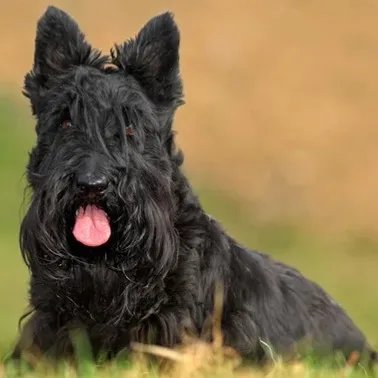
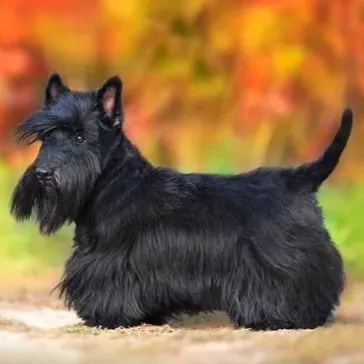
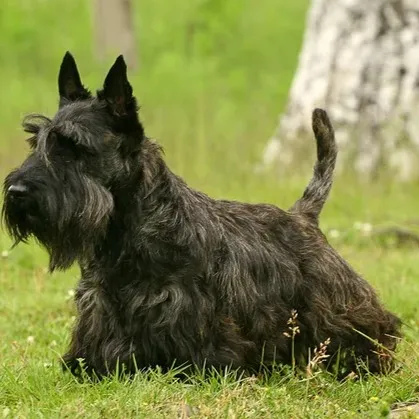
The Scottish Terrier, often called the āScottieā, is a small but sturdy dog with a big personality. Originally bred in Scotland to hunt vermin, this breed is known for its dignified beard, short legs, and fearless nature, according to the American Kennel Club (AKC). In India, their compact size and low-shedding wiry coat make them suitable for apartments as well as larger homesāthough their strong will means they thrive best with experienced pet parents who enjoy their spunky, sometimes stubborn charm.
How Long Do Scottish Terriers Live?
Scottish Terriers generally live 12ā15 years, says PetMD. In India, with regular vet checkups, tick prevention, and a nutritious diet, many Scotties enjoy long, active lives. Their hardy nature makes them adaptable, but heat sensitivity means special care is needed during summers in places like Delhi, Nagpur, or Chennai. Routine heart, skin, and dental checkups can help prevent common small-breed issues.
Temperament & Personality
With Family:
Scottish Terriers are affectionate but not clingyāthey love being around their humans while still valuing their independence. In Indian homes, they often follow family members around but also enjoy quiet time in their own corner.
With Kids:
They do well with older children who understand boundaries. Their strong prey drive and spirited play can be too much for toddlers, so supervision is a must.
With Strangers:
Scotties are naturally aloof and make excellent watchdogs. In Indian apartments, theyāll likely bark when the doorbell rings but settle down once they know the visitor.
Training:
These intelligent but independent dogs need consistent, positive reinforcement. As DogTime notes, harsh training methods wonāt work. In India, recall training is especially important since Scotties love to chase squirrels, cats, or even stray pigeons during walks.
Energy Levels:
Though small, Scottish Terriers have a surprising amount of energy. A mix of two brisk walks and indoor play sessions (like tug-of-war or hide-and-seek with treats) usually keeps them content. Without engagement, they may resort to digging or chewing furniture.
Apartment vs. Farmhouse Life in India
Apartment Living (Mumbai, Bengaluru, Delhi, Hyderabad):
Scotties adapt well to flats as long as they get daily walks and short playtimes. Their moderate size means they donāt take up much space, but they do need stimulationāinteractive toys or puzzle feeders work well indoors.
Farmhouse/Suburban Homes (Goa, Dehradun, Coimbatore, outskirts of Gurgaon):
In larger spaces, Scotties enjoy patrolling the yard like little watchdogs. Just ensure fences are secureāthis breed is curious and determined when they see potential prey.
Climate Considerations in India
Hot Cities (Jaipur, Chennai, Ahmedabad, Delhi):
Scotties donāt tolerate high heat well because of their dense double coat. Restrict walks to mornings and evenings, use cooling mats or fans indoors, and always keep water handy.
Cooler Regions (Shimla, Ooty, Darjeeling, Coorg):
Perfect for Scotties, they thrive in cooler climates where their coat provides natural insulation. Longer outdoor activities are possible here, but brushing helps manage dust and mats.
Monsoons:
With their low height and bearded muzzle, Scotties often get damp and muddy during rains. Wipe down thoroughly to avoid skin infections, and check paws for fungal buildup after walks in wet Indian lanes.
Characteristics
Barking
Quiet
Loud
Temperament with Kids
Aggressive
Friendly
Playfulness
Silent
Very Playful
Friendliness
Not Friendly
Super Friendly
Compatibility with other dogs
Aggressive
Friendly
Need for attention
Independent
Very Needy
Monthly Expenses


Lifespan & Availability in India
Cost of buying
ā¹ 50,000 - ā¹ 1,00,000
Scottish Terriers typically live 11ā13 years with proper care and preventive healthcare.
In India, theyāre not very common and are usually imported through breeders with KCI or FCI affiliations. Prices generally range between ā¹2.5ā4 lakhs depending on lineage and breeder credibility. Be cautious of unverified sellersāask for health clearances for hips, heart, and hereditary conditions like bladder cancer, which Scotties are genetically prone to.
Exercise Needs
Scotties may be small, but theyāre energetic and determined little dogs. They need both physical activity and mental stimulation to stay balanced.
Daily Activity:
Aim for 30ā45 minutes of daily exercise. Short morning and evening walks work best, especially in hot cities like Chennai or Hyderabad where midday sun can be harsh.
Outdoor Play:
They love exploring, so secure play spaces like gated gardens, rooftops, or compounds are ideal. Since Scotties have a strong prey drive, always supervise them outdoorsāthey may chase cats, squirrels, or even birds. Keep fresh water nearby during summer walks, especially in MayāJune heat.
Mental Stimulation:
Scotties are intelligent and independent thinkers. Puzzle toys, hide-and-seek games, and obedience training sessions keep them sharp. For apartment living, indoor games like āfind the treatā or short training drills work perfectly.
Prerequisites to pet a Scottish Terrier
Access to Groomer
Access to Veterinary
Space and Environment
Willingness to train
Financial Capability
Shop or Adopt a Scottish Terrier in India
- Health paperwork: Ask for vet clearances for bladder and joint healthācommon issues in Scotties.
- Responsible breeders: Look for breeders who raise puppies indoors and socialize them early.
- Documentation: Ensure pedigree papers (KCI/FCI) and up-to-date vaccinations.
- Adoption: Rare in India, but keep an eye on breed-specific rescues abroad. If importing, prepare for acclimatizationācooling mats or AC in summers, and warm bedding in northern winters.
Nutrition Care for Scottish Terriers in India
Monthly Food Expenses
ā¹ 1,200 - ā¹ 1,800
Calories per day
Puppies:Ā 800 kcal
Adults:Ā 600 kcal
Essential Nutrients
Carbohydrates
Fats
Protein
Omega3
Protein
Vitamins
Fibre
List of foods
Chicken
Dry Dog Food
Fresh Meat
Fresh Fish
Fruits
Mutton
Home made meals
Vegetables
Scottish Terriers (affectionately called Scotties) are small but sturdy dogs with strong personalities and surprisingly high energy for their short legs. Originally bred in Scotland as fearless vermin hunters, they thrive on a balanced, nutrient-rich diet that supports their compact muscles, joint health, and wiry double coat. As the American Kennel Club (AKC) points out, quality nutrition is key to their long-term well-being. In India, paying attention to climate, portion control, and local food options helps prevent weight gain and digestive sensitivities common in this breed.
Protein: Fuel for Muscles & Energy
Scotties may look small, but theyāre active explorers who need lean protein to stay fit and energized. According to PetMD, small active breeds benefit from 22ā26% protein in daily meals.
India-friendly protein options:
- Boiled chicken (skinless, unspiced)
- Freshwater fish like rohu, mackerel, or sardines for omega-3 support
- Eggsāboiled or lightly scrambled without oil
- Paneer in moderation, especially in cooler cities like Shimla or Bengaluru
In hot Indian summers, stick to lighter proteins like chicken and fish. Heavy red meats can be harder to digest and may cause overheating. Feeding 2ā3 smaller meals instead of one large serving helps prevent bloating or discomfort.
Healthy Fats: Coat & Brain Support
Scotties have a coarse, wiry outer coat and a soft undercoat that need healthy fats to stay nourished. Omega fatty acids also boost brain function and immunity.
Easy Indian sources of fats:
- Sardines or mackerel once a week for natural omega-3s
- A teaspoon of coconut oil in meals 2ā3 times a week for skin hydration
- Vet-approved fish oil supplements during dry winters in Delhi or Jaipur
Regular brushing after meals keeps their coat tangle-free and reduces dust build-up common in Indian cities.
Carbohydrates: Steady Energy Without Weight Gain
Scottish Terriers are prone to obesity if overfed. Instead of starchy fillers, choose complex carbs for steady energy.
Best carb options in India:
- Oats or daliya (broken wheat)
- Small portions of brown or red rice
- Vegetables like pumpkin, carrots, bottle gourd, beans
- Fiber-rich millets such as ragi or jowar
Avoid bread, biscuits, fried snacks (pakoras, samosas), and restaurant leftoversāthey can trigger weight gain and stomach upset.
Vitamins & Minerals: Immunity & Joint Care
Scotties are generally hardy but can develop joint issues as they age. Antioxidants and minerals support their bones and overall vitality.
Easy Indian boosters:
- Steamed peas, spinach, carrots, and beans mixed into meals
- Vet-guided calcium during puppy growth stages
- Glucosamine or chondroitin supplements for adults and seniors to protect hips and knees
Feeding Guidelines by Life Stage
- Puppies (2ā12 months): 3ā4 small meals/day. Puppy kibble combined with boiled chicken or egg works well. Avoid over-supplementing calcium to protect growing bones.
- Adults (1ā7 years): 2 meals/day. Mix lighter breakfasts (like oats + veggies) with protein-rich dinners (chicken/fish + pumpkin).
- Seniors (7+ years): Smaller, softer meals. Add joint supplements and cut calories by 10ā15% to maintain a healthy weight.
Scotties tend to gulp food quickly. A slow-feeder bowl helps prevent choking and aids digestion, especially in hot, humid climates like Chennai or Kolkata.
Breakdown of Macro-nutrients
Best Foods for Scottish Terriers in India
Premium Kibble (small-breed formulas):
- Royal Canin Mini or Small Breed Adult
- Hillās Science Diet Small & Mini
- Farmina N&D Ancestral Grain or Grain-Free Mini Breeds
- Orijen Small Breed
Balanced Home-Cooked Meals:
- Boiled chicken + pumpkin + carrots
- Sardines + sweet potato + beans
- Eggs + oats + spinach
- Paneer + ragi porridge + peas (occasionally)
Healthy Treats: Carrot sticks, cucumber slices, apple (seedless), plain curd, or homemade chicken jerky.
Hydration Boosts: Always provide fresh water; in hot cities, add coconut water (unsweetened) or light bone broth to keep them hydrated.
Never feed these foods to Scottish Terrier
Avoid anything with these ingredients
Alcohol
Almonds
Avocados
Garlic
Coffee / Tea
Cinnamon
Milk Products
Scotties have sensitive digestion and are prone to weight gain.

- Toxic: Onions, garlic, grapes, raisins, chocolate, xylitol
- Unhealthy: Mithai, fried snacks, chips, ice cream, processed meats
- Unsafe: Cooked bones, rawhide chews, caffeine/alcohol (tea, coffee, beer, wine)
Stick to fresh, balanced meals and high-quality kibble to avoid stomach upsetsāespecially in Indiaās heat and humidity.

Health
Avg Monthly Expenses
ā¹ 900 - ā¹ 1,800
Common Health Issues
Canine distemper
Hip Dysplasia
Leptospirosis
Heartworm
Kennel Cough
Parvovirus
Rabies
Ringworm
Well being
Exercise
Agility Training
Bonding
Socialization
Games
Energy Level
Medium
Exercise routine
30 - 60 minutes
Recognising Stress
Excessive Barking
Changes in appetite
Pacing
Excessive Panting
Reluctance to move
Medical Care
Scottish Terriers, or Scotties, are sturdy little dogs with big personalities. While generally healthy, their unique build (short legs, long body, wiry coat) does come with certain health risks. With preventive care, climate awareness, and a balanced routine, Indian pet parents can keep their Scotties thriving well into their senior years.
Hip Dysplasia & Joint Problems
Though small, Scotties are surprisingly heavy-boned, which can strain their hips and knees. According to PetMD, breeds with stocky builds are prone to joint issues like hip dysplasia. In Indian homes with marble or tile floors, slipping is a real riskārugs, yoga mats, or anti-slip runners help protect their joints. Avoid too much stair climbing, especially during puppyhood, to prevent stress on growing bones.
Bladder Cancer (Transitional Cell Carcinoma)
One of the most common health concerns in Scotties is bladder cancer, as highlighted by the American Kennel Club (AKC). In India, where early diagnosis can be tricky, watch for warning signs like frequent urination, blood in urine, or straining. Annual vet checkups, especially after age 6, are important for early detection.
Skin Allergies & Sensitivities
With their wiry double coat, Scotties can develop allergies from dust, pollen, or even certain foods. In humid Indian cities like Mumbai or Chennai, fungal infections are common during monsoons. A hypoallergenic, vet-approved shampoo and thorough drying after baths or rainy walks keep skin issues at bay.
Dental Problems
Like many small breeds, Scotties often face tartar buildup and gum disease due to crowded teeth. VCA Hospitals recommends brushing at least 2ā3 times a week. In India, crunchy add-ons like carrot sticks or cucumber slices are cost-effective alternatives to imported dental chews.
Ear Infections
Their small, upright ears donāt trap as much moisture as floppy-eared breeds, but in monsoon-heavy regions like Kolkata or Kochi, infections can still occur. Weekly ear checks and gentle cleaning with a vet-approved solution help prevent problems.
Obesity
Scotties are foodies and can easily become overweight, which worsens joint stress and heart health. Indian pet parents should avoid feeding fried snacks (samosas, pakoras) or rich leftovers (biryani, curries). Stick to portion-controlled meals with healthy treats like plain curd or apple slices.
General Healthcare Tips for Indian Homes
- Vet Visits: Annual visits for young Scotties; twice yearly for seniors. Always ask breeders for hip and bladder health clearances before adoption.
- Weight Control: Serve measured portions, avoid table scraps, and skip mithai or fried treats.
- Dental & Skin Care: Brush teeth weekly, dry coat fully after baths, and check skin for fungal rashes during monsoons.
- Parasite Protection: Regular tick/flea prevention is a must in tropical regions like Goa or Kerala.
Mental Enrichment: Scotties are clever and independent. Games like scent trails, puzzle feeders, or hide-and-seek keep them sharp and prevent boredom indoors.
Vaccination details
Growth Stage
Core Vaccines
6-8 Weeks
Canine Distemper, Parvovirus.
10-12 Weeks
Leptospirosis, Kennel Cough.
14-16 Weeks
Rabies, Parvovirus Booster.
12-16 months
Booster for all core vaccines.
Annually
Rabies, Leptospirosis, DHPP**.
Recommendations to care for senior Scottish Terrier dogs
- Vet Visits: Biannual health panels (kidney, liver, thyroid, bladder scans) are key to spotting age-related issues early.
- Diet Adjustments: Opt for senior-friendly, easy-to-digest mealsāboiled chicken, fish, or senior kibble. Reduce calories by 10ā15% to avoid obesity.
- Joint Support: Provide orthopedic bedding to cushion joints against Indiaās hard tile floors. Supplements like glucosamine (vet-approved) help manage stiffness.
- Climate Management: In hot metros like Delhi or Chennai, use AC, fans, or cooling mats to prevent heat stress. In northern cities like Shimla or Manali, warm bedding is needed in winters.
- Dental & Bladder Monitoring: Keep up with brushing and watch for urinary changes, as bladder issues are common in older Scotties.
Similar Breeds
Grooming
Avg Monthly Expenses
ā¹ 1,200 - ā¹ 1,800
Shedding Level
Low Shedding
Hygienic Checklist
Brushing
Ear Cleaning
Eye Care
Nail Trimming
Bathing
Teeth Care
Benefits of Grooming
Cleanliness
Low Shedding
Prevents infections
Quality of life
Prevents Bad Breath
Odourless
Scottish Terriers, affectionately called Scotties, are small, confident dogs with a wiry double coat that gives them their iconic look. While they donāt shed much, their coat can quickly get messy or develop mats if not maintained. In India, where dust, humidity, and heat add to grooming challenges, a regular care routine keeps them healthy and comfortable.

Brushing
Scottiesā coarse outer coat and soft undercoat need regular upkeep. A slicker brush or pin brush used 2ā3 times a week prevents tangles and removes dead hair. Focus on the beard, chest, and belly, as these areas trap food and dirt easily. In dusty cities like Delhi, Pune, or Bengaluru, wiping down their beard and legs with a damp cloth between brushes helps reduce allergens and pollution build-up.
Bathing
Unlike some breeds, Scotties donāt need frequent baths. Once every 4ā6 weeks is enough, unless they roll around in the garden or pick up smells. In Indiaās humid regions like Mumbai, Kochi, or Kolkata, a vet-approved dry shampoo helps freshen them up between baths. Always dry their coat thoroughly, as dampness can lead to fungal infections, especially during the monsoon.
Ears & Nails
Scotties have small, upright ears that are less prone to infections than floppy-eared breedsābut they still need weekly checks for wax or dirt, especially in humid cities. Use a gentle, dog-safe ear cleaning solution. Their nails, on the other hand, grow fast and donāt naturally wear down on smooth marble or tile floors common in Indian homes. Trim every 3ā4 weeks to prevent discomfort and slipping.
Teeth
Dental health is especially important for Scotties, who are prone to tartar buildup. VCA Animal Hospitals recommend brushing 2ā3 times a week with dog-safe toothpaste. In India, crunchy snacks like carrot sticks or cucumber slices make affordable, natural options to help clean teeth.


Written by
Happy Pet TeamAuthor
Team Happy Pet is a passionate collective of pet experts, enthusiasts, and advocates dedicated to sharing trusted and insightful content.
Our contĀ
Compare with similar breeds
Frequently Asked Questions
Are Scottish Terriers easy to train?
While Scottish Terriers are intelligent, they can also be quite independent and stubborn, which may require patience and consistency during training.
What kind of diet is best for a Scottish Terrier?
A balanced diet with high-quality protein, healthy fats, and essential nutrients is best. Fresh meats like chicken or mutton, along with vegetables and specially formulated dry dog food, are good options.
Do Scottish Terriers require a lot of grooming?
Yes, Scottish Terriers require regular grooming, including brushing, ear cleaning, and nail trimming, to maintain their health and appearance.