Home
/
Dog Breeds
/
Pyrenean Mastiff
Pyrenean Mastiff
Origin
Spain
Size
Giant Breed
Ideal Space
House with Farm Area
Ideal Weather
15º-25ºC
Life Expectancy
10-12 years
Cost of buying
₹ 50,000 - ₹ 1,00,000
Top 5 Traits
Loyal
Playful
Intelligent
Fearless
Protective
Avg Monthly Expenses
₹ 5,700 - ₹ 8,550
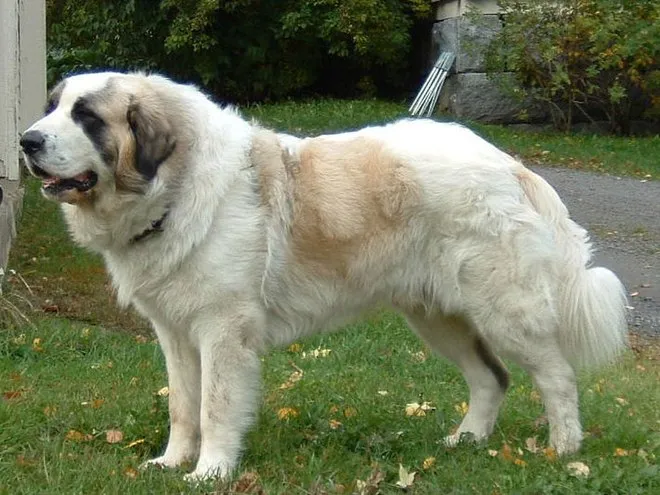
Introduction to the Pyrenean Mastiff Breed
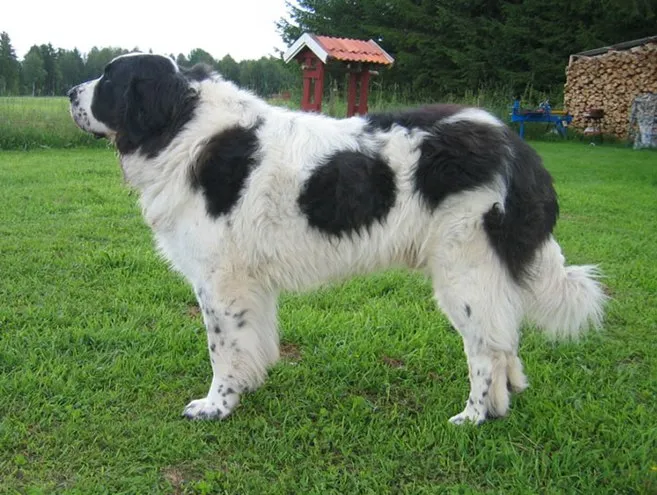
The Pyrenean Mastiff is a very old dog breed that was created in Spain. It was designed to protect livestock from wolves and bears in the Pyrenees Mountains.
Characteristics
Barking
Quiet
Loud
Temperament with Kids
Aggressive
Friendly
Playfulness
Silent
Very Playful
Friendliness
Not Friendly
Super Friendly
Compatibility with other dogs
Aggressive
Friendly
Need for attention
Independent
Very Needy
Monthly Expenses


Pyrenean Mastiff Price Overview
Cost of buying
₹ 50,000 - ₹ 1,00,000
How Much Does a Pyrenean Mastiff Cost?
Prerequisites to pet a Pyrenean Mastiff
Access to Veterinary
Appropriate Climate
Space and Environment
Financial Capability
Willingness to train
Access to Groomer
Shop or Adopt a Pyrenean Mastiff: Choice is yours!
Buying a Pyrenean Mastiff from a responsible breeder ensures ethical breeding while adopting one gives a rescue dog a second chance at a loving home. Choose based on your lifestyle and commitment to their care.
Nutritional Care for Pyrenean Mastiffs
Monthly Food Expenses
₹ 3,000 - ₹ 4,500
Calories per day
Puppies: 2500 kcal
Adults: 3000 kcal
Essential Nutrients
Protein
Fats
Carbohydrates
Fibre
Minerals
Vitamins
List of foods
Dry Dog Food
Fresh Meat
Vegetables
Fruits
Mutton
Fresh Fish
Chicken
- Pyrenean Mastiffs require a well-balanced diet containing essential nutrients to help them in their large size.
- A healthy diet for them should include high-quality protein, good fats, carbohydrates, vitamins, and minerals for a healthy body and good muscle strength.
- Try avoiding cheap, low-quality food that may not have essential nutrients and result in weight issues.
- Puppies, Adult, and Senior dogs all have different dietary requirements; feeding needs change with age.
- You can mix dry and homemade food, so they get different nutrients.
Breakdown of Macro-nutrients
Best Foods for Pyrenean Mastiffs
- Protein – This helps in muscle development. Some great sources are lean meats like chicken, turkey, and lamb.
- Healthy Fats – Fats help keep the skin and coat healthy, this can easily be found in fish oil and flaxseed oil.
- Carbohydrates – These provide energy. The best sources are brown rice, quinoa, and oats.
- Vitamins and Minerals – These improve immune health. The best sources are fresh fruits like apples, blueberries, and bananas. Vegetables like carrots, green beans, and cabbage.
- Foods that promote joint health - There are a few food items that help in joint development like salmon, flaxseeds, and glucosamine-rich supplements.
- Water – Make sure that they have access to clean, fresh water. This helps them to keep hydrated and promotes overall internal functioning smooth.
Foods that can be harmful for Pyrenean Mastiffs
Avoid anything with these ingredients
Alcohol
Avocados
Cherries
Cinnamon
Coffee / Tea
Dairy
Garlic
Grapes
Onions
Salt
Sugar
- Chocolate – It contains theobromine, which is toxic to dogs.
- Grapes and Raisins – It can cause kidney failure.
- Onions and Garlic – This may lead to anemia.
- Avocado – This contains persin, which can upset a dog’s stomach.
- Alcohol and Caffeine – These are very dangerous to dogs as they cause serious health issues.


Healthcare overview of Pyrenean Mastiffs
Avg Monthly Expenses
₹ 1,500 - ₹ 2,250
Common Health Issues
Bloat
Heartworm
Hip Dysplasia
Parasites
Parvovirus
Panosteitis
Lyme disease
Kennel Cough
Well being
Exercise
Bonding
Games
Socialization
Hiking
Energy Level
Medium
Exercise routine
30 - 60 minutes
Recognising Stress
Changes in appetite
Excessive Barking
Excessive Panting
Reluctance to move
Decreased play
Increased laziness
Common Health Issues in Pyrenean Mastiffs
Pyrenean Mastiffs are usually healthy dogs, but they develop certain conditions because of their larger size. Early detection of health problems is made possible with regular veterinary check-ups.
Vaccination details
Growth Stage
Core Vaccines
6-8 Weeks
Distemper, Parvovirus
10-12 Weeks
DHPP (Distemper, Hepatitis, Parvovirus, Parainfluenza)
14-16
Rabies, DHPP
12-16 Months
DHPP, Rabies (Booster)
Senior Pyrenean Mastiff Dog Care
- Proper Nutrition – Give your senior dog a well-balanced diet to match their ageing requirements. Opt for foods containing joint-supportive nutrients like glucosamine and omega-3 fatty acids.
- Regular Vet Checkups – Older dogs have to experience frequent vet visits to keep track of their health. Regular checkups every six months help identify early problems and age-related conditions.
- Gentle Exercise – Short, low-impact walks will keep your senior dog feeling active. One way to maintain mobility without stressing their joints is through light play sessions.
- Comfortable Living Space – Offers soft, orthopaedic bed for extra support. It provides them with a safe and warm resting area.
- Extra Love and Attention – Just spend quality time with your dog to keep them emotionally happy. They adjust to ageing changes with gentle grooming and patience.
Grooming Tips for Pyrenean Mastiffs
Avg Monthly Expenses
₹ 1,200 - ₹ 1,800
Shedding Level
High Shedding
Hygienic Checklist
Bathing
Brushing
Ear Cleaning
Nail Trimming
Eye Care
Teeth Care
Benefits of Grooming
Cleanliness
Low Shedding
Prevents Bad Breath
Prevents infections
Odourless
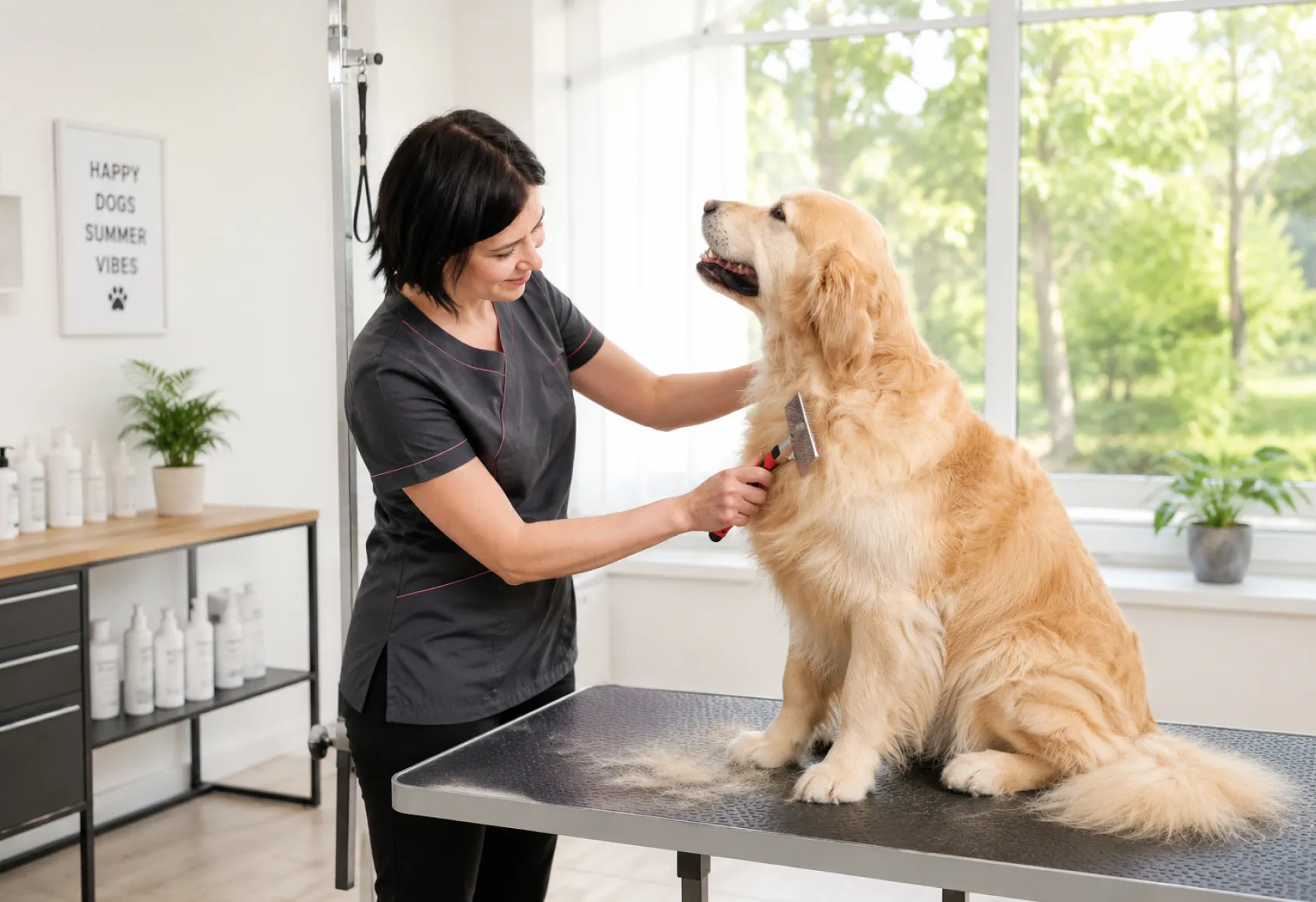
Pyrenean Mastiffs have a thick, double coat that requires regular grooming. They don’t need much maintenance though; you’ll need to keep their coat clean and tangle-free.


Compare with similar breeds
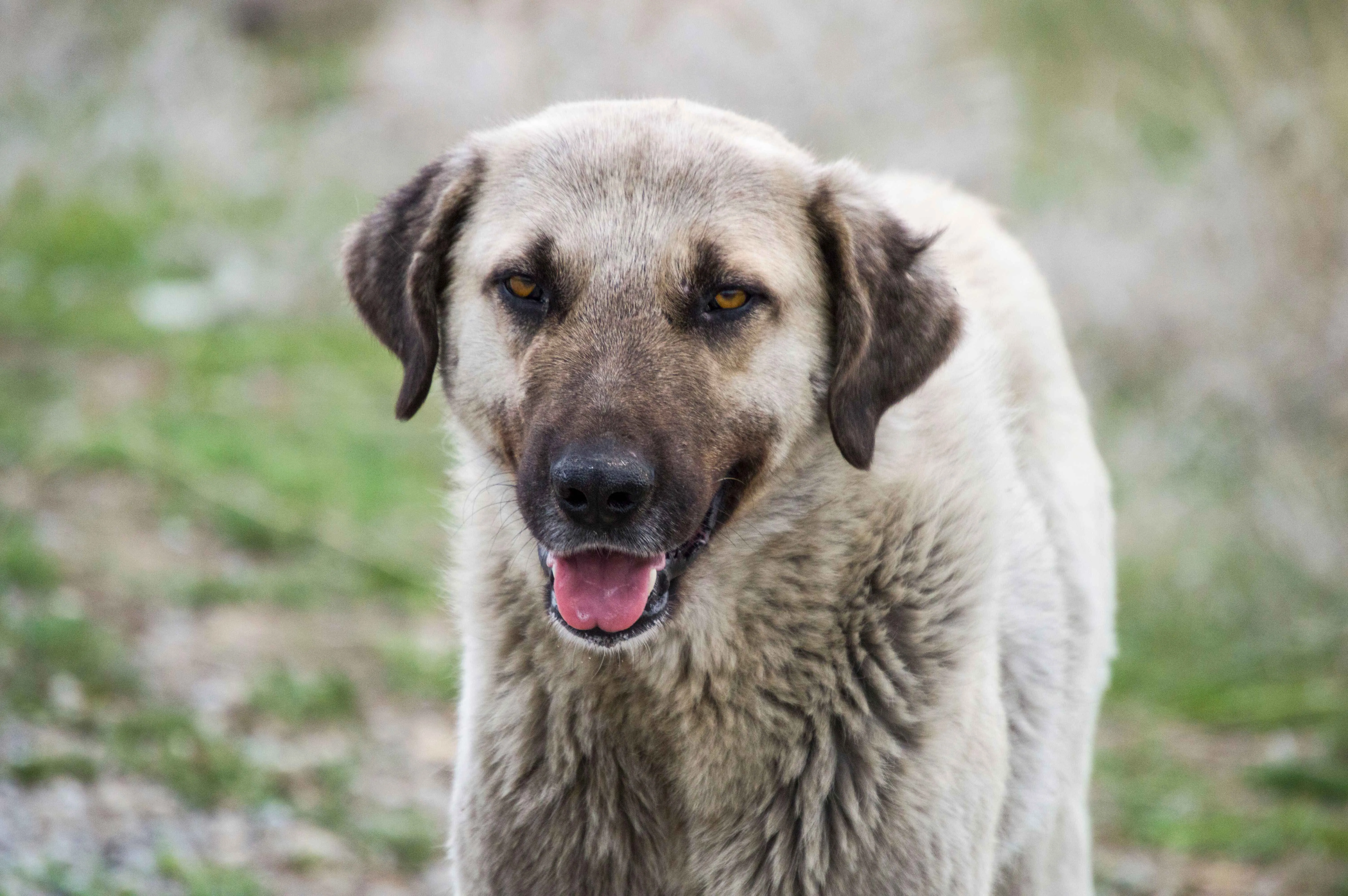
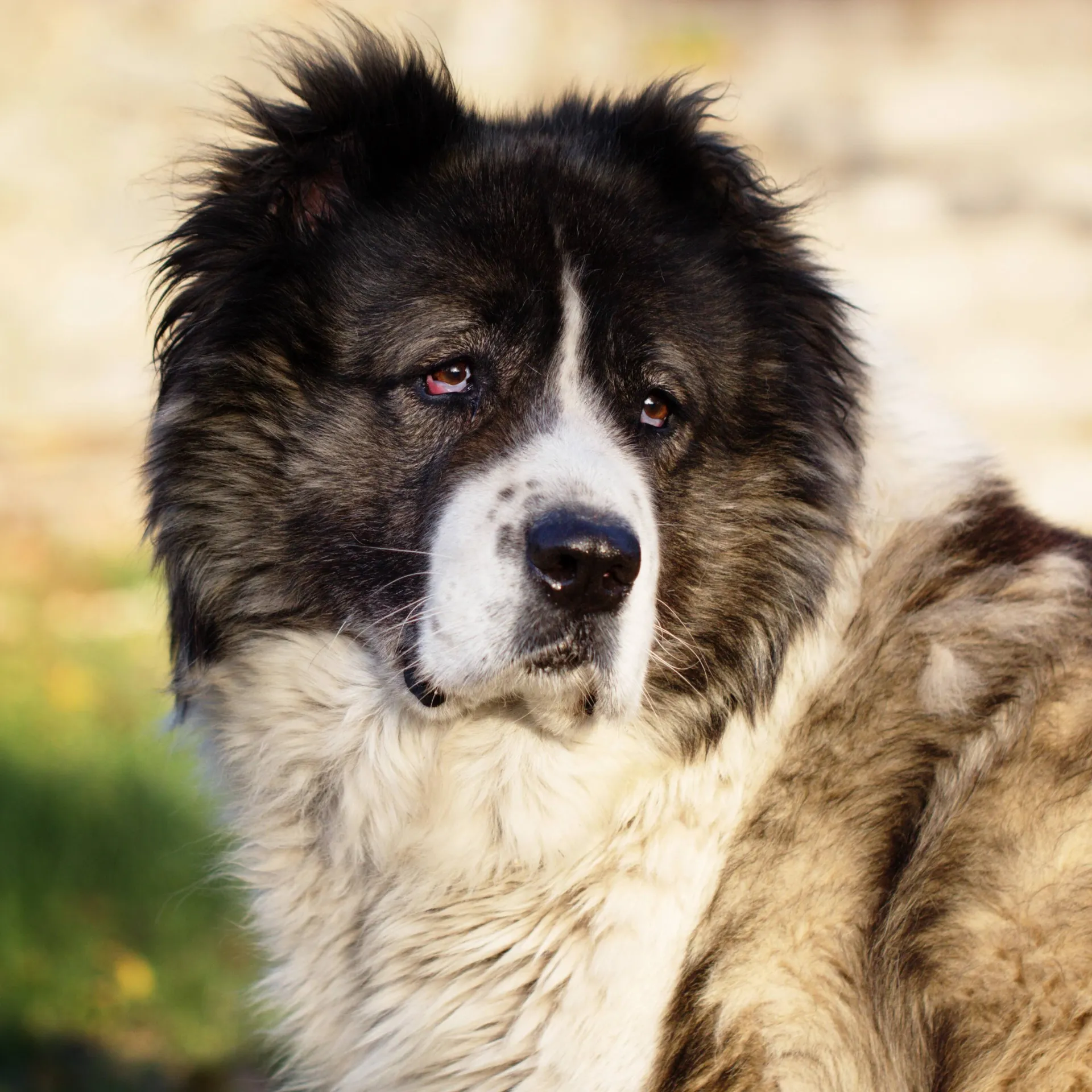
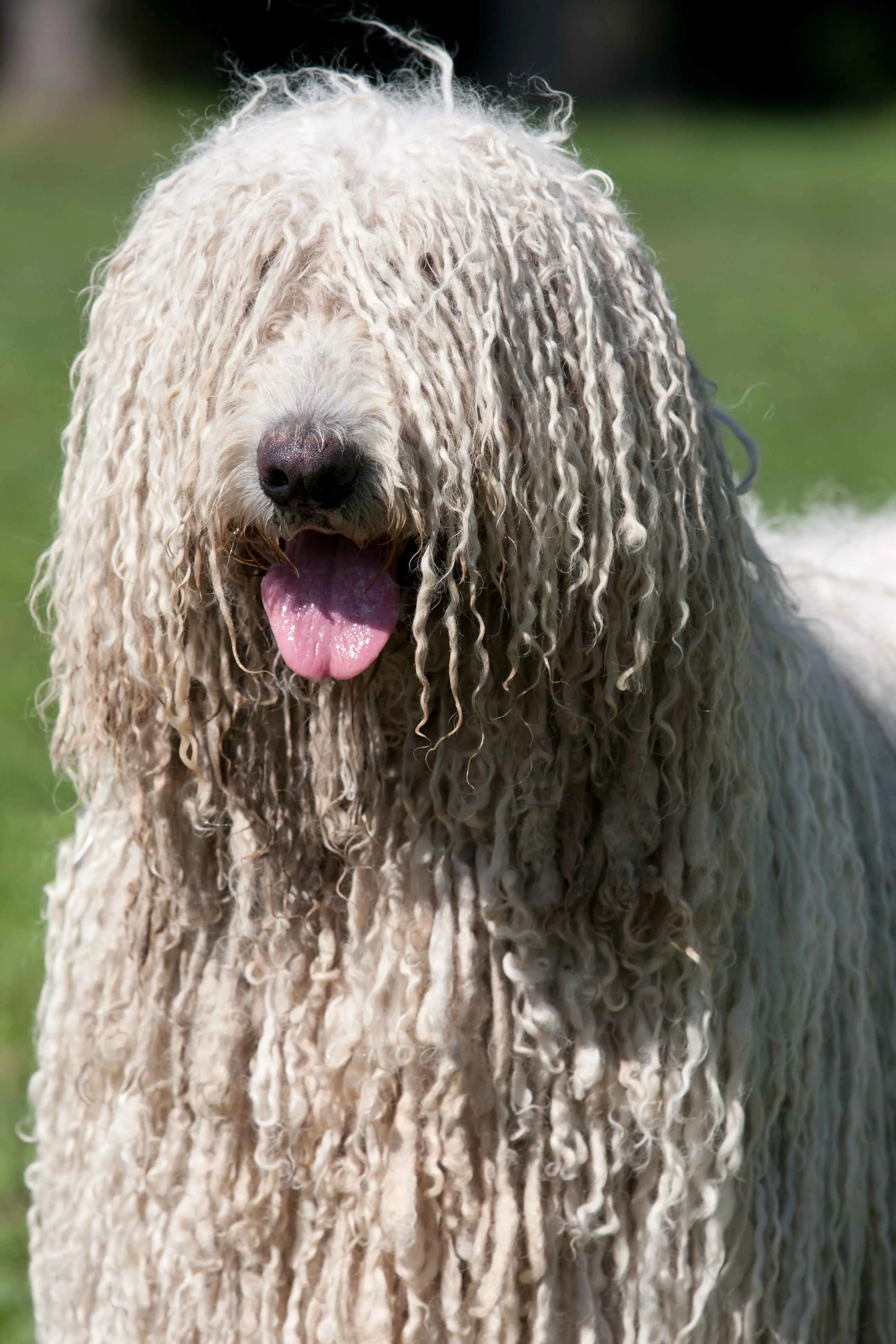
Frequently Asked Questions
Are Pyrenean Mastiffs Good Family Dogs?
Yes, Pyrenean Mastiffs are good family dogs because they are protective and affectionate. They are patient with children and require early socialization and training for their large size.
How Big Do Pyrenean Mastiffs Get?
Males are about 30-32 inches tall and weigh 185-220 pounds; females are slightly smaller. They grow slower than smaller breeds and take over two years to get to full size.
Do They Require Extensive Exercise?
Moderate activity is what they need, 30 to 45 minutes every day. Too much exercise as a pup could put too much stress on their growing joints.
Are They Difficult to Train?
They are intelligent, but they are independent and need firm but positive training. You will have to be patient and consistent with house training, as it does take longer.