Home
/
Dog Breeds
/
Komondor
Komondor
Origin
Hungary
Size
Giant Breed
Ideal Space
House with Farm Area
Ideal Weather
10º-25ºC
Life Expectancy
10-12 years
Cost of buying
₹ 50,000 - ₹ 2,00,000
Top 5 Traits
Fearless
Protective
Loyal
Intelligent
Disciplined
Avg Monthly Expenses
₹ 5,700 - ₹ 8,550


by Happy Pet TeamUpdated on 16 May 2025
Introduction to the Komondor Dog Breed
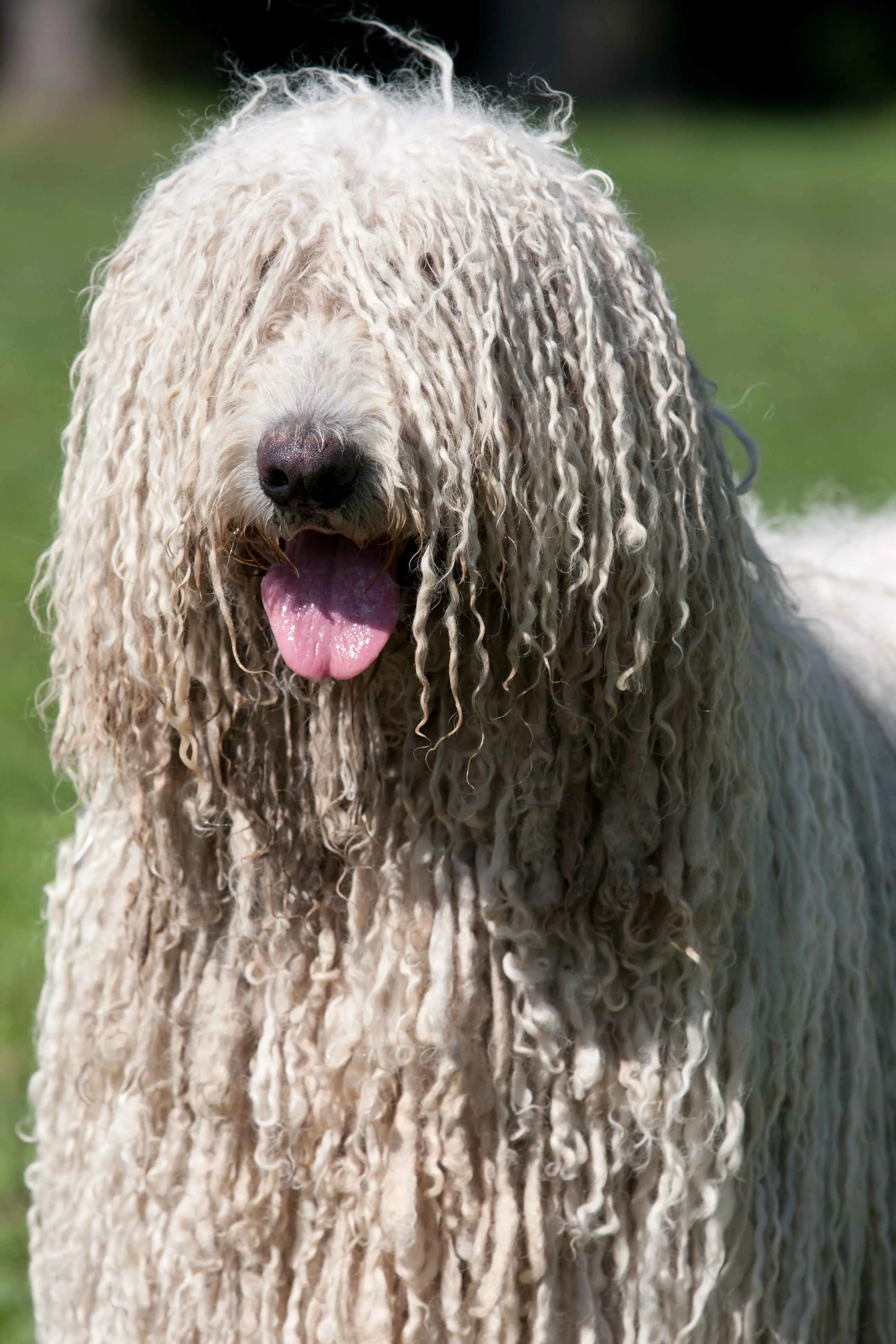
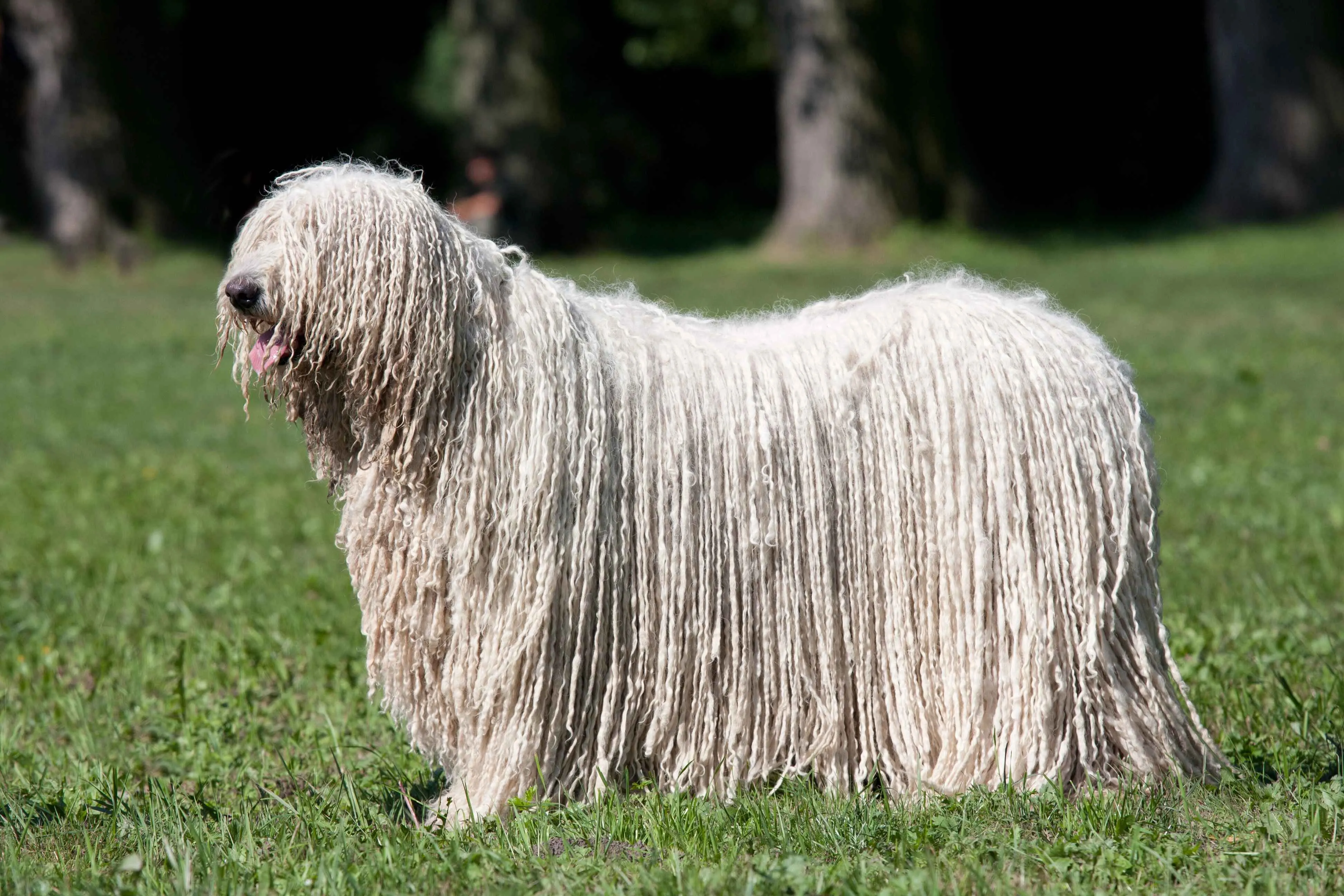
Have you ever witnessed a pooch looking similar to a living mop? That’s the Komondor!
Characteristics
Barking
Quiet
Loud
Temperament with Kids
Aggressive
Friendly
Playfulness
Silent
Very Playful
Friendliness
Not Friendly
Super Friendly
Compatibility with other dogs
Aggressive
Friendly
Need for attention
Independent
Very Needy
Monthly Expenses


Komondor Dog Price
Cost of buying
₹ 50,000 - ₹ 2,00,000
- In India, a Komondor might cost you around ₹ 50,000 - ₹ 2,00,000.
- Responsible breeders who perform health screenings don't demand less; they usually charge higher prices.
- Those seeking a Komondor may also adopt from rescue organizations.
Prerequisites to pet a Komondor
Access to Veterinary
Appropriate Climate
Lifestyle Compatibility
Financial Capability
Space and Environment
Time and Effort
Shop or Adopt a Komondor: Make a Better Choice!
Responsible shopping means supporting ethical breeding and adopting a Komondor gives a deserving dog a second chance. Before getting this high-maintenance breed, think about your lifestyle and commitment.
Komondor Nutritional Care
Monthly Food Expenses
₹ 3,000 - ₹ 4,500
Calories per day
Puppies: 2300 kcal
Adults: 2800 kcal
Essential Nutrients
Protein
Fats
Carbohydrates
Fibre
Vitamins
Minerals
List of foods
Chicken
Fresh Meat
Fresh Fish
Dry Dog Food
Fruits
Home made meals
Vegetables
Mutton
- Komondors need a balanced diet to maintain their large size and thick coat.
- Provide strength and coat health by including protein, healthy fats, carbs, vitamins and minerals.
- Prevent deficiencies, weight related issues by avoiding low quality food.
- Feed according to age and activity level.
- Lean meats and vegetables mixed with some dry food provide balanced nutrition.
Breakdown of Macro-nutrients
Best Foods for Komondor
- Lean meats – Chicken, turkey, and lamb for muscle strength.
- Fish – Salmon and sardines for omega-3 fatty acids and coat health.
- Whole grains – Brown rice and oats for energy.
- Vegetables – Carrots, spinach, and green beans for vitamins and fiber.
- Fruits – Blueberries and apples for antioxidants and digestive health.
- Eggs – Rich in protein and essential nutrients.
What Are The Harmful Foods for Komondors
Avoid anything with these ingredients
Alcohol
Almonds
Avocados
Cinnamon
Garlic
Grapes
Lemon
Mushrooms
Onions
- Table Scraps – It can contribute to obesity and poor digestion.
- Animal Bones – May cause intestinal blockage and pose a choking hazard.
- High-Fat Foods – This can cause stomach upset and long-term health problems.
- Excessively High-Protein Diets – Some owners do report skin reactions from too much protein.


Komondor Healthcare Tips: Keeping Your Dog Healthy
Avg Monthly Expenses
₹ 1,500 - ₹ 2,250
Common Health Issues
Hip Dysplasia
Bloat
Canine distemper
Canine Influenza
Lyme disease
Parasites
Parvovirus
Well being
Exercise
Agility Training
Bonding
Games
Socialization
Energy Level
Medium
Exercise routine
45 - 90 minutes
Recognising Stress
Changes in appetite
Excessive Barking
Pacing
Reluctance to move
Excessive Panting
Increased laziness
Common Health Issues in Komondors
The Komondor is a strong, resilient dog, but like all breeds, can suffer from specific ailments. Their well-being depends on a proper diet, regular vet check-ups, and preventive care.
Vaccination details
Growth Stage
Core Vaccines
6-8 Weeks
Canine Distemper, Parvovirus
10-12 Weeks
DHPP (Distemper, Hepatitis, Parvovirus, Parainfluenza)
14-16 Weeks
DHPP, Rabies
12-16 Months
DHPP, Rabies
Every 1-3 Years
DHPP, Rabies (as per vet's advice)
Caring for a Senior Komondor
- Regular vet checkups to monitor heart and joint health.
- Serve a senior-friendly diet with supplements for mobility support.
- Keep your coat to a manageable length for easy grooming.
- Offer gentle exercise that prevents stiffness but does not overexert.
- Maintain a stress-free environment and a comfortable bed.
- Look for behavioral changes which may be a sign of health problems.
- Prevention of dehydration and proper nourishment for better general well-being.
- In their golden years, give them all the love and attention they deserve.
Komondor Grooming Tips: Managing the Unique Coat
Avg Monthly Expenses
₹ 1,200 - ₹ 1,800
Shedding Level
Low Shedding
Hygienic Checklist
Bathing
Brushing
Ear Cleaning
Nail Trimming
Teeth Care
Eye Care
Benefits of Grooming
Cleanliness
Low Shedding
Odourless
Prevents Bad Breath
Quality of life
Prevents infections
What really makes the Komondor stand out is its corded coat, which requires dedicated care. Their grooming routine is vastly different from that of other breeds.


Written by
Happy Pet TeamAuthor
Team Happy Pet is a passionate collective of pet experts, enthusiasts, and advocates dedicated to sharing trusted and insightful content.
Our cont
Compare with similar breeds
Frequently Asked Questions
Do Komondors shed?
Yes, Komondors shed, but not like other breeds. This makes them a better choice for people with mild allergies, as they could lose entire 'cords' of hair instead of small amounts of fur. However, they're not considered hypoallergenic.
Are Komondors good with children?
Komondors can be very affectionate with their families, but they may not be too friendly with kids or other dogs unless they have been socialized at a young age. Given their size and strength, supervision is recommended when they are around young kids.
How much exercise do Komondors need?
Komondors are generally low-energy but still require daily exercise to stay healthy and prevent boredom. They should be walked daily and have access to a secure yard for play to prevent boredom and keep them fit.
Can Komondors live in apartments?
Komondors are large and energetic dogs that are not suitable for apartment living. But they do well in large yards where they can roam freely and have space to guard.
What are common health issues in Komondors?
Hip dysplasia, bloat (gastric dilatation volvulus) and some eye problems, such as entropion or cataracts are common health problems. Keeping them healthy is important, and that means regular veterinary checkups and vaccinations.