Home
/
Dog Breeds
/
Indian Pariah Dog
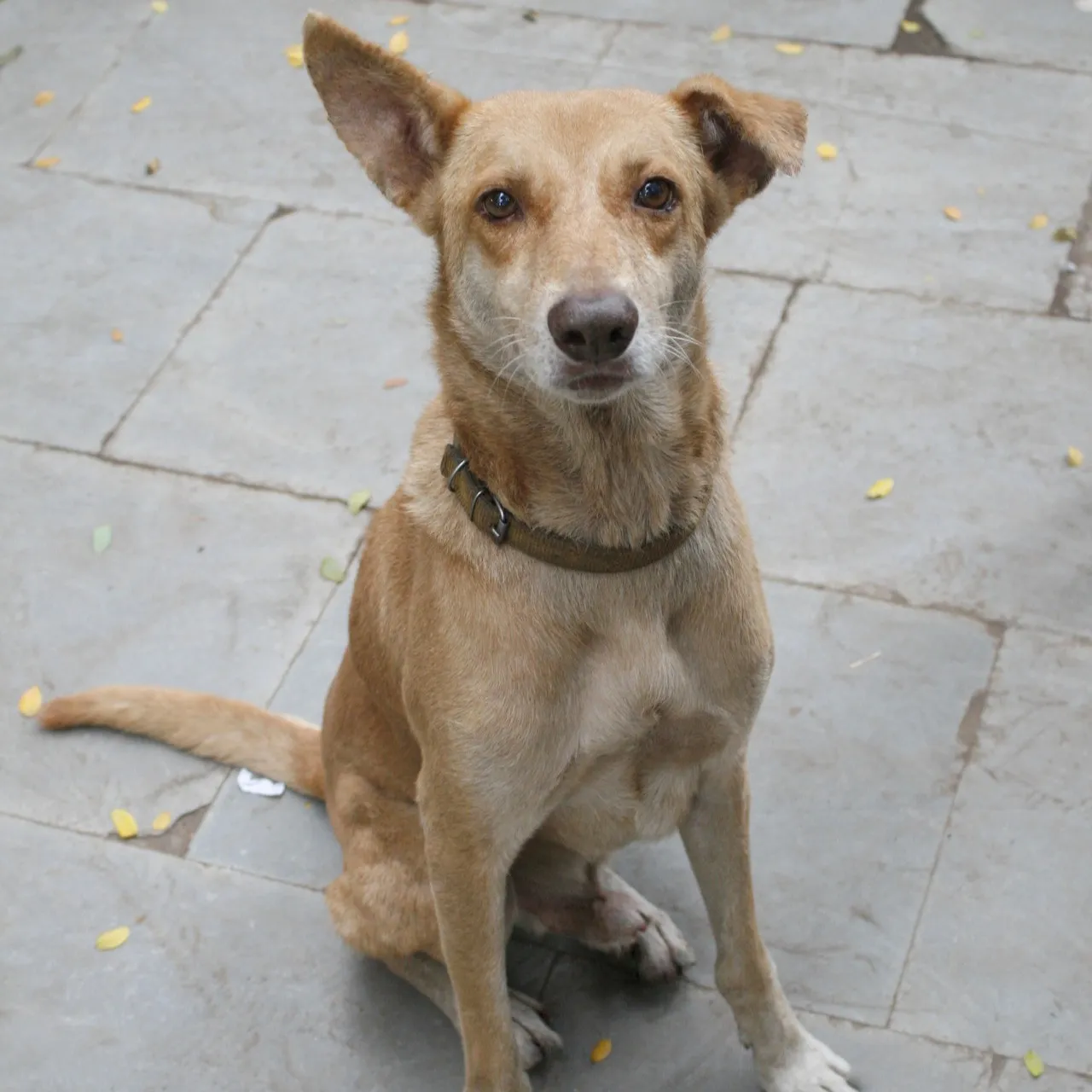
Indian Pariah Dog (Indie)
Origin
India
Size
Medium Breed
Ideal Space
House with backyard
Ideal Weather
20º-30ºC
Life Expectancy
13-15 years
Cost of buying
₹ 1,000 - ₹ 5,000
Top 5 Traits
Disciplined
Athletic
Energetic
Intelligent
Fearless
Avg Monthly Expenses
₹ 3,550 - ₹ 5,400

by Happy Pet TeamUpdated on 5 May 2026
Introduction to Indian Pariah Dog
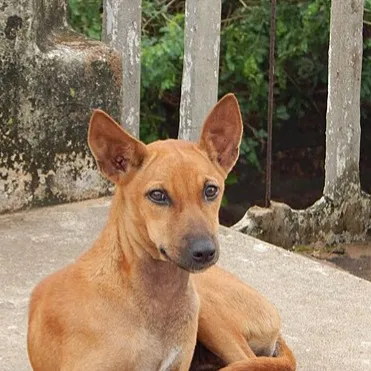
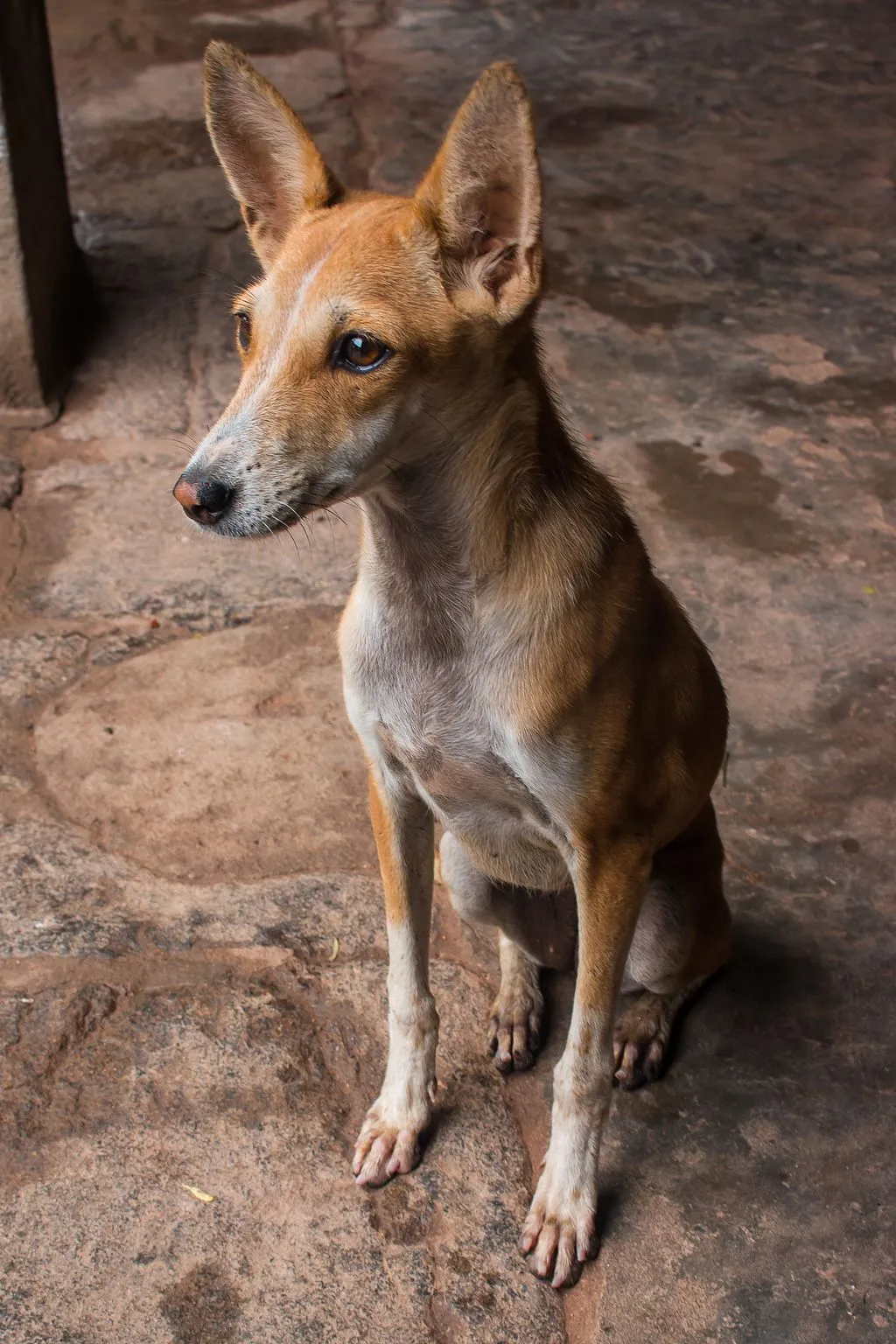
Indian Pariah Dogs have been around humans for centuries. These dogs roam freely and often survive on food waste.
Characteristics
Barking
Quiet
Loud
Temperament with Kids
Aggressive
Friendly
Playfulness
Silent
Very Playful
Friendliness
Not Friendly
Super Friendly
Compatibility with other dogs
Aggressive
Friendly
Need for attention
Independent
Very Needy
Monthly Expenses


The Indian Pariah Price & Lifespan
Cost of buying
₹ 1,000 - ₹ 5,000
The best part about getting an Indie? You don’t need to spend a single penny as you can always adopt. Shelters and NGOs have plenty of Indies waiting for a loving home.
Prerequisites to pet a Indian Pariah Dog
Access to Groomer
Access to Veterinary
Willingness to train
Time and Effort
Space and Environment
Lifestyle Compatibility
Shop or Adopt an Indian Pariah Dog: The Choice is Yours!
An Indian Pariah Dog makes a loyal, intelligent and low-maintenance companion to adopt. They are hardy native dogs that have adapted well to local conditions. When you adopt you give a deserving dog a loving home, saving this breed's legacy.
Nutritional Care for Indian Pariah Dog
Monthly Food Expenses
₹ 2,250 - ₹ 3,000
Calories per day
Puppies: 1200 kcal
Adults: 1000 kcal
Essential Nutrients
Carbohydrates
Fats
Protein
Vitamins
Minerals
List of foods
Chicken
Dry Dog Food
Vegetables
Fresh Meat
Fresh Fish
Fruits
- An Indian Pariah Dog needs a balanced diet to keep up with its healthy and ebullient nature.
- Eat protein, healthy fats, carbs, vitamins, and minerals for strength and energy.
- Prevent deficiencies and digestive issues by avoiding low quality food.
- Adjust feeding according to age and activity level.
- Serve dry food combined with lean meats and vegetables for balanced nutrition.
Breakdown of Macro-nutrients
Best Foods for Indian Pariah Dog
- Protein: Feed lean proteins like chicken, fish, and eggs to keep them strong.
- Healthy Fats: Healthy fats from fish oil, ghee, or coconut oil support skin hydration and fur health.
- Carbohydrates: Whole grains like rice and oats keep them fueled for the day.
- Vitamins & Minerals: Add veggies like carrots, spinach, and pumpkin for essential vitamins.
- Water: Always keep their bowl filled with fresh, clean water.
Foods to Avoid for the Indian Pariah Dog
Avoid anything with these ingredients
Alcohol
Avocados
Garlic
Coffee / Tea
Grapes
Onions
- Keep chocolate, onions, garlic, grapes, and junk food far away from your pup.
- Too much salt and spice can upset their stomachs.


Healthcare Tips for an Indian Pariah Dog
Avg Monthly Expenses
₹ 600 - ₹ 1,200
Common Health Issues
Canine distemper
Parasites
Leptospirosis
Parvovirus
Ringworm
Well being
Exercise
Agility Training
Bonding
Games
Socialization
Hiking
Energy Level
High
Exercise routine
45 - 90 minutes
Recognising Stress
Changes in appetite
Excessive Barking
Pacing
Excessive Panting
Reluctance to move
Increased laziness
Decreased play
Common Health Issues Faced by Indie Dogs
Indian Pariah Dogs are one of the healthiest breeds, but they still need proper vet care.
Vaccination details
Growth Stage
Core Vaccines
6 - 8 weeks
DHPP(Distemper, Parvovirus, Adenovirus, Parainfluenza) and Canine Parainfluenza Virus (CPiV)
10 - 12 weeks
DHPP Booster, Leptospirosis, and Bordetella (Kennel Cough) Vaccine
14 - 16 weeks
DHPP and Leptospirosis Boosters
16 - 18 weeks
Rabies Vaccine
Caring for a Senior Indian Pariah Dog
- Have regular vet visits every six months to monitor mobility, dental health, and chronic conditions.
- Glucosamine and chondroitin joint supplements help with aging joints.
- Easily digestible diet with a balanced nutrient profile.
- Shorter, more frequent walking for gentle exercise, to maintain or increase mobility.
- Comfortable sleeping area with soft bedding for joint relief.
- Look for pain signs, such as reluctance to move, changes in appetite or irritability.
- Better well-being in a stress-free environment with consistent routines.
Indian Pariah Dog Grooming Guide
Avg Monthly Expenses
₹ 700 - ₹ 1,200
Shedding Level
Moderate Shedding
Hygienic Checklist
Bathing
Brushing
Ear Cleaning
Nail Trimming
Teeth Care
Eye Care
Benefits of Grooming
Cleanliness
Low Shedding
Prevents Bad Breath
Odourless
Prevents infections
Quality of life
With their short fur, Indies require minimal grooming compared to high-maintenance, long-haired breeds.


Written by
Happy Pet TeamAuthor
Team Happy Pet is a passionate collective of pet experts, enthusiasts, and advocates dedicated to sharing trusted and insightful content.
Our cont
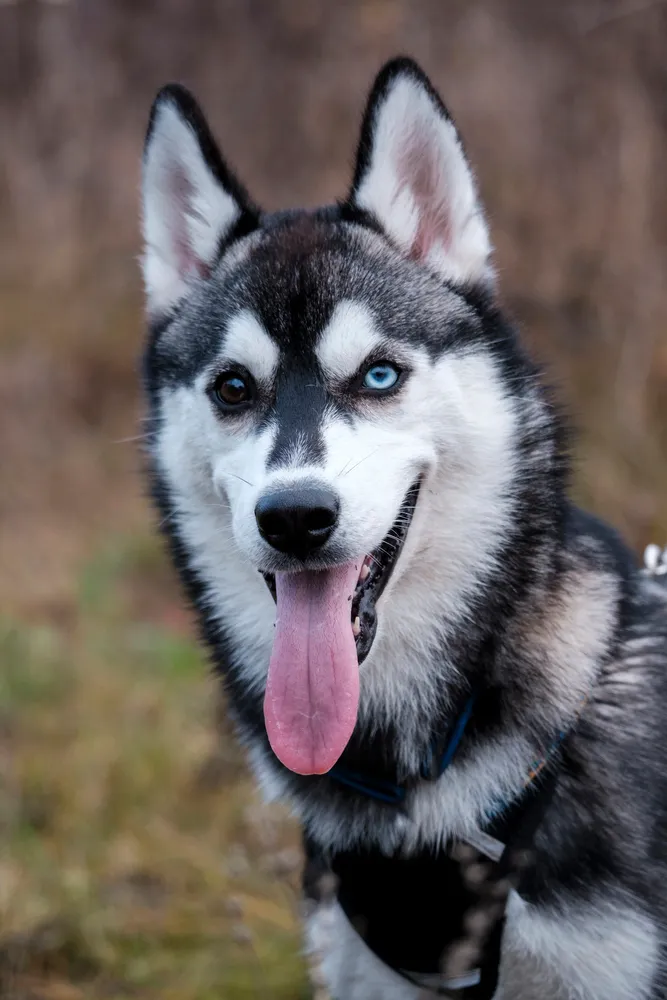
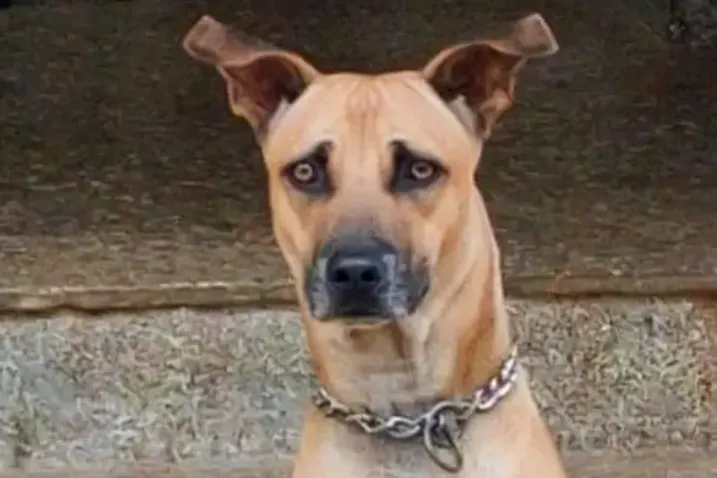
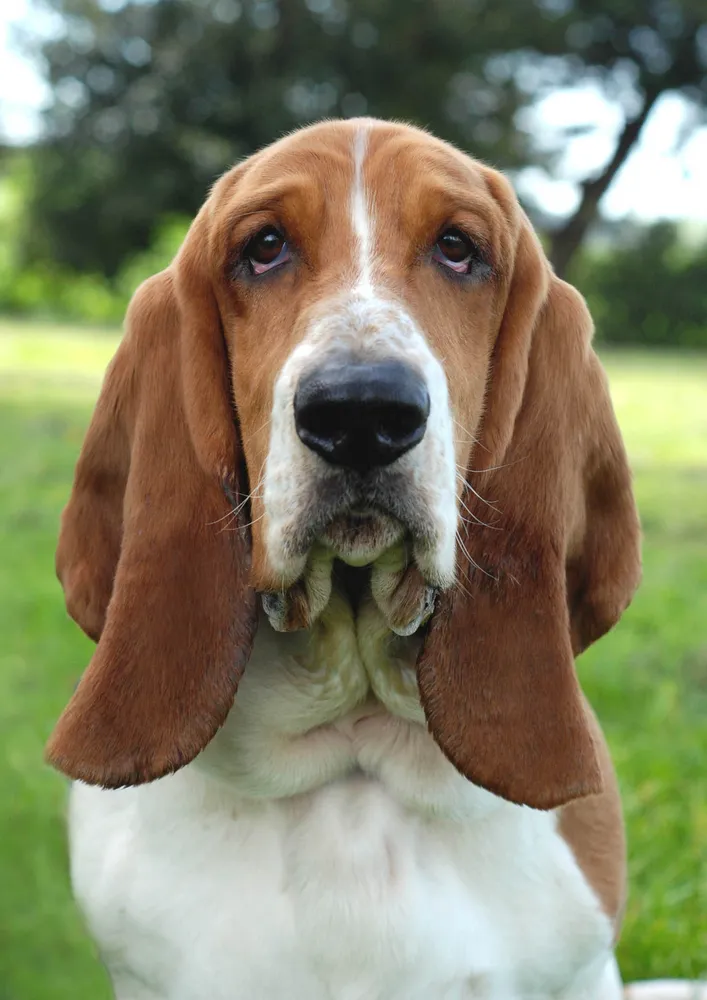
Compare with similar breeds
Frequently Asked Questions
Are Indian Pariah Dogs good for first-time owners?
Yes! Intelligent, adaptable and low maintenance, they are a great choice for first-time pet parents. But like all dogs, they require proper training, socialization, and proper care.
Is it difficult to train an Indian Pariah Dog?
They are quick learners so training them is relatively easy. However, they are entirely independent, and they respond well to positive reinforcement and consistent training. By socializing them early, they grow into well-behaved companions.
Are Indian Pariah Dogs dangerous?
Not at all! They are generally friendly, loyal, and non-aggressive dogs. If properly socialized and trained, they make good family pets. If exposed to different people, animals, and environments from an early age, they won’t become timid or overly cautious.
Are Indian Pariah Dogs good with kids?
Yes! They are naturally protective, loyal, and gentle towards children. They bond with their families and have strong affection for children, but only once properly trained and socialized. But their protective instincts make them great watchdogs for young families.
How much exercise do Indian Pariah Dogs need?
They are energetic dogs who need 2 hours of exercise daily to remain fit and prevent destructive behaviour. They love running, playing, fetching, and other physical activities. They stay happy, healthy, and mentally stimulated with regular exercise.