Home
/
Dog Breeds
/
Greater Swiss Mountain Dog
Origin
Switzerland
Size
Giant Breed
Ideal Space
House with backyard
Ideal Weather
15º-25ºC
Life Expectancy
8-11 years
Cost of buying
₹ 4,00,000 - ₹ 7,00,000
Top 5 Traits
Athletic
Protective
Playful
Loyal
Intelligent
Avg Monthly Expenses
₹ 4,900 - ₹ 7,650

by Happy Pet TeamUpdated on 1 Sept 2025
Meet the Greater Swiss Mountain Dog: A Gentle Giant with a Big Heart
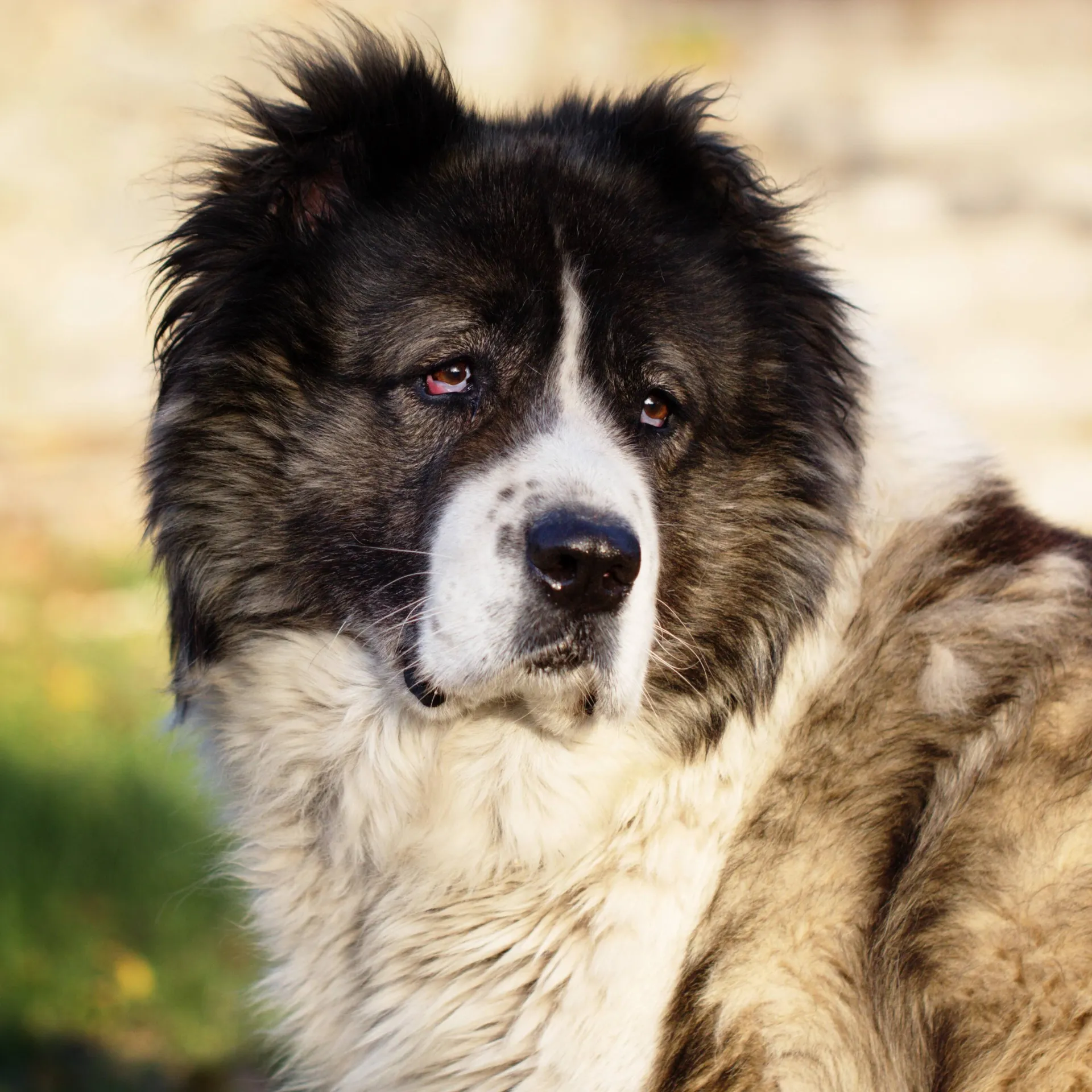
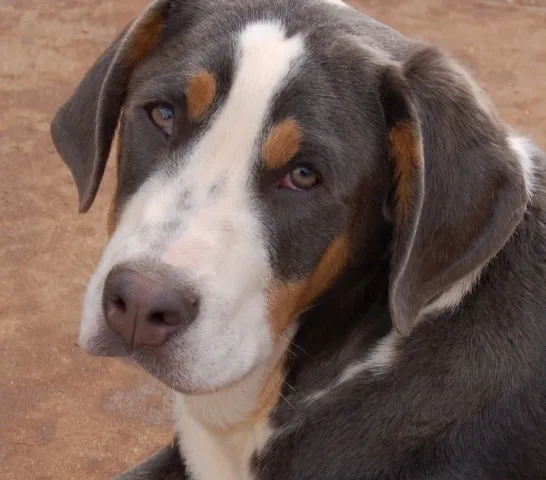
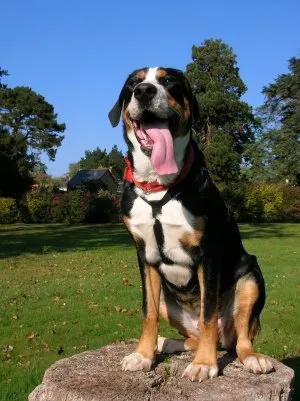
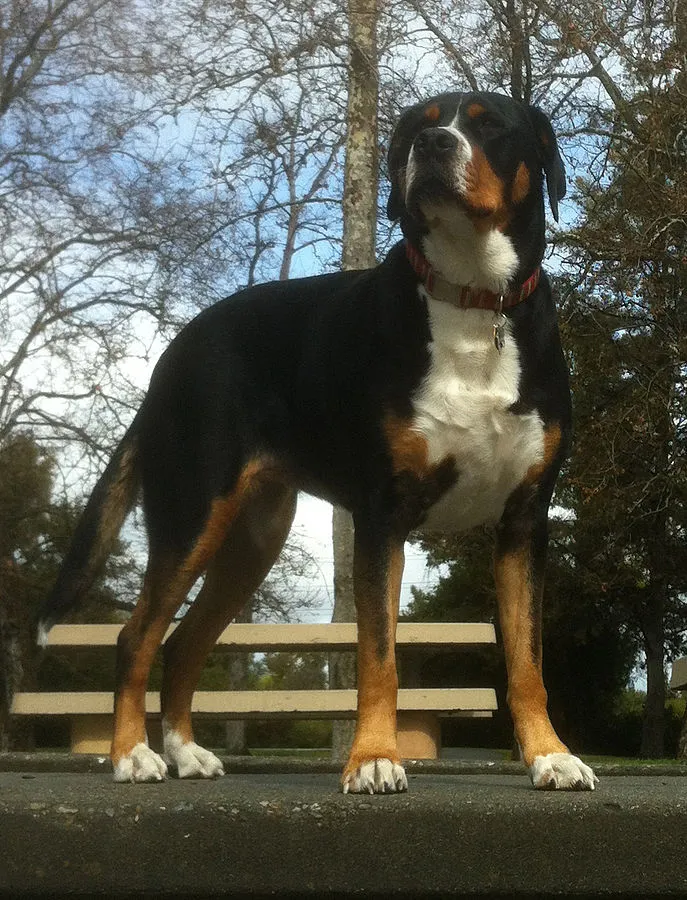
The Greater Swiss Mountain Dog (GSMD), often called the “Swissy,” is a striking large breed known for its tricolor coat—black, white, and rust—and impressive size. Originating in Switzerland as a farm and draft dog, the GSMD is powerful yet affectionate, bred to pull carts, guard homes, and be loyal companions, according to the American Kennel Club.
In India, they are still rare but slowly catching the attention of pet parents who love big, protective, and family-oriented dogs. With their calm temperament and devotion to their people, they make wonderful watchdogs and family companions—provided their special needs, especially exercise and climate management, are met.
How Long Do Greater Swiss Mountain Dogs Live?
For such a large breed, Swissies enjoy a decent lifespan of 8–11 years, sometimes longer with careful management, states DogTime. In India, their longevity depends heavily on managing the country’s hot summers—air-conditioning, shaded areas, and avoiding midday walks are crucial to prevent heat stress.
Temperament & Personality
Despite their imposing size, GSMDs are famously gentle, loyal, and people-loving. The AKC describes them as dependable, alert, and good-natured. They’re confident watchdogs without being unnecessarily aggressive, which makes them excellent family protectors.
Swissies bond deeply with their people and thrive on companionship. Left alone for long hours, they may become anxious or destructive. They’re great with children when raised together, but because of their size, supervision is important around toddlers. Early socialization with neighbors, visitors, and other pets helps ensure a balanced adult dog.
Training is generally smooth—they’re intelligent but sometimes stubborn. Positive reinforcement with food rewards and praise works far better than harsh methods.
Apartment vs. Farmhouse Life in India
A big question Indian families often ask: can a dog this large live in an apartment? The answer is yes—with effort.
- Apartments (Delhi, Mumbai, Bengaluru):
- Swissies can adapt, but only if they get 60–90 minutes of structured daily exercise. Think early-morning walks, hallway fetch, or tug games indoors. Because they’re not excessive barkers, they’re less likely to annoy neighbors. Anti-slip mats are a smart idea on marble/tiled floors to protect their joints.
- Farmhouses/Suburban Homes:
- This is where GSMDs shine. They love open yards, exploring, and guarding territory. Since they were historically used as draft dogs, they enjoy pulling carts or carrying light packs on hikes. Secure fencing is essential—Swissies are curious wanderers.
Climate Considerations in India:
With their thick double coat, GSMDs are much better suited to cooler regions like Ooty or Shimla. In hot metros like Chennai or Delhi, walks should be limited to dawn and dusk, with access to fans, AC, or cooling mats indoors. A splash in a tub or sprinkler is a safe way to help them cool down during Indian summers.
Characteristics
Barking
Quiet
Loud
Temperament with Kids
Aggressive
Friendly
Playfulness
Silent
Very Playful
Friendliness
Not Friendly
Super Friendly
Compatibility with other dogs
Aggressive
Friendly
Need for attention
Independent
Very Needy
Monthly Expenses


Lifespan & Price in India
Cost of buying
₹ 4,00,000 - ₹ 7,00,000
Greater Swiss Mountain Dogs typically live 8–11 years. With careful climate and health management, some live longer.
In India, they are extremely rare and usually available only via import from Europe or the U.S. Prices often range from ₹4–7 lakhs, depending on pedigree, health clearances, and import charges.
Exercise Needs
Despite their size, GSMDs are moderately active. They need 60–90 minutes of daily activity, combining walks, fetch, or light hikes. They love tasks like cart-pulling or carrying packs on treks—great for families who enjoy outdoor activities.
In Indian summers, split exercise into early mornings and evenings. For apartments, supplement with indoor puzzle feeders, obedience drills, or tug games to burn mental energy.
Prerequisites to pet a Greater Swiss Mountain Dog
Access to Veterinary
Appropriate Climate
Space and Environment
Financial Capability
Willingness to train
Shop or Adopt a GSMD in India
Adopting a Greater Swiss Mountain Dog in India is very rare, though sometimes breed-specific rescues or international adoption groups list them.
If buying:
- Always ask for hip, elbow, and eye clearances.
- Ensure puppies are home-raised, not kennel-kept.
Nutrition Care for Greater Swiss Mountain Dogs in India
Monthly Food Expenses
₹ 3,000 - ₹ 4,500
Calories per day
Puppies: 2500 kcal
Adults: 2000 kcal
Essential Nutrients
Protein
Fats
Carbohydrates
Fibre
Vitamins
Minerals
List of foods
Chicken
Dry Dog Food
Fresh Meat
Fresh Fish
Fruits
Vegetables
The Greater Swiss Mountain Dog (GSMD) may look like a rugged working giant, but behind that tricolor coat is a breed that needs carefully balanced nutrition to stay strong, agile, and healthy. Originally bred in Switzerland as draft and guard dogs, Swissies thrive on diets that protect their joints, support lean muscle, and help them cope with India’s warmer climate. The American Kennel Club (AKC) emphasizes that large, active breeds like the GSMD need complete and balanced meals tailored to their size and activity level.
Protein: Power for Muscles & Strength
Swissies carry a lot of weight on their frame, which makes protein a must. It fuels muscle development, tissue repair, and stamina. PetMD recommends at least 25–30% protein for large working breeds.
Indian-friendly protein picks:
- Boiled chicken or goat (lightly cooked, never spiced)
- Eggs (boiled or scrambled without oil)
- Fish like sardines, mackerel, or rohu—great for muscle fuel and omega-3s
In India’s hot summers, stick to lighter proteins like chicken or fish, which are easier to digest than red meat.
Healthy Fats: Coat, Brain & Energy
The GSMD’s short double coat and high activity levels benefit from omega fatty acids. Hill’s Pet Nutrition explains that fats not only support shiny coats but also help with brain function and joint health.
Good fat options in Indian homes:
- Fatty fish such as sardines or mackerel
- 1 teaspoon of coconut oil, 2–3 times a week
- Vet-approved fish oil capsules (especially for seniors with joint issues)
These also prevent flaky skin in drier Indian regions like Delhi and Jaipur.
Carbohydrates: Slow, Steady Energy
Swissies are energetic but not hyper—they do best with slow-release carbs that sustain energy without fueling obesity. The Spruce Pets highlights that steady energy is important for large breeds to avoid weight spikes.
Smart carb picks for India:
- Sweet potatoes or pumpkin
- Oats or brown rice
- Millets like ragi or bajra
- Light veggies like bottle gourd or beans
Skip empty fillers like biscuits, white bread, or fried snacks—they pile on calories without nutrition.
Vitamins & Minerals: Building Blocks for Giants
Like most large breeds, GSMDs need strong bones and immunity. Dogster emphasizes calcium, phosphorus, and vitamins A, D, and E as essentials.
Indian-friendly boosters:
- Boiled spinach, carrots, beans, and peas mixed into meals
- Vet-approved calcium for growing puppies
- Glucosamine and chondroitin supplements for adults and seniors to support joints
Feeding Guidelines for GSMDs
- Puppies (2–12 months): 3–4 small meals daily with large-breed puppy kibble. Add small amounts of boiled chicken or egg for taste. Avoid overloading calcium—excess can damage developing joints.
- Adults (1–7 years): Two meals daily. In hot Indian summers, feed a lighter breakfast (rice + veggies) and protein-rich dinners (chicken + sweet potato).
- Seniors (7+ years): Switch to smaller, softer meals with digestible proteins (fish, egg) and joint supplements. Reduce calories by ~15–20% to prevent obesity.
Like many deep-chested breeds, GSMDs are prone to bloat (gastric dilatation-volvulus, GDV). The AKC recommends smaller meals, slow-feeder bowls, and no vigorous activity right before or after eating.
Breakdown of Macro-nutrients
Best Foods for Greater Swiss Mountain Dogs in India
Premium Kibble: Royal Canin Giant Breed, Farmina N&D Ancestral Grain, Acana Large Breed, Orijen Large Breed, Hill’s Science Diet Large Breed.
Home-Cooked Meals: Chicken + pumpkin + spinach + rice; Sardines + sweet potato + beans; Egg + oats + carrots; Paneer (in moderation) + ragi porridge + peas.
Healthy Treats: Apple slices (seedless), carrot sticks, cucumber, unsweetened curd, or homemade chicken jerky (no spices).
Hydration Boosts: Bone broth, coconut water (occasionally), and multiple fresh water bowls to beat Indian summers.
Never feed these foods to Greater Swiss Mountain Dog
Avoid anything with these ingredients
Alcohol
Avocados
Cherries
Cinnamon
Coffee / Tea
Dairy
Garlic
Grapes
Lemon
Milk Products
Mushrooms
Onions
Salt
Sugar
Fruit seeds
Even though they’re sturdy, some foods are unsafe:

- Toxic: onions, garlic, grapes, raisins, chocolate, xylitol, caffeine
- Indian fried snacks: pakoras, samosas, kachoris, ghee-rich curries
- Unsafe meats: rawhide chews, brittle cooked bones, processed sausages
- Sugary foods: mithai, ice cream, or milkshakes—these cause obesity and tummy upset
A simple rule for Indian homes: if it’s spicy, oily, fried, or sugary, it doesn’t belong in your Swissy’s bowl.

Health
Avg Monthly Expenses
₹ 1,200 - ₹ 1,950
Common Health Issues
Canine distemper
Bloat
Canine Influenza
Hip Dysplasia
Heartworm
Leptospirosis
Panosteitis
Well being
Exercise
Bonding
Socialization
Hiking
Games
Agility Training
Energy Level
High
Exercise routine
60 - 90 minutes
Recognising Stress
Changes in appetite
Excessive Panting
Reluctance to move
Increased laziness
Decreased play
Pacing
Healthcare for Greater Swiss Mountain Dogs in India
The Greater Swiss Mountain Dog is a hardy working breed but, like most giant dogs, they face size-related health challenges. With proper preventive care and climate management, they typically live 8–11 years, sometimes longer.
Common Health Concerns
Hip & Elbow Dysplasia:
Joint issues are common in large breeds. PetMD explains that hip dysplasia can limit mobility if unchecked. In India, avoid excessive stair climbing or running on concrete. Grass play or indoor games on mats is safer.
Bloat (GDV):
A life-threatening condition where the stomach twists. Prevent with smaller meals, slow-feeder bowls, and rest breaks after eating, states AKC.
Eye Issues:
Cataracts and distichiasis (abnormal eyelash growth) are seen in Swissies, according to Wisdom Panel. Annual eye checks are essential, especially after age 5.
Obesity:
They love food but extra weight strains joints and the heart. No samosas, biryani scraps, or mithai! Stick to portion control and measured meals.
Heat Stress:
One of the biggest risks for Swissies in India. Their thick double coat makes them prone to overheating. Always provide shade, AC/fans indoors, and walk only during cool hours.
General Healthcare Tips for Indian Homes
Vet Visits: Annual checkups for adults, twice yearly for seniors. Ask breeders for hip, elbow, and eye clearances.
Weight Management: Avoid fatty or fried Indian foods. Stick to balanced meals.
Dental & Skin Care: Brush teeth weekly, and dry coat properly after baths to prevent fungal rashes in monsoon.
Parasite Control: Regular flea/tick prevention is essential in warm Indian climates.
Mental Enrichment: Puzzle feeders, obedience drills, or scent games keep these intelligent dogs engaged indoors.
Vaccination details
Growth Stage
Core Vaccines
6-8 Weeks
Distemper, Parvovirus
10-12 Weeks
Distemper, Parvovirus, Adenovirus
14-16 Weeks
Distemper, Parvovirus, Rabies
12-16 Months
Distemper, Parvovirus, Rabies
Anually
Distemper, Parvovirus, Rabies
Recommendations to care for senior Greater Swiss Mountain Dog
By 7, Swissies are considered seniors. To help them stay comfortable:
- Biannual vet visits with blood panels (liver, kidneys, thyroid, heart).
- Senior diets: lighter proteins like fish/chicken, reduced calories.
- Orthopedic bedding for hard tile/marble floors in Indian homes.
- Cooling mats/AC in hot metros like Chennai or Delhi.
- Vet-approved supplements (glucosamine, turmeric) for joint comfort.
Similar Breeds
Bernese Mountain Dog | Saint Bernard | Tibetan Mastiff
Grooming Needs of GSMDs in Indian Homes
Avg Monthly Expenses
₹ 700 - ₹ 1,200
Shedding Level
High Shedding
Hygienic Checklist
Bathing
Brushing
Ear Cleaning
Nail Trimming
Eye Care
Teeth Care
Benefits of Grooming
Cleanliness
Odourless
Low Shedding
Prevents infections
Quality of life
Prevents Bad Breath
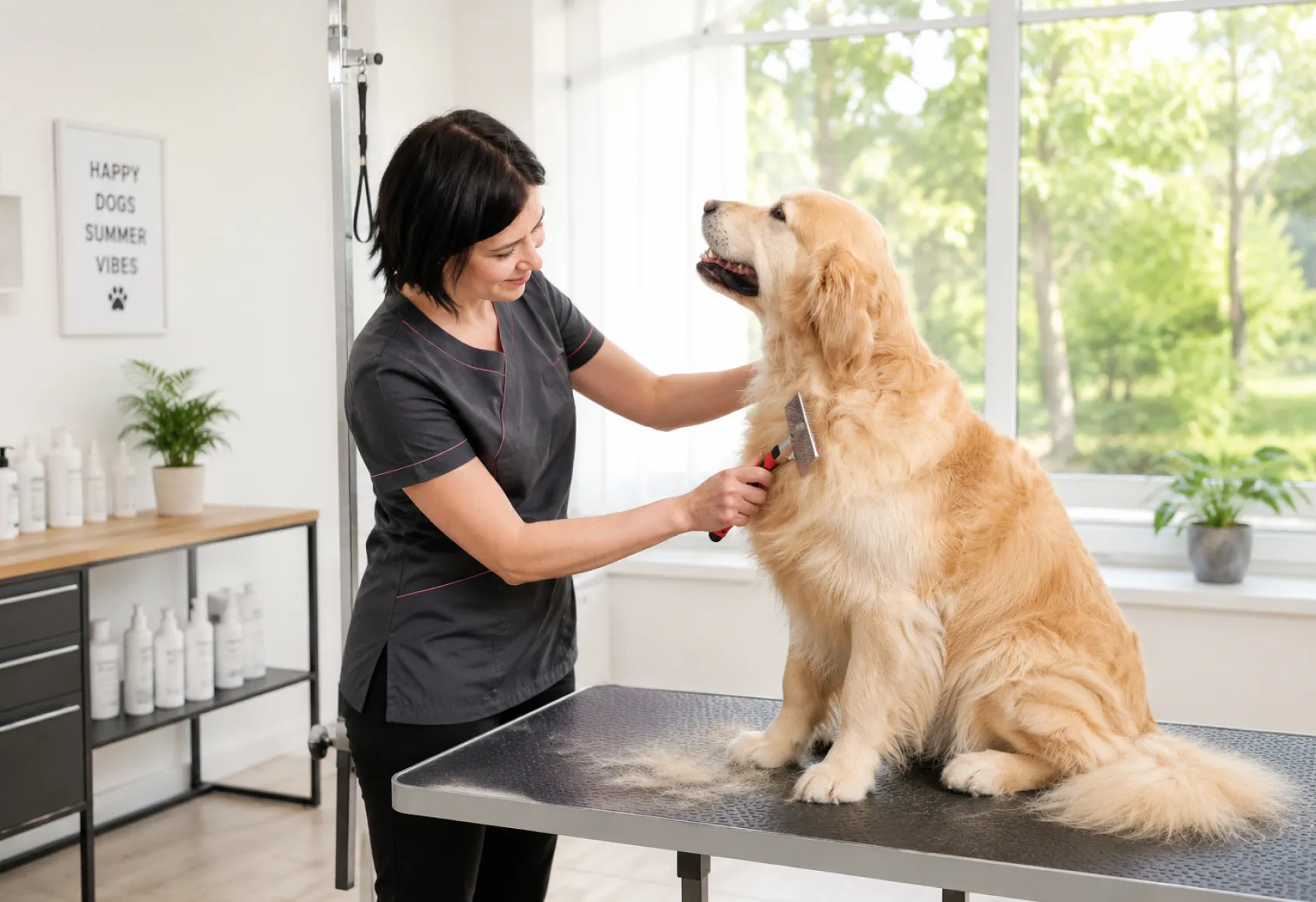
The GSMD’s short, dense double coat is easy to care for compared to long-haired giants. Brush once or twice a week to remove loose hairs. During seasonal shedding, daily brushing helps reduce fur indoors.

- Bathing: Only every 2–3 months or when dirty. Over-bathing strips natural oils.
- Ears & Nails: Weekly ear checks (important in humid cities) and nail trims every 3–4 weeks.
- Teeth: Brush regularly to prevent tartar and gum disease.


Written by
Happy Pet TeamAuthor
Team Happy Pet is a passionate collective of pet experts, enthusiasts, and advocates dedicated to sharing trusted and insightful content.
Our cont
Compare with similar breeds
Frequently Asked Questions
Are Greater Swiss Mountain Dogs easy to train?
Yes, Greater Swiss Mountain Dogs are intelligent and eager to please, which makes them relatively easy to train. They respond well to positive reinforcement training methods and enjoy learning new commands and tricks. Early socialization and obedience training are recommended to ensure they grow up to be well-mannered companions.
How big do Greater Swiss Mountain Dogs get?
Greater Swiss Mountain Dogs are a large and robust breed, with males typically standing between 25.5 to 28.5 inches tall at the shoulder and weighing between 105 to 140 pounds (48 - 64 Kgs). Females are slightly smaller, standing between 23.5 to 27 inches tall and weighing between 85 to 110 pounds (39 - 50 Kgs).
What type of living environment is best for Greater Swiss Mountain Dogs?
Greater Swiss Mountain Dogs are well-suited to both urban and rural environments, as long as they have access to ample space for exercise and play. They thrive in homes with fenced yards where they can roam freely, but they can also adapt well to apartment living with regular exercise and mental stimulation.
Can they live in Indian apartments?
Yes, if daily exercise and climate control are provided.
Can they handle India’s heat?
They tolerate hill stations well but need careful climate management in hot metros.