Home
/
Dog Breeds
/
German Pinscher
German Pinscher
Origin
Germany
Size
Medium Breed
Ideal Space
Independent House
Ideal Weather
15º-25ºC
Life Expectancy
12-14 years
Cost of buying
₹ 30,000 - ₹ 60,000
Top 5 Traits
Athletic
Energetic
Disciplined
Intelligent
Loyal
Avg Monthly Expenses
₹ 3,550 - ₹ 5,400


Introduction to the German Pinscher
According to the GP Club, The German Pinscher is a medium-sized working dog breed that originated in Germany in the 19th century. Originally bred as farm dogs, their main responsibility was to guard stables and control the vermin population.
Characteristics
Barking
Quiet
Loud
Temperament with Kids
Aggressive
Friendly
Playfulness
Silent
Very Playful
Friendliness
Not Friendly
Super Friendly
Compatibility with other dogs
Aggressive
Friendly
Need for attention
Independent
Very Needy
Monthly Expenses


German Pinscher Lifespan & Price
Cost of buying
₹ 30,000 - ₹ 60,000
How Long Do German Pinscher Live?
Prerequisites to pet a German Pinscher
Access to Veterinary
Lifestyle Compatibility
Space and Environment
Financial Capability
Time and Effort
Willingness to train
Shop or Adopt a German Pinscher: Make a Better Choice!
Shop or Adopt a German Pinscher: Make a Better Choice!
German Pinscher Nutrition & Diet Guide
Monthly Food Expenses
₹ 2,250 - ₹ 3,000
Calories per day
Puppies: 1000 kcal
Adults: 900 kcal
Essential Nutrients
Protein
Fats
Carbohydrates
Fats
Minerals
Vitamins
List of foods
Chicken
Dry Dog Food
Fresh Meat
Fresh Fish
Fruits
Home made meals
Mutton
- German Pinschers require a balanced diet to sustain their athletic build.
- It should provide high-quality protein, healthy fats, carbohydrates, vitamins and minerals.
- Prevent nutrient deficiencies by avoiding low-quality, processed food.
- Puppies, adults and seniors have different feeding needs depending on their age.
- Dry food mixed in with homemade meals (lean meats and vegetables) provide balanced nutrition.
Breakdown of Macro-nutrients
Best Food for a Healthy German Pinscher
- High-quality proteins: Chicken, beef, fish, and turkey help to build muscle and keep you energized.
- Healthy fats: Essential for coat health, brain function, and overall vitality.
- Carbohydrates: Brown rice, sweet potatoes, and vegetables provide the necessary fiber and sustained energy.
- Vitamins and minerals: Carrots, spinach, and blueberries are essential to a good immune system.
- Freshwater: They should always have access to clean and fresh water all day.
Foods to Avoid for German Pinschers
Avoid anything with these ingredients
Alcohol
Avocados
Cherries
Cinnamon
Coffee / Tea
Dairy
Fruit seeds
Garlic
Grapes
Lemon
Milk Products
Mushrooms
Onions
Salt
Sugar
- Avoid Chocolates- Chocolates are toxic Pinscher and can cause serious illness.
- Keep Raisins & Grapes Far - They might cause kidney stones.
- Onions & Garlic - These 2 are harmful to the blood cells of German Pinscher.
- Regulate Treats: Too many treats can cause weight and digestive issues.


Health
Avg Monthly Expenses
₹ 600 - ₹ 1,200
Common Health Issues
Bloat
Hip Dysplasia
Parasites
Panosteitis
Parvovirus
Heartworm
Canine distemper
Kennel Cough
Well being
Exercise
Bonding
Games
Socialization
Agility Training
Hiking
Energy Level
High
Exercise routine
60 - 90 minutes
Recognising Stress
Reluctance to move
Changes in appetite
Excessive Barking
Pacing
Excessive Panting
Decreased play
Healthcare Tips for German Pinschers
German Pinschers generally stay healthy, but like all other breeds, they are also prone to some health problems. To prevent the conditions before they worsen, it’s best to visit a vet.
Vaccination details
Growth Stage
Core Vaccines
6-8 Weeks
Distemper, Parvovirus, Hepatitis, Parainfluenza
10-12 Weeks
Leptospirosis
12-16 Weeks
Rabies, Lyme Disease
Annually
Rabies
How to Care for a Senior German Pinscher?
- Vet visits every six months are necessary to control aging-related health issues in senior German Pinschers.
- Older dogs can develop cataracts, which can cause vision loss.
- Being obese can make joint problems worse and raise the risk of heart disease.
- Keeping a healthy weight involves regularly exercising and eating a balanced diet.
- Routine veterinary dental checkups prevent heart-related problems.
- Fatty acids can also promote heart health and overall well-being.
- Owners should keep an eye out for reduced activity, stiffness, or other ageing signs and ramp up or slow down care accordingly.
Grooming Tips for German Pinschers
Avg Monthly Expenses
₹ 700 - ₹ 1,200
Shedding Level
Moderate Shedding
Hygienic Checklist
Bathing
Brushing
Ear Cleaning
Nail Trimming
Teeth Care
Eye Care
Benefits of Grooming
Cleanliness
Low Shedding
Odourless
Prevents Bad Breath
Prevents infections
Quality of life
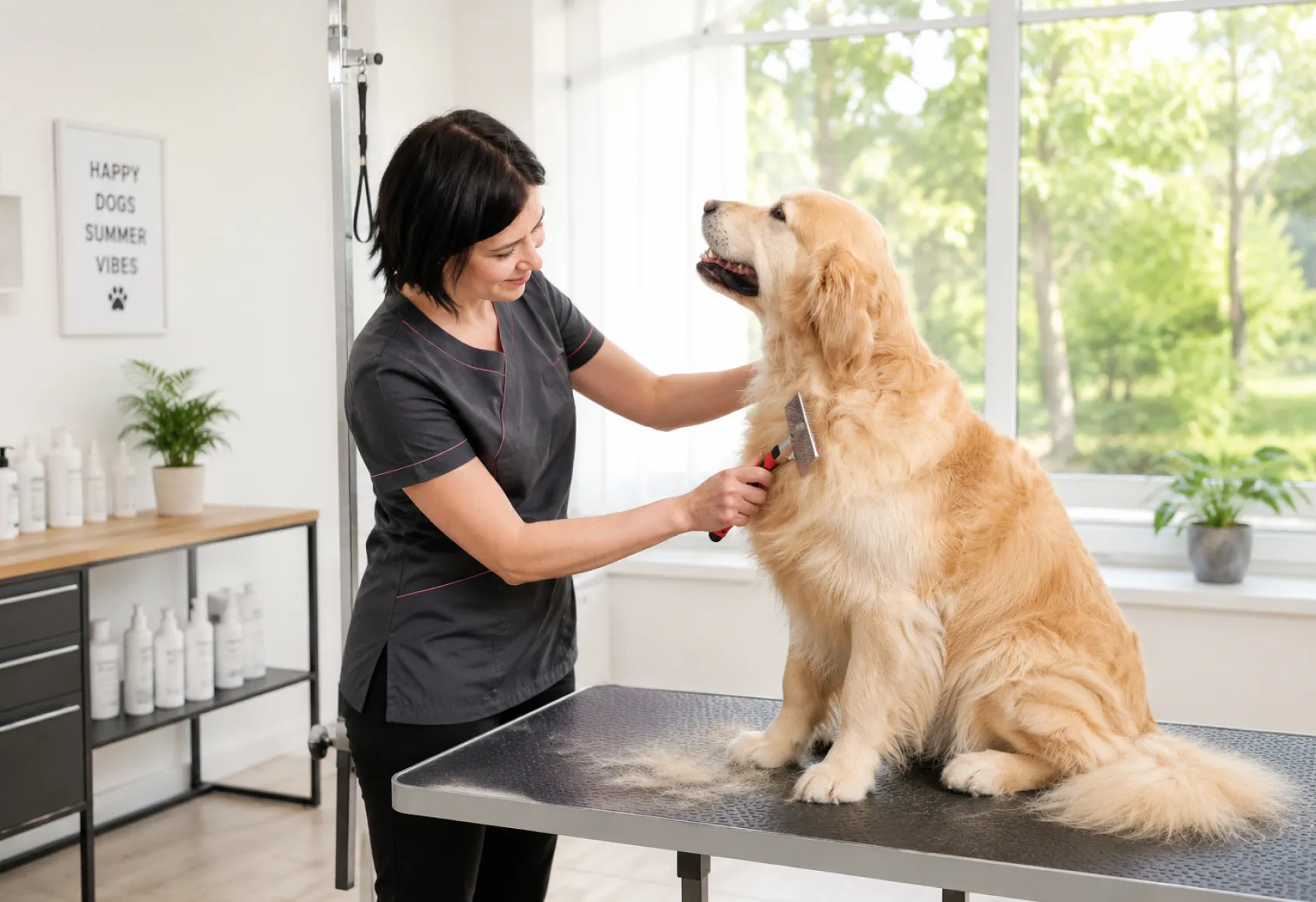
The German Pinscher has a short, sleek coat that requires minimal grooming, but still needs regular maintenance.


Compare with similar breeds

Frequently Asked Questions
Are German Pinschers the same as Dobermans?
The German Pinscher is smaller and more compact than the Doberman Pinscher, although they are both similar to look at and lineage-wise. German Pinschers are known for their agility and energy while Dobermans are larger more muscular and are often used as working dogs.
Are German Pinschers easy to train?
Yes, they are smart and they love to learn. However, they can be strong-willed and require consistent training and firm leadership. The best way to shape their behavior is through early socialization and positive reinforcement.
Do German Pinschers bark a lot?
They are not excessive barkers but do alert their owners to unfamiliar sounds or even potential dangers. They are good watchdogs without being too noisy. Their barking behavior can be managed with proper training.
Can German Pinschers be left alone?
If they have mental stimulation like toys or puzzles, they can tolerate being alone for a few hours. But they are very bonded to their owners and don't do well when alone, can get anxious, or act destructively.
What are common health issues in German Pinschers?
Hip dysplasia, heart disease, and eye disorders are some common health issues. A healthy diet, regular vet checkups, and proper exercise can help prevent or manage these conditions.