Home
/
Dog Breeds
/
German Longhaired Pointer
Origin
Germany
Size
Large Breed
Ideal Space
House with backyard
Ideal Weather
10º-25ºC
Life Expectancy
12-14Â years
Cost of buying
₹ 50,000 - ₹ 1,00,000
Top 5 Traits
Athletic
Disciplined
Energetic
Intelligent
Loyal
Avg Monthly Expenses
₹ 5,700 - ₹ 8,550
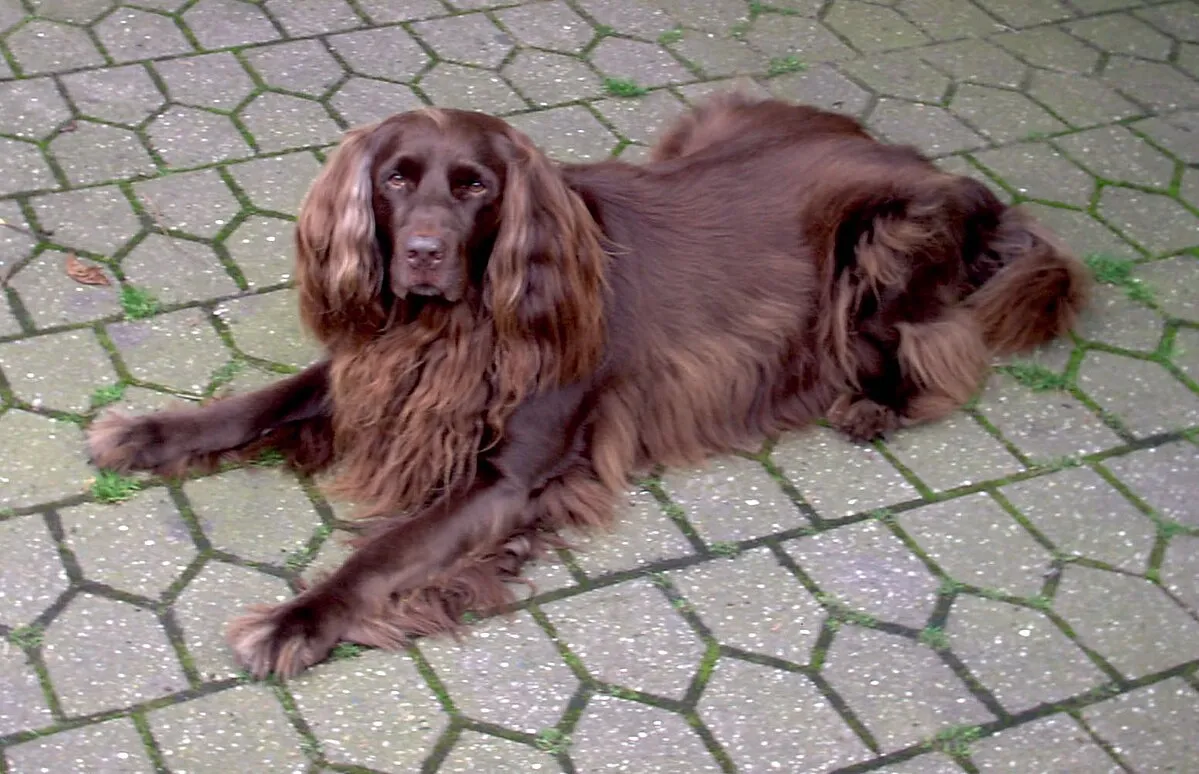
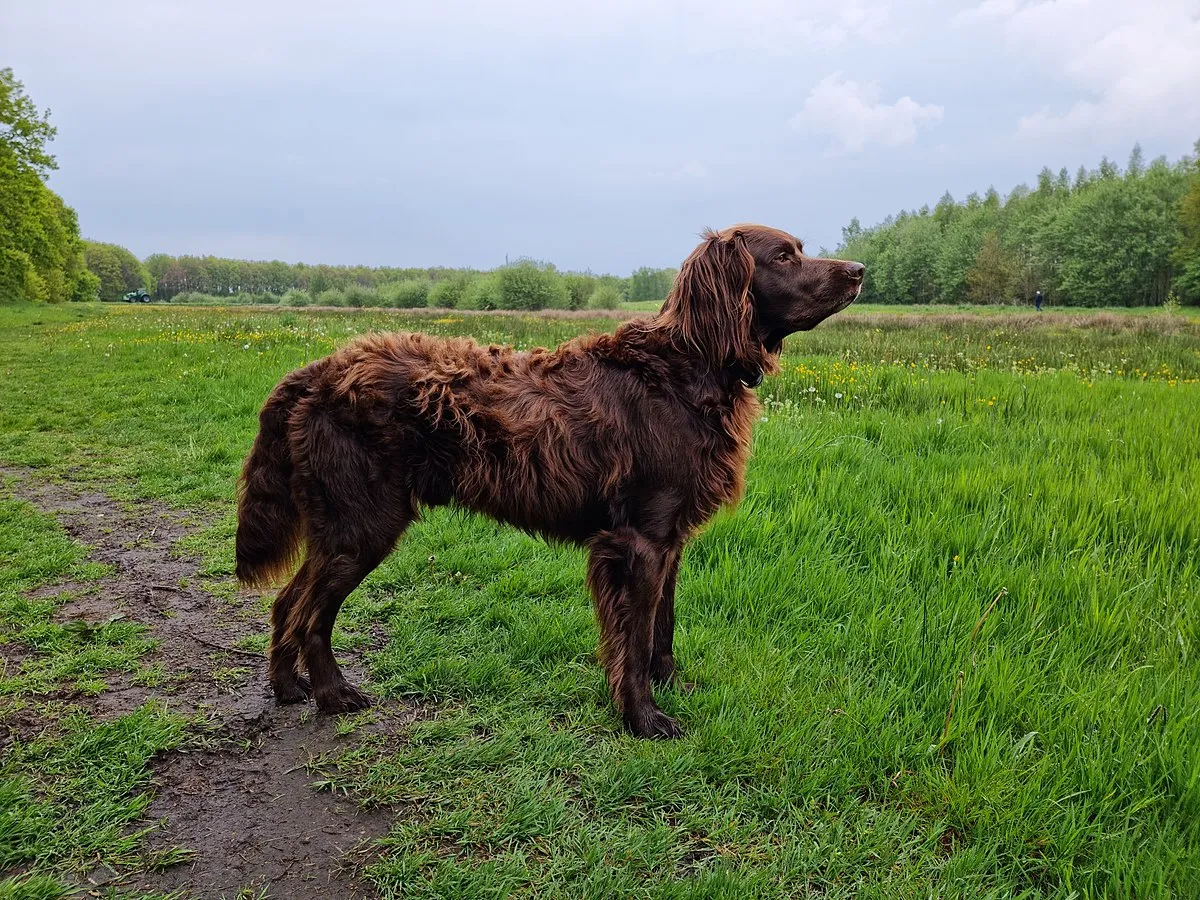
Introduction to the German Longhaired Pointer
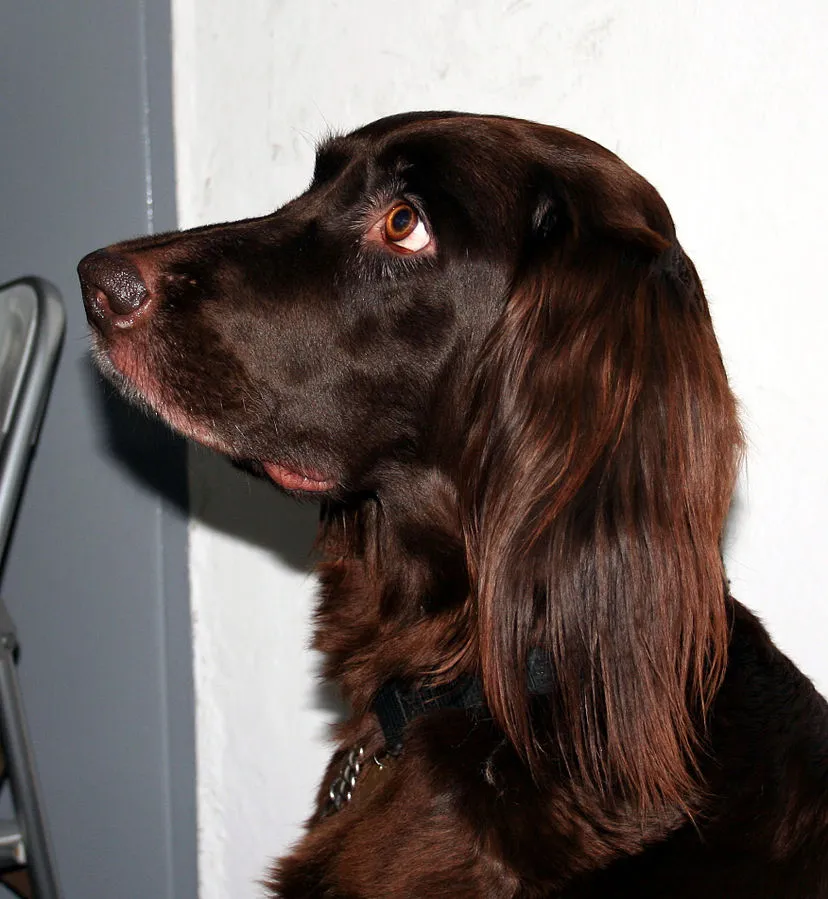
The German Longhaired Pointer is an old European pointing breed. It actually came from Germany where hunters created a versatile gun dog. At first, the breed served to flush game for falconers and net hunters. The breed was refined when firearms became popular to improve hunting and retrieving ability.
The modern German Longhaired Pointer was set by Baron von Schorlemer when he established the official breed standard in 1897. Old Water Spaniels, French Spaniels and later Gordon Setter are some of the breed’s early bloodlines. The GLP’s tracking and water working abilities were increased by these influences.
The German Longhaired Pointer is valued today for its intelligence, endurance, and adaptability. Due to its ability to work on land and in water, it has become a favorite with hunters and sporting dog enthusiasts.
Characteristics
Barking
Quiet
Loud
Temperament with Kids
Aggressive
Friendly
Playfulness
Silent
Very Playful
Friendliness
Not Friendly
Super Friendly
Compatibility with other dogs
Aggressive
Friendly
Need for attention
Independent
Very Needy
Monthly Expenses


German Longhaired Pointer Lifespan and Price
Cost of buying
₹ 50,000 - ₹ 1,00,000
How Long Does a German Longhaired Pointer Live?
German Longhaired Pointers live between 12–14 years with proper care.
How Much Does a German Longhaired Pointer Cost?
The average cost ranges from ₹50,000 to ₹1,00,000 depending on the breeder and lineage.
German Longhaired Pointer Exercise Needs
The German Longhaired Pointer requires regular exercise to maintain its high energy level.
- Daily Activity: They require 60–90 mins of vigorous exercise.
- Swimming: Water based activities are good for them as they are natural swimmers.
- Off-Leash Play: They can use their hunting instincts in secure areas.
Mental Stimulation: They work great for scent work, retrieving games, and obedience.
Prerequisites to pet a German Longhaired Pointer
Access to Groomer
Access to Veterinary
Appropriate Climate
Lifestyle Compatibility
Financial Capability
Shop or Adopt a German Longhaired Pointer: Make the Right Choice!
Are you thinking about adding a German Longhaired Pointer to your family? Whether you are buying from a breeder or adopting, always choose ethically!
When buying, research breeders carefully. A healthy, well-bred German Longhaired Pointer comes from a good breeder. More importantly, select a verified breeder with a good reputation.
Check for health certificates and pedigree documents to ensure the puppy’s health and background.
Best Practices for Shopping or Adopting a German Longhaired Pointer
The following are important steps to follow before bringing a German Longhaired Pointer home:
- Find out about the breed’s temperament, care requirements and health issues before you take on a German Longhaired Pointer.
- Either adopt from a reliable shelter or buy from a responsible breeder who does ethical breeding.
- Visit in person to check the living conditions and ensure good care.
- Go to trusted breeders and ask for health records and lineage details.
- Before bringing them home, set up a safe, cozy, space complete with food, bedding and toys.
- Keep to a regular schedule for feeding, walking and training for an easy transition.
- Give them a chance to adjust to their new home without overwhelming them.
Follow these steps to welcome your new German Longhaired Pointer smoothly!
Nutrition Care for the German Longhaired Pointer
Monthly Food Expenses
₹ 3,000 - ₹ 4,500
Calories per day
Puppies:Â 1500 kcal
Adults:Â 2000 kcal
Essential Nutrients
Protein
Fats
Carbohydrates
Fibre
Vitamins
Minerals
List of foods
Chicken
Dry Dog Food
Fresh Meat
Fresh Fish
Fruits
Mutton
Home made meals
Vegetables
- German Longhaired Pointers need a balanced diet so that they can live an active lifestyle.
- Provide them high quality protein, good fat and carbohydrates, vitamins and minerals for strength and stamina.
- Avoid low quality food, as it may lead to digestive problems or poor coat health.
- The feeding needs of puppies, adults and seniors vary with age so adjustments should be made.
- Dry food can be mixed with fresh meats, vegetables, and whole grains to get balanced nutrition.
Breakdown of Macro-nutrients
Best Foods for German Longhaired Pointers:
- Lean meats like chicken, beef and turkey contain high quality protein to support muscle strength and in overall health.
- Omega 3-rich fish like salmon or mackerel help promote a healthy coat and reduce inflammation.
- Brown rice and quinoa contain fibre and continue to provide slow digesting energy for an active lifestyle.
- Spinach and carrots are vegetables that help to supply essential vitamins and minerals to aid in boosting immunity as well as digestion.
- The liver and kidneys contain important nutrients that can help maintain energy levels and promote overall health.
Feeding Guidelines for German Longhaired Pointer
- Puppyhood (2–12 months): Provide them 3 to 4 small portions of meals a day. To help support their muscle growth and development, feed them a high protein and fat diet.
- Adult Stage (1–7 years): It’s best to feed them two meals a day. As every dog is different, adjust portion sizes as per their activity levels.
- Senior Stage (8+ years): Senior dogs are prone to obesity. It’s best to feed them low-calorie meals. You can also add joint supplements like glucosamine to support their joints.
Foods to Avoid for German Longhaired Pointer:
Avoid anything with these ingredients
Alcohol
Almonds
Avocados
Cherries
Cinnamon
Coffee / Tea
Dairy
Fruit seeds
Garlic
Grapes
Lemon
Milk Products
Mushrooms
Onions
Salt
Sugar
- Grain-heavy commercial kibbles (may cause allergies)
- Artificial preservatives and colourings
- High-fat processed foods (risk of pancreatitis)
- Toxic foods like grapes, raisins, chocolate, onions, and garlic


Health
Avg Monthly Expenses
₹ 1,500 - ₹ 2,250
Common Health Issues
Bloat
Heartworm
Hip Dysplasia
Lyme disease
Panosteitis
Parasites
Parvovirus
Leptospirosis
Well being
Exercise
Agility Training
Bonding
Games
Socialization
Energy Level
Very High
Exercise routine
60 - 90 minutes
Recognising Stress
Changes in appetite
Excessive Barking
Pacing
Excessive Panting
Reluctance to move
Increased laziness
Decreased play
Healthcare Tips for the German Longhaired Pointer
The German Longhaired Pointer is generally a healthy breed, but they are prone to certain health issues. Early detection and proper care help maintain their health.
Common Health Problems of German Longhaired Pointer:
- Hip Dysplasia – A genetic condition that causes pain and mobility issues in the hip joint. It’s recommended to keep a healthy weight and also provide joint supplements in order to reduce strain and increase comfort.
- Ear Infections – Their long ears can trap moisture and dirt, which can become a breeding ground for bacteria and yeast. Keeping their ears healthy requires regular ear cleaning with a gentle solution to prevent any infection.
- Bloat (Gastric Dilatation-Volvulus) – A disease where the stomach twists and traps gas, which cuts off blood circulation. The risk can be reduced by feeding smaller meals, avoiding vigorous exercise after the meal, and using a slow feed bowl.
Skin Allergies – These can be triggered by environmental or food factors causing itching and skin irritation. Symptoms can be managed by eliminating allergens in the diet and environment and using medicated shampoos.
Preventive Healthcare Tips for German Longhaired Pointer:
- Regular vet visits help keep an eye on their overall health and catch any issues early. Vaccinations and deworming keep them safe from common diseases.
- Clean your ears at least once per week to prevent moisture and dirt build up that can cause painful infections. To remove debris, a gentle ear cleaner and cotton ball can be used.
- Watch for obesity to prevent putting unnecessary strain on their joints and other liability health problems. If they begin to gain weight, its best to adjust their diet and exercise.
- Be sure to brush your teeth regularly to reduce plaque from building up and prevent gum disease. Dental chews and dog-friendly toothpaste can also help keep the mouth clean.
- If your pets spend a lot of time outdoors or in wooded areas, then it’s best to use tick and flea prevention every time. Monthly treatments help to keep them free from parasites and related diseases.
Vaccination details
Growth Stage
Core Vaccines
6-8 Weeks
Distemper, Parvovirus
10-12 Weeks
Distemper, Parvovirus, Adenovirus
14-16 Weeks
Distemper, Parvovirus, Adenovirus
16-20 Weeks
Rabies
Annually
Booster shots for core vaccines
Senior German Longhaired Pointer Dog Care
As German Longhaired Pointers age, their care needs change. Older dogs benefit from joint support and reduced activity levels.
- Provide orthopedic bedding for joint support and comfort.
- Use joint supplements like glucosamine and chondroitin to support joint health.
- Gentle exercises like walking and swimming help maintain mobility without stressing joints.
- Regular health checks help detect age-related issues early and manage them better.
- Keep their weight in check to reduce strain on joints.
- Ensure easy access to food, water, and resting areas to prevent discomfort.
Similar Breed to the German Longhaired Pointer
German Shorthaired Pointer | Wirehaired Pointing Griffon | English Setter
Grooming Tips for the German Longhaired Pointer
Avg Monthly Expenses
₹ 1,200 - ₹ 1,800
Shedding Level
Moderate Shedding
Hygienic Checklist
Brushing
Ear Cleaning
Nail Trimming
Teeth Care
Eye Care
Bathing
Benefits of Grooming
Cleanliness
Low Shedding
Odourless
Prevents infections
Quality of life
Prevents Bad Breath
German Longhaired Pointer’s feathered coat has to be kept clean and healthy through regular grooming.

German Longhaired Pointer’s Grooming Needs:
- Brushing: Use A slicker brush or pin brush twice a week to ease matting and remove loose hair.
- Bathing: Bathe your dog once a month or whenever needed, with a mild dog shampoo.
- Nail Trimming: Nails should be trimmed once a month to prevent overgrowth.
- Ear Cleaning: Clean ears every other week to avoid buildup and infections.
German Longhaired Pointers Temperament and Personality:
- Intelligent: They are quick learners and also respond well to training.
- Affectionate: They are very loving and loyal to family and are also great with kids.
- Energetic: They need regular workouts and mental exercises.
- Gentle: If socialized properly, Can be friendly with other pets.
German Longhaired Pointers require consistent training with positive reinforcement. The use of harsh methods can induce anxiety and stubbornness.

Compare with similar breeds
Frequently Asked Questions
1. Are German Longhaired Pointers good family pets?
Yes, if socialized early they are affectionate and gentle with children and other pets.
3. Do they require professional grooming?
Not exactly but regular home grooming is helpful in preventing matting.
2. How do they differ from German Shorthaired Pointers?
GLPs have a longer coat and a more laid back temperament.
4. Are they suitable for first-time owners?
Due to their training and exercise needs, they are better suited for experienced owners.