Home
/
Compare Dog Breeds
/
Spanish Mastiff vs Caucasian Shepherd Dog
Spanish Mastiff vs Caucasian Shepherd Dog
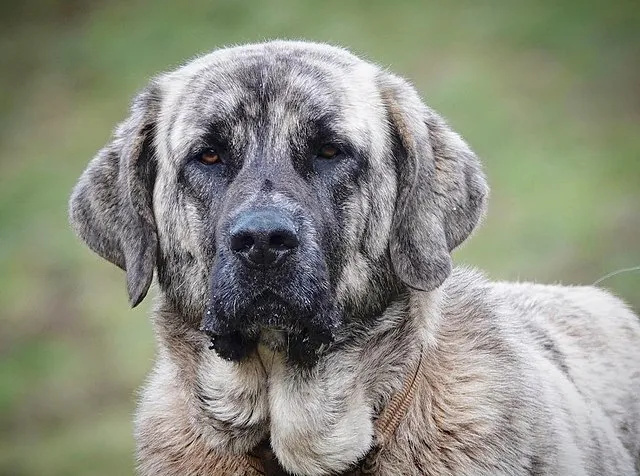
Spanish Mastiff
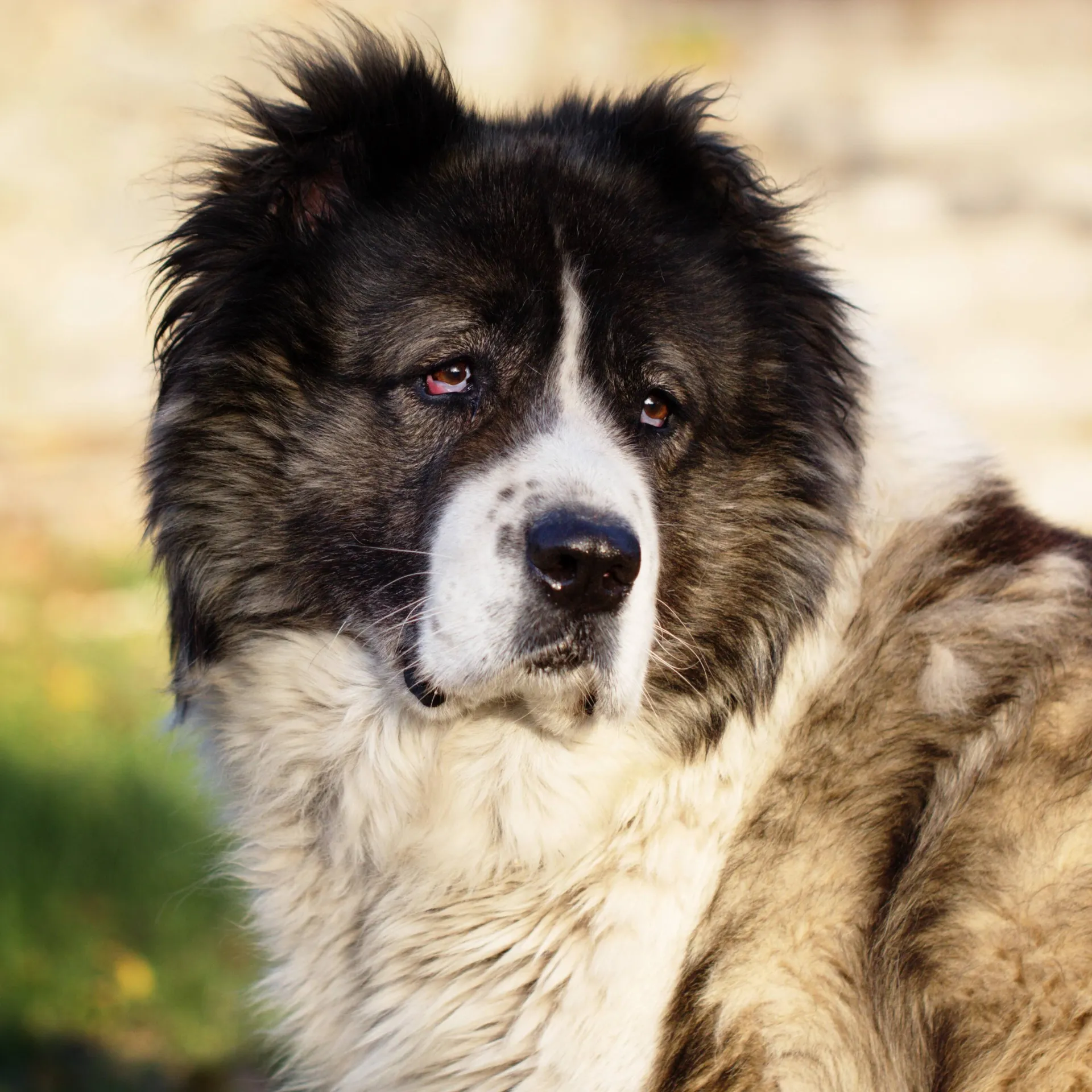
Caucasian Shepherd Dog
Characteristics
Barking
Quiet
Loud
Temperament with Kids
Aggressive
Friendly
Playfulness
Silent
Very Playful
Friendliness
Not Friendly
Super Friendly
Compatibility with other dogs
Aggressive
Friendly
Need for attention
Independent
Very Needy
Barking
Quiet
Loud
Temperament with Kids
Aggressive
Friendly
Playfulness
Silent
Very Playful
Friendliness
Not Friendly
Super Friendly
Compatibility with other dogs
Aggressive
Friendly
Need for attention
Independent
Very Needy
Basic Information
Avg Monthly Expenses
₹ 4,900
Basic
₹ 7,650
Premium
Life Expectancy
10 - 12 years
Size
Giant
Group
Working
Suitable Climate
10º - 25º celsius
Ideal Space
House with backyard
Exercise Required
30 - 60 minutes a day
Shedding Level
Moderate Shedding
Cost to buy
₹ 30,000 - ₹ 1,00,000
Avg Monthly Expenses
₹ 5,700
Basic
₹ 8,550
Premium
Life Expectancy
10 - 12 years
Size
Giant
Group
Working
Suitable Climate
0º - 25º celsius
Ideal Space
House with Farm Area
Exercise Required
60 - 90 minutes a day
Shedding Level
High Shedding
Cost to buy
₹ 20,000 - ₹ 80,000
Overall Summary
Overall Summary
Frequently Asked Questions
1. Are Spanish Mastiffs aggressive?
No, they are inherently peaceful and caring. They are territorial and hardly aggressive without cause.
3. Can they live in apartments?
No. As they are a big breed, they do best in homes with big yards or rural areas.
2. Do they bark a lot?
They bark only when needed. Their bark is intimidating but not at all excessive.
4. Are they easy to train?
They are intelligent and independent thinkers, which makes them a little stubborn. It’s best to use positive reinforcement.