Home
/
Compare Dog Breeds
/
Silky Terrier vs Maltese
Silky Terrier vs Maltese
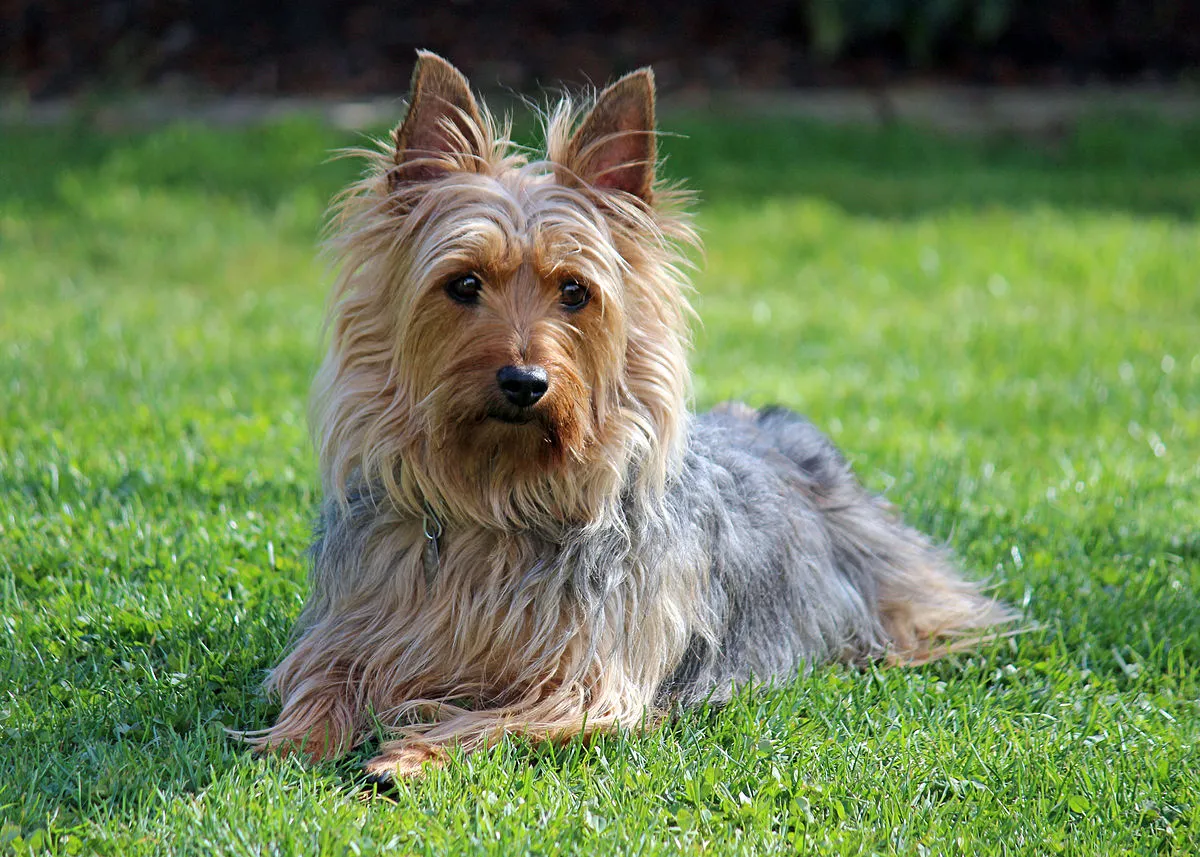
Silky Terrier

Maltese
Characteristics
Barking
Quiet
Loud
Temperament with Kids
Aggressive
Friendly
Playfulness
Silent
Very Playful
Friendliness
Not Friendly
Super Friendly
Compatibility with other dogs
Aggressive
Friendly
Need for attention
Independent
Very Needy
Barking
Quiet
Loud
Temperament with Kids
Aggressive
Friendly
Playfulness
Silent
Very Playful
Friendliness
Not Friendly
Super Friendly
Compatibility with other dogs
Aggressive
Friendly
Need for attention
Independent
Very Needy
Basic Information
Avg Monthly Expenses
₹ 3,300
Basic
₹ 5,400
Premium
Life Expectancy
12 - 15 years
Size
Small
Group
Toy
Suitable Climate
15º - 25º celsius
Ideal Space
Apartment
Exercise Required
30 - 60 minutes a day
Shedding Level
Low Shedding
Cost to buy
₹ 40,000 - ₹ 70,000
Avg Monthly Expenses
₹ 3,300
Basic
₹ 5,400
Premium
Life Expectancy
12 - 15 years
Size
Small
Group
Toy
Suitable Climate
15º - 25º celsius
Ideal Space
Apartment
Exercise Required
20 - 30 minutes a day
Shedding Level
Low Shedding
Cost to buy
₹ 25,000 - ₹ 80,000
Overall Summary
Overall Summary
Frequently Asked Questions
What is the size and weight of a Silky Terrier?
They are small dogs, standing at about 9 to 10 inches high and about 8 to 10 pounds.
Are Silky Terriers good with children and other pets?
Yes, if socialized early. They love to play with kids but do not like to be left alone. Early socialization with other pets can help prevent aggression.
How is the coat of a Silky Terrier?
They have a long, silky blue and tan coat that is nonshedding and odorless. To prevent tangles, regular brushing (at least twice or three times a week) is necessary.
How do you train a Silky Terrier?
They are intelligent but stubborn. The best approach is consistent training with positive reinforcement. Early socialization is important.
What are the health considerations for Silky Terriers? What are the health considerations for Silky Terriers? What are the health considerations for Silky Terriers?
They may live 12 to 15 years and can suffer from dental and patellar luxation issues. They should be taken to the vet periodically for a checkup.