Home
/
Compare Dog Breeds
/
Maremma Sheepdog vs Catahoula Leopard Dog
Maremma Sheepdog vs Catahoula Leopard Dog

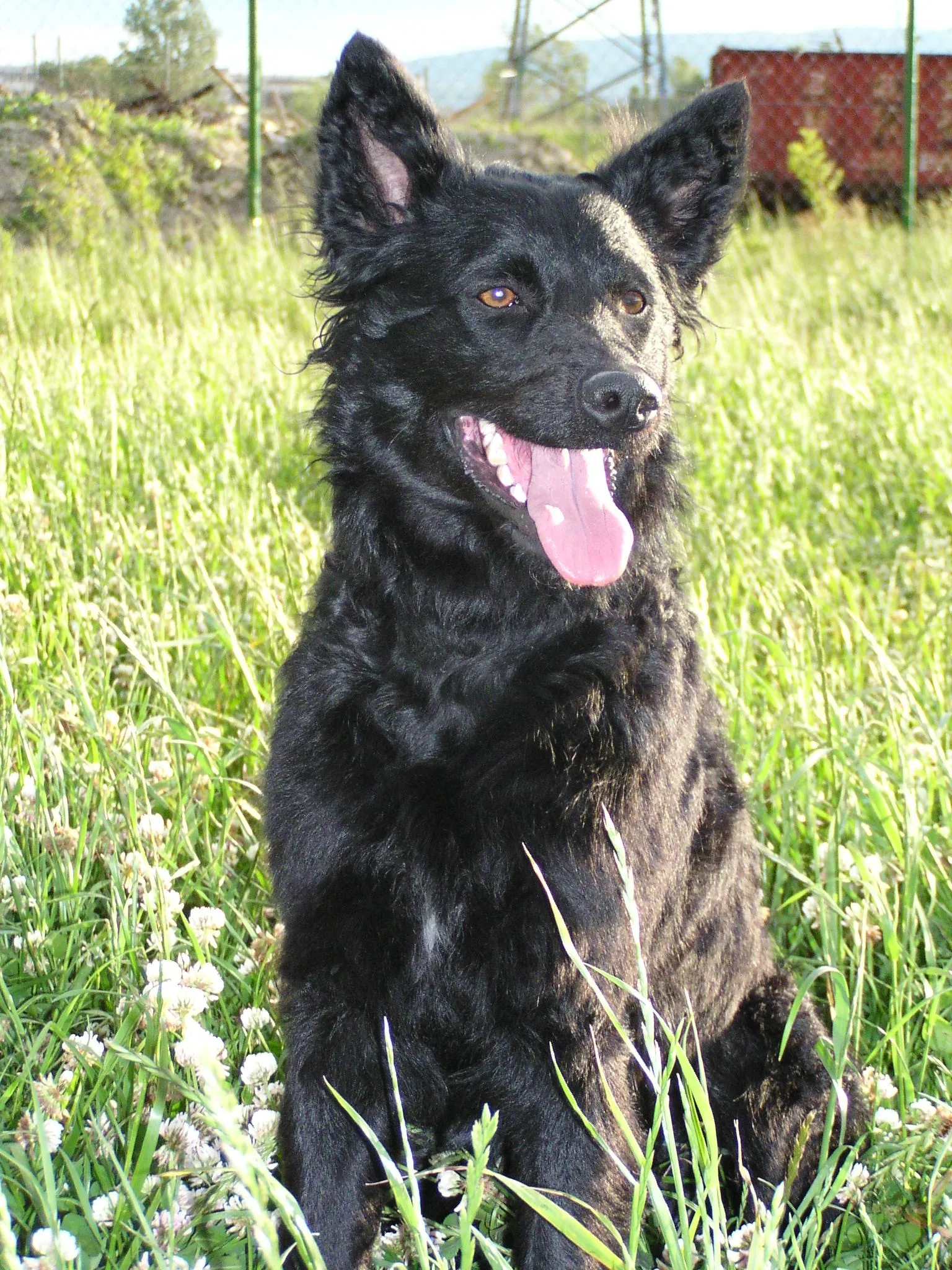
Maremma Sheepdog

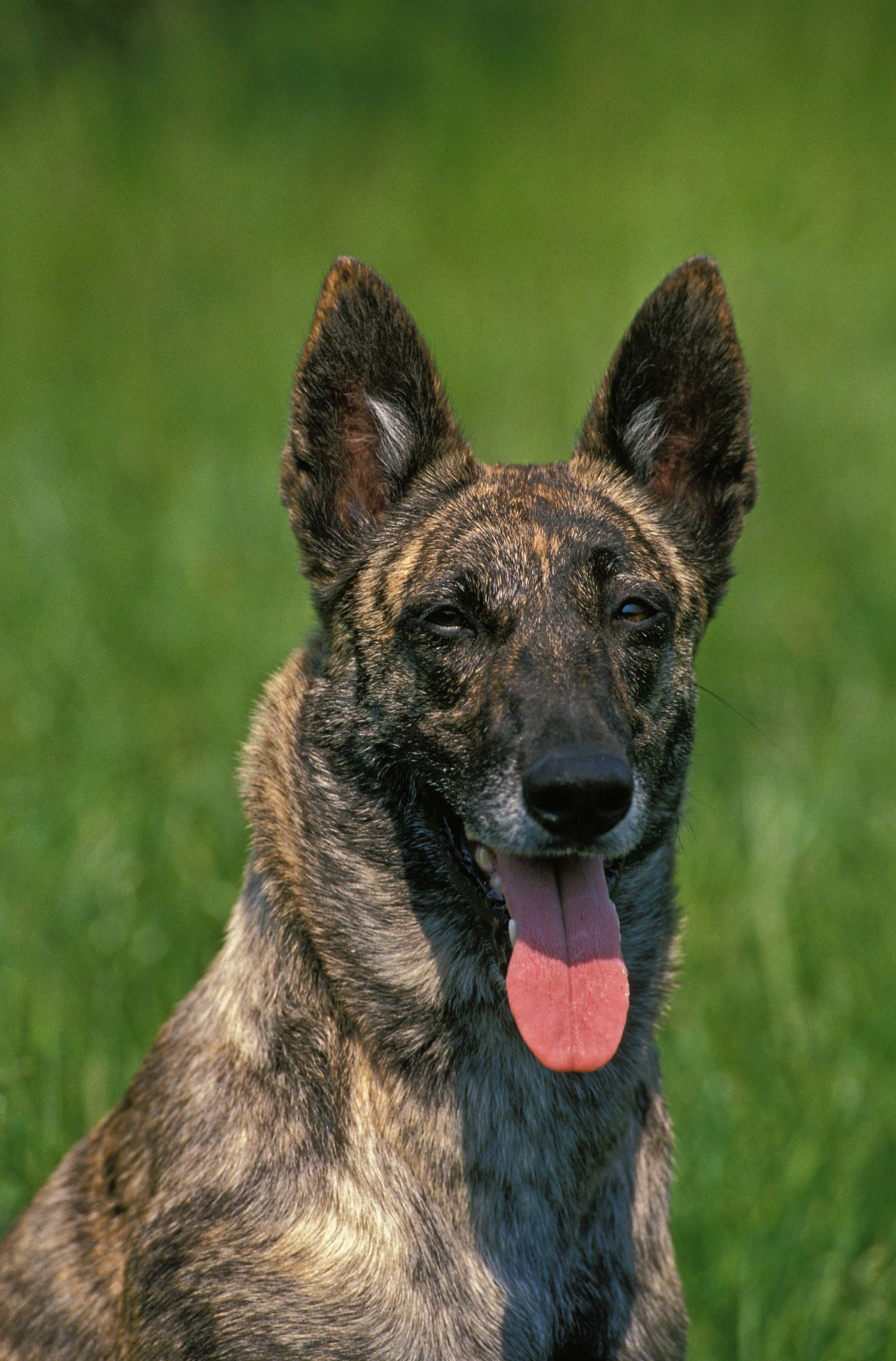
Catahoula Leopard Dog
Characteristics
Barking
Quiet
Loud
Temperament with Kids
Aggressive
Friendly
Playfulness
Silent
Very Playful
Friendliness
Not Friendly
Super Friendly
Compatibility with other dogs
Aggressive
Friendly
Need for attention
Independent
Very Needy
Barking
Quiet
Loud
Temperament with Kids
Aggressive
Friendly
Playfulness
Silent
Very Playful
Friendliness
Not Friendly
Super Friendly
Compatibility with other dogs
Aggressive
Friendly
Need for attention
Independent
Very Needy
Basic Information
Avg Monthly Expenses
₹ 4,900
Basic
₹ 7,650
Premium
Life Expectancy
10 - 14 years
Size
Large
Group
Working
Suitable Climate
10º - 25º celsius
Ideal Space
House with backyard
Exercise Required
60 - 90 minutes a day
Shedding Level
High Shedding
Cost to buy
₹ 50,000 - ₹ 1,00,000
Avg Monthly Expenses
₹ 4,900
Basic
₹ 7,650
Premium
Life Expectancy
10 - 14 years
Size
Large
Group
Herding
Suitable Climate
15º - 25º celsius
Ideal Space
House with Farm Area
Exercise Required
60 - 90 minutes a day
Shedding Level
Moderate Shedding
Cost to buy
₹ 20,000 - ₹ 60,000
Overall Summary
Overall Summary
Frequently Asked Questions
How much exercise does a Maremma Sheepdog need?
A Maremma Sheepdog requires a significant amount of exercise, typically 60-90 minutes per day. They thrive on physical activity and mental stimulation, making regular walks, playtime, and activities like agility training essential for their well-being.
How often should I groom my Maremma Sheepdog?
Due to their very high shedding, Maremma Sheepdogs need regular grooming. They should be brushed several times a week to manage shedding and prevent matting. Bathing should be done as needed to maintain cleanliness, and regular ear cleaning and nail trimming are also important.
What are common health issues in Maremma Sheepdogs?
Common health issues in Maremma Sheepdogs include hip dysplasia, bloat, heartworm, and parasites. Regular veterinary check-ups, a balanced diet, and preventive care can help manage these risks and maintain their overall health.