Home
/
Compare Dog Breeds
/
Japanese Spitz vs Pomeranian
Japanese Spitz vs Pomeranian

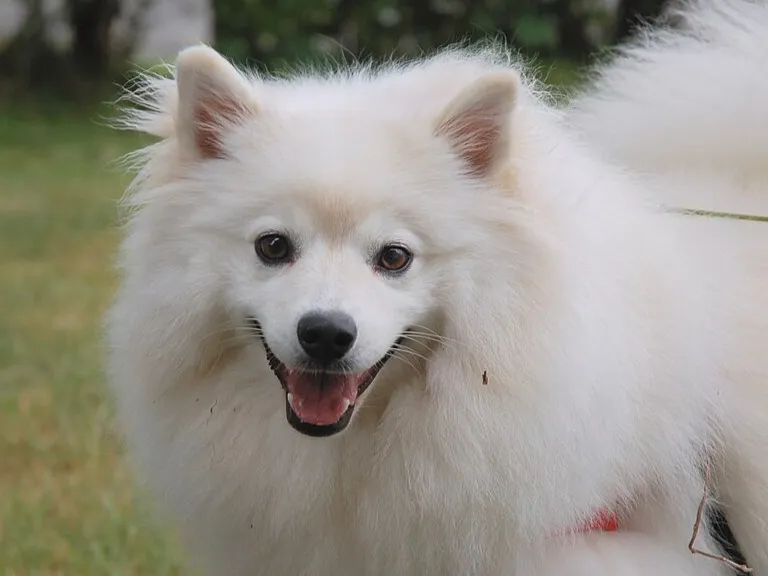
Japanese Spitz
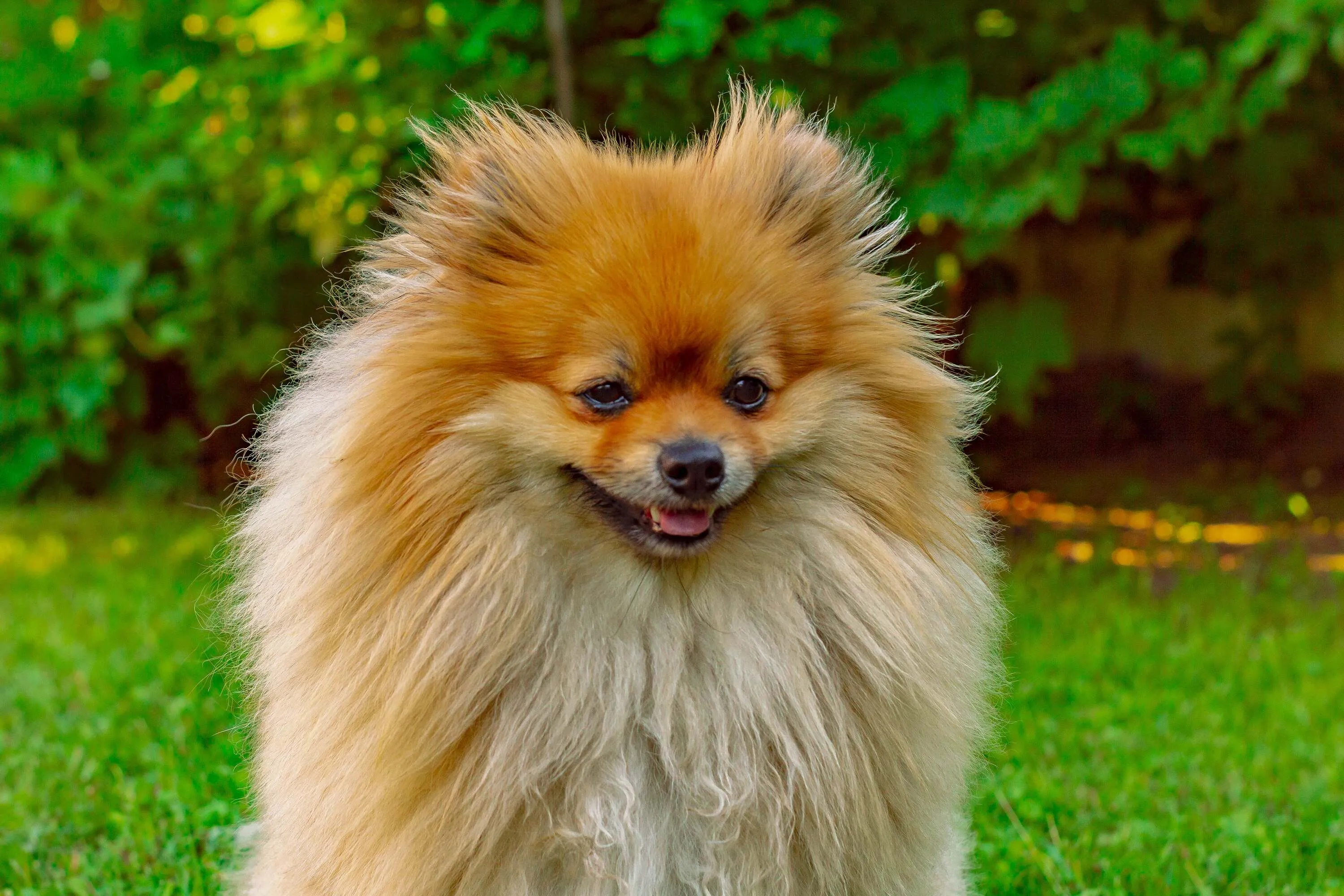
Pomeranian
Characteristics
Barking
Quiet
Loud
Temperament with Kids
Aggressive
Friendly
Playfulness
Silent
Very Playful
Friendliness
Not Friendly
Super Friendly
Compatibility with other dogs
Aggressive
Friendly
Need for attention
Independent
Very Needy
Barking
Quiet
Loud
Temperament with Kids
Aggressive
Friendly
Playfulness
Silent
Very Playful
Friendliness
Not Friendly
Super Friendly
Compatibility with other dogs
Aggressive
Friendly
Need for attention
Independent
Very Needy
Basic Information
Avg Monthly Expenses
₹ 3,300
Basic
₹ 5,400
Premium
Life Expectancy
12 - 16 years
Size
Small
Group
Spitz
Suitable Climate
15º - 25º celsius
Ideal Space
Apartment
Exercise Required
30 - 60 minutes a day
Shedding Level
Moderate Shedding
Cost to buy
₹ 15,000 - ₹ 50,000
Avg Monthly Expenses
₹ 3,300
Basic
₹ 5,400
Premium
Life Expectancy
12 - 16 years
Size
Small
Group
Toy
Suitable Climate
18º - 24º celsius
Ideal Space
Apartment
Exercise Required
30 - 45 minutes a day
Shedding Level
Moderate Shedding
Cost to buy
₹ 10,000 - ₹ 50,000
Overall Summary
Overall Summary
Frequently Asked Questions
How do I socialize my Japanese Spitz puppy?
Socialization is crucial for Japanese Spitz puppies to develop into well-adjusted adults. Expose them to various people, animals, environments, and experiences in a positive and controlled manner from an early age to help them become confident and friendly dogs.
What type of diet is best for Japanese Spitz dogs?
A balanced diet consisting of high-quality dog food, lean proteins, vegetables, and fruits is ideal for Japanese Spitz dogs. Avoid overfeeding and monitor their weight to prevent obesity, which can lead to health issues.
Are Japanese Spitz prone to any behavioral issues?
Japanese Spitz dogs are generally well-behaved and friendly, but like all breeds, they may develop behavioral issues if not properly trained and socialized. Common behavioral issues include excessive barking, digging, and separation anxiety. Consistent training, positive reinforcement, and plenty of exercise can help address and prevent behavioral problems.