Home
/
Compare Dog Breeds
/
Czechoslovakian Vlcak vs Greyhound
Czechoslovakian Vlcak vs Greyhound
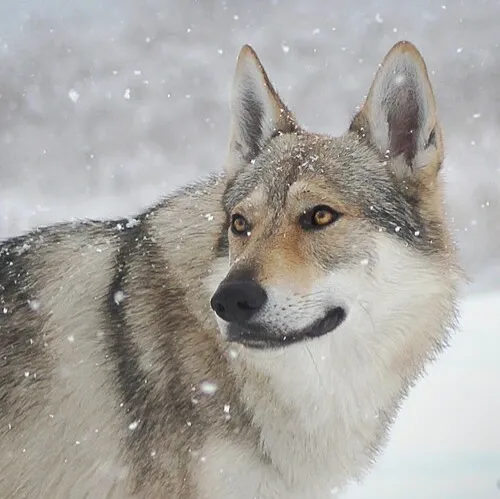
Czechoslovakian Vlcak
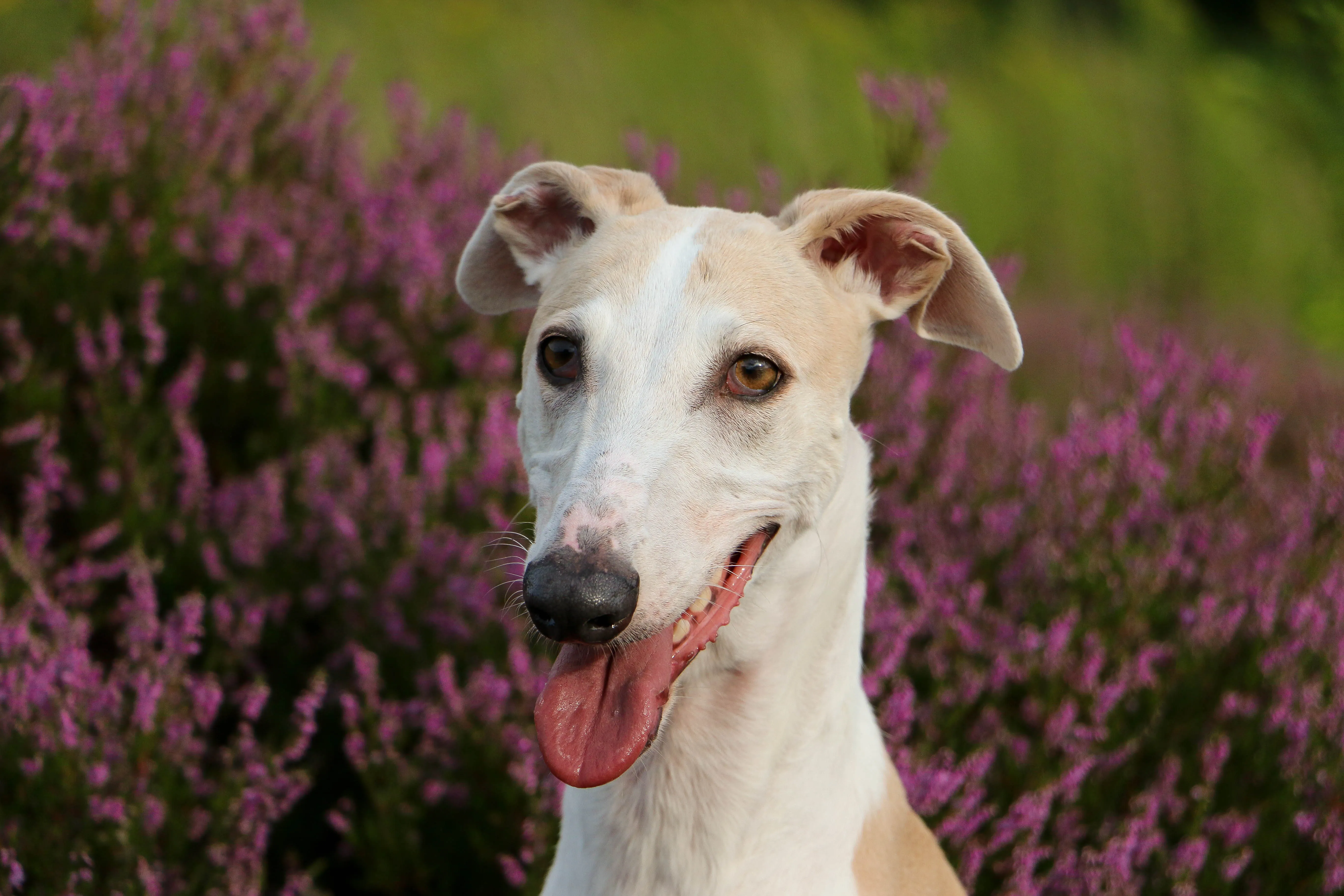
Greyhound
Characteristics
Barking
Quiet
Loud
Temperament with Kids
Aggressive
Friendly
Playfulness
Silent
Very Playful
Friendliness
Not Friendly
Super Friendly
Compatibility with other dogs
Aggressive
Friendly
Need for attention
Independent
Very Needy
Barking
Quiet
Loud
Temperament with Kids
Aggressive
Friendly
Playfulness
Silent
Very Playful
Friendliness
Not Friendly
Super Friendly
Compatibility with other dogs
Aggressive
Friendly
Need for attention
Independent
Very Needy
Basic Information
Avg Monthly Expenses
₹ 4,900
Basic
₹ 7,650
Premium
Life Expectancy
12 - 16 years
Size
Large
Group
Working
Suitable Climate
-10º - 25º celsius
Ideal Space
House with backyard
Exercise Required
60 - 120 minutes a day
Shedding Level
Moderate Shedding
Cost to buy
₹ 50,000 - ₹ 1,50,000
Avg Monthly Expenses
₹ 4,900
Basic
₹ 7,650
Premium
Life Expectancy
10 - 14 years
Size
Large
Group
Hound
Suitable Climate
15º - 24º celsius
Ideal Space
House with Farm Area
Exercise Required
30 - 60 minutes a day
Shedding Level
Low Shedding
Cost to buy
₹ 25,000 - ₹ 60,000
Overall Summary
Overall Summary
Frequently Asked Questions
Are Czechoslovakian Vlcaks legal in India?
Yes, however, they are rare, and that is why they are pricey.
How much wolf is in a Czechoslovakian Vlcak?
The majority of modern lines contain approximately 6.25% wolf genes, making them domestic dogs but not hybrids.
Are they easy to train?
They are sharp but rigid. They require experienced, formative, and hard training.
Can they live in apartments?
Not ideal. They need lots of space and extensive exercise periods. Living in apartments is frustrating.