Home
/
Cat Breeds
/
Persian Cat
Persian Cat
Origin
Iran
Size
Medium Breed
Ideal Space
Independent House
Ideal Weather
18º-25ºC
Life Expectancy
12-15 years
Cost of buying
₹ 15,000 - ₹ 50,000
Top 5 Traits
Curious
Affectionate
Gentle
Calm
Playful
Avg Monthly Expenses
₹ 2,800 - ₹ 4,200

by Happy Pet TeamUpdated on 16 May 2025
Introduction to the Persian Cat
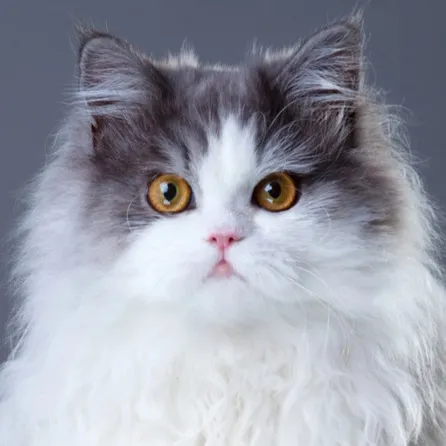
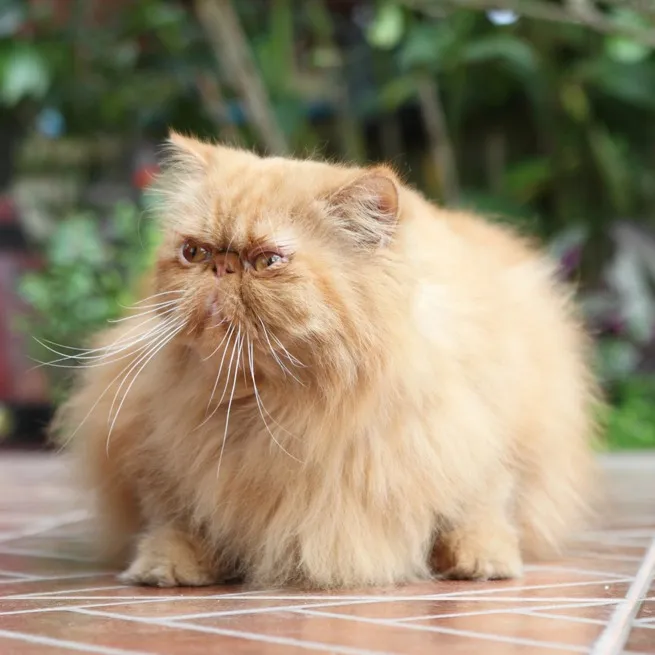
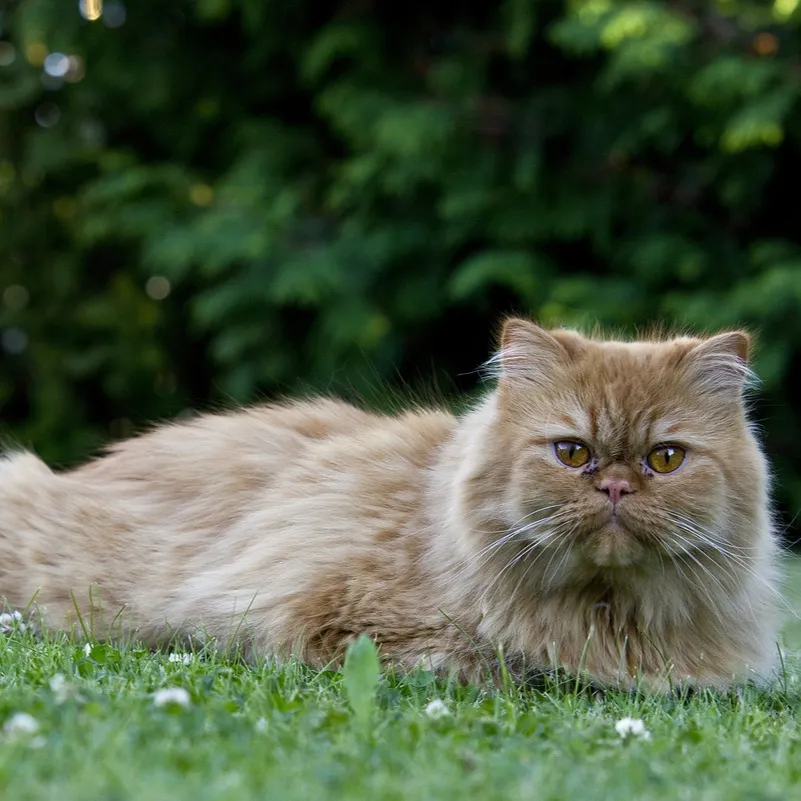
Persian cats are among the oldest and grandest of all breeds of cats. They’re most famous for their long silky coats and those round expressive eyes, with perhaps roots dating back to ancient Persia (modern day Iran). They have a dignified appearance and a calm personality, which make them the favorite of homes all over the world.
In the 1600s, the breed gained popularity in Europe, where it was further refined in the UK and US. Today’s Persian is prized for its luxurious coat, flat face and gentle behavior. They are accepted by all major cat associations, including the Cat Fanciers' Association (CFA), where Persians are ranked as one of the top breeds year after year.
How Long Do Persian Cats Live?
Persian cats can live between 12 – 15 years with proper care and nutrition.
Persian Cat Temperament and Personality
- Persian cats are peaceful, affectionate and live a nice, relaxed life.
- They also tend to follow their preferred humans around, looking for attention.
- They aren't jumpers or climbers and enjoy sitting on soft cushions.
- These cats are generally peaceful and like to be around gentle children or calm pets.
Persian Cat Exercise Needs
Persians aren't very active, but they do require at least some movement to remain healthy.
- Interactive toys – Feathers, balls and laser pointers will keep them occupied.
- Climbing platforms – Though not jumpers, they like sitting on low perches.
- Short play sessions – 10–15 minutes of gentle play twice a day works well.
Characteristics
Temperament with Kids
Aggressive
Friendly
Playfulness
Silent
Very Playful
Friendliness
Not Friendly
Super Friendly
Shedding amount
Negligible
Frequent
Compatibility with other cats
Not Friendly
Super Friendly
Prey Drive
Low
High
Need for attention
Independent
Very Needy
Monthly Expenses


Persian Cat's Price in India
Cost of buying
₹ 15,000 - ₹ 50,000
The price of a Persian cat in India is between ₹ 15,000 - ₹ 50,000 depending upon the color, lineage, and whether the cat is a doll or flat faced. They may be even more expensive for the show quality Persians.
Similar Breeds to the Persian Cat
Shop or Adopt a Persian Cat: The Choice Is Yours!
Responsible shopping will make sure that ethical breeding is taking place while adopting a Persian will give a loving home to a cat that needs it. Pick based on your ability to keep up with their gentle temperament, grooming needs, and lifespan.
Best Practices for Shopping or Adopting a Persian Cat
- Select a good breeder or adoption centre.
- Get health screenings for heart disease and dental problems.
- Observe temperament and socialization levels.
- Vaccination, deworming and medical history should be checked.
- Offer a quiet, reasonably comfortable indoor environment.
- Prevent obesity by maintaining a balanced diet.
- They need to be groomed regularly to manage their dense coat.
- Always ensure you keep routine vet visits as a commitment to lifelong care.
Nutrition Care for the Persian Cat
Monthly Food Expenses
₹ 1,500 - ₹ 2,000
Calories per day
Kittens: 300 kcal
Adults: 250 kcal
Essential Nutrients
Protein
Fats
Carbohydrates
Vitamins
Minerals
Amino Acids (Taurine, Arginine, etc.)
Essential Fatty Acids
Fiber
List of foods
Dry kibble
Wet canned food
Chicken (cooked or raw)
Lamb
Salmon
Tuna
Eggs (cooked)
- They require high quality protein for the maintenance of muscle.
- Healthy fats support energy levels and a shiny coat.
- Immunity and joint health are strengthened with the help of essential nutrients.
- Taurine is important for heart and vision health.
- Wet food helps in hydration and urinary tract health.
- It is best to avoid low quality foods to prevent obesity and digestion problems.
- A balanced diet of wet food, lean meats and supplements are vital for overall well being.
Feeding Guidelines for Persian Cats
Kittens (Up to 12 Months)
To provide for coat development and growth, they need a protein rich diet. Feed kitten-specific food 3-4 times a day.
Adults (1-7 Years)
Provide two to three portion controlled meals per day. Based on weight and activity levels, adjust portion size.
Seniors (7+ Years)
Switch to senior cat food labelled with fewer calories but with added joint and heart support. Try to find food rich in glucosamine and antioxidants.
Breakdown of Macro-nutrients
Best Foods for Persian Cats
You can give a Persian cat a combination of dry kibble and moist food. Here are some suggested brands:
- Royal Canin Persian Adult – Supports coat health and is designed for their facial structure. The flat faced cats can pick up and chew the almond shaped kibble better.
- Whiskas Chicken in Gravy (Kitten/Adult) – Hydrating and affordable for Indian pet parents. Additionally, it supplies the necessary amino acids to help with overall immunity and vitality.
- Hill’s Science Diet Hairball Control – It helps control shedding and prevents hairballs. It is natural fibers to help with digestion and prevent hairball formation.
- Sheba Rich Premium Wet Food – A tasty treat with balanced nutrition and hydration benefits. Its soft texture and flavor appeal even to picky eaters.
Foods to Avoid for Persian Cats
Avoid anything with these ingredients
Onions and Garlic
Caffeine
Chocolate
Alcohol
Raw Eggs
Bones
High Salt Foods
High-Fat Foods
To maintain your Persian Cat healthy, refrain from:

- Milk and dairy – These may cause stomach upset and diarrhea. Most adult cats are lactose intolerant, and it's best not to give milk in any form.
- Table scraps and high-fat foods – It may lead to obesity and strain on the liver. Feeding these regularly can also cause picky eating habits.
- Onions, garlic, and chocolate – Toxic for cats, even in small quantities. They can go on to damage red blood cells or hurt the nervous system.
- Spicy or heavily seasoned food – It makes digestion harder and is too salty. It also may irritate the lining of their stomach and make them vomit.
- Grain-heavy fillers – They can provoke skin trouble and weight gain. Cat foods with more meat-based ingredients and fewer grains should be looked for.

Healthcare for the Persian Cat
Avg Monthly Expenses
₹ 500 - ₹ 700
Common Health Issues
Upper Respiratory Infections
Dental Problems
Obesity
Diabetes
Kidney Disease
Hyperthyroidism
Heartworm Disease
Fleas and Ticks
Activities
Play with Toys
Chasing Objects
Exploring
Climbing
Scratching
Energy Level
Medium
Exercise routine
1 - 7 minutes
Recognising Stress
Hiding
Increased vocalization
Decreased appetite
Overgrooming
Changes in litter box behavior
Common Health Problems of Persian Cats
Generally, Persians are a healthy breed when well cared for, but they can suffer from some breed specific problems.
- Polycystic Kidney Disease (PKD) – A genetic disorder that can lead to kidney failure. It can be detected early through regular vet checkups and ultrasounds.
- Respiratory problems – Persians can snore or struggle to breathe. The symptoms can be eased by keeping them in a cool, calm environment.
- Eye discharge – The flat faces lead to tear stains and can cause eye infections. Cleaning around the eyes every day might prevent irritation.
- Dental issues – It may cause misaligned teeth or gum infections. For their oral health, it’s important to regularly brush and visit the dentist.
- Obesity – Since they are rarely active, they tend to be overweight. You can help manage weight by controlled portions and light playtime.
General Healthcare Tips for Persian Cats
- Annual vet visits – For vaccinations, dental checks, and early detection of illness. Routine checkups can help keep your cat healthy all year long.
- Weight checks – Avoid joint or heart issues by maintaining a healthy weight. Cats can become obese, which can also lead to diabetes and reduced mobility.
- Regular eye cleaning – Gently wipe discharge with a soft cloth. It helps with tear stains and potential eye infections.
- Dental hygiene – Brush their teeth weekly and provide dental treats. Oral care in itself can help reduce the risk of gum disease and bad breath.
- Keep indoors – It protects them from pollution, infections, and any rough handling. On the whole, indoor cats live longer and safer lives.
Vaccination details
Growth Stage
Core Vaccines
8-9 Weeks
Feline Herpesvirus (FHV-1), Feline Calicivirus (FCV), Feline Panleukopenia Virus (FPV)
12-13 Weeks
Feline Leukemia Virus (FeLV)
16-17 Weeks
Rabies
20-21 Weeks
Feline Herpesvirus (FHV-1), Feline Calicivirus (FCV), Feline Panleukopenia Virus (FPV) (Booster)
Anually
Rabies (Booster)
Persian Cat Grooming Routine
Avg Monthly Expenses
₹ 800 - ₹ 1,500
Shedding Level
High Shedding
Hygienic Checklist
Litter Box
Grooming (for some breeds)
Nail Trimming
Eye care
Ear cleaning
Fur trimming
Benefits of Grooming
Cleanliness
Low Shedding
Odourless
Prevents Bad Breath
Prevents infections
Persians must be daily groomed. Here is how you can keep them tidy and comfortable.

- Brushing – Always use a metal comb to remove tangles and loose hair.
- Bathing – Once every 3-4 weeks with cat-specific shampoo.
- Eye cleaning – Tear stains can be wiped with a damp cloth.
- Ear cleaning – Check weekly and clean with a vet-approved solution.
- Nail trimming – Every 3 weeks to prevent overgrowth and injuries.


Written by
Happy Pet TeamAuthor
Team Happy Pet is a passionate collective of pet experts, enthusiasts, and advocates dedicated to sharing trusted and insightful content.
Our cont
Compare with similar breeds
Frequently Asked Questions
Are Persian cats good for first-time owners?
Yes, they are calm and easygoing. New owners should expect to have the grooming commitment.
Do Persian cats shed a lot?
Yes, they shed heavily. Daily brushing to control the hair around the house and to reduce hairballs.
Are Persian cats friendly with other pets?
Other gentle pets do well with Persians. They want a quieter home, and if possible, avoid rowdy animals.
Can Persian cats live in hot climates like India?
Yes, but make sure they stay indoors in cool spaces. They are comfortable in the air conditioning or fans.