Home
/
Cat Breeds
/
Himalayan Cat
Himalayan Cat
Origin
United States
Size
Medium Breed
Ideal Space
Independent House
Ideal Weather
18º-24ºC
Life Expectancy
12-15 years
Cost of buying
₹ 15,000 - ₹ 50,000
Top 5 Traits
Playful
Curious
Friendly
Affectionate
Laid-back
Avg Monthly Expenses
₹ 2,800 - ₹ 4,200
Quick Information
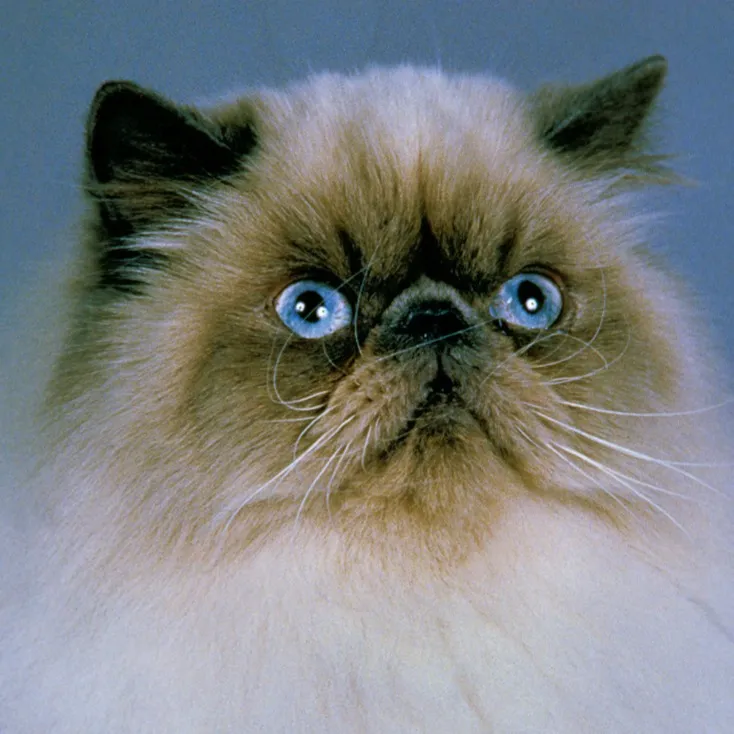
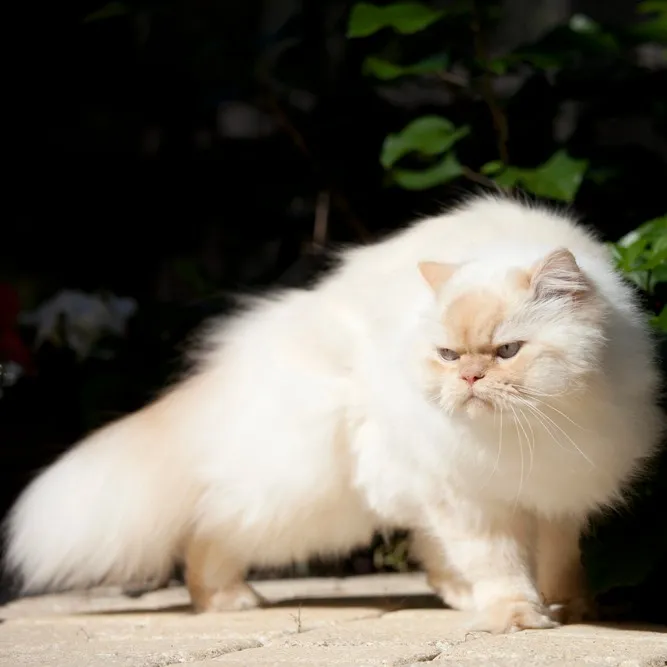
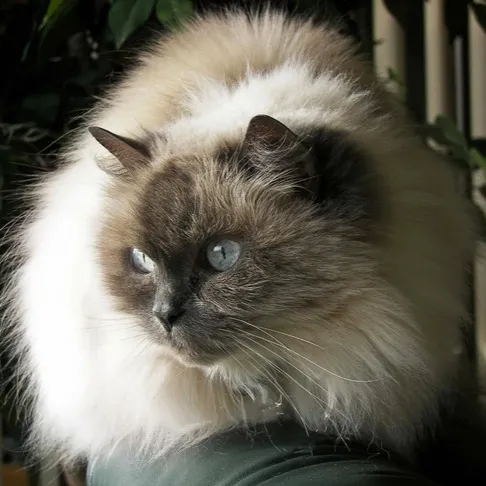
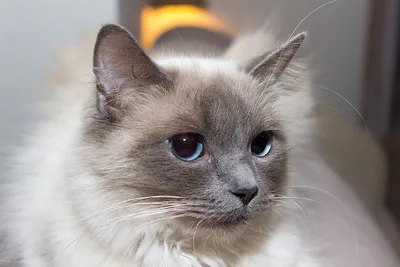
Himalayans, also referred to as (Himmies, Himalayan Persian, Colourpoint Persian, and Longhaired Colourpoint) are gentle giants. They love any care and attention they receive from their owners and are playful and kind. Their fur requires daily grooming. The breed was given the name "Himalayan" due to its color, which alludes to the colors of Himalayan animals.
Characteristics
Temperament with Kids
Aggressive
Friendly
Playfulness
Silent
Very Playful
Friendliness
Not Friendly
Super Friendly
Shedding amount
Negligible
Frequent
Compatibility with other cats
Not Friendly
Super Friendly
Prey Drive
Low
High
Need for attention
Independent
Very Needy
Monthly Expenses


Adopt or Shop: The choice is yours!
Cost of buying
₹ 15,000 - ₹ 50,000
Buying or adopting are the two main possibilities if you're thinking about getting a Himalayan cat for your house.
Now that you know what it takes to raise a Himalayan Cat, are you ready to take the next step to pet one?
Research: Learn about Himalayan cats and the kind of care they need, and make sure you're ready for the responsibilities that comes with owning a pet.
Nutrition
Monthly Food Expenses
₹ 1,500 - ₹ 2,000
Calories per day
Kittens: 300 kcal
Adults: 250 kcal
Essential Nutrients
Protein
Fats
Carbohydrates
Vitamins
Minerals
Amino Acids (Taurine, Arginine, etc.)
Essential Fatty Acids
Fiber
List of foods
Dry kibble
Chicken (cooked or raw)
Lamb
Salmon
Sweet potatoes (cooked)
A balanced diet is crucial for the general health and wellbeing of a Himalayan cat. This breed gains from a diet abundant in vital nutrients and premium proteins. You can give them both wet canned food and dry kibble as long as they get their recommended daily intake of calories and nutrients. A well-rounded diet includes a range of meats, seafood, and some plant-based foods such as cooked fruits and vegetables.
Breakdown of Macro-nutrients
Selecting Good Quality Food
Since Himalayan cats have long hair, it's critical to offer them a diet strong in fat and protein to maintain the health of their coat. Additionally, they are more vulnerable to certain medical disorders including progressive retinal atrophy and polycystic kidney disease, therefore it's critical to select a cuisine that is tailored to meet their demands.
Never feed these foods to Himalayan Cat
Avoid anything with these ingredients
Onions and Garlic
Caffeine
Chocolate
Alcohol
Bones
Raw Eggs
Grapes and Raisins
It's important to stay away from any food or substances that are toxic to cats. These could contain certain flowers or plants as well as some artificial ingredients that are frequently used in processed foods. If you have any doubts regarding the safety of any food or substance for your Himalayan cat, always get advice from a veterinarian.


Health
Avg Monthly Expenses
₹ 500 - ₹ 700
Common Health Issues
Dental Problems
Obesity
Kidney Disease
Hyperthyroidism
Hairballs
Activities
Play with Toys
Chasing Objects
Exploring
Climbing
Scratching
Energy Level
Medium
Exercise routine
- - - -
Recognising Stress
Hiding
Increased vocalization
Decreased appetite
Overgrooming
Changes in litter box behavior
Medical Care
The Himalayan cat, known for its majestic beauty and serene disposition, needs careful medical attention to guarantee a long and happy life. The following are some particular health issues for the Himalayan cat breed:
Vaccination details
Growth Stage
Core Vaccines
6-8 Weeks
Feline Viral Rhinotracheitis, Calicivirus, Panleukopenia (FVRCP)
12-14 Weeks
FVRCP Booster
16-18 Weeks
FVRCP Booster
20+ Weeks
Rabies
Grooming
Avg Monthly Expenses
₹ 800 - ₹ 1,500
Shedding Level
Moderate Shedding
Hygienic Checklist
Nail Trimming
Ear cleaning
Fur trimming
Teeth care
Eye care
Benefits of Grooming
Cleanliness
Low Shedding
Odourless
Prevents Bad Breath
Prevents infections
Himalayan cats need frequent brushing to avoid matting and knots in their long, thick fur. Regular brushing is advised for Himalayan cats, with specific attention to the areas around the ears, tail, and underarms. Additionally, you might need to periodically clip your cat's fur, particularly if it tends to matting.


Compare with similar breeds
Frequently Asked Questions
How large can a Himalayan cat grow?
Male Himalayan cats usually weigh between 5 and 6 kgs, while females often weigh between 3 and 5 kgs.
Do Himalayan cats need to be groomed frequently?
Yes, frequent brushing is necessary to keep Himalayan cats' fur from matting and tangling. It is recommended to brush your Himalayan cat's fur daily and bathe them every 6-8 weeks.
Do Himalayan cats get along well with kids?
Yes, Himalayan cats get along well with kids in general. They are known for being gentle and affectionate.