Home
/
Compare Bird Species
/
Crimson Rosella vs Goffin’s Cockatoo
Crimson Rosella vs Goffins Cockatoo
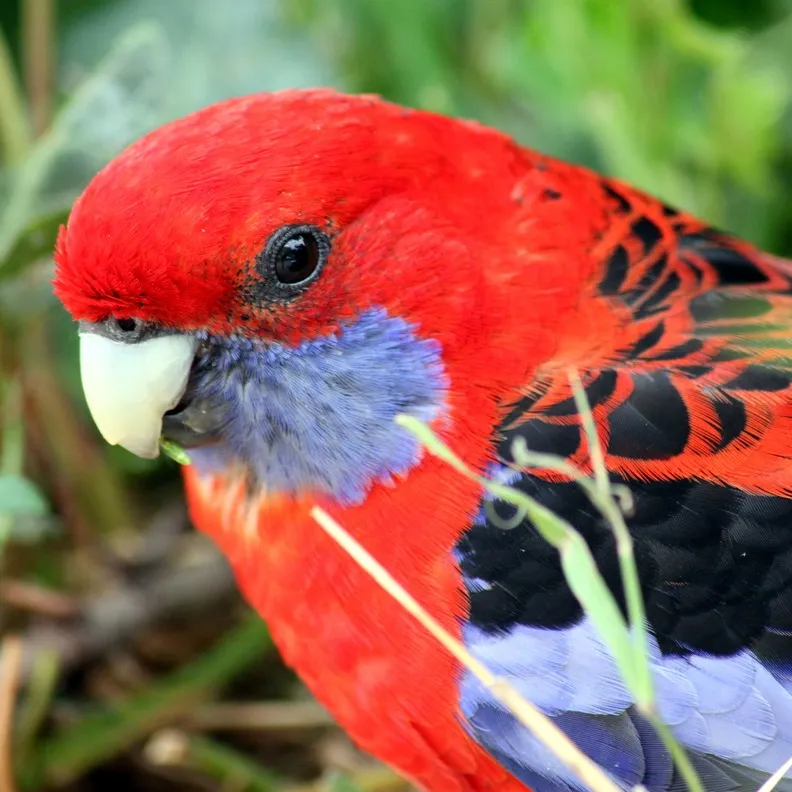
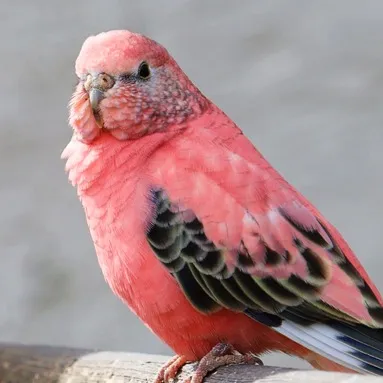
Crimson Rosella
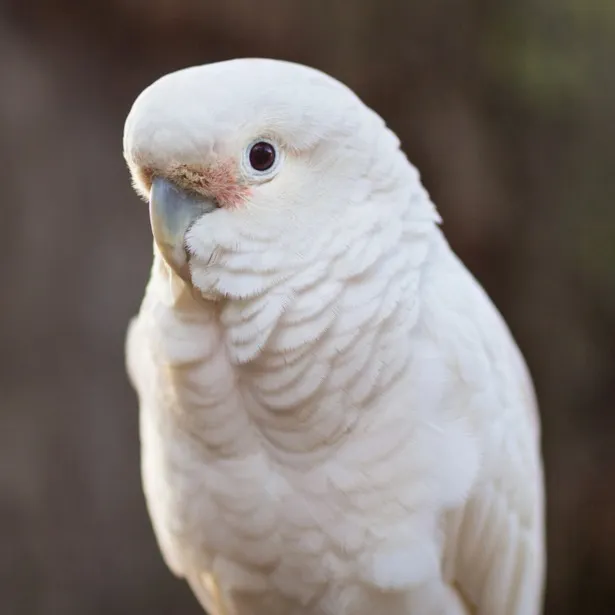
Goffin’s Cockatoo
Characteristics
Affection
Not Friendly
Super Friendly
Vocalization
Silent
Vocal
Intelligence
Low
High
Social Behavior
Prefer Isolation
Very Social
Affection
Not Friendly
Super Friendly
Vocalization
Silent
Vocal
Intelligence
Low
High
Social Behavior
Prefer Isolation
Very Social
Basic Information
Avg Monthly Expenses
₹2,400
Basic
₹2,999
Premium
Classification
Psittaciformes
Life Expectancy
20 - 30 years
Ideal Weather
10º - 30º celsius
Maintenance
Moderate
Size
Medium
Avg Monthly Expenses
₹1,750
Basic
₹3,600
Premium
Classification
Psittaciformes
Life Expectancy
30 - 40 years
Ideal Weather
18º - 27º celsius
Maintenance
High
Size
Medium
Overall Summary
Overall Summary
Frequently Asked Questions
Are Crimson Rosellas good pets?
Yes, they are beautiful and relatively quiet parrots, though they may not be as affectionate as conures or cockatoos.
Can Crimson Rosellas talk?
They are not strong talkers but can learn a few words or short phrases. Their natural whistles are more charming.
How long do Crimson Rosellas live?
On average, 20–25 years with proper diet and care.
Can Crimson Rosellas live with other birds?
Not recommended in mixed aviaries—they can be territorial, especially during breeding season.
What do Crimson Rosellas eat?
A diet of pellets, fresh fruits, vegetables, seeds (limited), and occasional native blossoms or nectar.