Home
/
Compare Bird Species
/
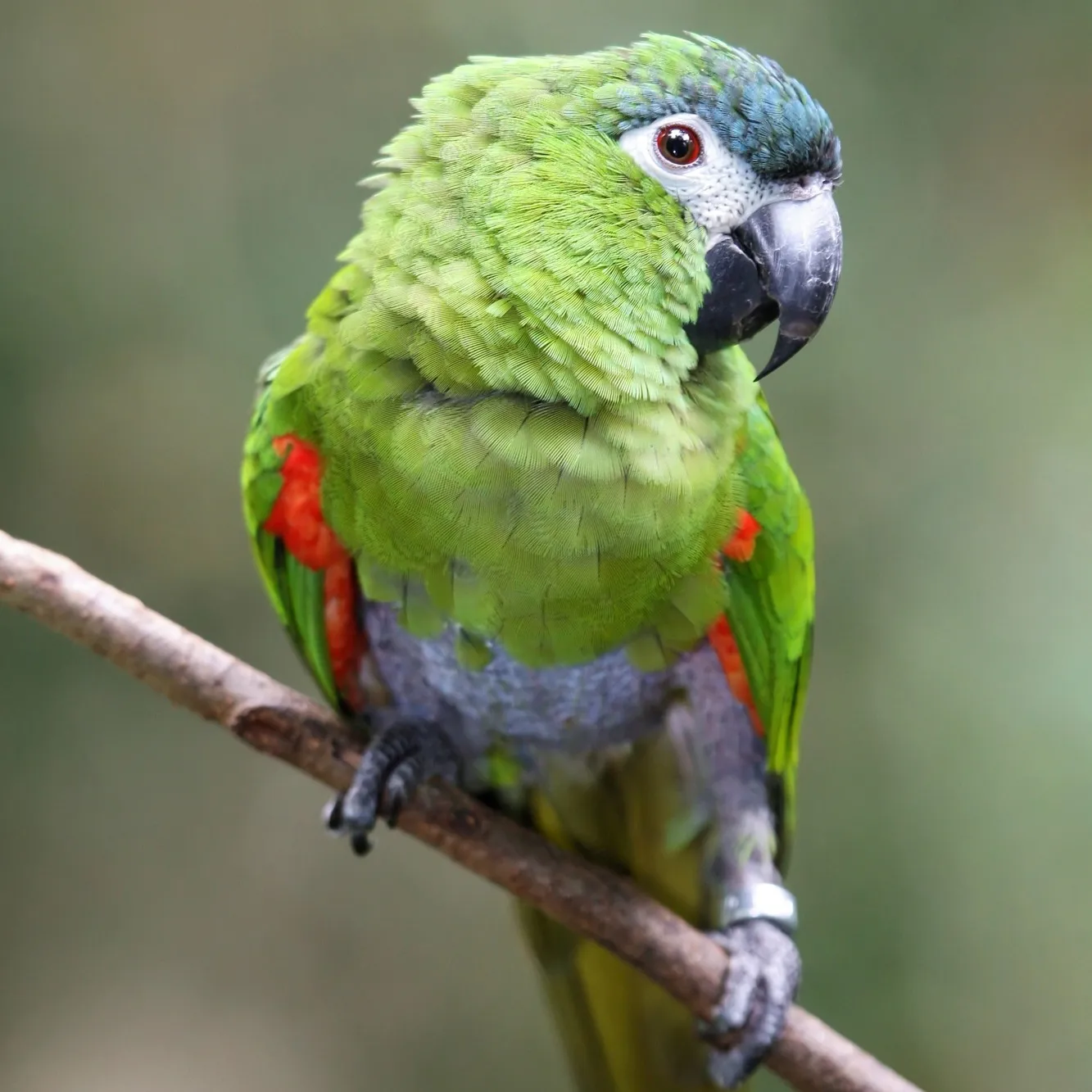
Blue-Headed Pionus vs Amazon Parrot
Blue Headed Pionus vs Amazon Parrot
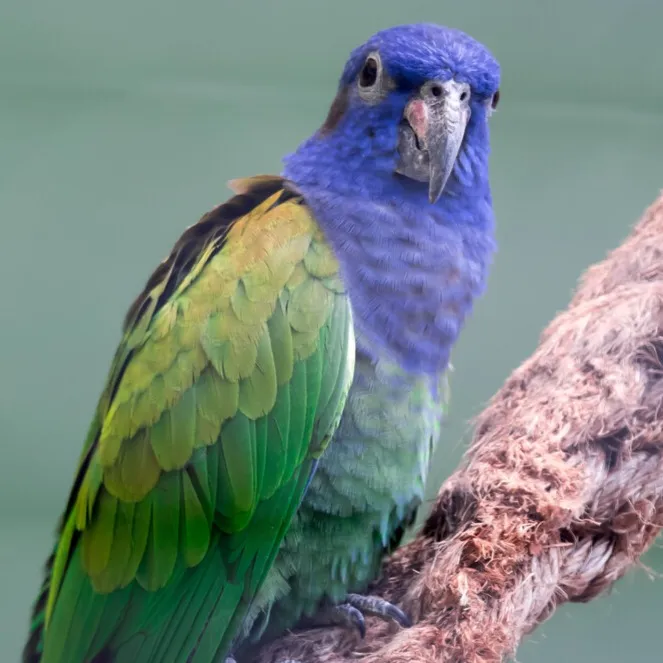
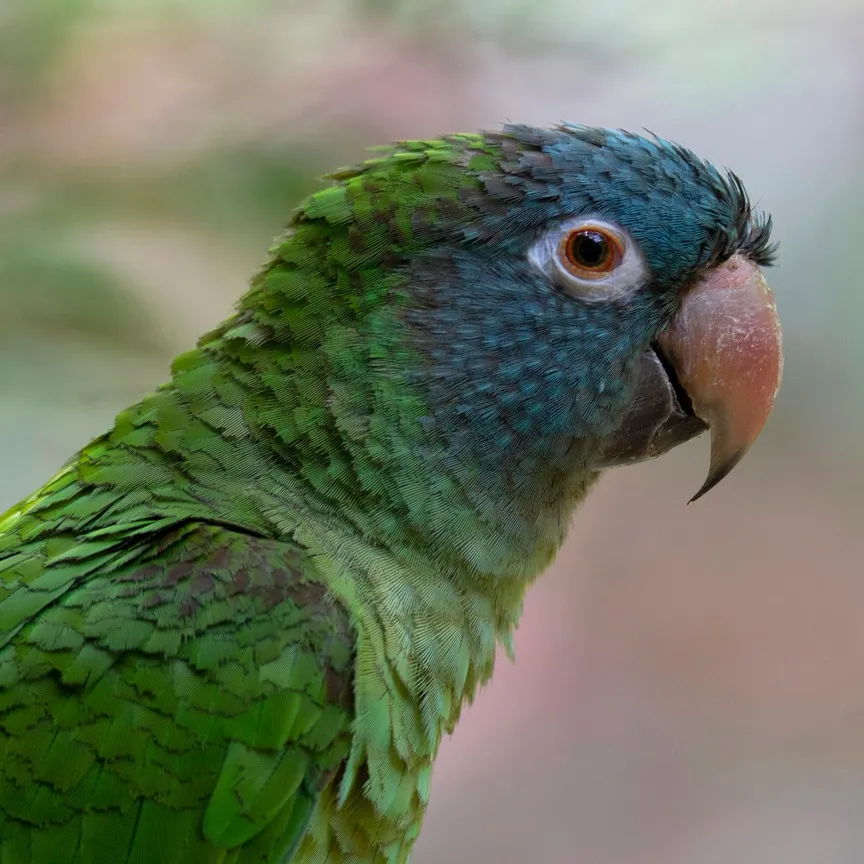
Blue-Headed Pionus
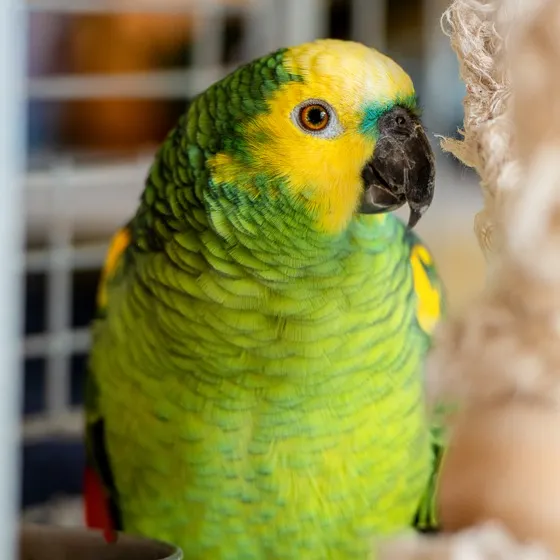
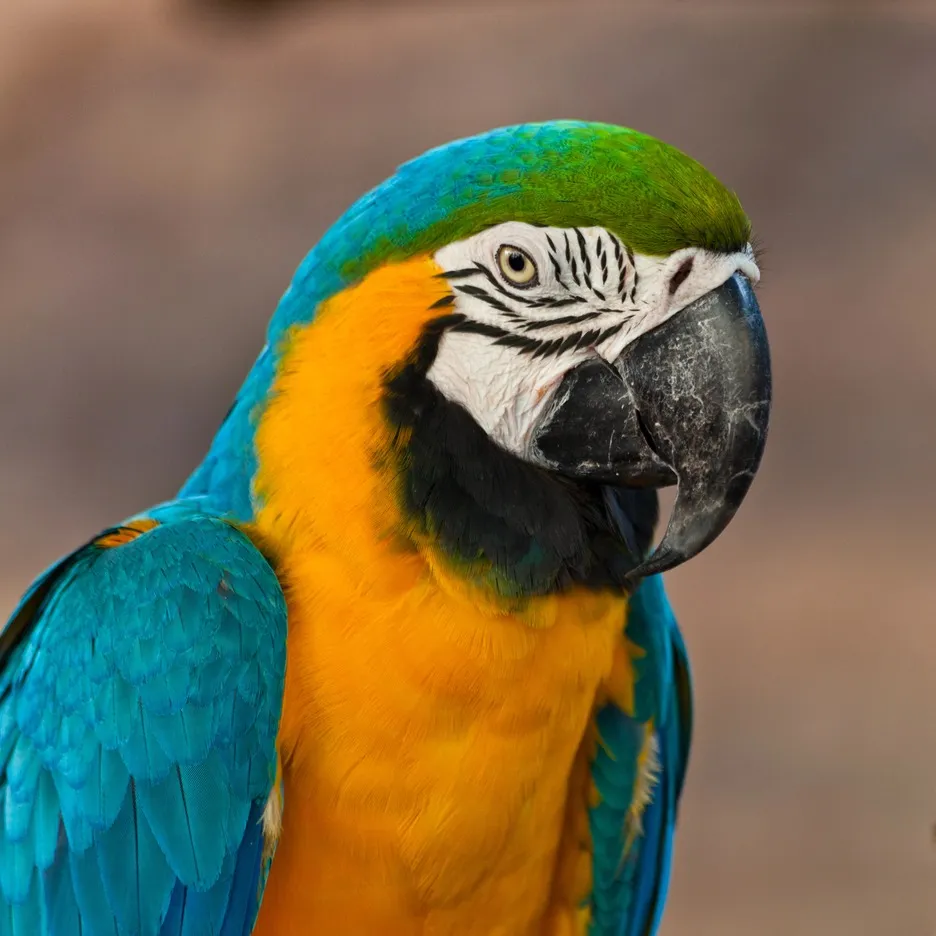
Amazon Parrot
Characteristics
Affection
Not Friendly
Super Friendly
Vocalization
Silent
Vocal
Intelligence
Low
High
Social Behavior
Prefer Isolation
Very Social
Affection
Not Friendly
Super Friendly
Vocalization
Silent
Vocal
Intelligence
Low
High
Social Behavior
Prefer Isolation
Very Social
Basic Information
Avg Monthly Expenses
₹2,500
Basic
₹3,500
Premium
Classification
Psittaciformes
Life Expectancy
25 - 40 years
Ideal Weather
18º - 30º celsius
Maintenance
Moderate
Size
Medium
Avg Monthly Expenses
₹2,500
Basic
₹3,500
Premium
Classification
Psittaciformes
Life Expectancy
40 - 60 years
Ideal Weather
20º - 30º celsius
Maintenance
High
Size
Medium
Overall Summary
Overall Summary
Frequently Asked Questions
Are Blue-Headed Pionus good pets?
Yes, they are gentle, quieter parrots, making them suitable for families and apartment living.
Can Blue-Headed Pionus talk?
Yes, but they are not strong talkers. They may learn a few words or phrases with consistent training.
How long do Blue-Headed Pionus live?
They can live 25–40 years with proper care.
Are they noisy?
No, they are quieter than most parrots, though they may squawk occasionally.
What do Blue-Headed Pionus eat?
A balanced diet of pellets, fruits, vegetables, and limited nuts/seeds.