
Home
/
Bird species
/
Blue-Headed Pionus
Blue-Headed Pionus
Origin
South America
Central America
Size
Medium Breed
Ideal Weather
18º-30ºC
Avg Monthly Expenses
₹2,500
Basic Lifestyle
₹3,500
Premium Lifestyle
Top 5 Traits
Friendly
Intelligent
Playful
Curious
Gentle
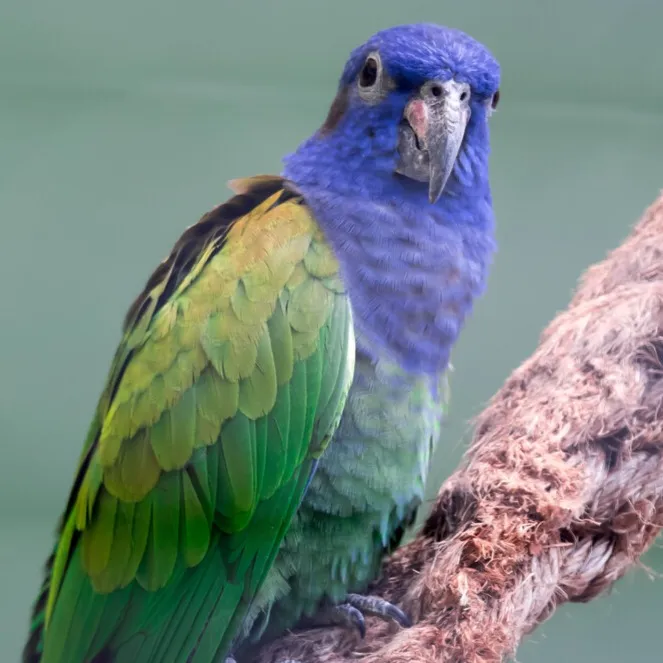
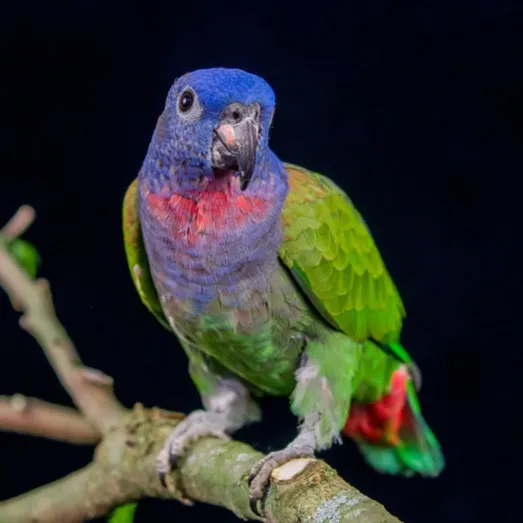
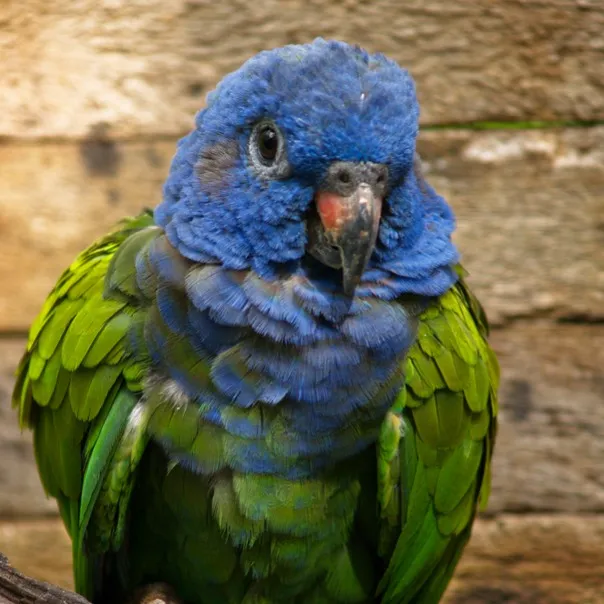

by Happy Pet TeamUpdated on 22 Sept 2025
Introduction to Blue-Headed Pionus
Blue-Headed Pionus, also known as Pionus Menstruus is a medium-sized parrot. They have a vibrant blue head with a green colored body. They are known to be gentle, calm and loved by many bird enthusiasts.
Characteristics
Affection
Not Friendly
Super Friendly
Vocalization
Silent
Vocal
Intelligence
Low
High
Social Behavior
Prefer Isolation
Very Social


Nutrition Guidelines for Blue-Headed Pionus
Monthly Food Expenses
₹1,500 - ₹ 2,000
Ideal weight
200 - 250 grams
Essential Nutrients
Protein
Carbohydrates
Fats
Vitamins
Minerals
List of foods
Seeds
Nuts
Fruits
Vegetables
Legumes
Whole grain breads
Pellets
Blue-Headed Pionus requires a balanced diet that contains proteins, vitamins, minerals, and fats. Here is what you should focus on while designing a diet for your bird.
Foods that are harmful to Blue-Headed Pionus
Avoid anything with these ingredients
Avocado
Chocolate
Caffeine
Onions
Alcohol
Garlic
Xylitol
Just like how you got an idea of what all the food items should be fed to your pet bird. It is also essential to know what food items can cause harm to your pet. Here is a list of those food items that should be avoided-


Healthcare Guide for Blue-Headed Pionus
Avg Monthly Expenses
₹1,000 - ₹1,500
Recognising Stress
Feather Plucking
Tail Bobbing
Excessive Vocalization
Withdrawal or Hiding
Loss of Appetite
Repetitive Movements
Changes in Sleep Patterns
Common Health Issues
Psittacosis
Respiratory Infections
Fatty liver disease
Feather Plucking
Aspergillosis
Nutritional Deficiencies (e.g., Vitamin A deficiency)
Chlamydiosis
Energy Level
Medium
Preventative measure
Physical checkup every 6-12 months
Annual Blood Work
Annual Fecal Exam
Beak Assessment
Nail Trimming
Feather Assessment
Environmental Enrichment
Common Health Issues found Blue-Headed Pionus
- Obesity: This is one of the common health conditions found in these birds. It is caused due to feeding a high-fat, seed-based diet.
- Deficiency of Vitamin A: This deficiency affects the health of Blue-Headed Pionus badly.
- Aspergillosis: These birds are very much susceptible to respiratory disease.
- Pox Virus Infection: A significant disease primarily affecting imported birds.
- Sometimes stress also leads to hormonal change in the birds.
Prerequisites to pet a Blue-Headed Pionus
Time Commitment.
Noise Tolerance.
Living Space.
Stress-free Environment.
Ideal Habitat for Blue-Headed Pionus
Initial Setup Cost
₹4,000 - ₹ 6,000
Monthly Expenses
₹1,000 - ₹ 1,500
Essential Equipment
Bird Cage
Perches
Food/ water dishes
Toys and Enrichment
Cage Liner Paper
Mineral Block
Cage Cleaning Brush
Compatible mates
Pionus menstruus menstruus.
Pionus menstruus rubrigularis.
- Set up a cage which is 24x24x36 inches with plenty of space to fly around and flap their wings.
- Place some natural woods, branches and perches of different sizes.
- Provide ropes, swings and ladders for them to play around and keep them active.
- Give them toys like foraging puzzles, chewable woods and interactive toys to keep them mentally stimulated.
- They prefer a mild and indoor climate, so set up the cage where it is bright and maintain the temperature.
Written by
Happy Pet TeamAuthor
Team Happy Pet is a passionate collective of pet experts, enthusiasts, and advocates dedicated to sharing trusted and insightful content.
Our cont
Compare with similar breeds
Frequently Asked Questions
Are Blue-Headed Pionus good pets?
Yes, they are gentle, quieter parrots, making them suitable for families and apartment living.
Can Blue-Headed Pionus talk?
Yes, but they are not strong talkers. They may learn a few words or phrases with consistent training.
How long do Blue-Headed Pionus live?
They can live 25–40 years with proper care.
Are they noisy?
No, they are quieter than most parrots, though they may squawk occasionally.
What do Blue-Headed Pionus eat?
A balanced diet of pellets, fruits, vegetables, and limited nuts/seeds.