Home
/
Compare Bird Species
/
American Robin vs Red Lory
American Robin vs Red Lory
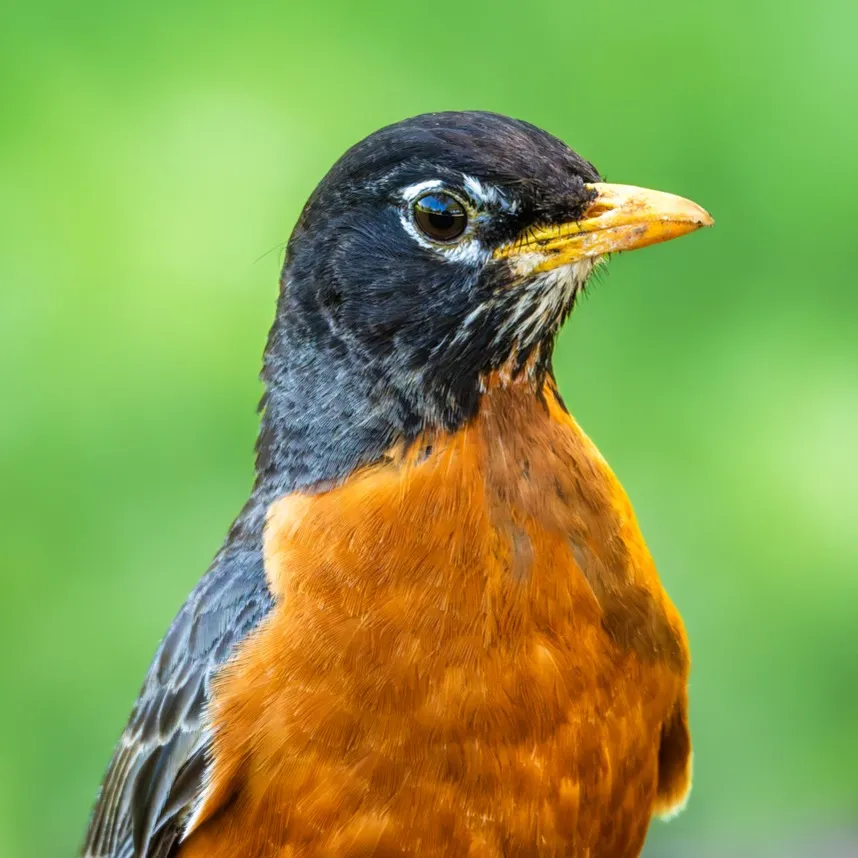
American Robin
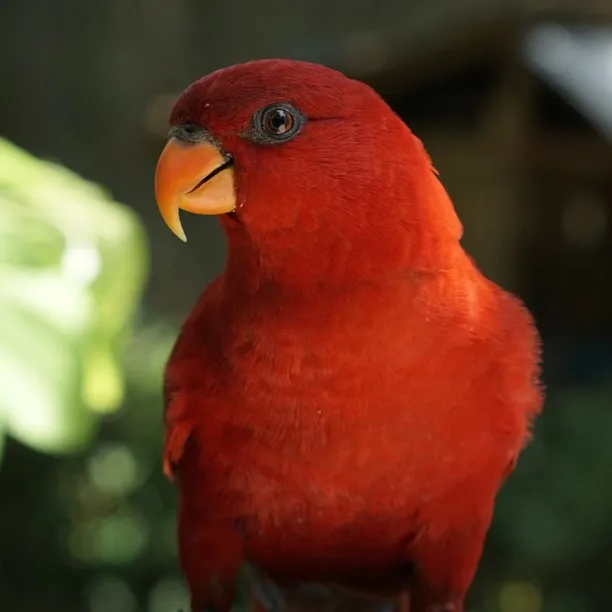
Red Lory
Characteristics
Affection
Not Friendly
Super Friendly
Vocalization
Silent
Vocal
Intelligence
Low
High
Social Behavior
Prefer Isolation
Very Social
Affection
Not Friendly
Super Friendly
Vocalization
Silent
Vocal
Intelligence
Low
High
Social Behavior
Prefer Isolation
Very Social
Basic Information
Avg Monthly Expenses
₹2,000
Basic
₹3,000
Premium
Classification
Passeriformes
Life Expectancy
2 - 5 years
Ideal Weather
4º - 26º celsius
Maintenance
Low
Size
Medium
Avg Monthly Expenses
₹2,500
Basic
₹3,500
Premium
Classification
Psittaciformes
Life Expectancy
15 - 30 years
Ideal Weather
18º - 30º celsius
Maintenance
High
Size
Medium
Overall Summary
Overall Summary
Frequently Asked Questions
Why are American Robins seen as a sign of spring?
Because their return north during migration often coincides with the start of spring.
Do American Robins migrate?
Yes, many migrate south in winter, though some stay year-round in warmer areas.
What do American Robin eggs look like?
They are sky blue and iconic in birdwatching culture.
Do American Robins sing?
Yes! Their song is a cheerful series of melodious whistles, often heard at dawn and dusk.
Can you attract robins to your yard?
Yes, by planting berry bushes, keeping lawns pesticide-free, and providing shallow birdbaths.