Home
/
Bird species
/
Red Lory
Red Lory
Origin
Indonesia
Size
Medium Breed
Ideal Weather
18º-30ºC
Avg Monthly Expenses
₹2,500
Basic Lifestyle
₹3,500
Premium Lifestyle
Top 5 Traits
Playful
Energetic
Social
Curious
Intelligent

by Happy Pet TeamUpdated on 17 Jun 2025
Introduction to the Red Lory
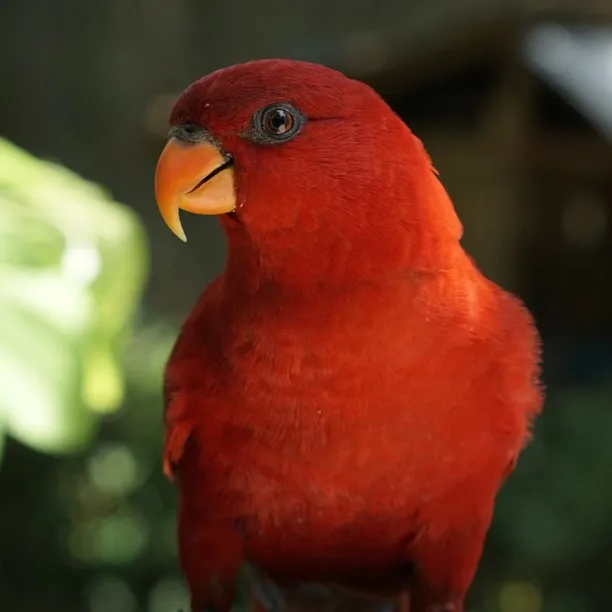
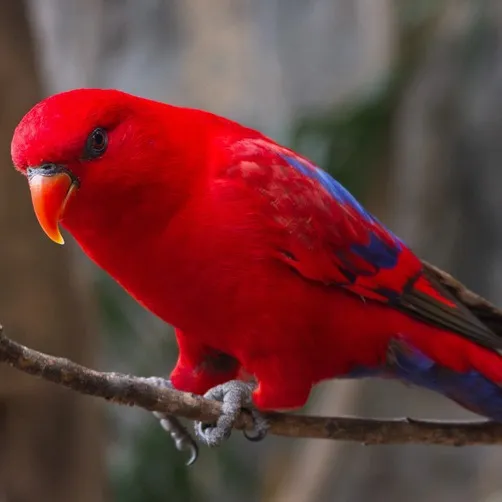
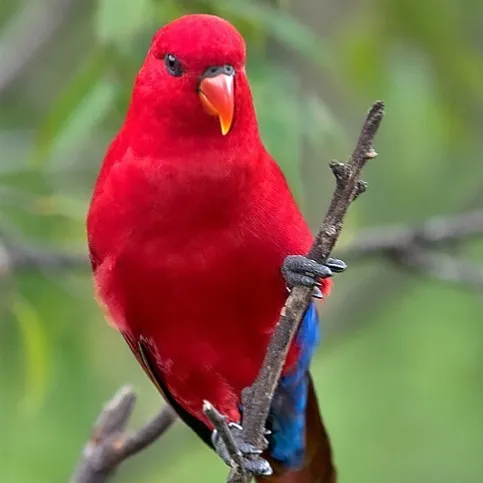
The Moluccan Lory ( Eos bornea ), more commonly known as the Red Lory, is among the most beautiful and active parrot species worldwide. Originating in the Maluku Islands (Moluccas) in Indonesia, this bright-red bird is renowned for being playful, having a brush-like tongue and very sloppy eating habits.
Described since the 1700s, these birds are widely seen in aviculture. Red Lories are the second most popular Lorikeet after the Rainbow Lorikeet.
They are also intelligent, mischievous and constantly on the move, which is why they are a favourite among seasoned bird keepers.
How Long Do Red Lories Live?
With good care, Red Lories may enjoy a life span of 20 to 30 years in captivity.
Red Lory Temperament and Personality
Red Lories are loud, lively and loving.
Here’s what to expect:
- Very social – They require attention and contact
- Mischievous – They love climbing, swinging and chewing
- High energy – They are easily bored and need to be stimulated regularly
- Chatty – Get ready to hear chirps, squeaks and loud voices
They make strong attachments with their humans but do not necessarily like being handled by unfamiliar people. Red Lories are ideal for those who are able to devote a few hours to them each day.
Red Lory Exercise Needs
These birds are constantly on the move! Their daily needs include:
- Minimum 3 hours out-of-cage time
- Large cage (at least 2m x 1.5m x 1m)
- Rotating toys to prevent boredom
- Safe free flight space for stretching wings
Without enough movement, they may pluck feathers or become aggressive.
Characteristics
Affection
Not Friendly
Super Friendly
Vocalization
Silent
Vocal
Intelligence
Low
High
Social Behavior
Prefer Isolation
Very Social


Nutrition Care for the Red Lory
Monthly Food Expenses
₹1,500 - ₹ 2,000
Ideal weight
170 - 190 grams
Essential Nutrients
Protein
Carbohydrates
Fats
Vitamins
Minerals
List of foods
Fruits
Vegetables
Pellets
Beans
Leafy Greens
Sprouts
- Birds require quality protein to make their muscles strong and to grow feathers.
- Essential fatty acids increase energy and make feathers lustrous.
- Essential nutrients help to maintain immunity, bones and joints.
- Fresh foods and moist foods assist in hydration and digestion.
- Shabby seed combinations should be avoided to avoid obesity and belly problems.
Feeding Guidelines for Red Lories
Chicks (Up to 10 Weeks): Chicks should be hand-fed on a nectar formula every several hours. Slowly wean within 6-10 weeks with gradual feeding of the adult meal.
Adults (1–10 Years): Give 8-16g per day of commercial lory dry nectar mix per 100g of body weight. Use fruits and veggies as a supplement. Wet foods should be changed at least two times a day.
Seniors (10+ Years): Serve small meals more regularly. When chewing is difficult, select softer food. Be careful about weight and appetite.
Best Foods for Red Lories
The best combination is wet and dry formulas of nectar and fresh fruit. Here are some ideal choices:
- Wombaroo Lorikeet and Honeyeater Food is an established brand that provides balanced nutrition as a daily food.
- Passwell Complete Lorikeet maintains good feathers as well as facilitating smooth digestion.
- Psittacus Lory Gel can be served easily and is formulated to be mild to the digestive process of a lorikeet.
Combine it with fruit such as berries, bananas, grapes and melons. Stay away from sweet packaged juices.
Foods to Avoid for Red Lories
Avoid anything with these ingredients
Alcohol
Avocado
Caffeine
Onions
Garlic
Chocolate
Raw beans
There are many common foods that are dangerous for Red Lories:

- Avocados are extremely toxic and it should never be served to any species of parrot.
- Even minute quantities of chocolate and caffeine are deadly.
- Nectar-eating birds such as lorikeets do not digest seeds and nuts.
- Onions and garlic destroy red blood cells and may cause severe diseases.
- Citrus fruits contain too much acid and they can disrupt the digestive system of your bird.

Healthcare for the Red Lory
Avg Monthly Expenses
₹1,000 - ₹1,500
Recognising Stress
Feather Plucking
Tail Bobbing
Excessive Vocalization
Aggression
Withdrawal or Hiding
Repetitive Movements
Loss of Appetite
Common Health Issues
Psittacosis
Respiratory Infections
Feather Plucking
Psittacine Beak and Feather Disease (PBFD)
Aspergillosis
Candidiasis
Nutritional Deficiencies (e.g., Vitamin A deficiency)
Energy Level
High
Preventative measure
Physical checkup every 6-12 months
Annual Blood Work
Beak Assessment
Nail Trimming
Feather Assessment
Environmental Enrichment
Mental Stimulation
Physical Stimulation
Common Health Problems of Red Lories
Lories are generally healthy, but they need regular veterinary care due to their sensitive diet and active lifestyles.
- Hemochromatosis – Iron overload in the liver. Frequent in softbills; do not feed on iron sources such as grapes and raisins.
- Crop infections – As a result of spoiled nectar foods. Wet food should always be discarded within 2 hours before bacteria develop.
- Psittacine Beak and Feather Disease (PBFD) – Viral and untreatable. It causes immune suppression and feather loss; isolate infected birds.
- Liver disease – Frequently due to the wrong diet. Associated with too much fat or toxins; provide a balanced, low-fat diet.
- Gout – Associated with dehydration or poor protein balance. Make clean water available and limit foods high in purine.
General Healthcare Tips for Red Lories
- Feed them clean, filtered water daily and clean all food and water dishes in order to prevent bacterial growth.
- Avoid a wet or poorly ventilated cage, which can result in respiratory infections due to mould or moisture.
- Birds are sensitive, hence when they are exposed to harsh temperature changes, they become susceptible to illnesses.
- Give safe toys that are made out of wood so that there is mental stimulation, and all beak trimming goes well naturally.
- Follow a steady feeding pattern in order to have proper digestion and a regular routine.
Prerequisites to pet a Red Lory
Time Commitment.
Noise Tolerance.
Living Space.
Enrichment Activities.
Ideal habitat for the Red Lory
Initial Setup Cost
₹2,500 - ₹ 3,000
Monthly Expenses
₹1,000 - ₹ 1,500
Essential Equipment
Bird Cage
Perches
Food/ water dishes
Cage Liner Paper
Bird Bath
Cage Cleaning Brush
Toys and Enrichment
Compatible mates
Black-capped Lory.
Blue-streaked Lory.
Violet-necked Lory.
Chattering Lory.
- Large cage (at least 36″×24″×36″) with ½″ bar spacing for climbing and wing-flapping.
- Plenty of toys for chewing and shredding—rotate often.
- Flat, easy-to-clean surfaces, as they often have messy liquid droppings.
- Bright, active spot, away from drafts, with 10–12 hrs of UV or natural light.

Written by
Happy Pet TeamAuthor
Team Happy Pet is a passionate collective of pet experts, enthusiasts, and advocates dedicated to sharing trusted and insightful content.
Our cont
Compare with similar breeds
Frequently Asked Questions
Do Red Lories need water if they eat nectar?
Yes. Always give fresh drinking water in combination with their diet of nectar.
Can Red Lories talk?
They are loud and vocal, yet cannot imitate human speech well.
Are Red Lories good for beginners?
No. They require a more experienced owner because of their particular diets, messiness, and loudness.
How often do Red Lories poop?
Every 15-20 minutes, because of their liquid diet, you will have to clean frequently!