Understanding If Your Dog Is a Healthy Weight
As a dog parent, you want your furry friend to live a long, healthy life. One simple but often overlooked way to help is keeping them at a healthy weight. Here’s how to tell if your dog is overweight and easy tips to keep them fit and happy.

Social share
Or copy link
https://www.happypet.care/media/blogs/parenting/understanding-healthy-weight-for-dogs
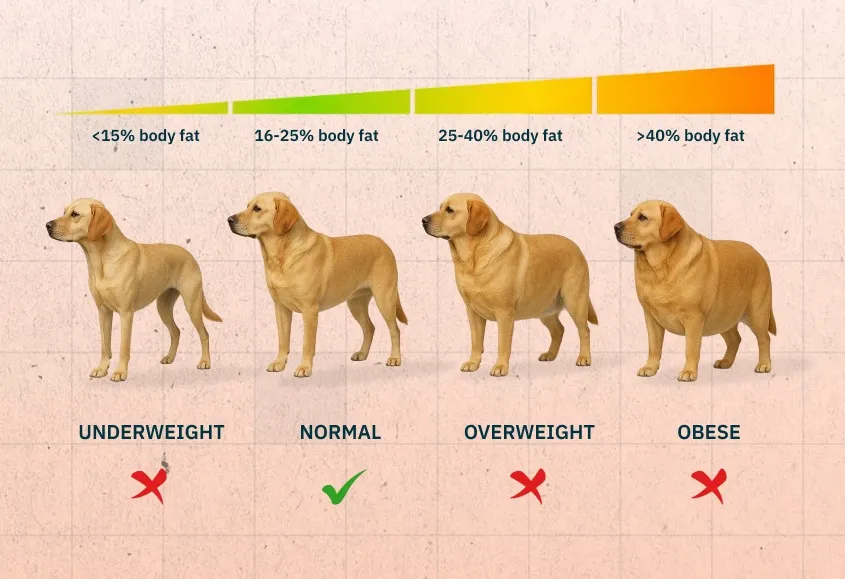
As a dog parent, your goal is for your furry friend to live a long, happy, and healthy life. One of the most simple ways to help this happen often goes unnoticed - holding your dog to a healthy weight.
Whether you worry that you're not sure if your dog is overweight or just want to check that your pooch is in the best weight range, this guide will help you understand what a healthy dog weight looks like, why it matters, and how to maintain a healthy weight with balanced nutrition and exercise.
Why Your Dog's Weight Matters
Your dog's weight affects much more than looks - it's directly related to their health, mobility, and energy. Overweight dogs are at risk for joint issues, diabetes, and heart disease, while underweight dogs are at risk for low immunity and lack of energy.
Keeping your dog at a healthy weight allows your furry friend to move freely, stay active, and live many years of fun, cuddles, and tail wags.
Signs Your Dog Is An Ideal Weight
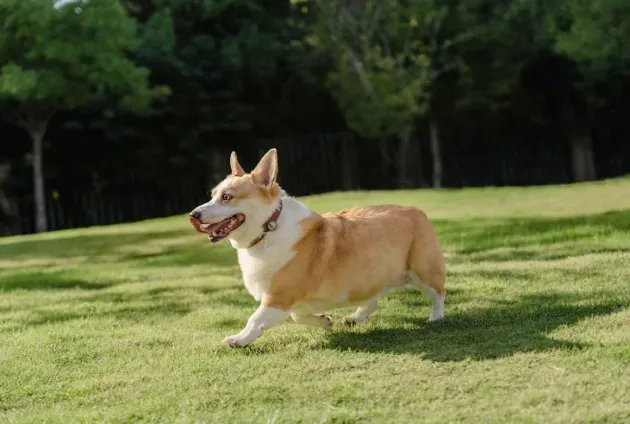
You Can Easily Feel Their Ribs
An easy evaluation of your dog’s condition is called the “rib test.” Just gently feel along their side, and you should feel ribs without having to push hard. They should not be prominently visible sticking out. If you cannot feel them at all, then your dog may be overweight.
You See Their Waist
When you look at your dog from above, you should see a little inward curve behind their ribs. When viewed from the side, their tummy should lift up (the tuck) rather than hang down. If you see no waist or your dog has an overall rounded shape, then they are likely overweight.
They Have Consistent Energy and Movement
An ideal weight dog should have a balanced energy level. They should be eager to play, go for walks, and be active without tiring out too soon. If your dog seems slow or heavy breathing without being active or shies away from activity, then their extra weight is likely the issue.
Their Collar or Harness Fits the Same
Has your dog’s collar become tight fitting? Or does their harness seem loose? Typically, these fitting changes are noticed before any of the bodyweight changes. So these are an observation typically before you notice a significant weight change.
Typical Causes of Weight Gain in Dogs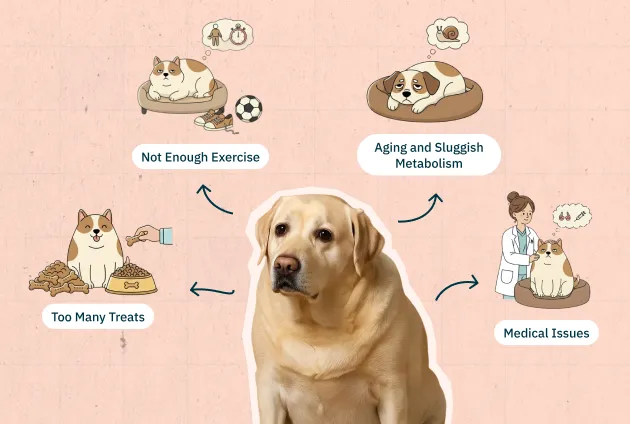
Recognizing what leads to your dog's weight issues is the first step to ensuring you can take action as soon as possible.
Too Many Treats or Overfeeding
It is easy to spoil our dogs.But a few treats here and there can quickly add up and before you know it, it's past the serving amount. Keep in mind the serving amounts of food and you can save the treats for training.
Not Enough Exercise
Dogs require regular exercise to burn calories and stay strong. A simple daily exercise, like a 30-minute walk, a little fetch, or concurrent playtime can make a big difference.
Aging and Sluggish Metabolism
As dogs get older, their metabolism slows. Thus they burn fewer calories. The simple solution is to reduce the food portions if necessary, and add a little gentle exercise to their routines to help stabilize their weight.
Medical Issues
If there have been sudden changes in your dogs weight, you need to consult a veterinarian as quickly as possible. It could be potential issues with their thyroid, diabetes, digestive issues, etc.
How to Maintain a Healthy Weight for Your Dog
Select the Correct Food
Feed high-quality food for your dog breed, size, and age that’s high in protein, and that contains few fillers like corn or sugar.
Measure Your Dog's Meals — Don't Make an Estimate
Measure your dog’s meals with a measuring cup or weighing scale instead of free-choice feeding. A plan approved by your veterinarian will keep you from inadvertently overfeeding your dog.
Consistency of Exercise is Key
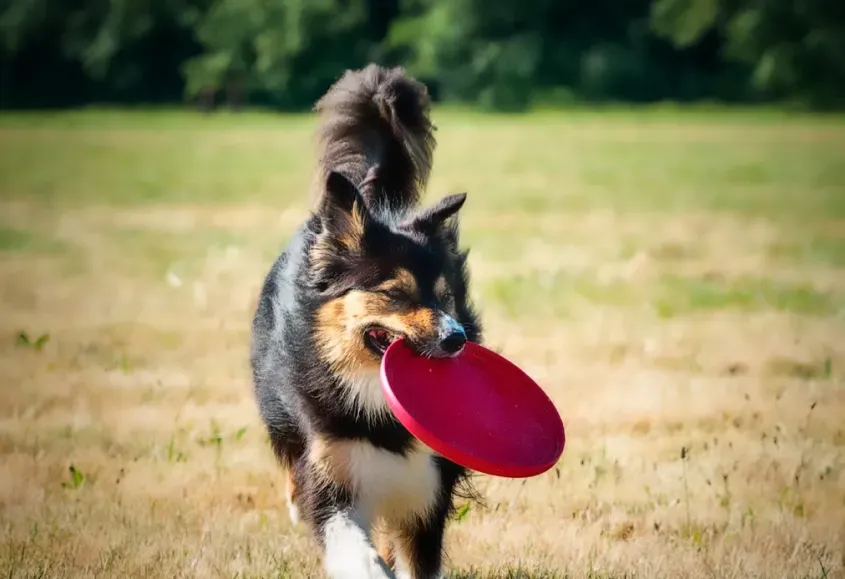
Daily walks, retrieving activities, and indoor play are all great ways to keep your dog active. Add puzzle toys or agility activities for mental stimulation.
Monitor Your Dog's Progress Over Time
Once a month weigh your dog or take photographs of your dog to see any change. Consistency in tracking can allow you to make small adjustments before problems become serious.
Use Healthy Alternatives for Treats
Use a low-calorie treat or something natural such as carrot sticks or slices of apples. These treats are tasty, crunchy, and easy to recommend!
Healthy Dog Weight Chart (General Guide)
Every breed and body type is unique, but here’s a quick reference for small, medium, and large dogs:
(Always check with your vet for your dog’s ideal weight range — this chart is only a general guide.)
When to Visit the Veterinarian
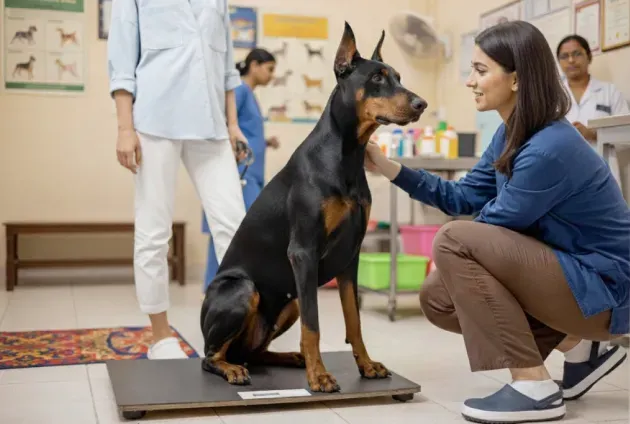
Make an appointment if there’s an abrupt change in your dog's appetite, behaviour, or body shape. The veterinarian can help you to monitor your dog’s body condition, nutritional needs, and early signs of health issues during routine appointments. The veterinarian can also provide a dog weight management program to ensure the proper balance of nutrition versus activity.
Conclusion
Keeping your dog at a healthy weight isn’t about being perfect — it’s about small daily choices. An active, well-fed dog is happier, more playful, and confident. So every treat you skip or walk you take today shapes your dog’s tomorrow.
written by
Gautami A RAuthor