Home

/

Dog Breeds

/

Russian Toy

Origin

🇷🇺

Russia

Size

Small Breed

Ideal Space

Apartment

Ideal Weather

18º-25ºC

Life Expectancy

12-14 years

Cost of buying

₹ 30,000 - ₹ 60,000

Top 5 Traits

Energetic

Loyal

Intelligent

Playful

Fearless

Avg Monthly Expenses

₹ 2,200 - ₹ 3,750
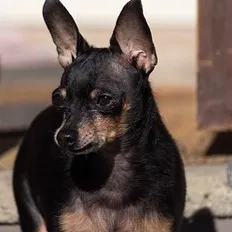
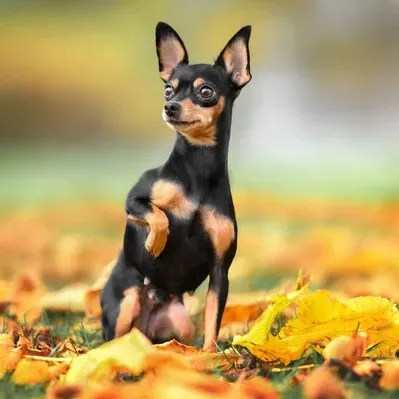
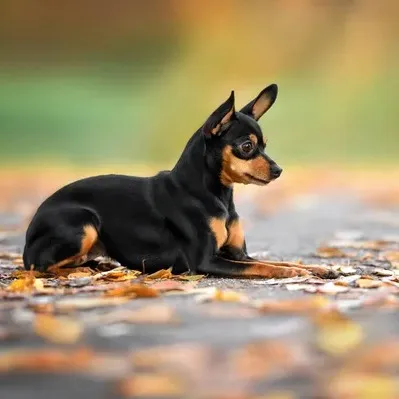
A small black and tan Russian Toy dog with large ears looks to the left
written by image

by Happy Pet TeamUpdated on 5 Aug 2025

Brief Introduction To Russian Toy Dog Breed

Russian Toy is a toy breed popular in the Russian aristocracy for a long time. They are companion dogs also known as ‘Russian Toy Terrier’ and in Russian as ‘Russkiy Toy’. They have a charming personality and they thrive on human companionship. They are an energetic toy breed who gets along with people of all ages. Let us learn more about their origin and history in the next section.

Origin & History of Russian Toy Terrier Dog

The Russian Toy’s history goes back to the 18th century originating from the English stocks where the English Toy Terriers arrived in Russia. These dogs became quite popular among the elites and socialites as a status symbol. They gained popularity as a small-sized dog with a lively temperament. In Russian they were simply called ‘Russkiy Toy’. They became very popular among the upper class and were looked at as an accessory who were often taken to the social events and operas. However, their breeding came to halt during the Russian Revolution in 1971 and their fate was uncertain. After the death of Stalin, a dedicated effort was made to restore this breed in several regions of Russia including Moscow, Leningrad, Sverdlovsk, and Irkutsk. Luckily, this breed was gradually increased in number by crossing with local small breeds. 

Life expectancy of Russian Toy

A Russian Toy Terrier can live anywhere from 12 to 14 years. With good care, medical attention, balanced diet, exercise and proper lifestyle they can outlive their peers. 

Physical traits & characteristics of Russian Toy

  • The Russian Toy breed is one of the smallest dog breeds.
  • They weigh from 1.5 kg to 4 kg.
  • The average height of a Russian Toy can be 20 to 28 cm.

The full breed standard given by the American Kennel Club.

Temperament of Russian Toy Dog

  • They are active, cheerful and thrive on human companionship.
  • Even though they get along with family members, they can be wary of strangers. So early socialisation is necessary. 
  • Start the training at an early stage for them to behave properly.

Characteristics

Barking

Quiet

Loud

Temperament with Kids

Aggressive

Friendly

Playfulness

Silent

Very Playful

Friendliness

Not Friendly

Super Friendly

Compatibility with other dogs

Aggressive

Friendly

Need for attention

Independent

Very Needy

Monthly Expenses

about image

What is the price of a Russian Toy Dog?

Cost of buying

₹ 30,000 - ₹ 60,000

The average Russian Toy dog price can vary from ₹ 30,000 to ₹ 60,000 in India. The cost depends on factors like breed, lineage, and health conditions. Several factors should be considered while purchasing a Russian Toy puppy-

  1. The most essential thing when purchasing a pet is choosing a trustworthy breeder. Ensure that any breeder treats the dogs appropriately and follows the moral breeding procedure.
  2. Ask your breeder to provide health certificates and lineage papers to ensure that the dog is healthy and purebred. Visit the kennel to confirm that there is no inbreeding taking place.
  3. The puppy cost depends on many variables like ancestry, the possibility of show quality, and the breeder's reputation.

Adopt

There is another way to get a puppy home, i.e., to adopt.

  1. Give a homeless pet all the love with adoption. Maybe breed-specific rescues, a local animal shelter, or other rescue groups have a puppy up for adoption.
  2. Adoption fees usually cover vaccinations, spaying/neutering, and initial medical care. These fees vary, but they are generally lower than they would be to buy from a breeder.


Here are some of the breeds that are similar to the Russian Toy dog-

Yorkshire Terrier | Chihuahua | Miniature Pinscher |

Prerequisites to pet a Russian Toy

Access to Groomer

Access to Veterinary

Appropriate Climate

Lifestyle Compatibility

Financial Capability

Are you ready to get a Russian Toy home?

Research: Do thorough research about the breed, its requirements, health issues, temperaments, traits, and compatibility. See if the dog breed is a good fit for your lifestyle.


Find reputable sources: Before buying a puppy, look for a trustworthy breeder who practices ethical breeding. Also, check out the local rescues or shelters if you are planning to adopt.


Visit breeder/adoption centers: Make a plan to visit the kennels or adoption centers before going to buy or adopt the dog. Know about their behavior, health, immunization, history, and lineage.


Ask for documentation: Do not miss the health certification, vaccination record, and any other related documents from the breeder before buying the puppy. If you are adopting, make sure you inquire about the behavior and past and recent health conditions.


Prepare your home: You must make a comfortable living space for the dog before bringing it into your life. So, make sure you are well aware of the requirements, such as space, time, and commitment, needed to have a dog at home. Ensure you have enough supplies, grooming tools, a bed, a food bowl, and other necessities.

Nutritional Guide for Russian Toy Dog Breed

Monthly Food Expenses

₹ 1,200 - ₹ 1,800

Calories per day

Puppies: 450 kcal

Adults: 350 kcal

Essential Nutrients

Carbohydrates

Fats

Minerals

Omega3

Protein

Vitamins

Fibre

List of foods

Chicken

Dry Dog Food

Fresh Meat

Fresh Fish

Fruits

Vegetables

Home made meals

The Russian Toy dogs are small dog breeds that need a balanced diet to cater to all their energy requirements. Below are some of the essential guidelines for designing a diet for your dog.

  1. While designing a diet for your dogs, you have to keep in mind some important factors like their age, size, activity level, whether they are spayed/or neutered, and their health condition.
  2. Keep in mind that all the food that is fed to the Russian Toy should meet the AAFCO standards. This comprises all the nutrients that your dog needs.
  3. The food must contain proteins, carbohydrates, minerals, vitamins, and fiber in a balanced quantity to promote overall development and well-being.
  4. A proper schedule has to be maintained while feeding your dog. Make sure your dog is not overfed as this leads to obesity and related health issues, whereas less feeding results in inadequate nutrients.
  5. Consult your veterinarian first to know whether your dog is allergic to any food items. Make sure to come up with a diet that supports their health.

In this section, you understood the nutritional needs of your Russian Toy. In the next section, we shall have a look at the food items that can be fed to your dog.


Note: These are general guidelines. Consult a veterinarian to determine the specific dietary needs of your dog.

Breakdown of Macro-nutrients

How to choose the right food for your Russian Toy Dog?

  1. Chicken, lamb, fish, etc, are the sources of protein that promote muscle development and overall well-being.
  2. Vegetables like green beans, carrots, cucumber, spinach, celery, cabbage, etc, are sources of vitamins and minerals that are essential for dogs.
  3. Along with proteins and minerals, to cater to their daily energy needs, foods like brown rice, oats, barley, and ragi can be given. Ensure to feed them in an adequate quantity to prevent obesity and related health issues.
  4. Apples, bananas, pears, strawberries, blueberries, mangoes, etc, can provide antioxidants without any added sugar.
  5. Provide adequate water to your dog to keep them hydrated. This helps to maintain their body temperature and helps in smooth internal body functioning.

Now that you have an idea about the food that helps the overall development of your dog. As a pet parent, you should also know that some human food items are not suitable for dogs. In the next section, you will get a detailed idea of those items.

Foods that are toxic to Russian Toy

Avoid anything with these ingredients

Onions

Garlic

Alcohol

Almonds

Grapes

Avocados

Cherries

Dairy

  1. Steer clear of foods like chocolates, raisins, grapes, alcohol, avocados, etc, that can cause serious digestive issues and can be fatal at times.
  2. Avoid food items that have a high amount of oil and are overly processed, like fried food and mutton. This leads to obesity and long-term health issues.
  3. Some dogs are lactose intolerant, hence, you should make sure you are well aware of their allergies and do not feed them dairy products.
  4. Food that has an excessive amount of salt and sugar is to be avoided. This causes fluctuation in their blood pressure, and excessive sugar consumption can cause diabetes and other related health issues.

about image

Medical Care Guide To Russian Toy Dog Breed

Avg Monthly Expenses

₹ 300 - ₹ 750

Common Health Issues

Canine Influenza

Canine distemper

Heartworm

Panosteitis

Parasites

Leptospirosis

Lyme disease

Kennel Cough

Well being

Exercise

Bonding

Games

Socialization

Agility Training

Energy Level

High

Exercise routine

30 - 60 minutes

Recognising Stress

Changes in appetite

Excessive Barking

Pacing

Excessive Panting

Reluctance to move

Increased laziness

Decreased play

Some common health issues in Russian Toy Terrier

  1. Platellar Luxtation: The kneecap sits under the patellar ligament, linking the thigh muscles to the shin. As the thigh muscles contract, the kneecap moves in its groove to help straighten and stabilize the knee. The treatment depends on the severity of the condition.
  2. Hypoglycaemia: This is a condition where the small breeds like Russian Toy suffer from lower blood sugar. This metabolic disorder can show up in many ways, from mild symptoms you might barely notice to serious, life-threatening situations. Hypoglycemia can happen for a variety of reasons, depending on what's going on in the body.

Vaccination details

Growth Stage

Core Vaccines

6-8 Weeks

Canine Distemper, Parvovirus, Canine Influenza.

10-12 Weeks

Canine Distemper, Leptospirosis, Parvovirus, Kennel Cough.

14-16 Weeks

Canine Distemper, Rabies, Parvovirus, Lyme Disease.

12-16 months

Canine Distemper, Rabies, Parvovirus, Leptospirosis.

Annually

Canine Distemper, Rabies, Leptospirosis, Kennel Cough.

Guidelines To Care For Your Senior Russian Toy Dogs

As your dog ages, their food and medical needs change, and it becomes your duty to cater their needs to maintain a healthy lifestyle for them. Here are a few simple yet effective guidelines to take care of your senior Russian Toy dogs.

  1. Regular vet checkups help to detect any signs of ailments in your dog. So, make sure they are medically screened and ensure their health with a veterinarian's help.
  2. A balanced diet plays a crucial role in ensuring the good health of your Russian Toy. Their food requirements change as they age; hence, consult a vet before designing a diet for them.
  3. Provide a comfortable environment where they have access to all their needs at a nearby place to avoid unnecessary movement.
  4. Regular yet mild exercise is also very important for your dog to maintain good health. Take them on regular walks, and give them mild physical training every day. Remember that their stamina reduces as they age, so make sure you do not over-exert them.
  5. Last but very important factor is to keep them mentally stimulated. Engage them with interactive toys and puzzles and keep them socialized throughout to avoid boredom.


Important Note: This information is for general guidance only. Always consult a qualified veterinarian for personalized advice.

Grooming Guide For Russian Toy Dogs

Avg Monthly Expenses

₹ 700 - ₹ 1,200

Shedding Level

Low Shedding

Hygienic Checklist

Ear Cleaning

Nail Trimming

Teeth Care

Brushing

Bathing

Eye Care

Benefits of Grooming

Cleanliness

Odourless

Prevents Bad Breath

Prevents infections

Quality of life

Low Shedding

Russian Toy dogs have a short, thick coat that is relatively easy to maintain. Below are some tips that can help you in grooming your dog.


  1. Since Russian Toy dogs have a short coat, they are low-shedding and need moderate grooming efforts. Brush their coat regularly to maintain a shiny coat and to remove excessive hair.
  2. Bathing can be done as and when required. Make sure you consult with your veterinarian to know how often to bathe your dog and use mild shampoos or cleansers while bathing them.
  3. They have wrinkled skin, which is prone to infections. So, dry them thoroughly after the bath, as the residual moisture can cause fungus growth.
  4. Dental hygiene is equally important for your dog to prevent dental decay or any infections. So brush their teeth regularly using vet-recommended toothpaste. Remember not to use human toothpaste, as that can be poisonous to dogs.
  5. Ear cleaning is also a very important factor to keep in mind. This helps prevent any kinds of ear infections and maintains hygiene.
  6. Trim their nails if you find any overgrowth. This can help prevent discomfort in dogs.
about image
written by image

Written by

Happy Pet Team

Author

Team Happy Pet is a passionate collective of pet experts, enthusiasts, and advocates dedicated to sharing trusted and insightful content.

Our cont
 

Compare with similar breeds

hite Poodle close up looking forward outdoors in autumn

Poodle

Compare
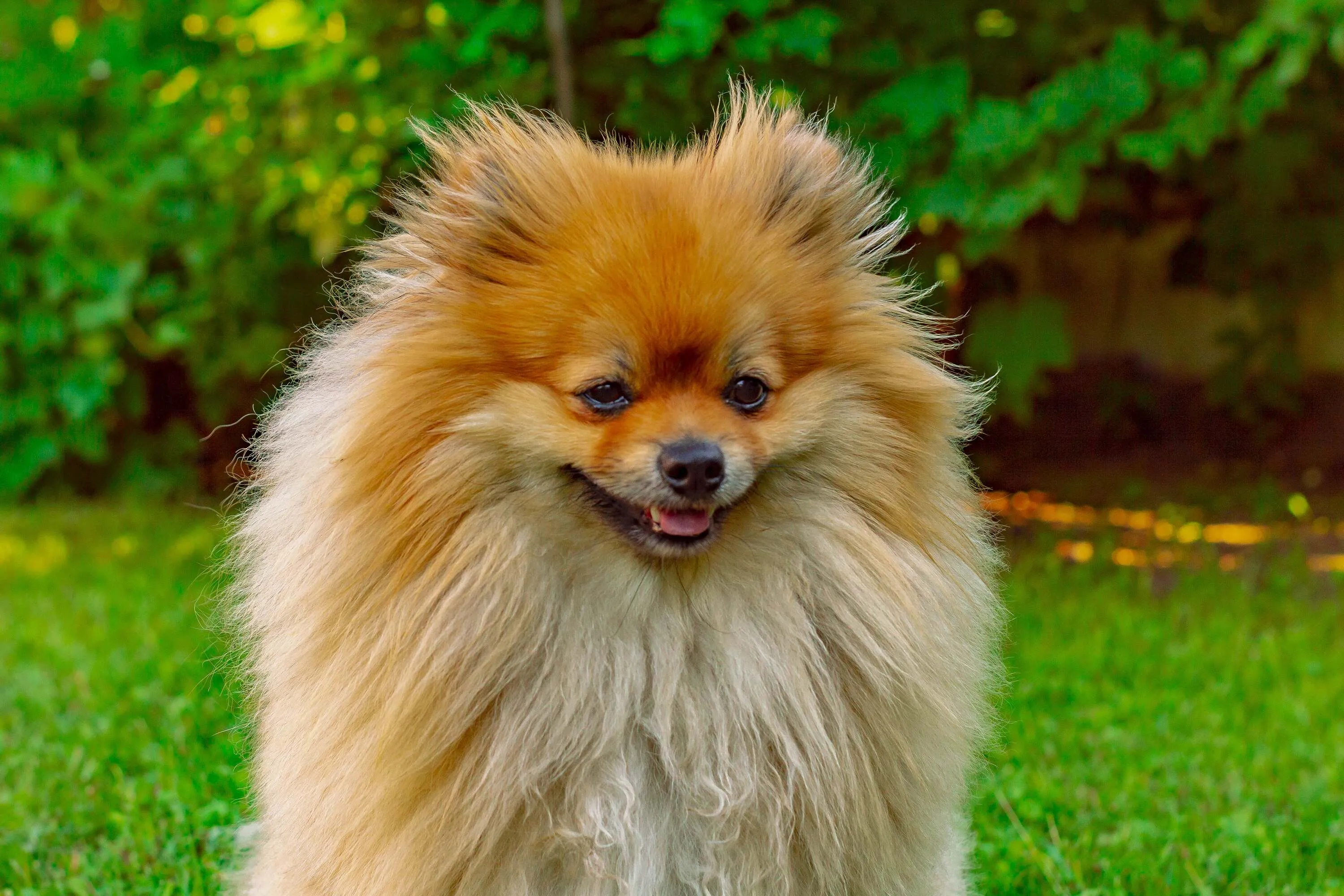
Fluffy brown Pomeranian dog head and shoulders looking forward with Bushes in background

Pomeranian

Compare
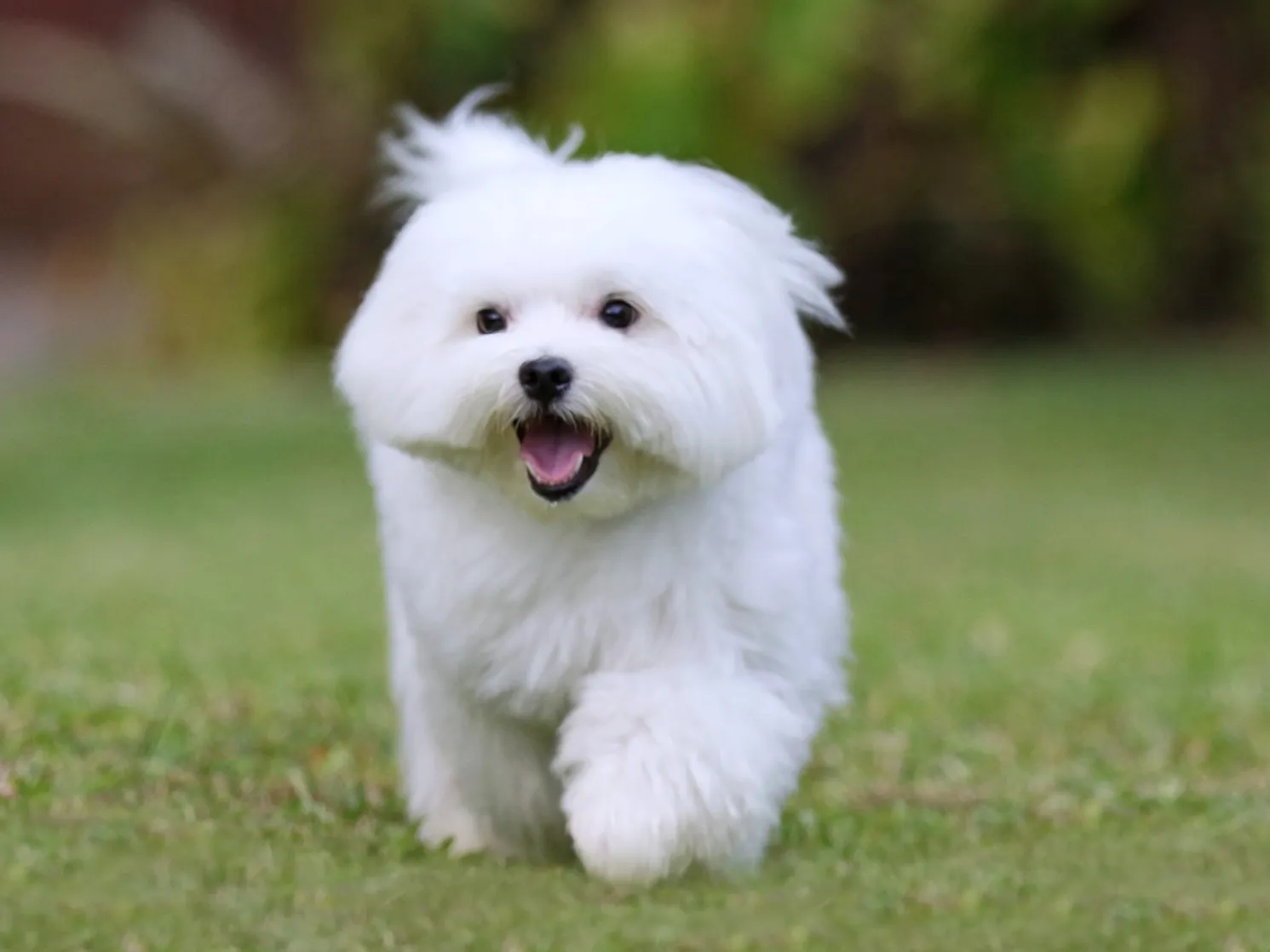
Small white fluffy Maltese dog with a happy expression running on green grass

Maltese

Compare
long haired Chihuahua dog sits in green grass looking forward with perky ears

Chihuahua

Compare

Frequently Asked Questions

Are there any special dietary needs for a Russian Toy?

Russian Toys require a balanced diet with high-quality protein, fats, and carbohydrates. Adjust portion sizes based on their activity level to prevent obesity.

What type of coat maintenance does a Russian Toy require?

The Russian Toy requires minimal grooming if smooth-coated, but regular brushing is needed for long-coated varieties. Regular ear cleaning, nail trimming, and dental care are also necessary.

Do Russian Toys have any common health issues?

Yes, common health issues include heartworm, Canine Distemper, and parasites. Regular vet check-ups are important.

Media & Resources about Dogs

dog refusing food

Why Do Dogs Eat Less in Summer? Causes, Signs & Practical Tips

17 Apr 2026

a happy dog and its owners

Communication Gaps in Pet Co-Parenting: How It Impacts Your Pet’s Health

15 Apr 2026

dog travelling in a train

Don’t Let the Heat Harm Your Pet: Smart Summer Travel Tips

14 Apr 2026

View All