Home
/
Compare Dog Breeds
/
Skye Terrier vs Pug
Skye Terrier vs Pug
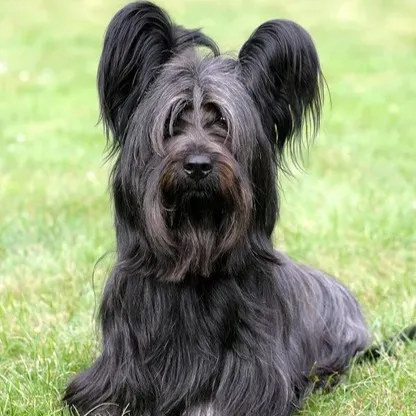
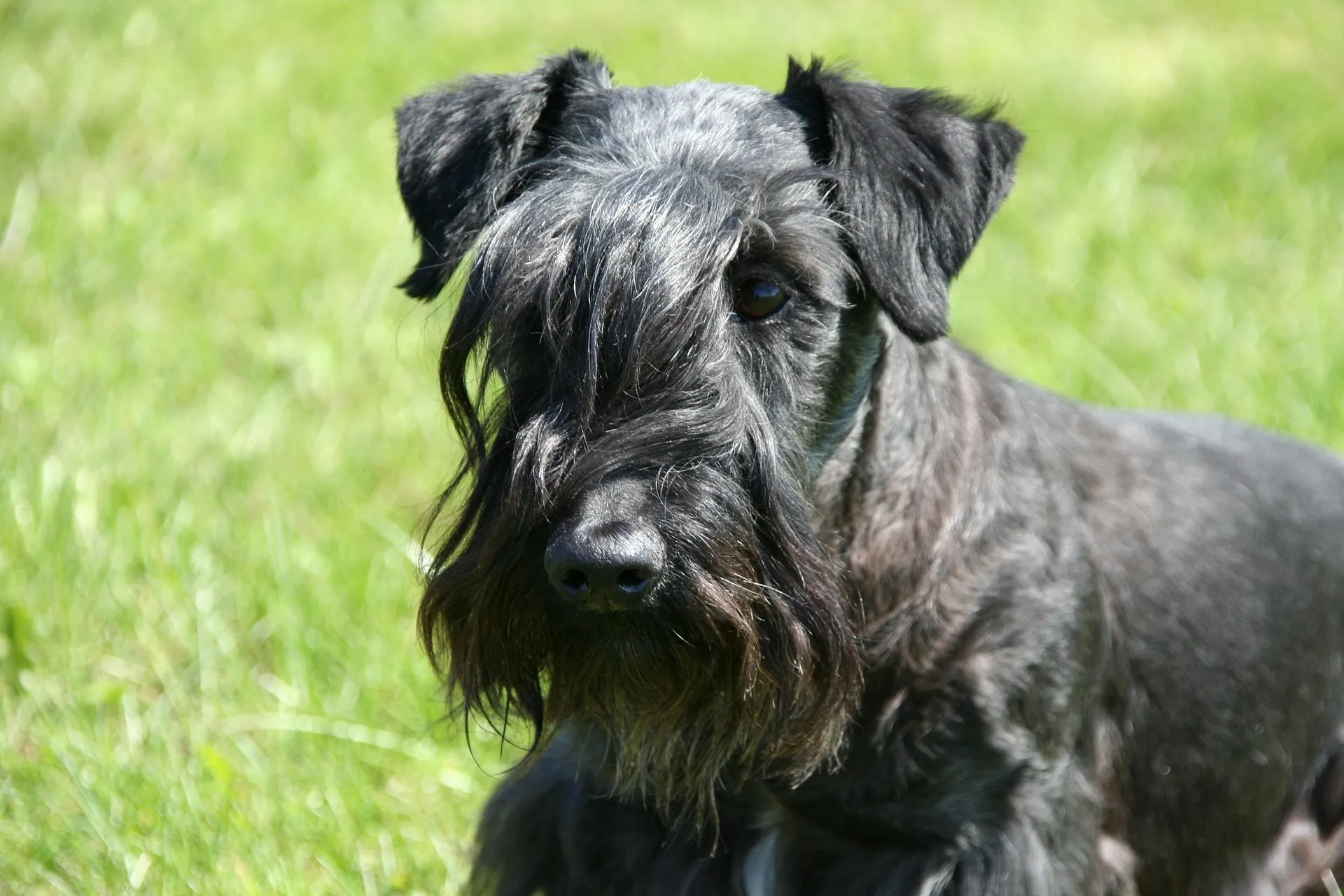
Skye Terrier
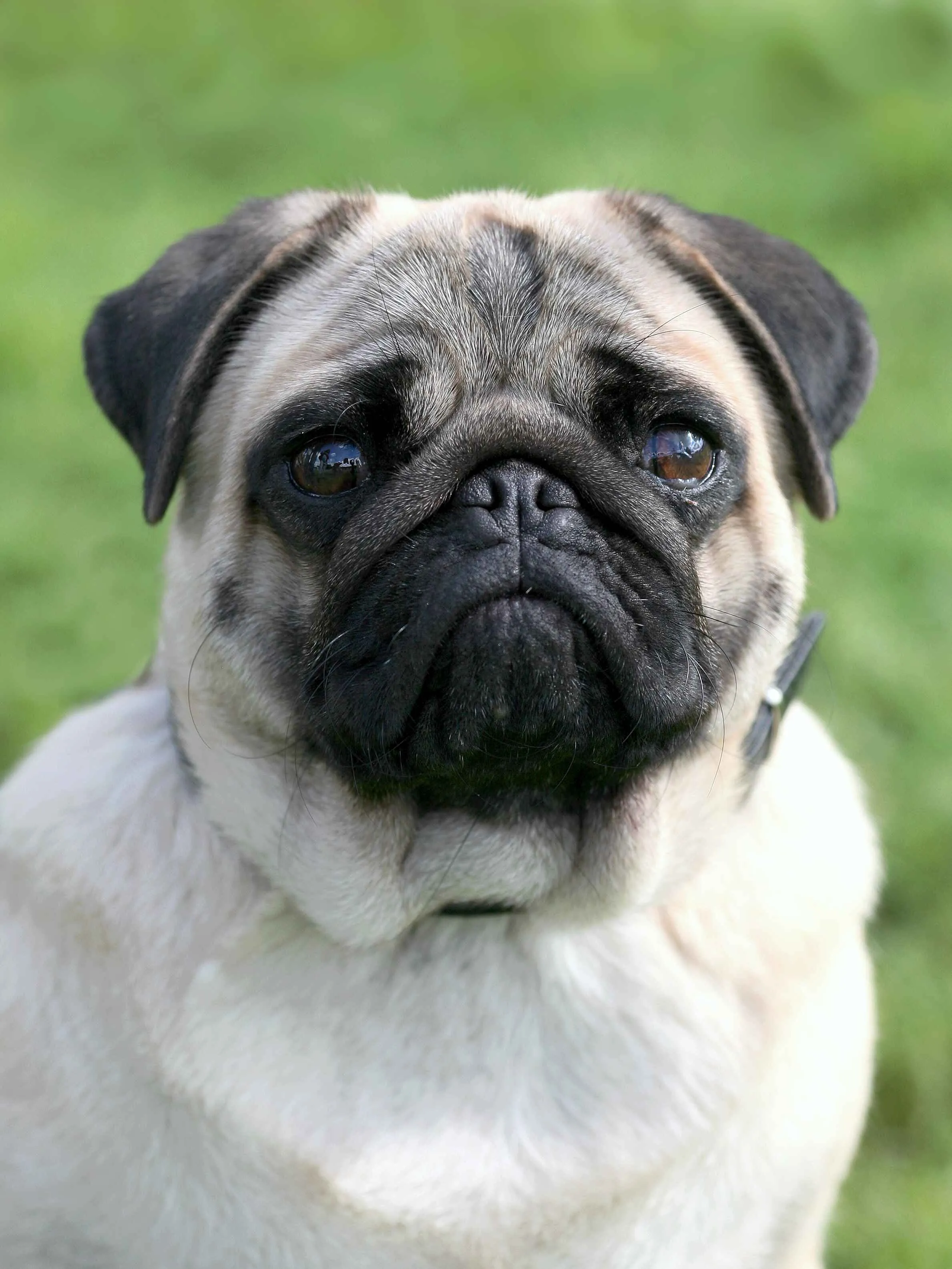
Pug
Characteristics
Barking
Quiet
Loud
Temperament with Kids
Aggressive
Friendly
Playfulness
Silent
Very Playful
Friendliness
Not Friendly
Super Friendly
Compatibility with other dogs
Aggressive
Friendly
Need for attention
Independent
Very Needy
Barking
Quiet
Loud
Temperament with Kids
Aggressive
Friendly
Playfulness
Silent
Very Playful
Friendliness
Not Friendly
Super Friendly
Compatibility with other dogs
Aggressive
Friendly
Need for attention
Independent
Very Needy
Basic Information
Avg Monthly Expenses
₹ 3,300
Basic
₹ 5,400
Premium
Life Expectancy
12 - 14 years
Size
Small
Group
Terrier
Suitable Climate
5º - 25º celsius
Ideal Space
Apartment
Exercise Required
30 - 60 minutes a day
Shedding Level
Moderate Shedding
Cost to buy
₹ 40,000 - ₹ 80,000
Avg Monthly Expenses
₹ 2,200
Basic
₹ 3,750
Premium
Life Expectancy
12 - 15 years
Size
Small
Group
Toy
Suitable Climate
15º - 24º celsius
Ideal Space
Apartment
Exercise Required
30 - 60 minutes a day
Shedding Level
Moderate Shedding
Cost to buy
₹ 10,000 - ₹ 50,000
Overall Summary
Overall Summary
Frequently Asked Questions
Are Skye Terriers hypoallergenic?
No, but their low-shedding coat produces less dander.
Best diet for allergy-prone Skyes?
Novel proteins like venison or duck in raw or limited-ingredient diets.
How to manage their stubbornness?
Use positive reinforcement; they respond poorly to harsh training methods.
Why are they rare?
Limited breeding due to niche popularity and strict FCI/AKC standards.