Home
/
Compare Dog Breeds
/
Greyhound vs Alaskan Malamute
Greyhound vs Alaskan Malamute
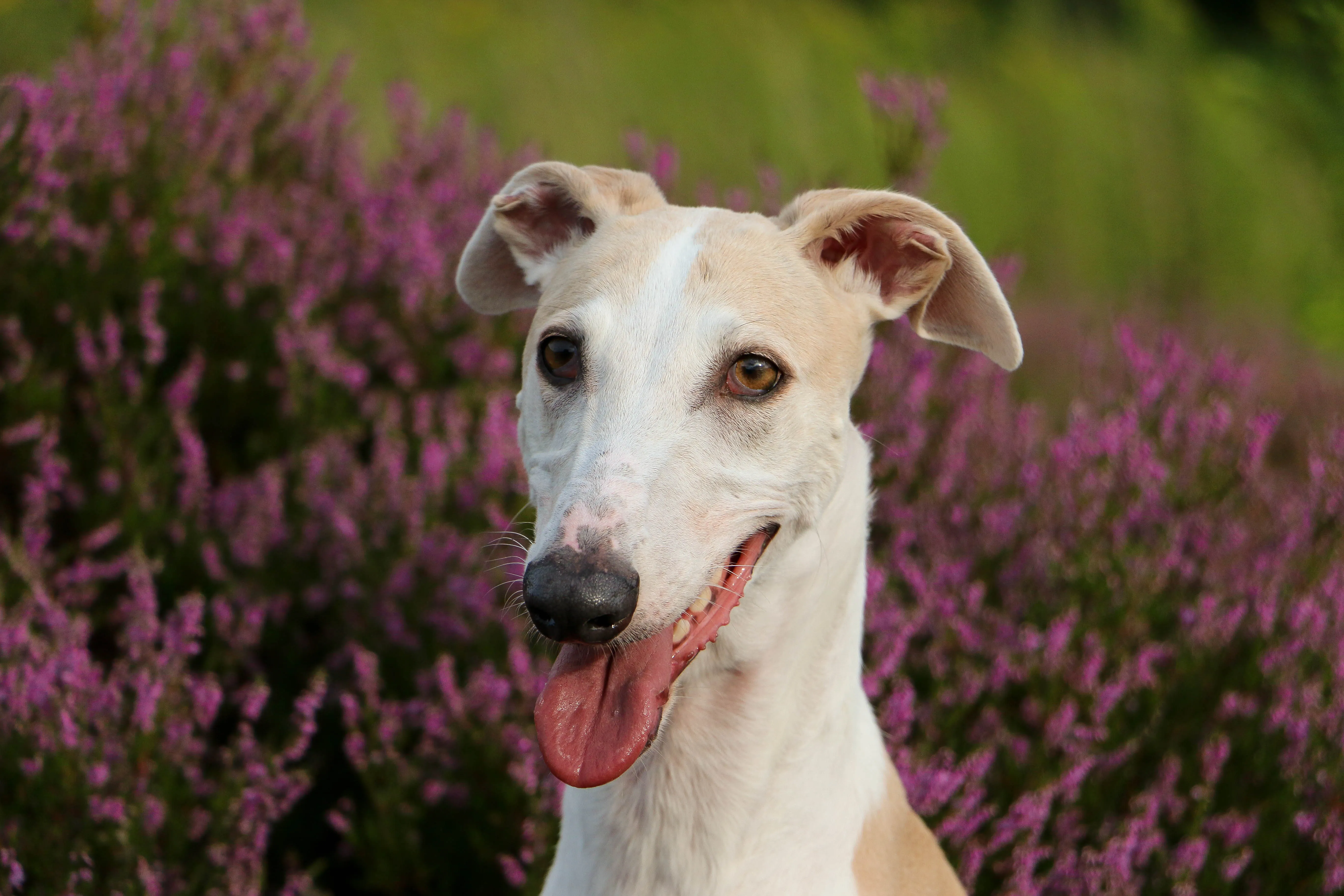
Greyhound
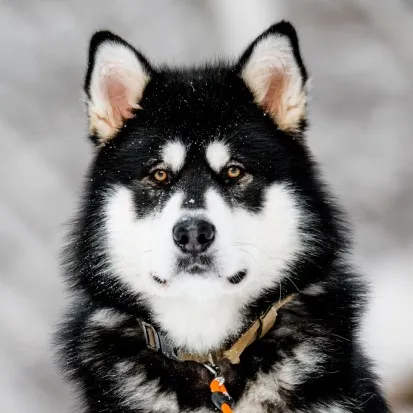
Alaskan Malamute
Characteristics
Barking
Quiet
Loud
Temperament with Kids
Aggressive
Friendly
Playfulness
Silent
Very Playful
Friendliness
Not Friendly
Super Friendly
Compatibility with other dogs
Aggressive
Friendly
Need for attention
Independent
Very Needy
Barking
Quiet
Loud
Temperament with Kids
Aggressive
Friendly
Playfulness
Silent
Very Playful
Friendliness
Not Friendly
Super Friendly
Compatibility with other dogs
Aggressive
Friendly
Need for attention
Independent
Very Needy
Basic Information
Avg Monthly Expenses
₹ 4,900
Basic
₹ 7,650
Premium
Life Expectancy
10 - 14 years
Size
Large
Group
Hound
Suitable Climate
15º - 24º celsius
Ideal Space
House with Farm Area
Exercise Required
30 - 60 minutes a day
Shedding Level
Low Shedding
Cost to buy
₹ 25,000 - ₹ 60,000
Avg Monthly Expenses
₹ 5,700
Basic
₹ 8,550
Premium
Life Expectancy
10 - 14 years
Size
Large
Group
Working
Suitable Climate
-5º - 15º celsius
Ideal Space
House with backyard
Exercise Required
60 - 120 minutes a day
Shedding Level
High Shedding
Cost to buy
₹ 40,000 - ₹ 1,00,000
Overall Summary
Overall Summary
Frequently Asked Questions
Are Greyhounds good with children?
Greyhounds make wonderful family pets—they are gentle, affectionate, and generally calm. They are typically patient with children and enjoy companionship. Like all dogs, they should always be supervised around young kids to avoid any accidental injuries.
How much exercise do Greyhounds need?
Despite their athletic build, Greyhounds are not high-energy dogs. They need about two 20–30-minute walks daily. They love short bursts of running, but generally spend the bulk of their day snoozing. As long as they get their daily exercise, they’re well suited to urban apartment living.
Are Greyhounds good pets for families?
In some places, Greyhounds are required to wear a muzzle in public, mainly due to their history as racing dogs with a high prey drive. However many retired Greyhounds can be trained to learn how to socialize safely with people, and in some areas muzzle exemption status is available after behavioral assessments. Always check local regulations.
What is the average lifespan of a Greyhound?
Greyhounds usually live 12 to 15 years. Some Greyhounds can live even longer with proper care, a nutritious diet and regular veterinary checkups. Giving them a comfortable life and keeping them healthy can help extend their lifespan.
Can Greyhounds live with cats or small pets?
A greyhound has a strong instinct to chase, but many can be trained not to chase cats and small pets. The key is early socialization, careful introductions, and supervised interactions. But some Greyhounds will always have a high prey drive, so caution is required.
How big do Greyhounds get?
Male Greyhounds weigh 27–40 kg and stand around 71–76 cm tall at the shoulder. Females are smaller at 26–34 kg and stand 69–71 cm tall.
Do Greyhounds shed a lot?
Greyhounds have short, fine coats that shed moderately year-round. They need very little grooming and weekly brushing helps reduce shedding and keep the coat healthy. Additionally, they’re low maintenance and tend to have very little doggy odor.