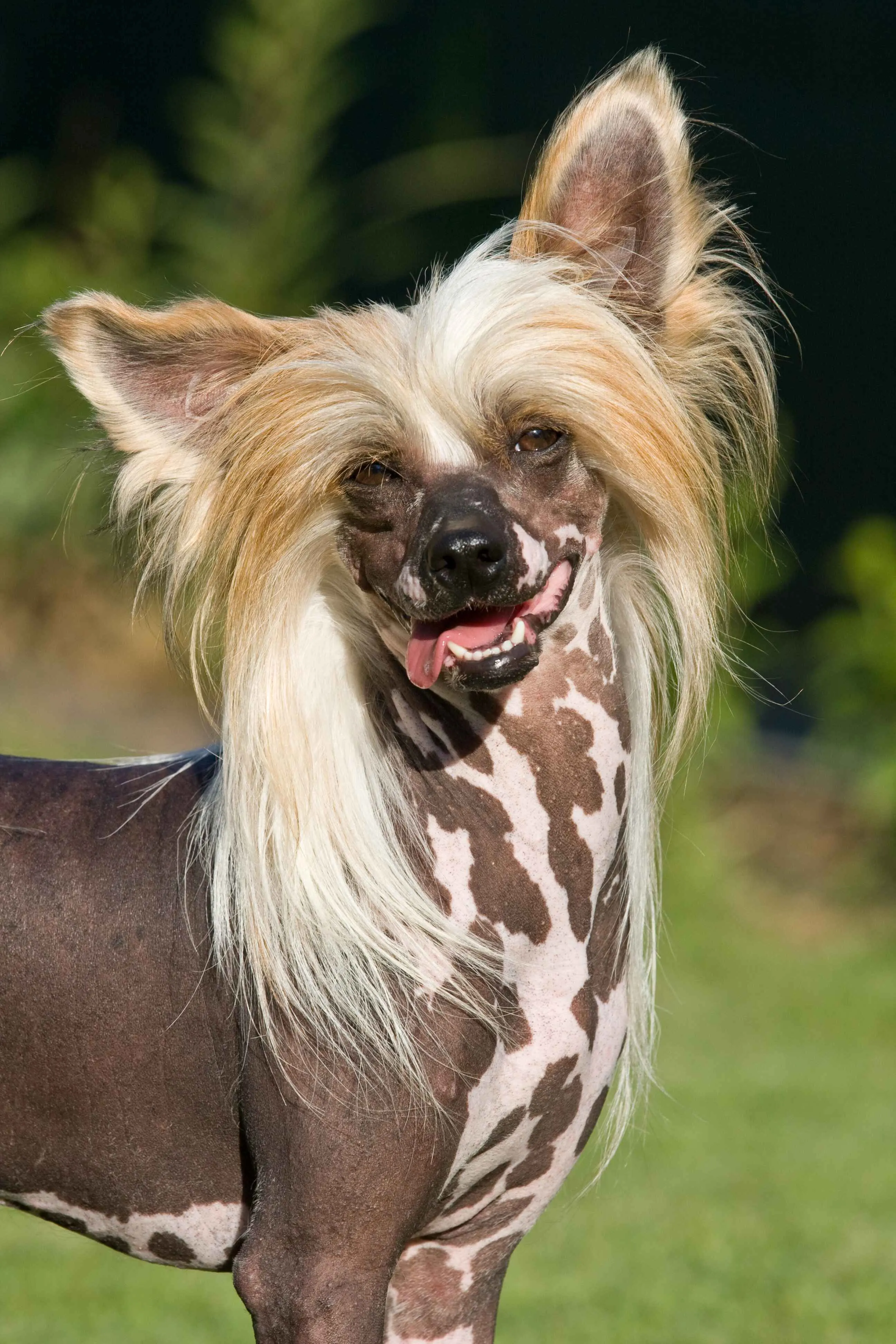
Home
/
Compare Dog Breeds
/
Cavalier King Charles Spaniel vs Cesky Terrier
Cavalier King Charles Spaniel vs Cesky Terrier

Cavalier King Charles Spaniel
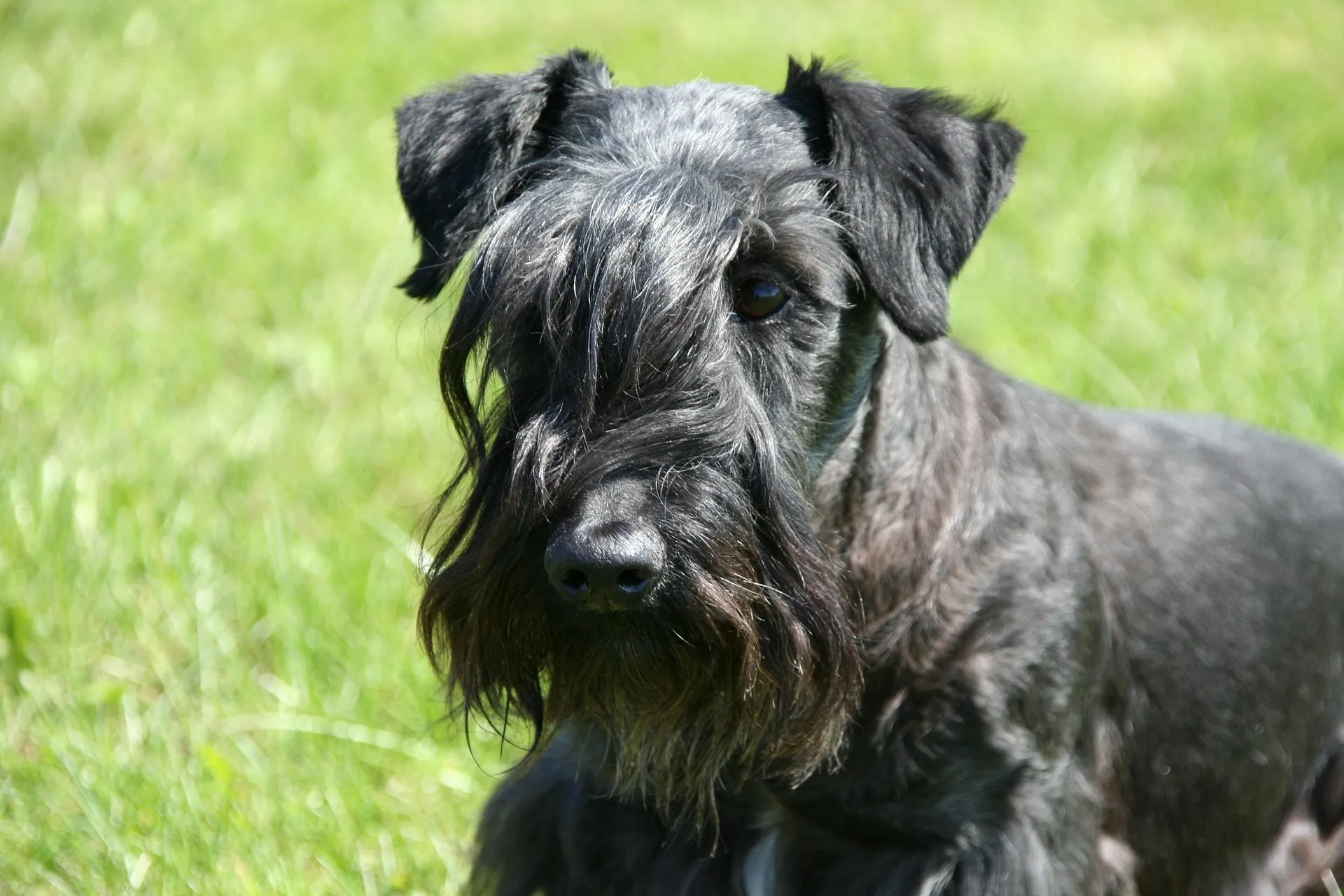
Cesky Terrier
Characteristics
Barking
Quiet
Loud
Temperament with Kids
Aggressive
Friendly
Playfulness
Silent
Very Playful
Friendliness
Not Friendly
Super Friendly
Compatibility with other dogs
Aggressive
Friendly
Need for attention
Independent
Very Needy
Barking
Quiet
Loud
Temperament with Kids
Aggressive
Friendly
Playfulness
Silent
Very Playful
Friendliness
Not Friendly
Super Friendly
Compatibility with other dogs
Aggressive
Friendly
Need for attention
Independent
Very Needy
Basic Information
Avg Monthly Expenses
₹ 3,300
Basic
₹ 5,400
Premium
Life Expectancy
12 - 15 years
Size
Small
Group
Toy
Suitable Climate
15º - 25º celsius
Ideal Space
Apartment
Exercise Required
30 - 60 minutes a day
Shedding Level
Moderate Shedding
Cost to buy
₹ 2,50,000 - ₹ 4,50,000
Avg Monthly Expenses
₹ 3,300
Basic
₹ 5,400
Premium
Life Expectancy
12 - 15 years
Size
Small
Group
Terrier
Suitable Climate
15º - 25º celsius
Ideal Space
Apartment
Exercise Required
45 - 60 minutes a day
Shedding Level
Moderate Shedding
Cost to buy
₹ 50,000 - ₹ 1,50,000
Overall Summary
Overall Summary
Frequently Asked Questions
What are common health issues in Cavalier King Charles Spaniels?
Common health issues in this breed include heart conditions such as mitral valve disease, hip dysplasia, ear infections, and eye problems like cataracts and dry eye. Regular veterinary check-ups and preventive care are essential to detect and manage these conditions early.
Can Cavalier King Charles Spaniels be left alone?
Cavaliers are social dogs and prefer not to be left alone for long periods. They may develop separation anxiety if left alone frequently. If you need to be away, consider doggy daycare, a pet sitter, or providing interactive toys to keep them occupied.
Are Cavaliers prone to weight gain?
Yes, Cavaliers can be prone to weight gain. Monitor their diet and exercise regularly to maintain a healthy weight. Avoid feeding them table scraps and high-calorie treats.
How long do Cavaliers live?
On average 9–14 years with proper care.
Can they live in Indian apartments?
Yes—absolutely. Their size and temperament suit flats, but they need daily exercise and climate control.