Home
/
Cat Breeds
/
Turkish Angora
Turkish Angora
Origin
Turkey
Size
Medium Breed
Ideal Space
Apartment
Ideal Weather
15º-25ºC
Life Expectancy
12-18 years
Cost of buying
₹ 30,000 - ₹ 60,000
Top 5 Traits
Playful
Curious
Friendly
Affectionate
Active
Avg Monthly Expenses
₹ 2,800 - ₹ 4,200

by Happy Pet TeamUpdated on 3 Sept 2025
All Information About Turkish Angora
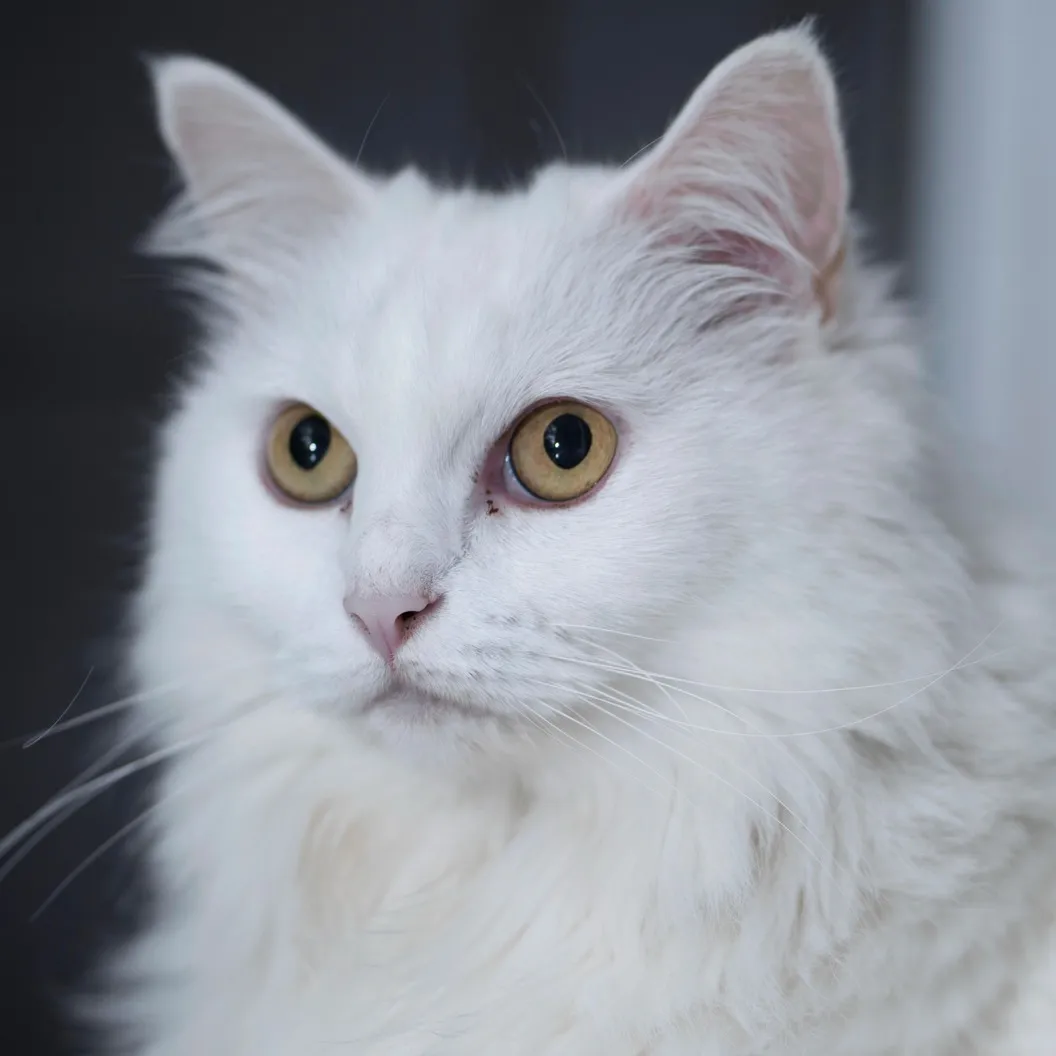
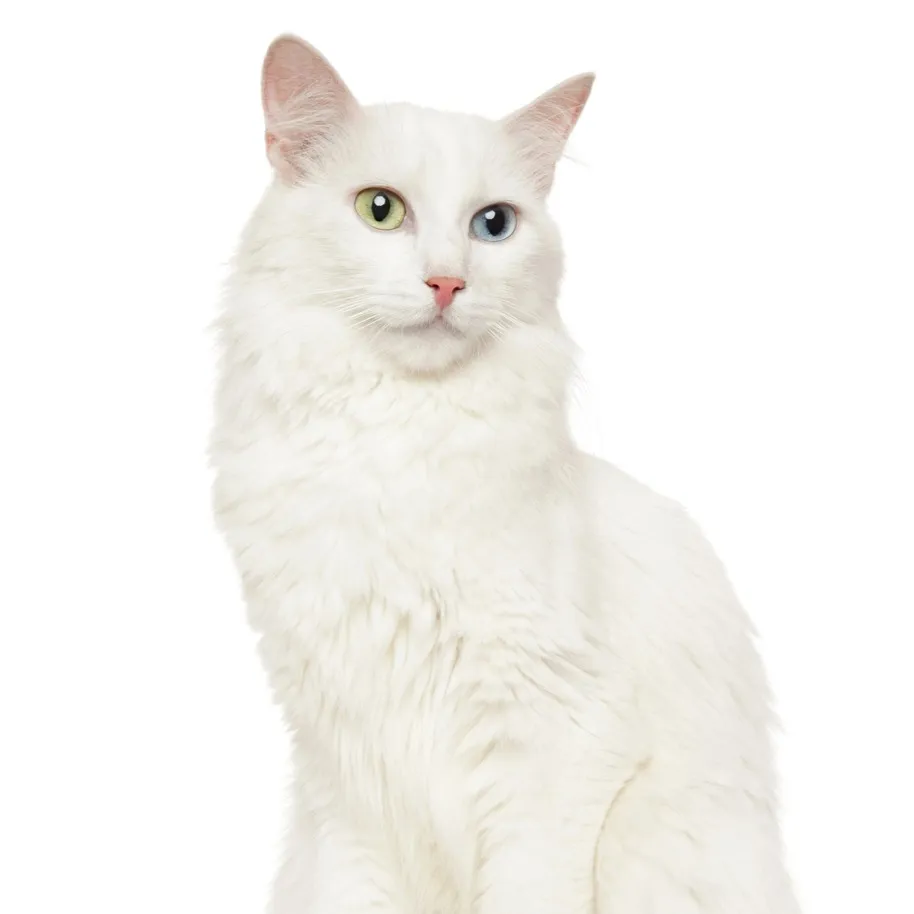
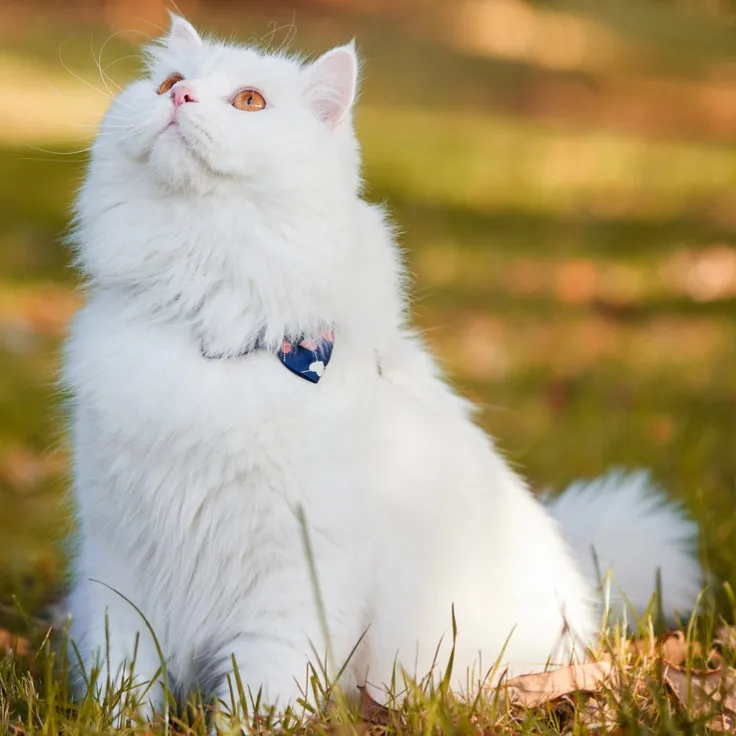
The Turkish Angora, a breed steeped in history, hails from the Ankara region of Turkey. Renowned for their ethereal beauty, these cats possess long, flowing coats often in pristine white, though a variety of colors exist. Beneath their elegant exterior lies an athletic and agile creature. Their playful and affectionate nature endears them to many, though their coat demands regular grooming to prevent tangles.
Characteristics
Temperament with Kids
Aggressive
Friendly
Playfulness
Silent
Very Playful
Friendliness
Not Friendly
Super Friendly
Shedding amount
Negligible
Frequent
Compatibility with other cats
Not Friendly
Super Friendly
Prey Drive
Low
High
Need for attention
Independent
Very Needy
Monthly Expenses


Turkish Angora Lifespan and Price in India
Cost of buying
₹ 30,000 - ₹ 60,000
In India, Turkish Angora kittens from reputable breeders usually range from ₹30,000 to ₹60,000, depending on factors like pedigree and coat color. While this breed is still relatively rare, its captivating beauty and affectionate demeanor make it highly sought-after.
Shop or Adopt a Turkish Angora: Make the Right Choice!
Research: Learn about Turkish Angora cat and the kind of care they need, and make sure you're ready for the responsibilities that comes with owning a pet.
Nutrition Guide of Turskish Angora Cats
Monthly Food Expenses
₹ 1,500 - ₹ 2,000
Calories per day
Kittens: 300 kcal
Adults: 400 kcal
Essential Nutrients
Protein
Fats
Carbohydrates
Vitamins
Minerals
Amino Acids (Taurine, Arginine, etc.)
Essential Fatty Acids
Fiber
List of foods
Dry kibble
Wet canned food
Chicken (cooked or raw)
Turkey
Blueberries
Eggs (cooked)
Pumpkin
Sardines (in moderation)
Turkish Angoras, renowned for their active and energetic nature, necessitate a diet rich in protein to sustain their high energy levels. Essential fatty acids and amino acids, particularly taurine, are crucial for maintaining optimal coat health and overall vitality. A well-balanced diet should incorporate a variety of high-quality protein sources, such as poultry and fish, to provide essential nutrients. The addition of fruits and vegetables, rich in vitamins and minerals, can complement the primary diet.
Breakdown of Macro-nutrients
Selecting Good Quality Food
A Turkish Angora’s dietary needs are primarily protein-based to sustain their active lifestyle. High-quality animal proteins are essential for muscle development and overall health. A balanced intake of fats, including essential fatty acids, supports coat health and vital bodily functions. Commercial cat foods, both wet and dry, offer convenient nutritional profiles. However, incorporating fresh, high-protein ingredients such as chicken, turkey, or salmon can enhance the diet's nutritional value. The inclusion of fruits and vegetables provides supplementary vitamins and minerals, contributing to overall well-being.
Never feed these foods to Turkish Angora
Avoid anything with these ingredients
Onions and Garlic
Caffeine
Chocolate
Alcohol
Bones
Raw Eggs
Dairy (in some cases)
Turkish Angoras, like all cats, are susceptible to toxicity from certain substances. Onions and garlic, common culinary ingredients, contain compounds that can induce hemolytic anemia, a severe condition affecting red blood cells. Caffeine, a stimulant found in coffee, tea, and chocolate, can cause cardiac arrhythmias and other health complications in cats. Chocolate itself contains theobromine, a methylxanthine that is toxic to felines.


HealthCare Guide of Turkish Angora
Avg Monthly Expenses
₹ 500 - ₹ 700
Common Health Issues
Kidney Disease
Hyperthyroidism
Upper Respiratory Infections
Dental Problems
Fleas and Ticks
Gastrointestinal Issues
Urinary Tract Infections (UTI)
Activities
Play with Toys
Chasing Objects
Exploring
Climbing
Scratching
Energy Level
High
Exercise routine
30 - 60 minutes
Recognising Stress
Hiding
Increased vocalization
Decreased appetite
Overgrooming
Changes in litter box behavior
Common Health Conditions found in Turkish Angoras
Turkish Angoras are generally robust cats, but like any breed, they are susceptible to specific health concerns. Common ailments include upper respiratory infections and dental issues, which can be effectively managed through routine veterinary care. More serious conditions such as obesity, kidney disease, hyperthyroidism, and urinary tract infections can arise if not properly monitored. Early detection and intervention are crucial, emphasizing the importance of regular check-ups and preventative care.
Vaccination details
Growth Stage
Core Vaccines
6-8 Weeks
FVRCP (Feline Viral Rhinotracheitis, Calicivirus, Panleukopenia).
12-16 Weeks
FVRCP (second dose), Rabies.
16-20 Weeks
Feline Leukemia Virus (FeLV).
Grooming Needs of Turkish Angora
Avg Monthly Expenses
₹ 800 - ₹ 1,500
Shedding Level
Moderate Shedding
Hygienic Checklist
Feeding
Litter Box
Grooming (for some breeds)
Hydration
Health Observation
Nail Trimming
Benefits of Grooming
Cleanliness
Low Shedding
Odourless
Quality of life
Prevents Bad Breath
Prevents infections
The Turkish Angora's medium to long coat, while undeniably elegant, requires dedicated grooming to maintain its pristine condition. Regular brushing, ideally a few times a week, is essential to prevent matting and tangles. Beyond aesthetics, grooming plays a crucial role in overall health. By removing loose hair and debris, brushing helps to reduce the risk of hairballs and skin irritations. Additionally, it allows for early detection of any skin abnormalities or parasites.


Written by
Happy Pet TeamAuthor
Team Happy Pet is a passionate collective of pet experts, enthusiasts, and advocates dedicated to sharing trusted and insightful content.
Our cont
Compare with similar breeds
Frequently Asked Questions
What is the typical temperament of a Turkish Angora?
Turkish Angoras are known for their friendly and playful temperament. They are affectionate with their families and enjoy interactive play. They are also intelligent and curious, often exploring their surroundings with enthusiasm.
How much grooming does a Turkish Angora require?
Turkish Angoras have moderate shedding and require grooming a few times a week to keep their coat in good condition. Regular brushing helps manage shedding and prevent matting.
Are Turkish Angoras good with children and other pets?
Yes, Turkish Angoras are generally good with children and other pets. They are sociable and adaptable, making them suitable for families and multi-pet households.