Home
/
Cat Breeds
/
Russian White Cat
Russian White Cat
Origin
Australia
Size
Medium Breed
Ideal Space
Apartment
Ideal Weather
15º-24ºC
Life Expectancy
15-20 years
Cost of buying
₹ 30,000 - ₹ 70,000
Top 5 Traits
Reserved
Curious
Affectionate
Playful
Gentle
Avg Monthly Expenses
₹ 2,800 - ₹ 4,200


by Happy Pet TeamUpdated on 27 Jun 2025
Introduction to the Russian White
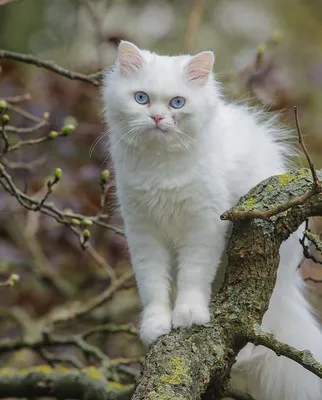
The Russian White cat was created in 1971 in Australia after a white Siberian cat was cross-bred with a Russian Blue male cat named Myemgay Yuri. Among the litter, a female kitten called White Rose was the basis of the Russian White breed.
Characteristics
Temperament with Kids
Aggressive
Friendly
Playfulness
Silent
Very Playful
Friendliness
Not Friendly
Super Friendly
Shedding amount
Negligible
Frequent
Compatibility with other cats
Not Friendly
Super Friendly
Prey Drive
Low
High
Need for attention
Independent
Very Needy
Monthly Expenses


Russian White’s Price Guide
Cost of buying
₹ 30,000 - ₹ 70,000
You can expect the Russian White Cat price to be somewhere between Rs. 30,000 to Rs. 70,000.
Shop or Adopt a Russian White: Make the Right Choice!
Responsible shopping will make sure that ethical breeding is taking place, while adopting a Russian White will give a loving home to a cat that needs it. Pick based on your ability to keep up with their gentle temperament, grooming needs, and lifespan.
Nutrition Care for the Russian White
Monthly Food Expenses
₹ 1,500 - ₹ 2,000
Calories per day
Kittens: 280 kcal
Adults: 250 kcal
Essential Nutrients
Protein
Fats
Carbohydrates
Vitamins
Minerals
Amino Acids (Taurine, Arginine, etc.)
Essential Fatty Acids
Fiber
List of foods
Turkey
Dry kibble
Wet canned food
Chicken (cooked or raw)
Semi-moist cat food
Salmon
Eggs (cooked)
Cottage cheese
Omega-3 fatty acids
- They require high quality protein for the maintenance of muscle.
- Healthy fats support energy levels and a shiny coat.
- Immunity and joint health are strengthened with the help of essential nutrients.
- Taurine is important for heart and vision health.
- Wet food helps in hydration and urinary tract health.
- It is best to avoid low quality foods to prevent obesity and digestion problems.
- A balanced diet of wet food, lean meats and supplements is vital for overall well being.
Breakdown of Macro-nutrients
Best Foods for Russian White Cats
Top choices include:
Foods to Avoid for Russian Whites
Avoid anything with these ingredients
Onions and Garlic
Caffeine
Chocolate
Alcohol
Bones
Grapes and Raisins
Xylitol
Artificial Additives
Avoid feeding:


Healthcare for the Russian White
Avg Monthly Expenses
₹ 500 - ₹ 700
Common Health Issues
Upper Respiratory Infections
Dental Problems
Obesity
Hyperthyroidism
Kidney Disease
Urinary Tract Infections (UTI)
Skin Allergies
Hypertrophic Cardiomyopathy (HCM)
Activities
Play with Toys
Climbing
Exploring
Chasing Objects
Interactive Playtime
Energy Level
Medium
Exercise routine
30 - 60 minutes
Recognising Stress
Hiding
Increased vocalization
Decreased appetite
Overgrooming
Changes in litter box behavior
Common Health Problems of Russian Whites
- Bladder stones – Can be controlled through an appropriate diet and hydration. The risk can be minimised with wet food and clean water.
- Diabetes – Can appear when they are overweight. Prevention depends on a balanced diet and frequent exercise.
- Hypertrophic cardiomyopathy – possible due to their Russian Blue lineage. Early signs can be detected with a regular vet checkup.
Vaccination details
Growth Stage
Core Vaccines
6-8 Weeks
FVRCP (Feline Viral Rhinotracheitis, Calicivirus, and Panleukopenia) - 1st dose.
10-12 Weeks
FVRCP - 2nd dose.
14-16 Weeks
FVRCP - 3rd dose, Rabies.
6 months
Feline Leukemia (FeLV).
1 year
FVRCP, Rabies.
Annual
FVRCP, Rabies.
Russian White Grooming Routine
Avg Monthly Expenses
₹ 800 - ₹ 1,500
Shedding Level
Low Shedding
Hygienic Checklist
Grooming (for some breeds)
Litter Box
Teeth care
Nail Trimming
Ear cleaning
Health Observation
Benefits of Grooming
Cleanliness
Low Shedding
Odourless
Quality of life
Prevents infections
- Brushing: Once a week to remove loose fur and spread natural oils
- Bathing: Only if needed; start early for best results
- Nail Trimming: Every 2–4 weeks. Trim just the tip to avoid cutting into the quick.
- Ear Cleaning: Check weekly and clean if wax builds up.


Written by
Happy Pet TeamAuthor
Team Happy Pet is a passionate collective of pet experts, enthusiasts, and advocates dedicated to sharing trusted and insightful content.
Our cont
Compare with similar breeds
Frequently Asked Questions
Are Russian Whites hypoallergenic?
Not fully, but they shed less and produce lower dander, so they may work for mild allergies.
Do Russian Whites have blue eyes?
No. They usually have vivid green eyes when mature, though kittens may have yellow eyes first.
Are Russian White cats friendly?
Yes. They are gentle, loving, and loyal—especially to one person.
Are Russian Whites rare?
Yes. They are hard to find outside Australia, but gaining popularity slowly.