Home
/
Cat Breeds
/
Russian Blue
Russian Blue
Origin
Russia
Size
Medium Breed
Ideal Space
Apartment
Ideal Weather
18º-24ºC
Life Expectancy
15-20 years
Cost of buying
₹ 50,000 - ₹ 1,50,000
Top 5 Traits
Independent
Affectionate
Curious
Gentle
Reserved
Avg Monthly Expenses
₹ 7,800 - ₹ 12,700

by Happy Pet TeamUpdated on 3 Sept 2025
Know All About the Russian Blue: The Cat in Velvet
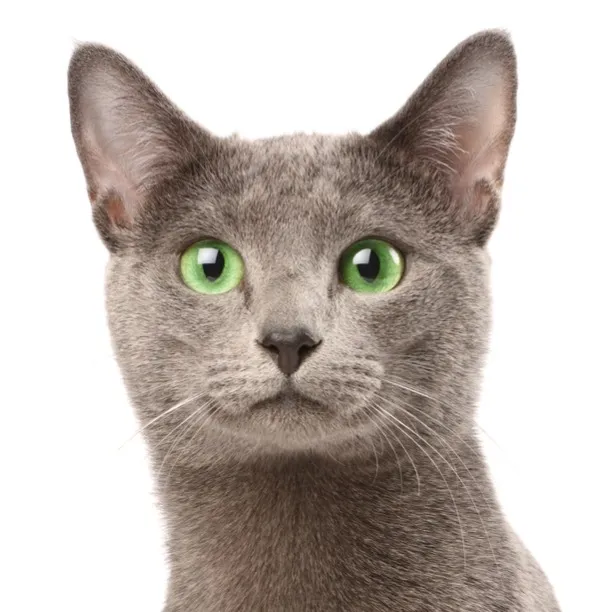
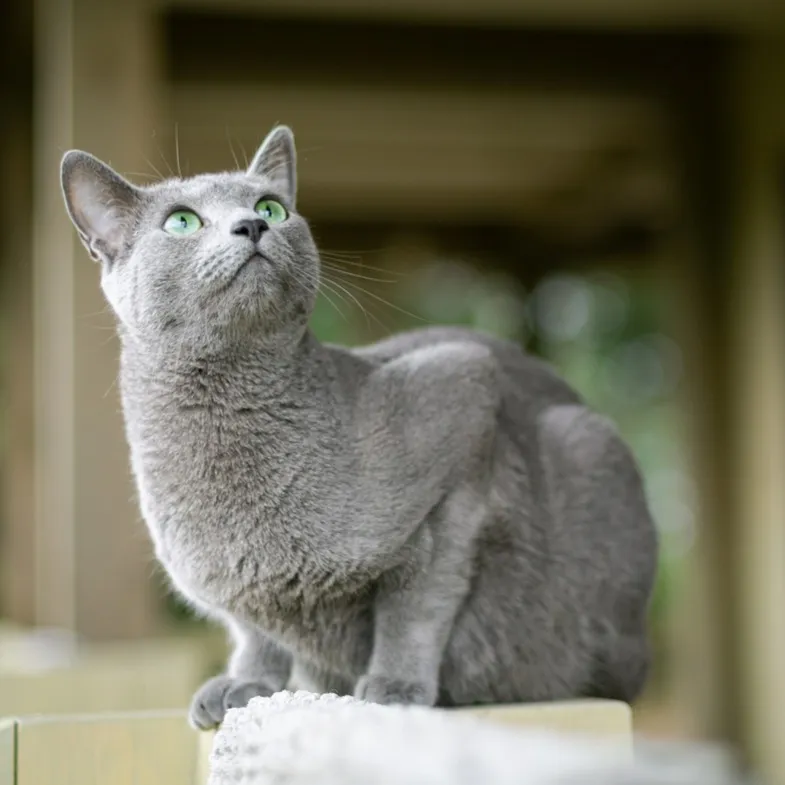
If you’ve ever wanted a cat that looks like it’s wearing a luxurious, silvery-blue velvet coat, the Russian Blue might just steal your heart. Known for their piercing green eyes and graceful elegance, these cats are the picture of quiet sophistication. Despite their aristocratic appearance, Russian Blues are not a “designer” creation—they trace their roots back to northern Russia, with some accounts suggesting that sailors brought them to Europe in the 1860s.
Characteristics
Temperament with Kids
Aggressive
Friendly
Playfulness
Silent
Very Playful
Friendliness
Not Friendly
Super Friendly
Shedding amount
Negligible
Frequent
Compatibility with other cats
Not Friendly
Super Friendly
Prey Drive
Low
High
Need for attention
Independent
Very Needy
Monthly Expenses


Lifespan & Price of the Russian Blue Cat in India
Cost of buying
₹ 50,000 - ₹ 1,50,000
Russian Blues are robust cats with a lifespan of 15–20 years, making them one of the longest-living pedigree breeds.
Buying or Adopting a Russian Blue Cat in India
Finding a Russian Blue in India takes patience. Always buy from responsible breeders who can provide pedigree papers, health test results, and vaccination records. Avoid backyard breeders or sellers advertising “silver cats” or “grey Persians”—these are often misrepresented mixes.
Nutrition
Monthly Food Expenses
₹ 6,500 - ₹ 10,500
Calories per day
Kittens: 500 kcal
Adults: 250 kcal
Essential Nutrients
Protein
Fats
Carbohydrates
Vitamins
Minerals
Amino Acids (Taurine, Arginine, etc.)
Essential Fatty Acids
Fiber
List of foods
Dry kibble
Wet canned food
Chicken (cooked or raw)
Salmon
Tuna
Mackerel
Sardines (in moderation)
Rice (cooked)
Sweet potatoes (cooked)
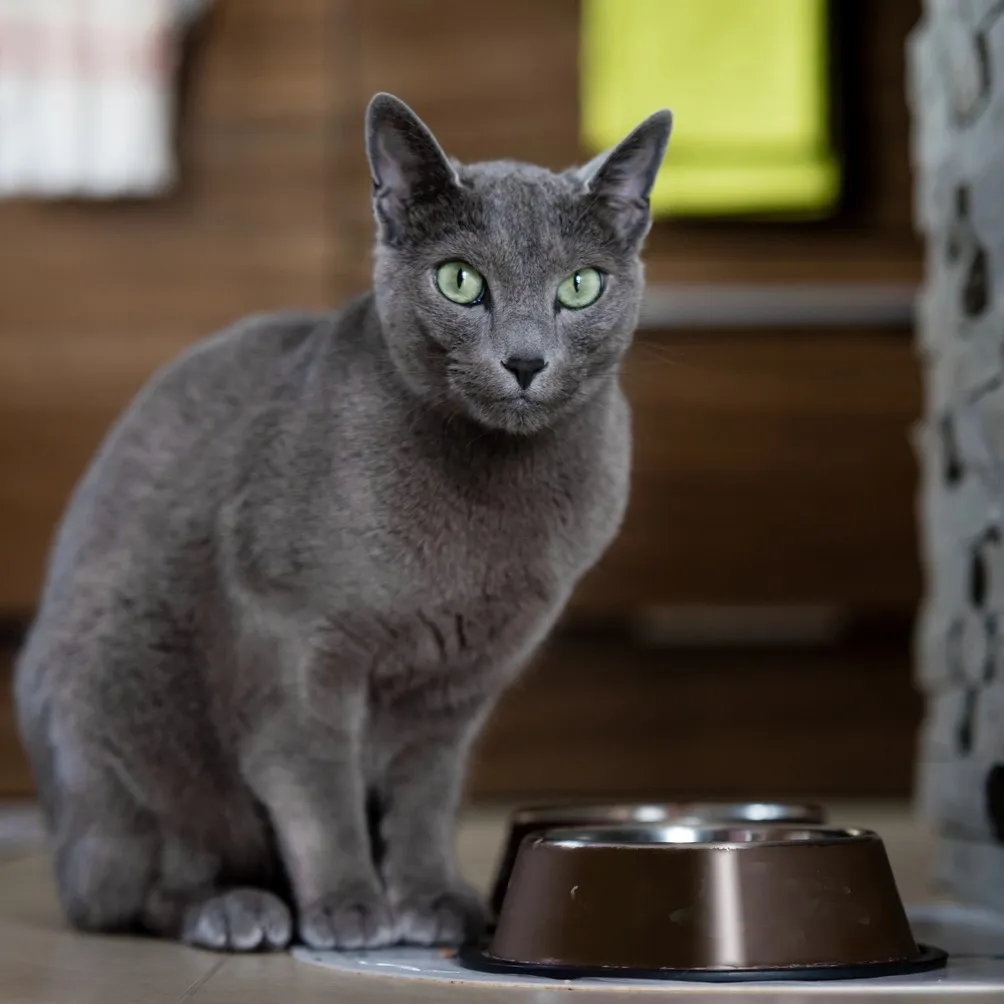
The Russian Blue may look like a sleek runway model with its shimmering blue-gray coat, but don’t be fooled—this is a cat with an appetite that can surprise you. With a medium, athletic build and a tendency to overeat, the Russian Blue’s diet has to strike a fine balance between lean muscle maintenance and weight control. In India—where hot summers and relatively sedentary indoor lifestyles can add to weight gain—the right nutrition plan is key to keeping this breed healthy, graceful, and glowing.
Breakdown of Macro-nutrients
Choosing the Right Food for Russian Blues
- Meat-First Diets – Always look for chicken, fish, or turkey as the first ingredient.
- Skip the Fillers – No corn, soy, or animal by-products.
Never feed these foods to Russian Blue
Avoid anything with these ingredients
Onions and Garlic
Caffeine
Alcohol
Chocolate
Bones
Raw Eggs
Xylitol
Artificial Sweeteners
- Toxic foods: onions, garlic, grapes, raisins, chocolate, caffeine, alcohol
- Dairy: despite myths, most Russian Blues (like other cats) are lactose intolerant
- Raw fish: can cause thiamine deficiency and neurological problems
- Cooked bones: splintering risk and digestive harm


Health Profile of Russian Blue Cats
Avg Monthly Expenses
₹ 500 - ₹ 700
Common Health Issues
Upper Respiratory Infections
Dental Problems
Obesity
Diabetes
Kidney Disease
Hyperthyroidism
Heartworm Disease
Fleas and Ticks
Activities
Play with Toys
Exploring
Climbing
Scratching
Lounging
Energy Level
Medium
Exercise routine
30 - 60 minutes
Recognising Stress
Increased vocalization
Decreased appetite
Diarrhea
Restlessness
Aggression
Medical Care for the Russian Blue Cat
The Russian Blue may look like a silver-coated aristocrat with its dense, plush fur and piercing green eyes, but beneath that elegance is a cat that thrives on consistency, preventive vet care, and an environment tailored to India’s varied climates. While Russian Blues are generally a hardy breed, they carry a few quirks—sensitive digestion, stress-related illnesses, and occasional dental troubles—that make regular vet visits and climate-smart home care especially important for Indian households.
Vaccination details
Growth Stage
Core Vaccines
8-10 Weeks
Feline Viral Rhinotracheitis, Calicivirus, Panleukopenia (FVRCP)
12-14 Weeks
FVRCP booster
16-20 Weeks
Rabies
Grooming the Russian Blue Cat
Avg Monthly Expenses
₹ 800 - ₹ 1,500
Shedding Level
Low Shedding
Hygienic Checklist
Grooming (for some breeds)
Hydration
Health Observation
Nail Trimming
Ear cleaning
Teeth care
Benefits of Grooming
Cleanliness
Odourless
Low Shedding
Prevents Bad Breath
Quality of life
Prevents infections
The Russian Blue’s shimmering silver-blue coat may look high-maintenance, but it’s surprisingly easy to manage compared to long-haired breeds like the Persian. Their short, dense double coat sheds moderately and only needs brushing once or twice a week with a soft bristle brush or grooming glove. This keeps loose fur under control, especially in India’s shedding seasons (spring and early summer). Over-grooming isn’t required—the coat naturally resists dirt and oil, making them fairly “self-cleaning".


Written by
Happy Pet TeamAuthor
Team Happy Pet is a passionate collective of pet experts, enthusiasts, and advocates dedicated to sharing trusted and insightful content.
Our cont
Compare with similar breeds
Frequently Asked Questions
Do Russian Blue cats require a lot of grooming?
Russian Blue cats have short, dense coats that require minimal grooming compared to some other breeds. It normally takes just one brushing each week with a soft-bristled brush to disperse natural oils and remove stray hairs.
What type of diet is suitable for Russian Blue cats?
Russian Blue cats thrive on a balanced diet consisting of high-quality cat food rich in animal-based proteins. Since they are prone to gaining weight, it is imperative to keep an eye on their food intake in order to prevent obesity.
Are Russian Blue cats hypoallergenic?
Russian Blue cats are believed to produce less allergies than certain other types, but no cat breed is totally hypoallergenic. However, individual reactions can vary, so spending time with a Russian Blue before bringing one home is advisable for allergy sufferers.