
Home
/
Cat Breeds
/
Ocicat
Ocicat
Origin
United States
Size
Medium Breed
Ideal Space
Apartment
Ideal Weather
18º-24ºC
Life Expectancy
15-18 years
Cost of buying
₹ 30,000 - ₹ 70,000
Top 5 Traits
Playful
Curious
Energetic
Affectionate
Friendly
Avg Monthly Expenses
₹ 2,800 - ₹ 4,200

by Happy Pet TeamUpdated on 3 Sept 2025
Know All About the Ocicat
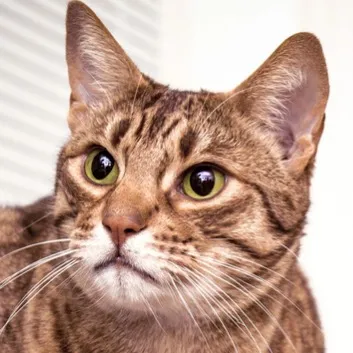
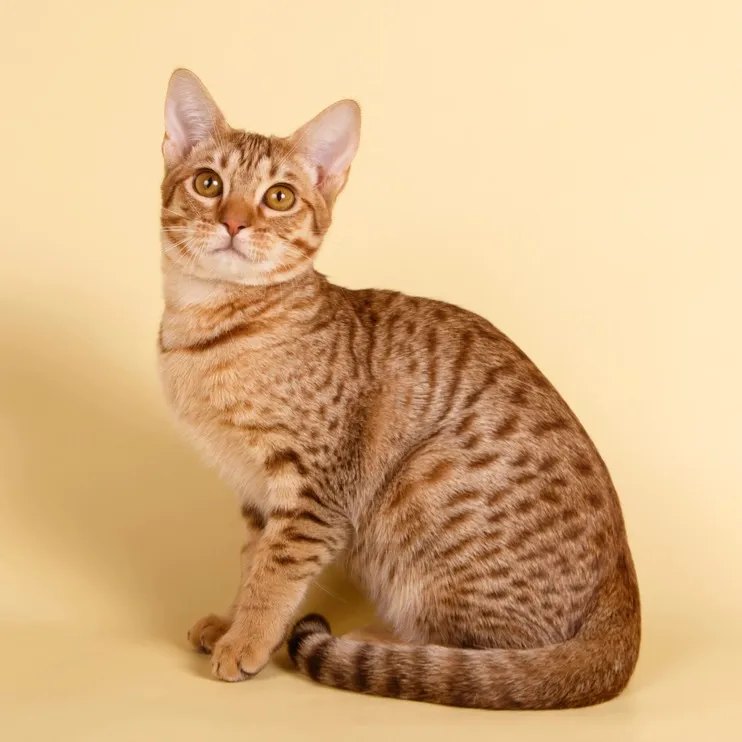
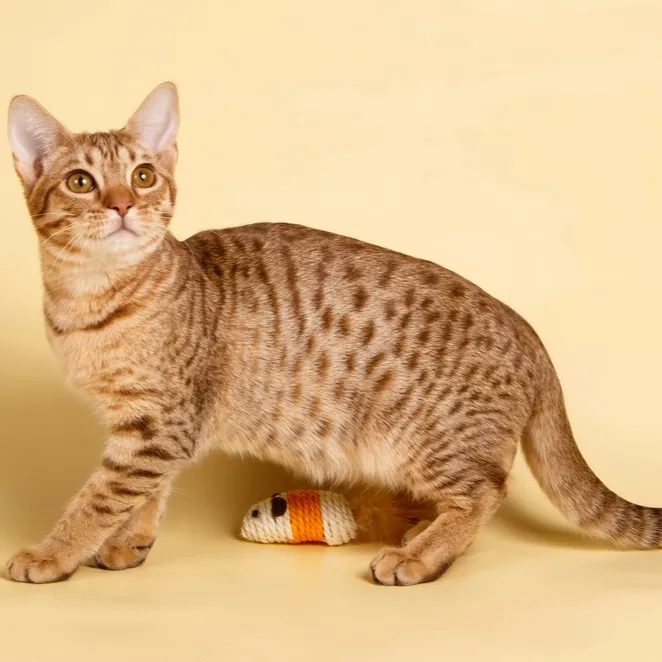
The Ocicat is a striking, spotted domestic cat breed that resembles a wild ocelot but has no wild ancestry. Developed in the 1960s in the United States by crossing Abyssinians, Siamese, and American Shorthairs, the breed combines the exotic spotted pattern of wild cats with the gentle, sociable temperament of domestic cats. Ocicats are playful, intelligent, and social, making them ideal companions for families, singles, and other pets. Recognized by The International Cat Association (TICA), Ocicats have gained popularity worldwide for their unique appearance and affectionate nature, according to The Spruce Pets.
Characteristics
Temperament with Kids
Aggressive
Friendly
Playfulness
Silent
Very Playful
Friendliness
Not Friendly
Super Friendly
Shedding amount
Negligible
Frequent
Compatibility with other cats
Not Friendly
Super Friendly
Prey Drive
Low
High
Need for attention
Independent
Very Needy
Monthly Expenses


Ocicat Lifespan and Price
Cost of buying
₹ 30,000 - ₹ 70,000
- Lifespan: 12–15 years with proper care.
- Price in India: ₹25,000 – ₹60,000 depending on breeder, pedigree, and availability.
Shop or Adopt an Ocicat: Make the Right Choice
Responsible pet ownership ensures a healthy and happy cat.
Nutrition Care for the Ocicat
Monthly Food Expenses
₹ 1,500 - ₹ 2,000
Calories per day
Kittens: 250 kcal
Adults: 300 kcal
Essential Nutrients
Protein
Fats
Carbohydrates
Vitamins
Minerals
Amino Acids (Taurine, Arginine, etc.)
Essential Fatty Acids
Fiber
List of foods
Dry kibble
Wet canned food
Omega-3 fatty acids
Chicken (cooked or raw)
Turkey
Plain yogurt (no added sugar)
Eggs (cooked)
Sardines (in moderation)
Ocicats, as obligate carnivores, have specialized nutritional requirements to sustain their active lifestyle and maintain optimal health. Their diet should primarily consist of high-quality animal protein, serving as the building blocks for their lean muscle mass and overall vitality. Fats are equally essential for energy production, aiding in the absorption of fat-soluble vitamins, and supporting healthy skin and coat. While cats can survive without carbohydrates, a small inclusion can provide additional energy and fiber.
Breakdown of Macro-nutrients
Best Foods for Ocicats
Ocicats, as obligate carnivores, necessitate a diet rich in high-quality animal protein to support optimal health and energy levels. Protein forms the foundational component of their diet, contributing to muscle development and overall well-being. Fats are essential for energy metabolism and the absorption of fat-soluble vitamins. While carbohydrates are not a dietary requirement for cats, they may be included in moderation to provide additional energy and fiber.
Never feed these foods to Ocicat
Avoid anything with these ingredients
Onions and Garlic
Caffeine
Alcohol
Chocolate
Bones
Raw Eggs
Grapes and Raisins
Xylitol
- Raw fish and eggs: Can cause thiamine deficiency or foodborne illness.
- Onions, garlic, and related powders: Toxic to cats and can cause anemia.
- Dairy products: Many cats are lactose intolerant; milk or cheese can cause digestive upset.
- Low-quality fillers (corn, wheat, soy): Offer little nutrition and may trigger digestive issues.
- Artificial colors, preservatives, and flavors: Can irritate the gut and dull the coat.


Healthcare for the Ocicat
Avg Monthly Expenses
₹ 500 - ₹ 700
Common Health Issues
Dental Problems
Obesity
Kidney Disease
Hyperthyroidism
Urinary Tract Infections (UTI)
Hypertrophic Cardiomyopathy (HCM)
Feline Leukemia Virus (FeLV)
Progressive Retinal Atrophy
Activities
Interactive Playtime
Climbing
Chasing Objects
Exploring
Play with Toys
Energy Level
High
Exercise routine
30 - 60 minutes
Recognising Stress
Increased vocalization
Decreased appetite
Overgrooming
Hiding
Changes in litter box behavior
Common Health Issues Found in Ocicats
Ocicats are generally healthy cats, but like all breeds, they may be prone to some conditions.
Vaccination details
Growth Stage
Core Vaccines
6-8 Weeks
FVRCP (Feline Viral Rhinotracheitis, Calicivirus, Panleukopenia).
9-12 Weeks
FVRCP.
12-16 Weeks
FVRCP, Rabies.
16-20 Weeks
FeLV.
20-24 Weeks
FVRCP, FeLV.
Annual
Rabies, FVRCP, FeLV.
Best Grooming Tips for the Ocicat
Avg Monthly Expenses
₹ 800 - ₹ 1,500
Shedding Level
Moderate Shedding
Hygienic Checklist
Grooming (for some breeds)
Hydration
Nail Trimming
Ear cleaning
Teeth care
Health Observation
Benefits of Grooming
Cleanliness
Low Shedding
Prevents Bad Breath
Prevents infections
Quality of life
Ocicats boast a short, easy-to-maintain coat that requires minimal grooming compared to their long-haired counterparts. Regular brushing, however, is essential for preserving coat health and preventing common feline issues. Weekly brushing helps remove loose hair, minimizing shedding and the formation of hairballs. Additionally, it distributes natural oils, enhancing the coat’s luster and overall appearance.


Written by
Happy Pet TeamAuthor
Team Happy Pet is a passionate collective of pet experts, enthusiasts, and advocates dedicated to sharing trusted and insightful content.
Our cont
Compare with similar breeds


Frequently Asked Questions
What type of diet is best for an Ocicat?
A balanced diet high in animal-based protein, with some fats and minimal carbohydrates, is best. Suitable foods include high-quality dry kibble, wet canned food, cooked chicken, turkey, salmon, cooked eggs, plain yogurt, and Omega-3 fatty acids.
Do Ocicats require any special care?
Besides regular grooming and a balanced diet, Ocicats need routine veterinary check-ups to monitor for common health issues, and regular dental care is also important.
Are Ocicats vocal?
Ocicats can be quite vocal, often communicating with their owners through various sounds. They are known for their chatty and expressive nature.