Home
/
Cat Breeds
/
Manx
Manx
Origin
Isle of Man
Size
Medium Breed
Ideal Space
Apartment
Ideal Weather
15º-24ºC
Life Expectancy
12-15 years
Cost of buying
₹ 60,000 - ₹ 1,50,000
Top 5 Traits
Playful
Affectionate
Independent
Friendly
Gentle
Avg Monthly Expenses
₹ 2,800 - ₹ 4,200

by Happy Pet TeamUpdated on 3 Sept 2025
Discover the Manx – The Iconic Tailless Cat Breed
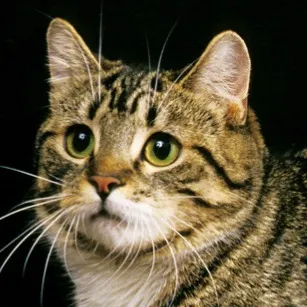
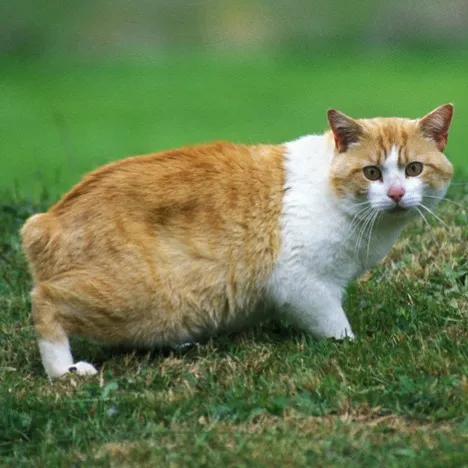
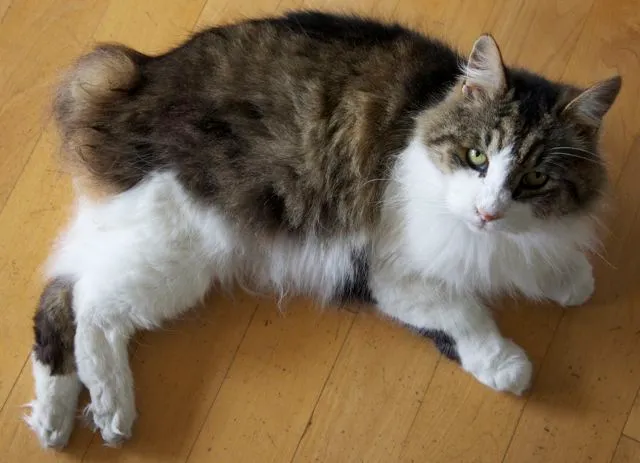
The Manx cat is a sturdy, medium-sized breed most famous for its naturally occurring taillessness, a result of a genetic mutation that originated on the Isle of Man centuries ago. According to the Cat Fanciers’ Association (CFA), the breed’s shortened or absent tail is its defining trait, and it appears in varying lengths, completely tailless (“rumpy”), partially tailed (“stumpy”), or with a full-length tail. This unique characteristic became widespread on the Isle of Man due to the small, isolated population of cats, making the gene common in the area.
Characteristics
Temperament with Kids
Aggressive
Friendly
Playfulness
Silent
Very Playful
Friendliness
Not Friendly
Super Friendly
Shedding amount
Negligible
Frequent
Compatibility with other cats
Not Friendly
Super Friendly
Prey Drive
Low
High
Need for attention
Independent
Very Needy
Monthly Expenses


Lifespan & Price of the Manx in India
Cost of buying
₹ 60,000 - ₹ 1,50,000
Lifespan: Manx cats usually live 13–16 years, with some reaching their late teens when given proper care. While generally healthy, tailless cats can be prone to spinal issues, so regular vet checks are important.
Buying or Adopting a Manx: Take the Best Call
- Choose a Responsible Breeder: Look for health certificates and screening for Manx Syndrome.
- Adoption First: Though rare in India, some may be found in rescues or shelters.
- Early Socialization: Exposure to people, sounds, and handling makes them adaptable.
- Prepare Your Home: Provide climbing spaces, scratching posts, and cozy resting spots.
- Daily Care: Feed a balanced diet, schedule vet visits, and spend time playing to keep them active and affectionate.
Nutrition Care for the Manx Cat
Monthly Food Expenses
₹ 1,500 - ₹ 2,000
Calories per day
Kittens: 350 kcal
Adults: 300 kcal
Essential Nutrients
Protein
Fats
Carbohydrates
Vitamins
Minerals
Amino Acids (Taurine, Arginine, etc.)
Essential Fatty Acids
Fiber
List of foods
Dry kibble
Turkey
Wet canned food
Chicken (cooked or raw)
Salmon
Pumpkin
Eggs (cooked)
Plain yogurt (no added sugar)
The Manx cat is a muscular, playful breed with strong hunting instincts, meaning it requires a nutrient-rich, balanced diet to support its energy levels, lean muscle mass, and long-term health. While the breed does not have unique dietary needs, proper nutrition is especially important to help manage its active nature and reduce potential risks of spinal sensitivity associated with taillessness.
Breakdown of Macro-nutrients
Selecting Good Quality Food for the Manx Cat
Choose Premium Cat Food with Real Meat
Never feed these foods to Manx
Avoid anything with these ingredients
Caffeine
Chocolate
Alcohol
Bones
Raw Eggs
High-Fat Foods
Moldy or Spoiled Food
Like all cats, Manx should never consume toxic foods, but special care is needed because of their tendency toward digestive sensitivity.


Medical Care for the Manx
Avg Monthly Expenses
₹ 500 - ₹ 700
Common Health Issues
Upper Respiratory Infections
Kidney Disease
Skin Allergies
Obesity
Hyperthyroidism
Arthritis
Polycystic Kidney Disease
Progressive Retinal Atrophy
Activities
Play with Toys
Climbing
Scratching
Exploring
Interactive Playtime
Energy Level
Medium
Exercise routine
20 - 60 minutes
Recognising Stress
Hiding
Increased vocalization
Decreased appetite
Overgrooming
Changes in litter box behavior
Common Health Concerns
While many Manx cats live long, healthy lives, there are specific health concerns tied to their genetics and structure:
Vaccination details
Growth Stage
Core Vaccines
6-8 Weeks
FVRCP (Feline Viral Rhinotracheitis, Calicivirus, Panleukopenia).
9-12 Weeks
Second dose of FVRCP.
12-16 Weeks
FVRCP booster, Rabies (if required).
16 Weeks
Annual booster for FVRCP and Rabie.
Grooming Routine for the Manx Cat
Avg Monthly Expenses
₹ 800 - ₹ 1,500
Shedding Level
Low Shedding
Hygienic Checklist
Feeding
Litter Box
Grooming (for some breeds)
Hydration
Nail Trimming
Health Observation
Benefits of Grooming
Cleanliness
Low Shedding
Odourless
Prevents infections
Quality of life
The Manx cat’s dense double coat—short or semi-long (Cymric)—needs regular care to stay healthy and tangle-free. Their grooming routine should cover coat, ears, nails, teeth, and overall hygiene.


Written by
Happy Pet TeamAuthor
Team Happy Pet is a passionate collective of pet experts, enthusiasts, and advocates dedicated to sharing trusted and insightful content.
Our cont
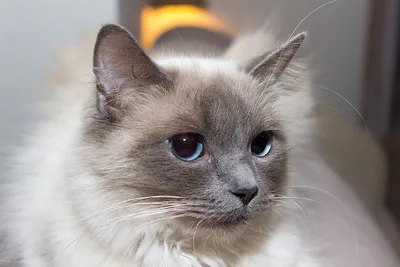
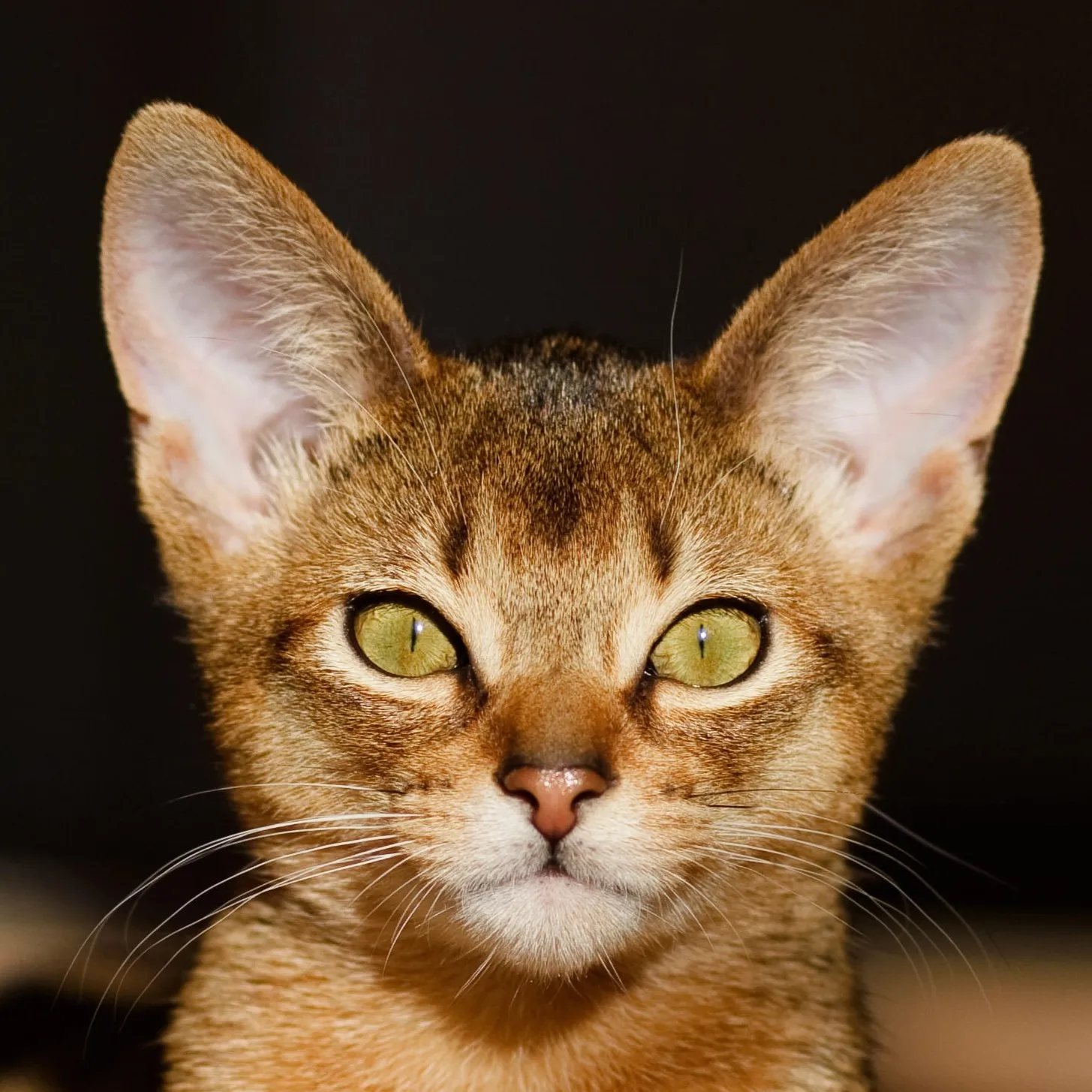
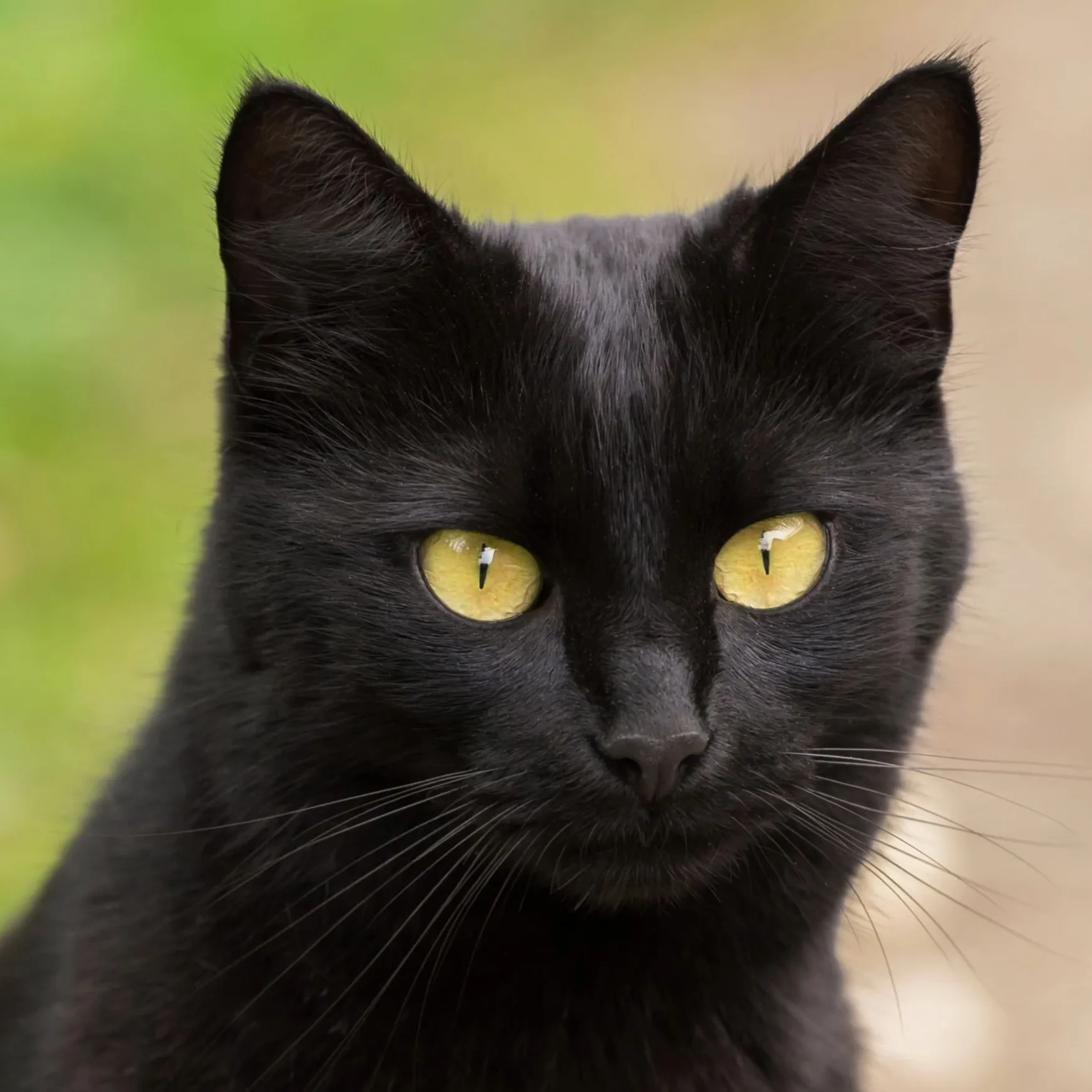
Compare with similar breeds

Frequently Asked Questions
How do I know if my Manx cat is stressed?
Signs of stress in a Manx cat may include hiding, increased vocalization, decreased appetite, or changes in litter box behavior.
Are Manx cats prone to any specific genetic disorders?
Yes, Manx cats can be prone to genetic disorders such as spinal issues related to their taillessness, as well as Polycystic Kidney Disease.
What kind of living environment is best for a Manx cat?
Manx cats adapt well to various living environments, including apartments and houses, as long as they have enough space to explore and play.